
TrustRadius: an HG Insights company

IBM Cloudability

Score8.8 out of 10

249 Reviews and Ratings

What is IBM Cloudability?

IBM Cloudability is a cloud cost management and optimization (FinOps) tool that enables IT, finance, and business teams to optimize their cloud spend across all cost sources, all maturity levels, and for all stakeholders.

Media

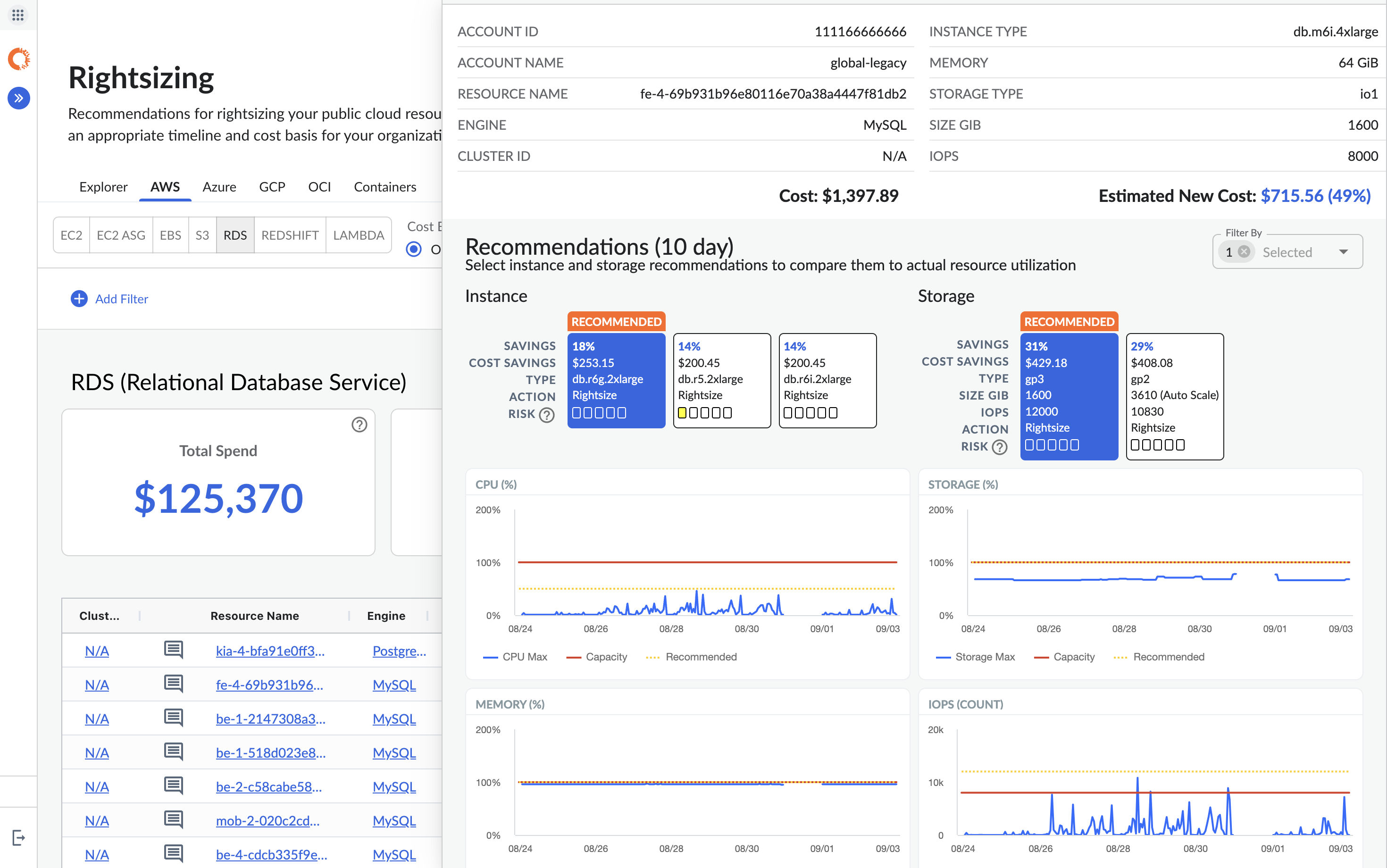
Screenshot of ML backed rightsizing recommendations surfacing multiple scenarios with tools to help sort those that can me realistically actioned on, with Jira and ServiceNow
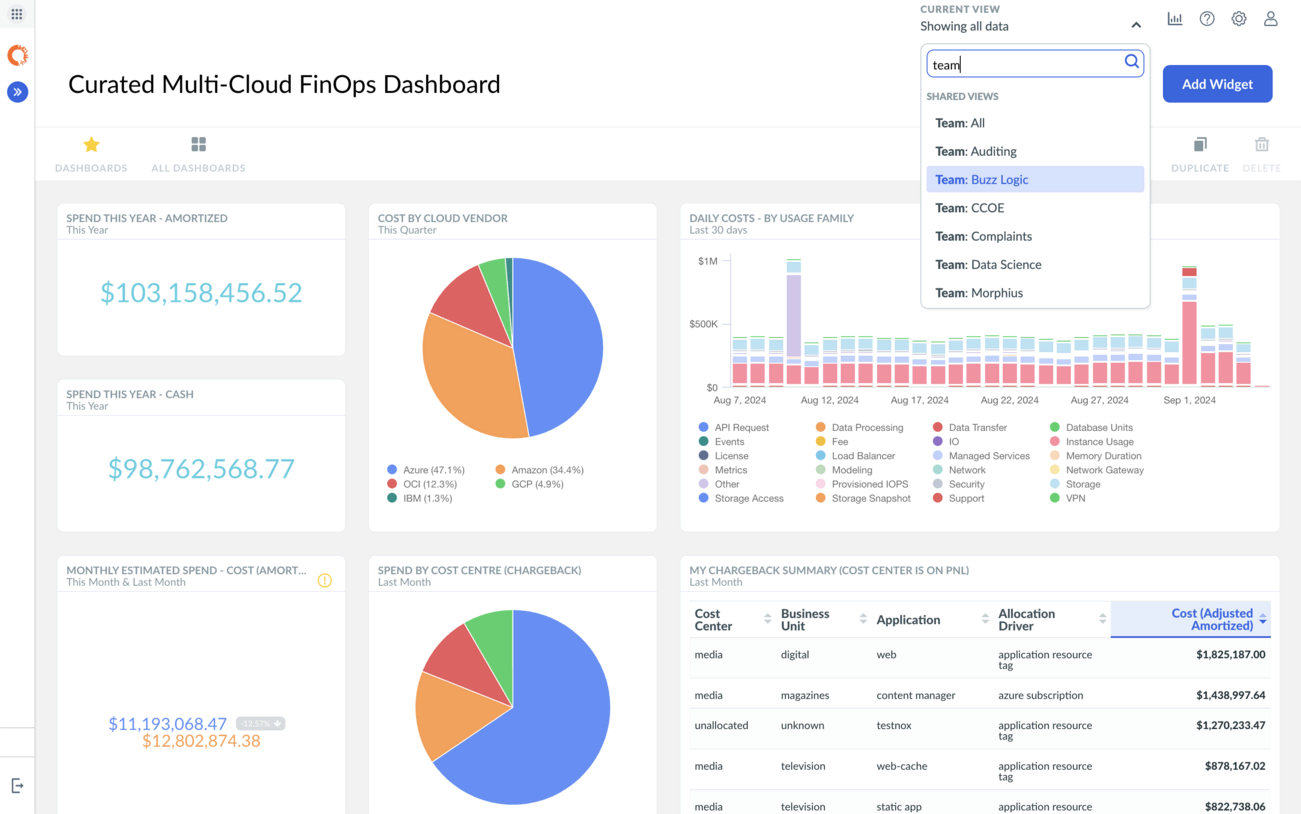
Screenshot of an allocation of cloud viewed through the enterprise grade tools to tailor data for chargeback/showback across an organization
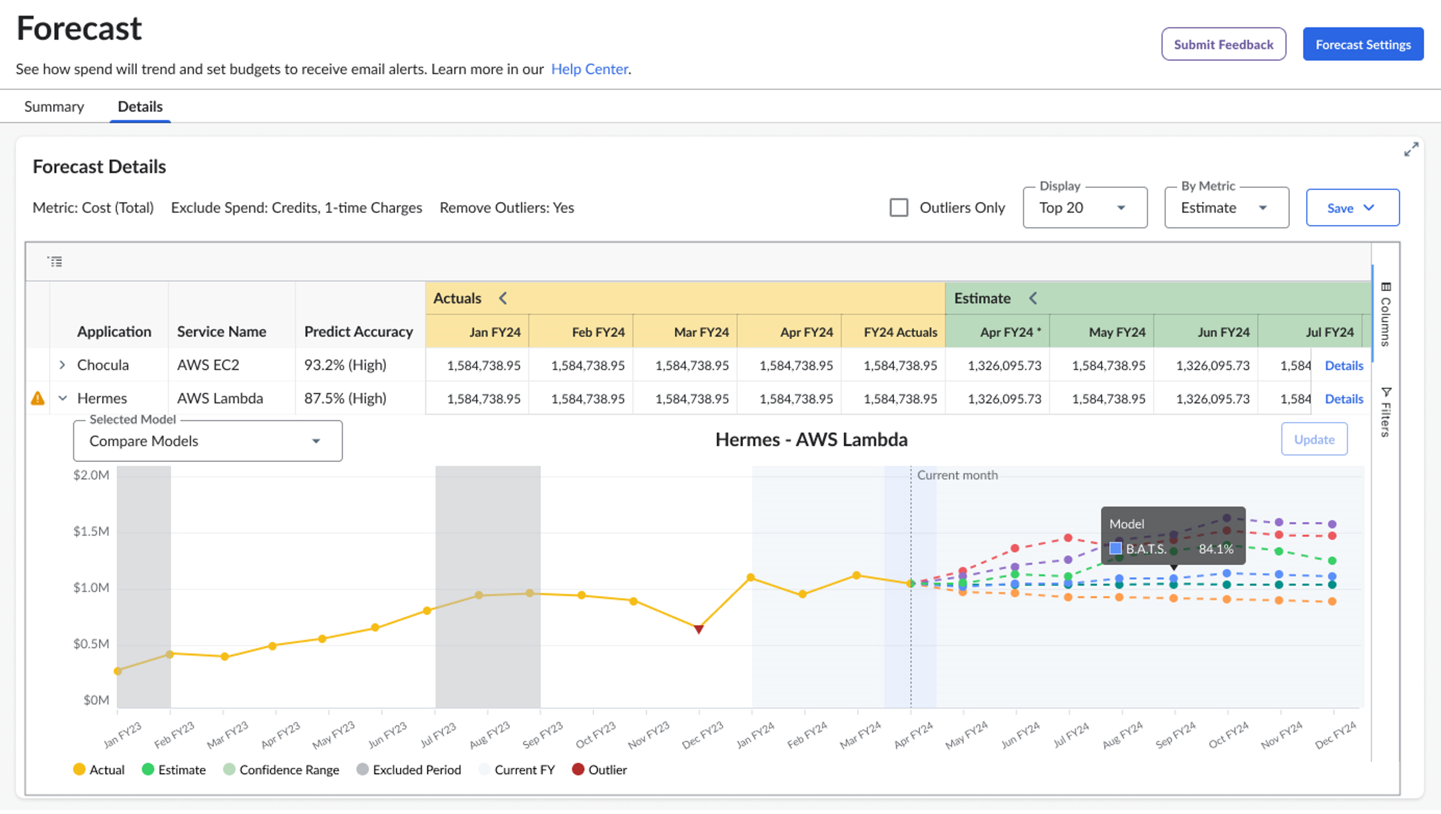
Screenshot of intelligent forecasting including seasonality, cost drivers and net new spend
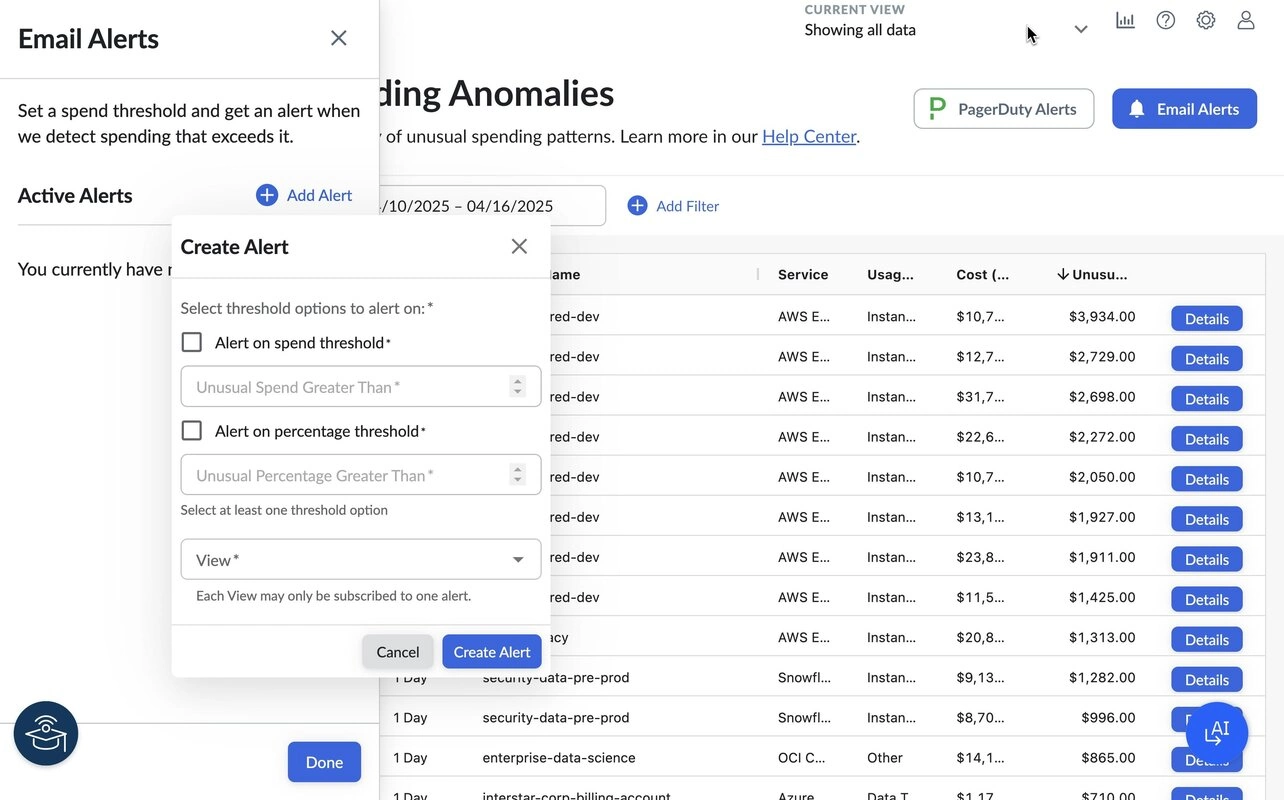
Screenshot of anomaly detection capabilities to stop issues in their tracks via the right people for the job

1 / 4

Screenshot of ML backed rightsizing recommendations surfacing multiple scenarios with tools to help sort those that can me realistically actioned on, with Jira and ServiceNow

Full FinOps solution, that won't break the bank

Use Cases and Deployment Scope

We have a very large, diverse Cloud environment that many departments have apps/services in. It is an easy way to segregate, and break down costs as needed without giving users access to the actual Azure Portal itself. The speed to create dashboards, or run reports is a big advantage when departments need viability of their owns costs.

Pros

  • Visibility of reserved instances, and recommendations for further savings
  • Right sizing suggestions based on VM utilization
  • Dashboards - easy to add widgets for quick visibility of desired metrics
  • Business mappings, bunch resources of type/interest together easily using custom created grouping

Cons

  • I'd like see the actual VM name in reservation portfolio, rather than the reservation ID
  • I find the speed in which the changes are applied a frustration. E.g if you add a business mapping, you often have to wait 24hrs or more for the data to fully process.
  • The user management seems a little clunky, I preferred it when it was part of the actual Cloudy portal, rather that through access administration.

Return on Investment

  • We have seen some substantial cost reductions as a direct result of rightsizing/utilzation suggestions. An estimated 18% per month
  • Greater visibility of allocation of spend, highlights areas to concentrate on for potential reductions, or justification
  • Positive engagement with service owners from other departments so they are now able to have insights of their spend, this was not possible before without manual reports being generated form Azure portal

Usability

Other Software Used

Rubrik, Microsoft 365, Microsoft Visual Studio Code

IBM Cloudability Review

Use Cases and Deployment Scope

We use Cloudability for cost data management for our Azure cloud services. Product provides high visibility of the cloud costs as well we utilize the cost sharing feature for the cost allocation which is a cool feature. Also we use the rightsizing and optimisations features within Cloudability.

Pros

  • Apptio BI report features like drill down and linked reports even though performance is poor
  • Cost sharing feature
  • Rightsizing feature
  • Container insights

Cons

  • Apptio BI reporting performance can be improved
  • API availability for apptio BI reporting
  • NEW IBM Report studio having drill down and linked report features in place
  • New IBM Report Studio having dragging facility with ease
  • Cost sharing dimensions compatible with other business dimensions
  • Container dimensions like namespace available for cost sharing reports

Return on Investment

  • Improved visibility across Azure Cloud & Containers

Usability

IBM Cloudability under the hood thoughts

Use Cases and Deployment Scope

I use Cloudability as a FinOps lead or sme within my company, it enables me to pull Azure cost data and build some basic reports. The scope goes from using the product to build monthly cost reports to getting technical change recommendations

Pros

  • ingestion
  • ease of building reports
  • functionality

Cons

  • basic report template examples for FinOps
  • usage data from azure for rightsizing purposes?
  • be able to easily transfer into powerbi or Ms team

Return on Investment

  • value in being able to allocate cost to business units
  • identify savings and cost avoidance opportunities
  • reporting capability

Usability

Other Software Used

Azure Cost Management, Microsoft Power BI

IBM Cloudability

Use Cases and Deployment Scope

In our organization, we use IBM Cloudability as our centralized FinOps and cloud financial management platform. It serves as the "single source of truth" that bridges the gap between our Engineering, Finance, and Leadership teams. Instead of relying on disjointed native tools from AWS, Azure, or Google Cloud, we ingest billing data from all our providers into IBM Cloudability to create a unified operational view.

Pros

  • Granular Multi-Cloud Cost Visibility
  • Advanced Kubernetes & Container Cost Allocation

Cons

  • Advanced Kubernetes & Container Cost Allocation
  • Intelligent Rightsizing and Commitment Management
  • I

Return on Investment

  • Typical ROI Period
  • Cost savings
  • Unit cost reduction

Usability

Alternatives Considered

Azure Application Gateway

Other Software Used

Azure AI Search, Azure AI Bot Service, Microsoft Power BI

Review

Use Cases and Deployment Scope

In our organization, we use IBM Cloudability For FinOps and monitoring AWS Costs

Pros

  • Shows costs in nice tables
  • Allows overview of costs
  • Displays where costs are being used

Cons

  • I think there is room for improvement in IBM Cloudability with Allowing export of reports
  • I think there is room for improvement in IBM Cloudability with Allowing easy ways to replicate tables for many different accounts

Usability