TrustRadius: an HG Insights company

Coda by Grammarly

Score8.9 out of 10

93 Reviews and Ratings

What is Coda by Grammarly?

Coda, acquired by Grammarly in early 2025, is a template-based document creation and collaboration solution, supporting a variety of use cases.

Media

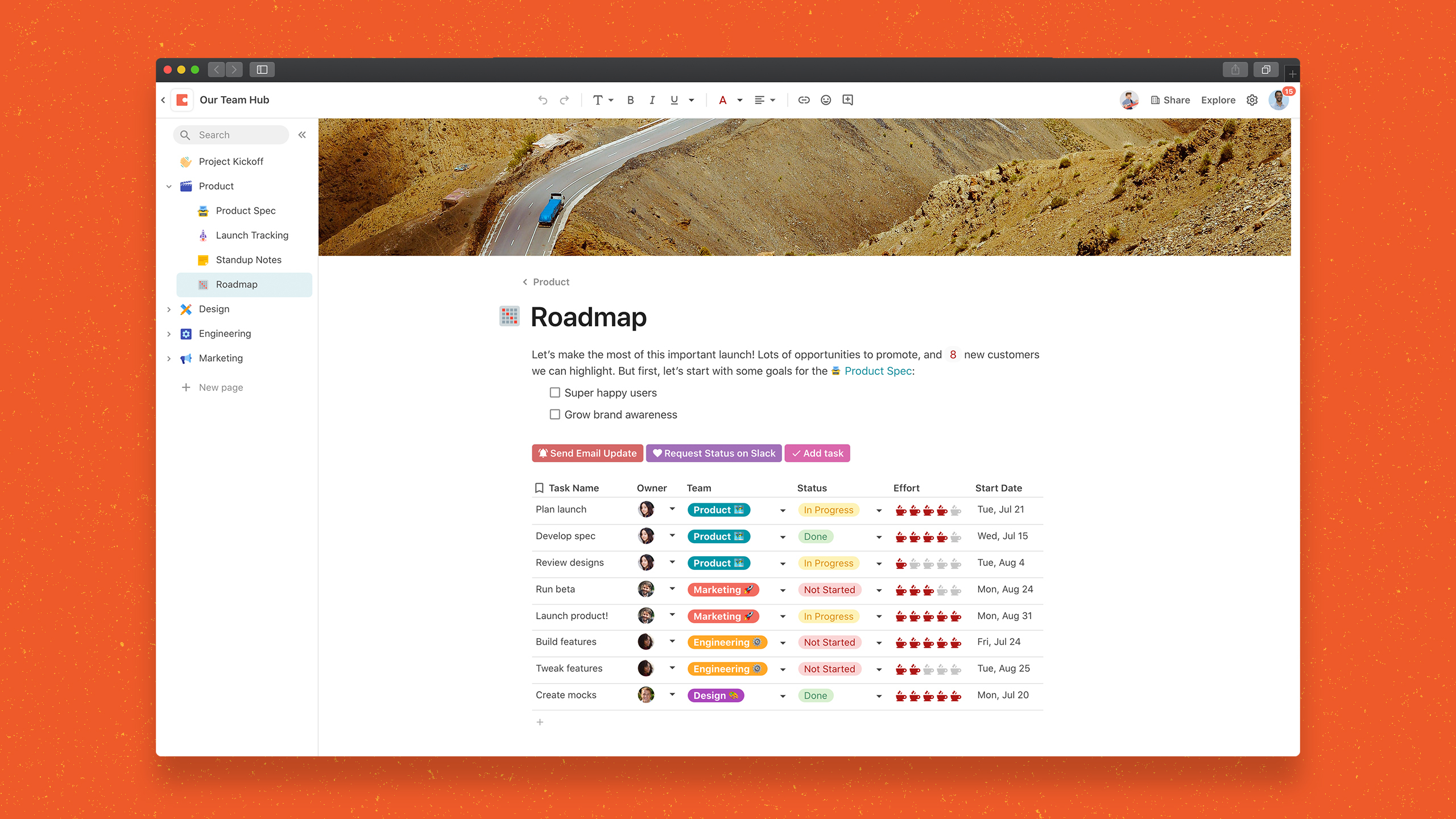
One unified surface means ideas aren’t limited to a file type. A project doesn’t have to be split across tabs of documents, spreadsheets, and apps.
Packs are a version of integrations or plug-ins. They connect the  doc to the apps in use every day, so as to pull live data in or push updates out automatically.
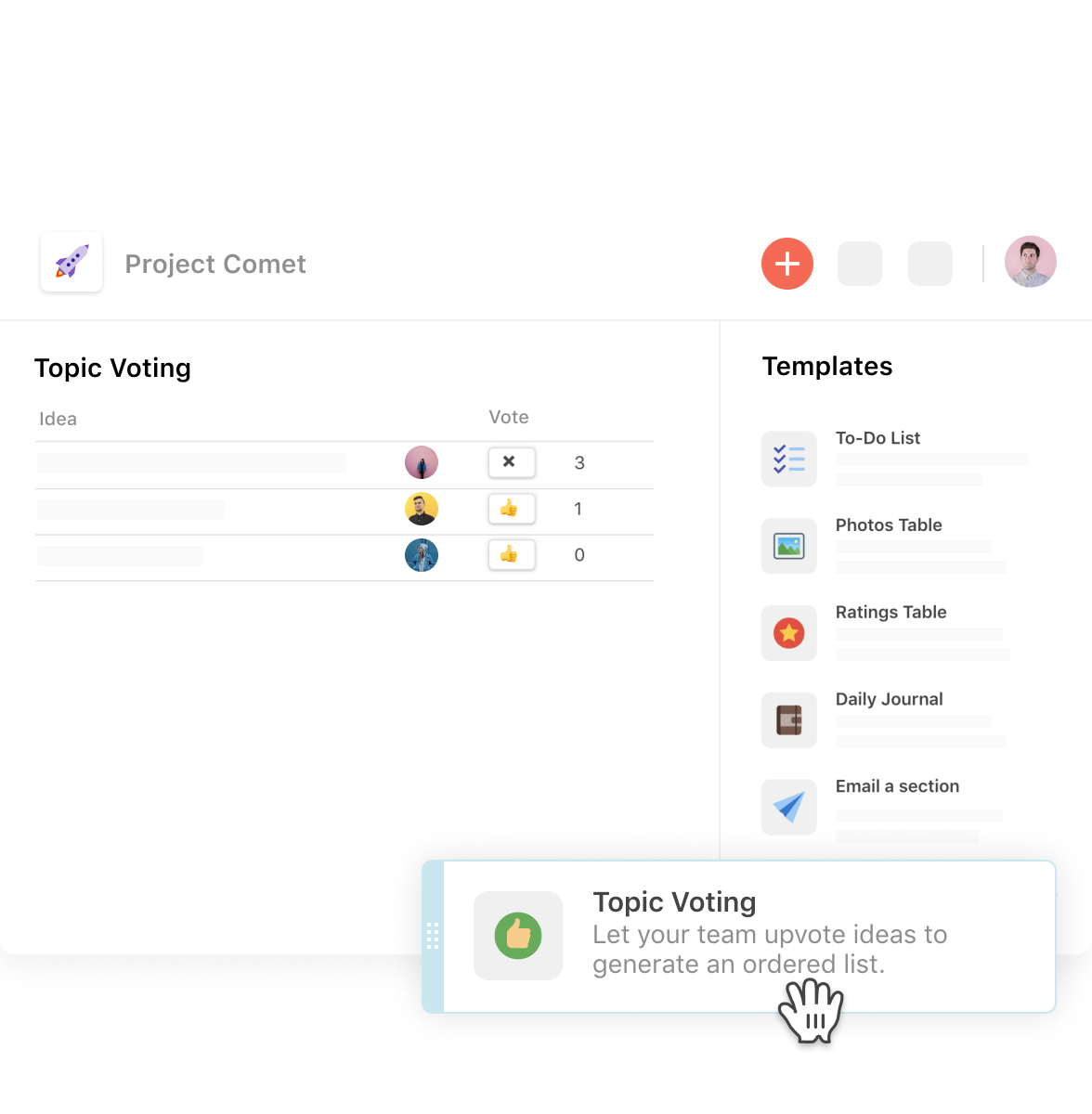
Drag-and-drop templates provide a quick-start shortcut to commonly used templates like Upvote/Downvote, To-Do List, and Team Sentiment Tracker.
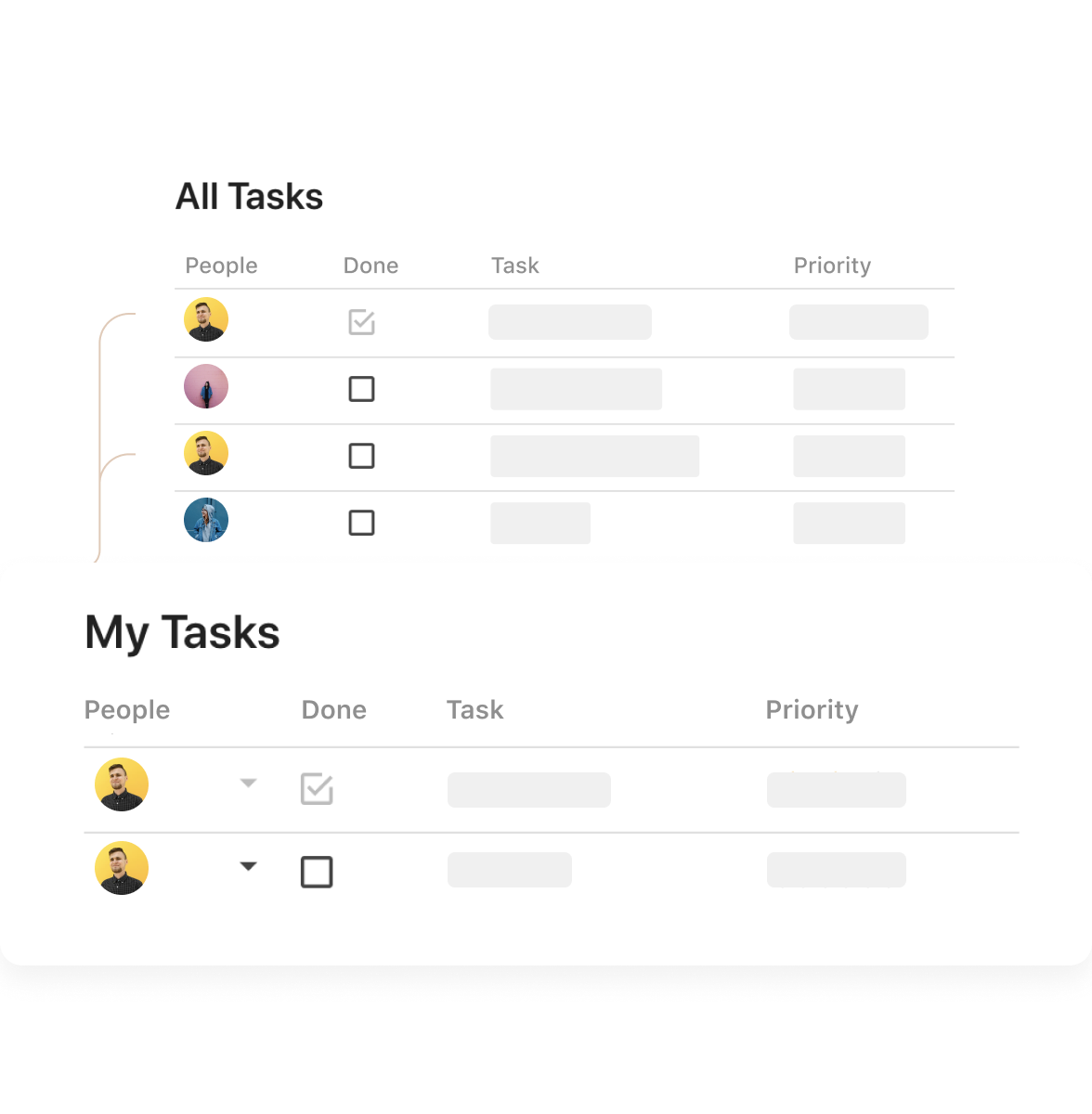
Slice, dice, and chop data using Views. A View is a mirror of data that can be tailored to unique needs, all while staying connected to the source.
When accessing the doc from a mobile device, it should feel like an app. Doc pages become tabs, buttons become swipe actions and doc notifications become push notifications.
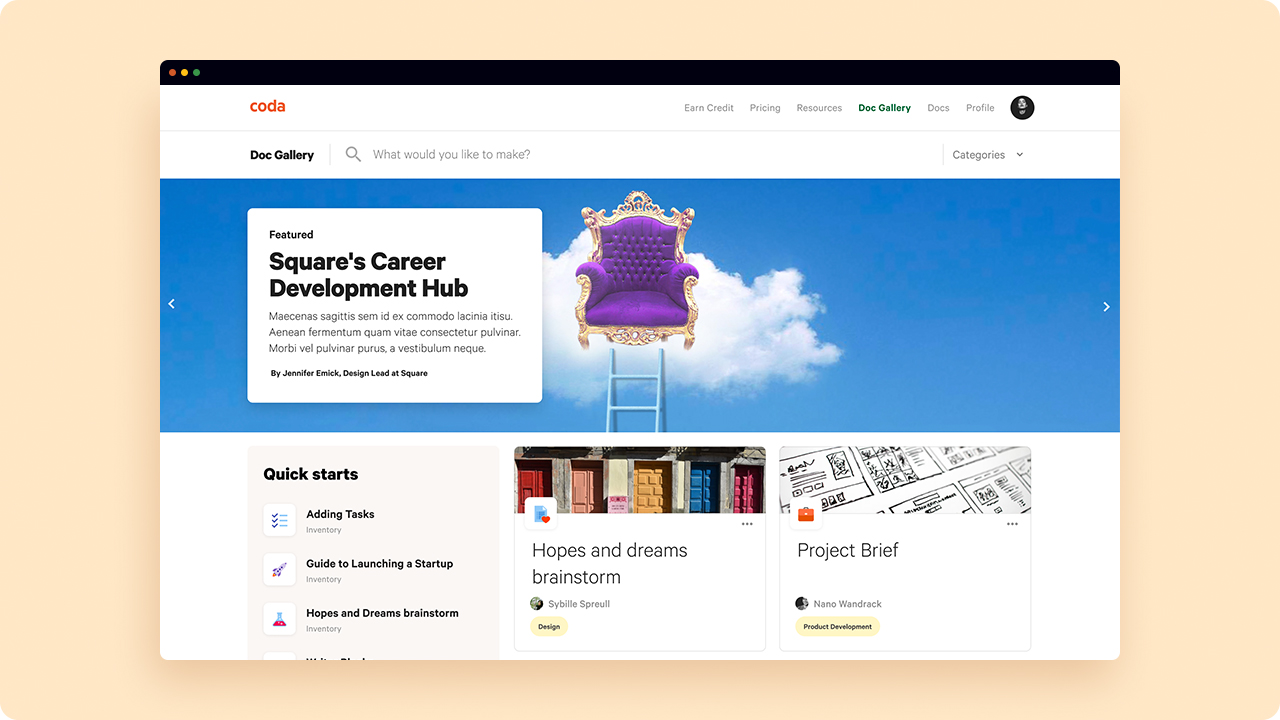
The Doc Gallery contains docs self-published by the Coda community. These published docs have a webpage-like interface and have varying levels of interactivity like view, play or edit. Find and share tools, templates, tiny apps, interactive handbooks, and anything else that can be built in Coda.

1 / 6

Coda just made that project easier

Use Cases and Deployment Scope

We use Coda to project plan and documentation. It is an easy way to organize information and collaborate. We utilize it for new products we are releasing, and key tasks each individual needs to take care of in order to get the product off the ground.

It is also used as a knowledge base and training documentation resource

Pros

  • Tables
  • Documentation organization
  • Collaboration

Cons

  • Better training
  • Steep learning curve
  • Different layout designs

Return on Investment

  • Project alignment
  • Tracking
  • Organization
  • Collaboration

Usability

Alternatives Considered

Evernote, monday.com and Asana

Other Software Used

Okta, Workday Payroll and Workforce Management, Figma, Workvivo, Canva, Wistia, Warmly Nametags

Small nags but very versatile

Use Cases and Deployment Scope

We use it for keeping track of a lot of internal documents. For example we use it for feature set lists for different products, as well as with creating territory plans. On top of that, I personally use it to create target account attack plans for my top accounts to go after.

Pros

  • Easily shareable docs
  • You can put spreadsheets and lists and notes sections within the same document
  • You can create action items and assign them to other users.

Cons

  • The user interface isn't super user friendly. It takes some time to figure out how to use it properly.
  • In one of my documents, it's tied to another, and I can't figure out how to edit one section without it updating the other.

Return on Investment

  • It has helped me create account plans for my target account books.
  • It has created a centralized place for keeping track of internal processes and proceedures.
  • I have also used it for creating sharable mutual action plans.

Usability

Alternatives Considered

Airtable

Other Software Used

Figma, Outreach, Chorus by ZoomInfo

Coda the Giant

Pros

  • Organization
  • collaboration
  • dark mode

Cons

  • It's hard to know all the features or where to start on building a page
  • It doesn't seem very intuitive

Most Important Features

  • collaboration
  • accessibility

Return on Investment

  • This was one of the reasons someone left the company, she didn't know how to code a Coda doc as well as leadership would have liked.

Alternatives Considered

Google Sheets

Other Software Used

Front, Slack

Incredible Organization & Automation for Power Users

Pros

  • Flexibility. It's easy to get started on a small scale, but add more complex organization strategies as needed.
  • Integrations. It's simple to ingest data from sources like Zapier for time-saving automations.
  • Useful components. View table data across different formats like cards or custom detail views.

Cons

  • Doesn't map 1:1 to spreadsheets. You can't use Coda to replace Google Sheets / Excel 100% of the time. Its database-like structure is an advantage for some use cases, but a limiting factor for others.
  • Formulas aren't intuitive. You can unlock seriously powerful workflows with the formulas provided, but they're far less intuitive than something like Google Sheets / Excel. This often leads to buggy or incorrectly set up documents too.
  • Difficult to manage complexity. You can put lots of data in one tool. But this can easily become cluttered, confusing, and sometimes redundant if a clear organization strategy isn't applied for larger documents.

Return on Investment

  • Less time wasted copying-and-pasting to prepare for recurring meetings.
  • More time focusing on high-impact ideas because they're cleanly organized in an end-to-end system.
  • Team members can find the most important documents quickly on their own. Less asking "where did that link go, again?"

Alternatives Considered

Google Workspace (formerly G Suite), Airtable and Notion

Other Software Used

Google Workspace (formerly G Suite), Intercom, Whimsical

Driving cost-effective and meaningful impact in small-medium enterprise

Pros

  • Automation is fantastic. Automating row creations and actions has helped streamline a lot of our processes without sacrificing too much time and effort, making overall transition easier for most of the users.
  • Flexibility. We can virtually build almost anything and migrate things from our Excel.
  • Simplifies information access for the team, keeping information current and accessible.
  • App-like feel in mobile. This is one of the winning points when we took up Coda.
  • In the past 1 year of using Coda, I have observed large leaps of development and new feature release. This gives confidence to me as a new user that this product is here to stay and tries its best to stay relevant.

Cons

  • It takes getting used to in terms of how the formulas per column is implemented, in contrast to how we build tables in Excel. For organization/team purchase, it would be worth considering having a training for the core team of users. Right now, we do a lot of self-learning.
  • Inability to email charts or image without these objects being hosted on a third party. The community has been great in providing workarounds but it would be much more convenient to be able to have such ability natively.
  • APAC Support. I'm based in Malaysia, due to timezone differences, even with a livechat implemented, the support for each step and conversation takes up to 24 hours per response. Having some hours covered in our timezone would greatly improve customer support experience.

Return on Investment

  • In general, in terms of positive impact, we are able to run more meaningful actions without additional investment in time from the team (except for the person managing /creating the documents).
  • We operate in a world full of information that can be overwhelming. Data is collected all the time, but we don't have meaningful or easy ways to analyze the information. With Coda, we can customize our formulas flexibly to our needs, and thus we are able to have more understanding of the vast information to drive the correct future actions.

Alternatives Considered

Slack, Seismic and ServiceMax

Other Software Used

ServiceMax, Seismic

Usability