TrustRadius: an HG Insights company

IBM Vault

Score8.7 out of 10

26 Reviews and Ratings

What is IBM Vault?

IBM Vault (formerly Hashicorp Vault) is an encryption tool for managing secrets including credentials, passwords and other secrets, providing access control, audit trail, and support for multiple authentication methods. It is available open source, or under an enterprise license.

Media

Screenshot of an example of writing a secret to Vault. Secrets are always encrypted and written to backend storage.
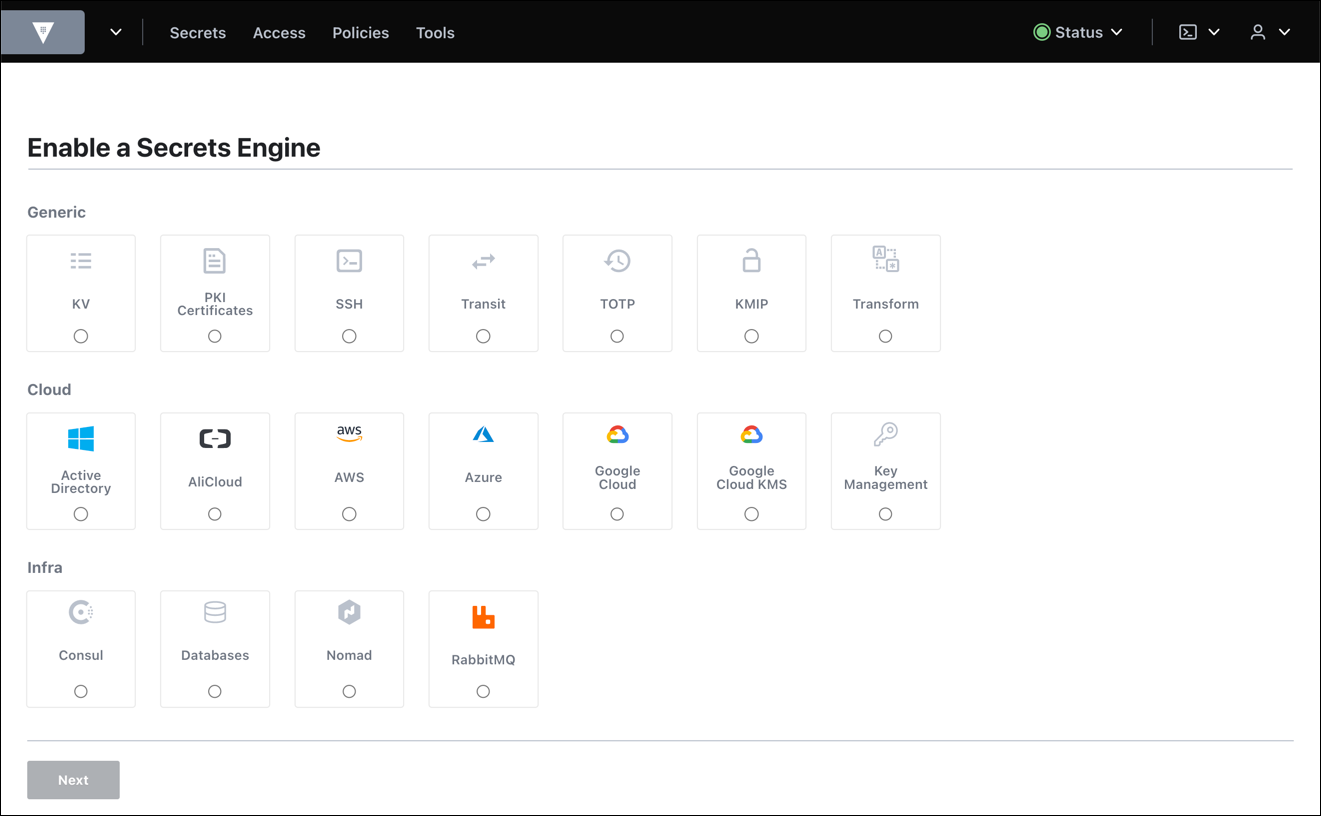
Screenshot of the secrets menu to manage integrated secrets engines. Secrets Engines are components which store, generate, or encrypt data and are enabled at a path in Vault.
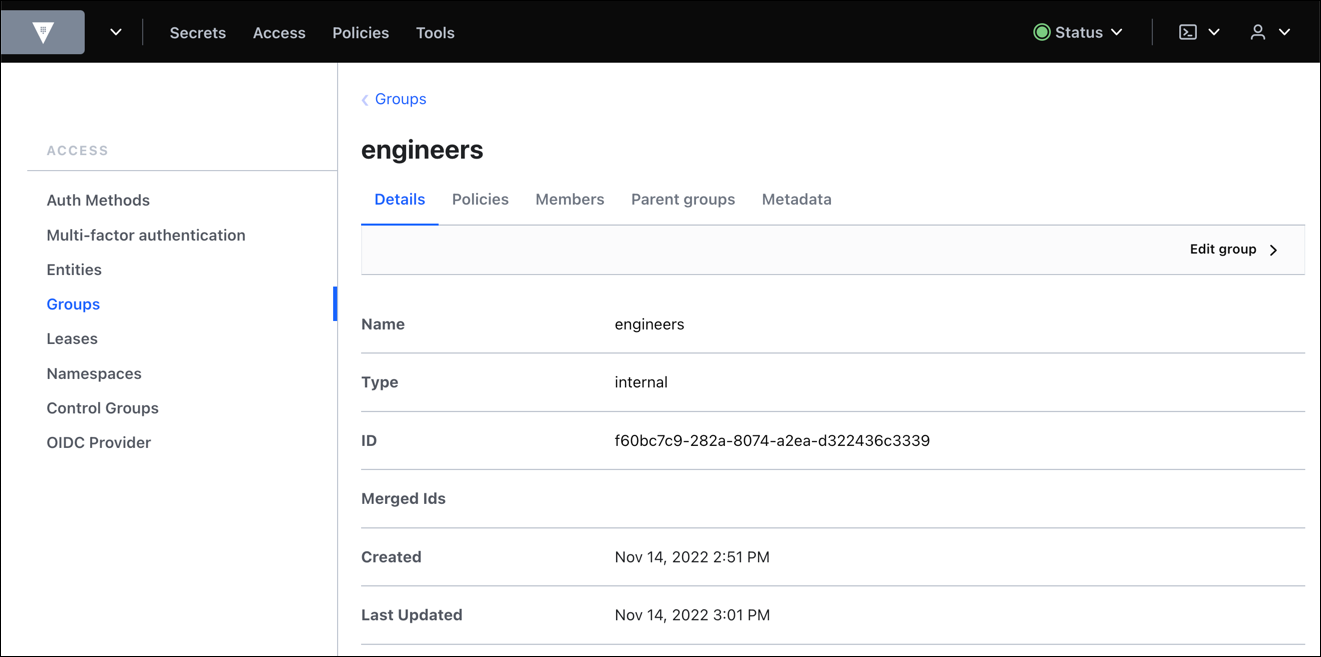
Screenshot of where vault identity has support for groups. A group can contain multiple entities as its members. A group can also have subgroups.
Screenshot of HCP Vault, which provides all of the power and security of Vault, without the complexity and overhead of managing it yourself.
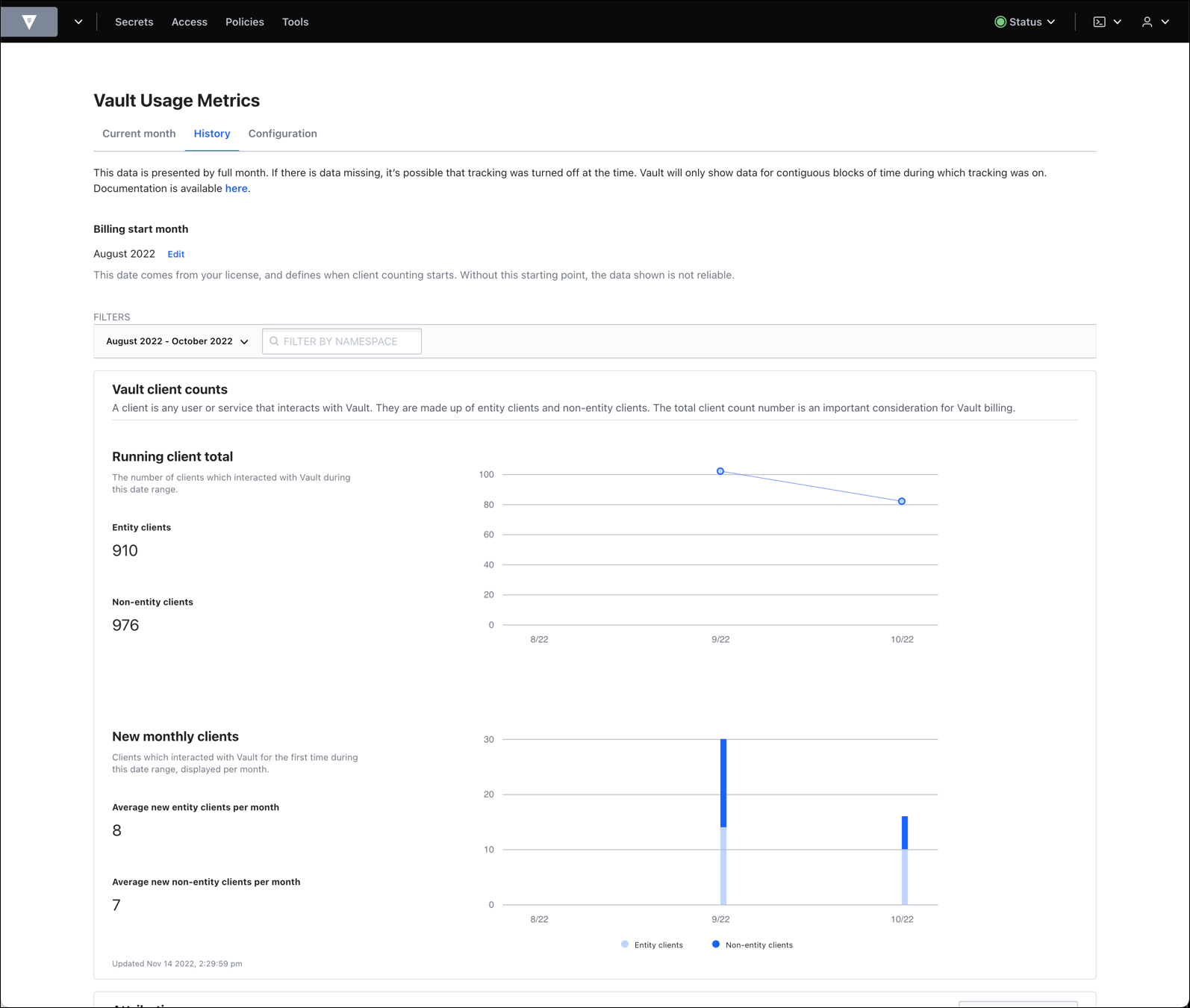
Screenshot of where to view entity client and non-entity client counts.
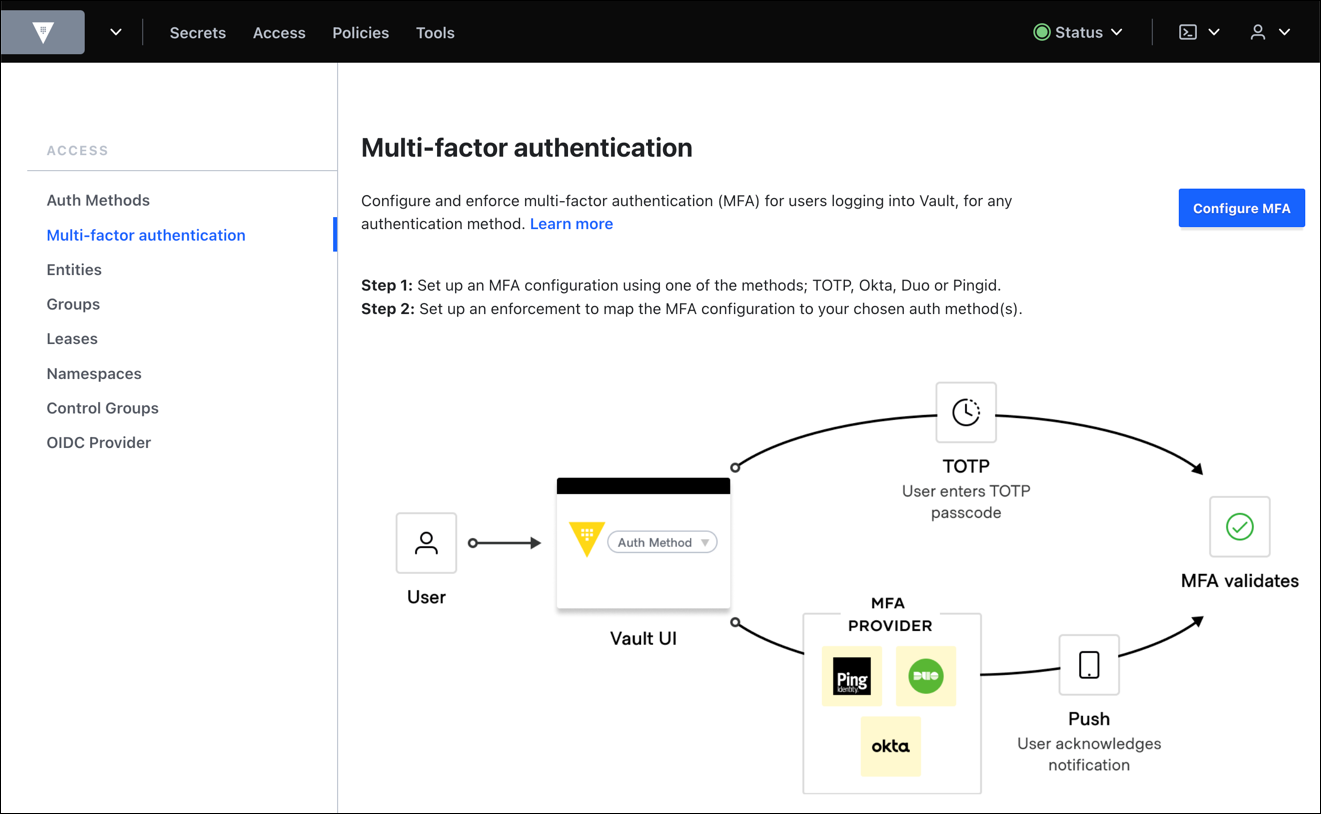
Screenshot of MFA is built on top of the Identity system of Vault.

1 / 6

Screenshot of an example of writing a secret to Vault. Secrets are always encrypted and written to backend storage.

IBM Vault review

Use Cases and Deployment Scope

We use IBM Vault for keeping secrets and credentials that are used by multiple microservices using the api calls. We also get great access control on the paths for the secrets so only application that require the specific path will be able to access the secrets.

Pros

  • Secrets management
  • Access control
  • Versioning of secrets

Cons

  • Complexity of setting up Vault should be simplified
  • Policy management can be made easier on terraform
  • Version upgrade of Vault to be made easier

Return on Investment

  • Good security
  • User experience is great
  • Solves the secrets handling perfectly

Usability

Alternatives Considered

AWS Secrets Manager

Excellent choice for you business Secrets Management Solution

Use Cases and Deployment Scope

We leverage HashiCorp Vault capabilities for storing and managing our secrets and company passwords. HashiCorp Vault integrates with applications and tools to enable transparent secure sensitive information retrieval programmatically. By leveraging HashiCorp Vault we can go with IAC/CAC on almost everything we build. HashiCorp Vault also makes it easy to share secrets between team members and the organization.

Pros

  • Store secrets
  • Store configurations
  • Integrate with kubernetes
  • Audit log of changes
  • Team secret sharing
  • Real time in transit encryption

Cons

  • Session Management is terrible to manage
  • Monitoring is hard and not enough information
  • User management
  • Configuration is too complex
  • More user friendly UI

Return on Investment

  • Vault enabled IAC for kubernetes applications
  • Central configuration for applications
  • Version Control on secrets
  • Improved the company security and secret sharing experience
  • Enabled the PCI compliance for the company

Alternatives Considered

Bitwarden and AWS Secrets Manager

Other Software Used

Cloudflare, Cloudflare Zero Trust Services, Amazon RDS Performance Insights, Amazon Kinesis, Amazon Simple Queue Service (SQS)

HashiCorp Vault - Credentials, passwords, and any kind of secrets in your environment reliably managed.

Pros

  • A great repository for credentials and secrets.
  • Good scalability with its own clustering solution and high availability.
  • Easy to install like other Hashicorp products, it is based on just one executable.

Cons

  • Documentation could be better.
  • The multiple key unseal process can be a problem if the need arises.
  • It would make more sense if HashiCorp Vault combined with HashiCorp Consul to create a unique product.

Return on Investment

  • Allowed better access control for credentials, passwords, and important keys.
  • After we started using HashiCorp Vault, we were able to base our environment 100% as code.
  • SSH access control that is possible using HashiCorp Vault adds an extra level of security in environments where external remote access is required.

Usability

Other Software Used

Microsoft Teams, Terraform, Amazon Relational Database Service

HashiCorp Vault for the win!

Pros

  • Credentials generation
  • Secret management
  • Preventing secret sprawling

Cons

  • UI can improve

Return on Investment

  • API driven
  • Versatile
  • Very useful because sensitive data doesn't exist before reading

Alternatives Considered

Microsoft Azure Key Vault

Other Software Used

Microsoft Azure Key Vault, Azure App Service, Azure Virtual Machines

Vault is a flexible and safe secrets managment solution.

Pros

  • The HTTP API you use to write and read secrets is open and can be used by any application.
  • It keeps our sensitive data/credentials out of our GitLab repositories.
  • Sealing and unsealing the Vault on demand adds an additional layer of security.

Cons

  • Vault requires a complex setup when getting started.
  • Vault requires decisions around the backend type to be made up front.
  • Vault tokens appear to be managed manually in most cases.

Return on Investment

  • Vault protects our application data from incidents.
  • Vault has decreased the time it takes to provide access to sensitive data.
  • Vault has provided great vault to our information security goals for this year.

Alternatives Considered

Symantec Data Center Security

Other Software Used

CyberArk Privileged Account Security, Gitlab, Terraform