Chose SSIS
Informatica PowerCenter (legacy) and CloverDX

| Product | Rating | Most Used By | Product Summary | Starting Price |
|---|---|---|---|---|
 AdroitLogic Integration Platform Server | N/A | Containerized orchestration middleware for full-stack management of small-to-large-scale UltraESB-driven integration solution deployments! Leverage the awesome scalability of Kubernetes and other orchestration platforms to host sophisticated integrations Cut down traditional budgets on VM licensing, monitoring and management; promote yourself… | N/A | |
 SSIS | N/A | Microsoft's SQL Server Integration Services (SSIS) is a data integration solution. | N/A |
| AdroitLogic Integration Platform Server | SQL Server Integration Services (SSIS) | |||||||||||||||
|---|---|---|---|---|---|---|---|---|---|---|---|---|---|---|---|---|
| Editions & Modules | No answers on this topic | No answers on this topic | ||||||||||||||
| Offerings |
| |||||||||||||||
| Entry-level Setup Fee | Optional | No setup fee | ||||||||||||||
| Additional Details | Licensing will depend on the number of physical instances (CPU cores) used in the deployment; regardless of the number of integration runtimes you wish to deploy. Only pay for production deployments; development/QA environments are free of charge. Licensing for the underlying container orchestration platform (e.g. OpenShift) will not be provisioned by AdroitLogic, and shall be provided by the client. | — | ||||||||||||||
| More Pricing Information | ||||||||||||||||
| AdroitLogic Integration Platform Server | SQL Server Integration Services (SSIS) | |
|---|---|---|
| Considered Both Products |  AdroitLogic Integration Platform Server No answer on this topic | SSIS  Alex Bransky Principal Data Engineer Chose SSIS Fivetran, Stitch, and Etleap are all 1000x more modern than SSIS and 100x less aggravating. While those tools are mainly used to sync data rather than transform it, the ELT model works much better than the ETL model in most situations.  Robbie Scott Security Software Engineer Chose SSIS AWS Glue  Vishal Shah Data Engineer, Product Analytics Chose SSIS SSIS is similar to Alteryx and Informatica PowerCenter in a way because these are all drag-and-drop ETL tools with similar functionality. Alteryx is a step ahead because it has some advanced ETL functionalities including statistical calculations etc. and a better ability to set …  Shubham Rawat Data Analyst Chose SSIS It is more user-friendly and cost efficient.  Vladimir Salnikov Hardware / Embedded Software (C/C++) Developer Chose SSIS SAP Business Objects was a primary concurrent software against the MS SSIS but it has a more steep learning curve and requires additional investment into the SAP-related software infrastructure. With SSIS one can start easily with simple data extraction / DTL tools of Express …  freida oliver ETL Developer Chose SSIS Datastage  zahit bogus Business Intelligence Consultant Chose SSIS I used the Pentaho Data Integration (PDI) ETL tool. The PDI ETL tool does not have a public user collection like the SQL Server Integration Services(SSIS) ETL tool. Therefore, you may not be able to find instant solutions for your problems. But it has advantages over the SSIS …  Steven Gockley, MBA, MCSA DBA / Sr. Data Analyst Chose SSIS These are all great products and, honestly, can move data faster. They include more enterprise features and have some great qualities about each. However, they all cost a lot depending on the implementation you need. With SQL Server Integration Services, you do not have any … |
| AdroitLogic Integration Platform Server | SQL Server Integration Services (SSIS) | ||||||||||||||||||
|---|---|---|---|---|---|---|---|---|---|---|---|---|---|---|---|---|---|---|---|
| Data Source Connection |
| ||||||||||||||||||
| Data Transformations |
| ||||||||||||||||||
| Data Modeling |
| ||||||||||||||||||
| Data Governance |
|
| AdroitLogic Integration Platform Server | SQL Server Integration Services (SSIS) | |
|---|---|---|
| Small Businesses |  Skyvia Score 10.0 out of 10 | Skyvia Score 10.0 out of 10 |
| Medium-sized Companies |  IBM InfoSphere Information Server Score 8.0 out of 10 | IBM InfoSphere Information Server Score 8.0 out of 10 |
| Enterprises | IBM InfoSphere Information Server Score 8.0 out of 10 | IBM InfoSphere Information Server Score 8.0 out of 10 |
| All Alternatives | View all alternatives | View all alternatives |
| AdroitLogic Integration Platform Server | SQL Server Integration Services (SSIS) | |
|---|---|---|
| Likelihood to Recommend | - (0 ratings) | 8.0 (0 ratings) |
| Likelihood to Renew | - (0 ratings) | 9.0 (0 ratings) |
| Usability | - (0 ratings) | 8.0 (0 ratings) |
| Performance | - (0 ratings) | 8.8 (0 ratings) |
| Support Rating | - (0 ratings) | 8.0 (0 ratings) |
| Implementation Rating | - (0 ratings) | 10.0 (0 ratings) |
| AdroitLogic Integration Platform Server | SQL Server Integration Services (SSIS) | |
|---|---|---|
| Likelihood to Recommend | No answers on this topic |
Vishal Shah Data Engineer, Product Analytics |
| Pros | No answers on this topic |
|
| Cons | No answers on this topic |
|
| Likelihood to Renew | No answers on this topic |
|
| Usability | No answers on this topic |
|
| Performance | No answers on this topic |
Steven Gockley, MBA, MCSA DBA / Sr. Data Analyst |
| Support Rating | No answers on this topic |
 Chris Morgan Chemist, LIMS Specialist |
| Implementation Rating | No answers on this topic |
 Luca Campanelli Database Administrator |
| Alternatives Considered | No answers on this topic |
|
| Return on Investment | No answers on this topic |
|
| ScreenShots | AdroitLogic Integration Platform Server Screenshots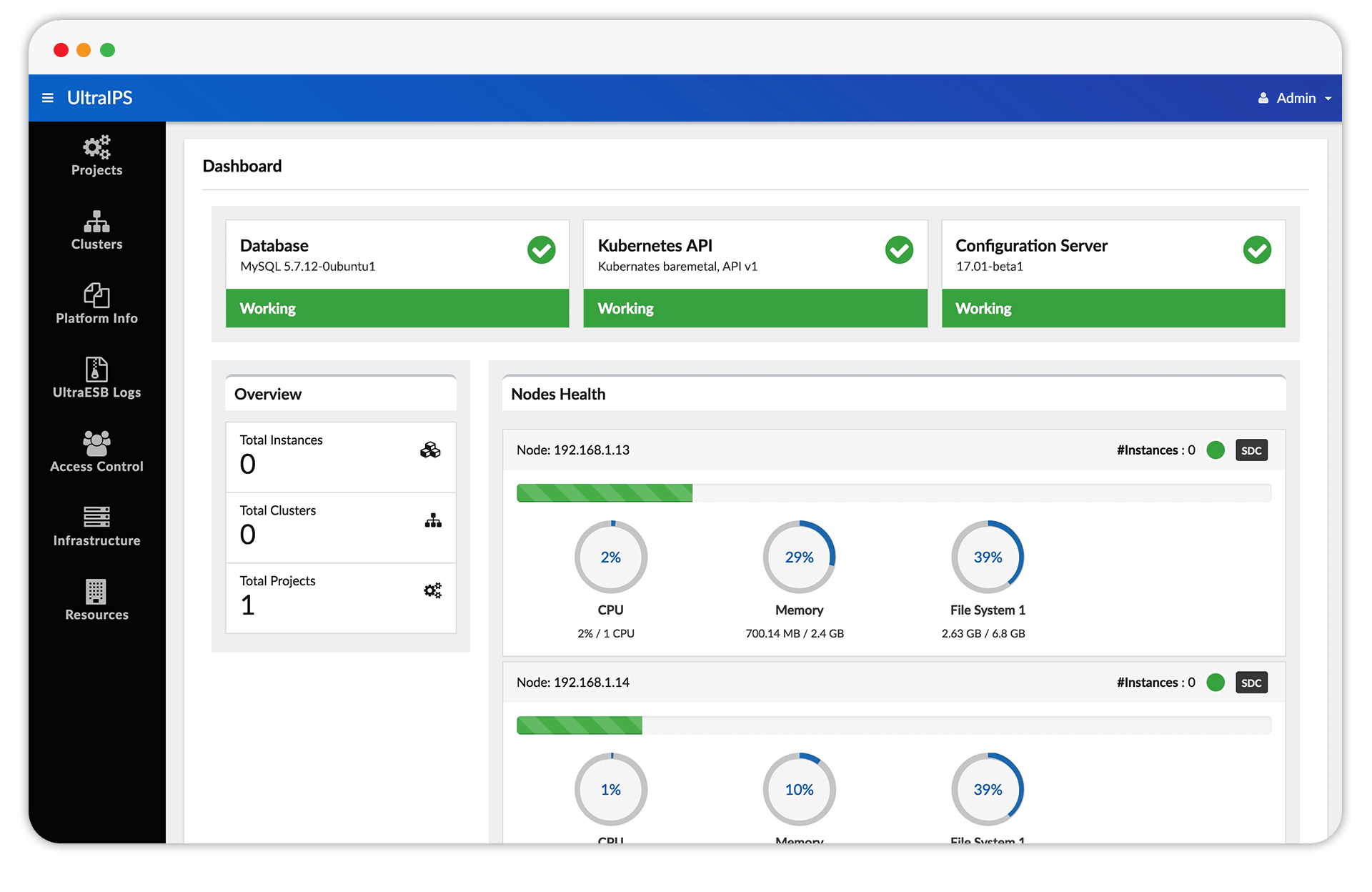    |