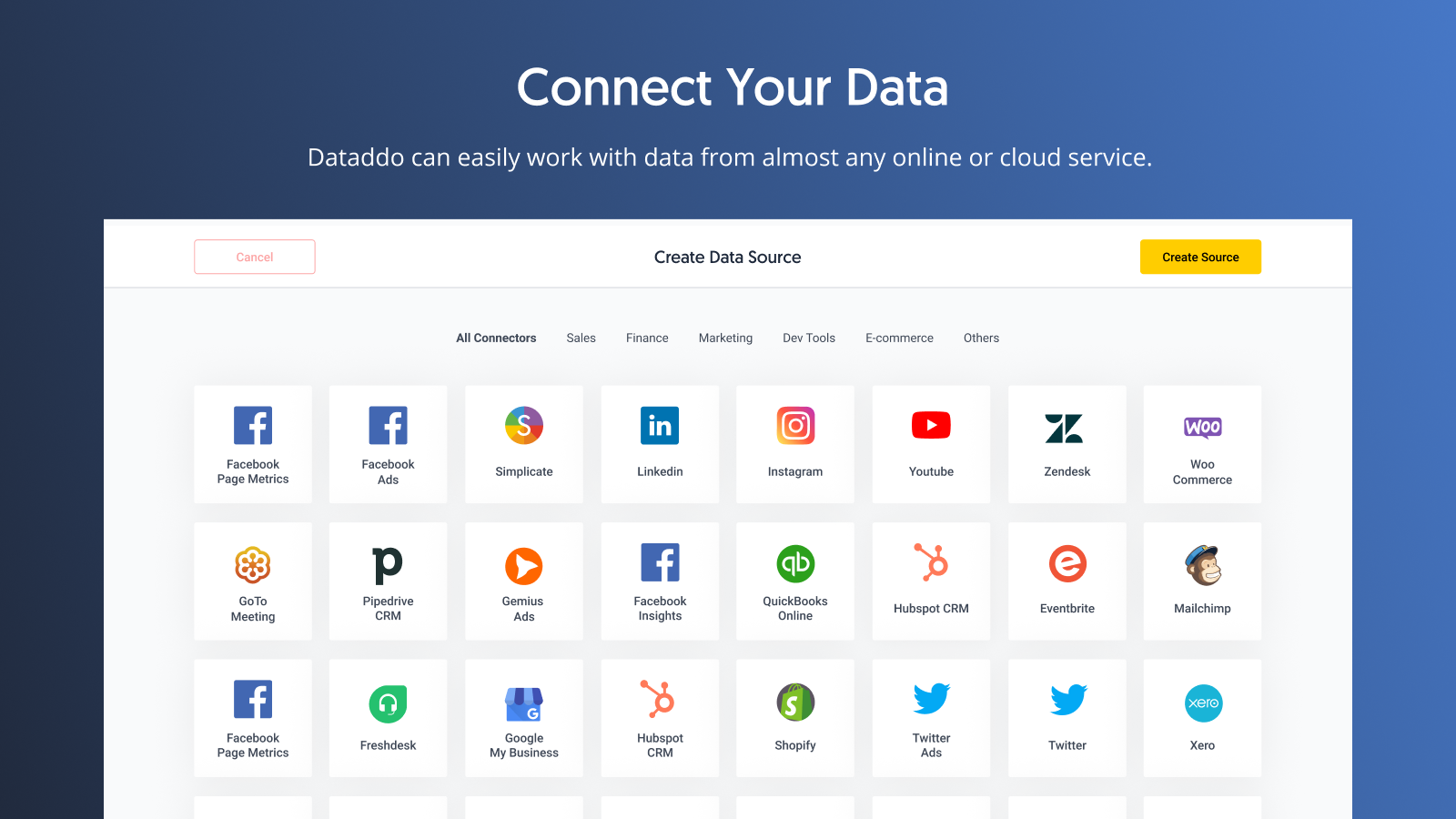
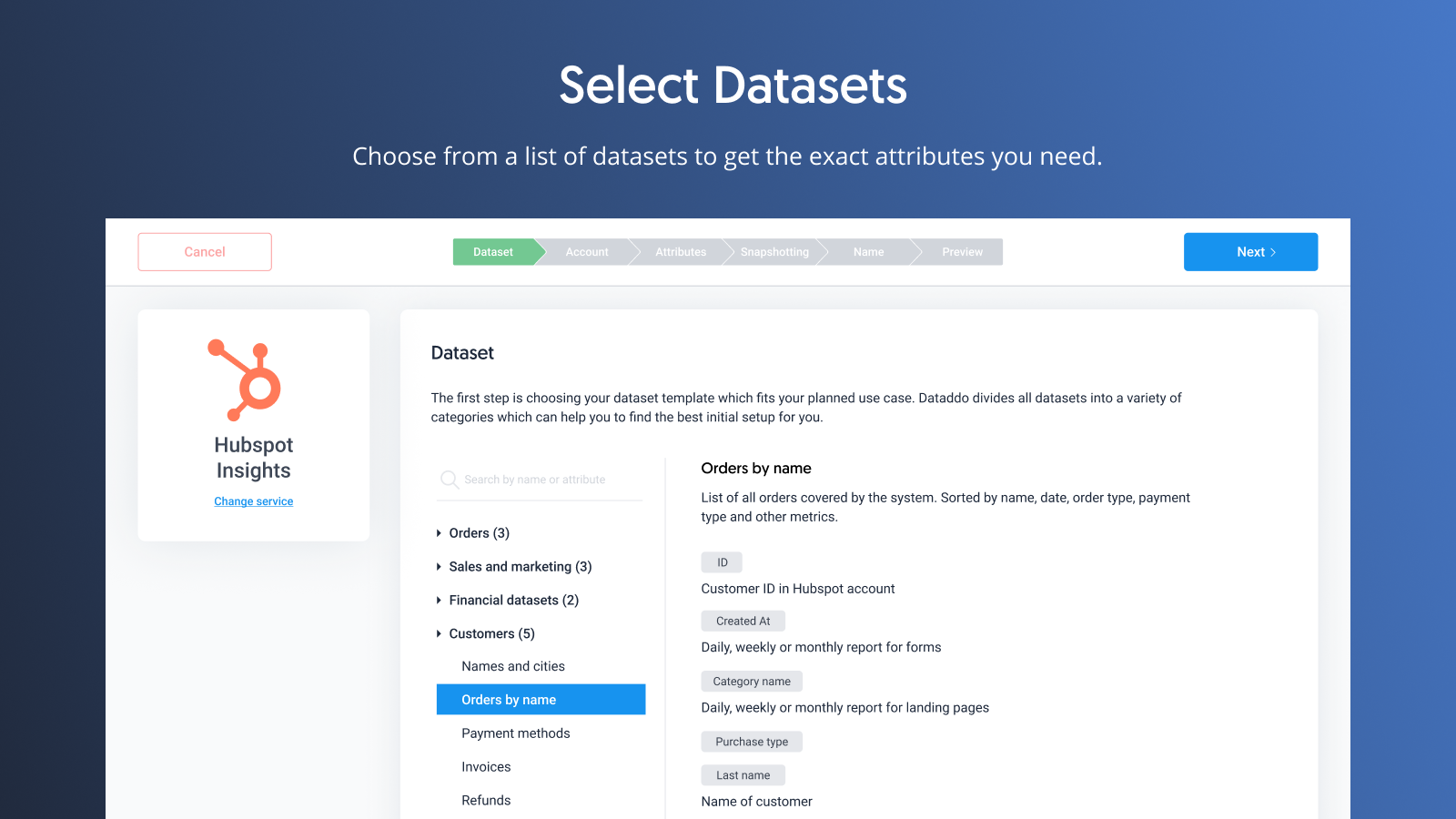
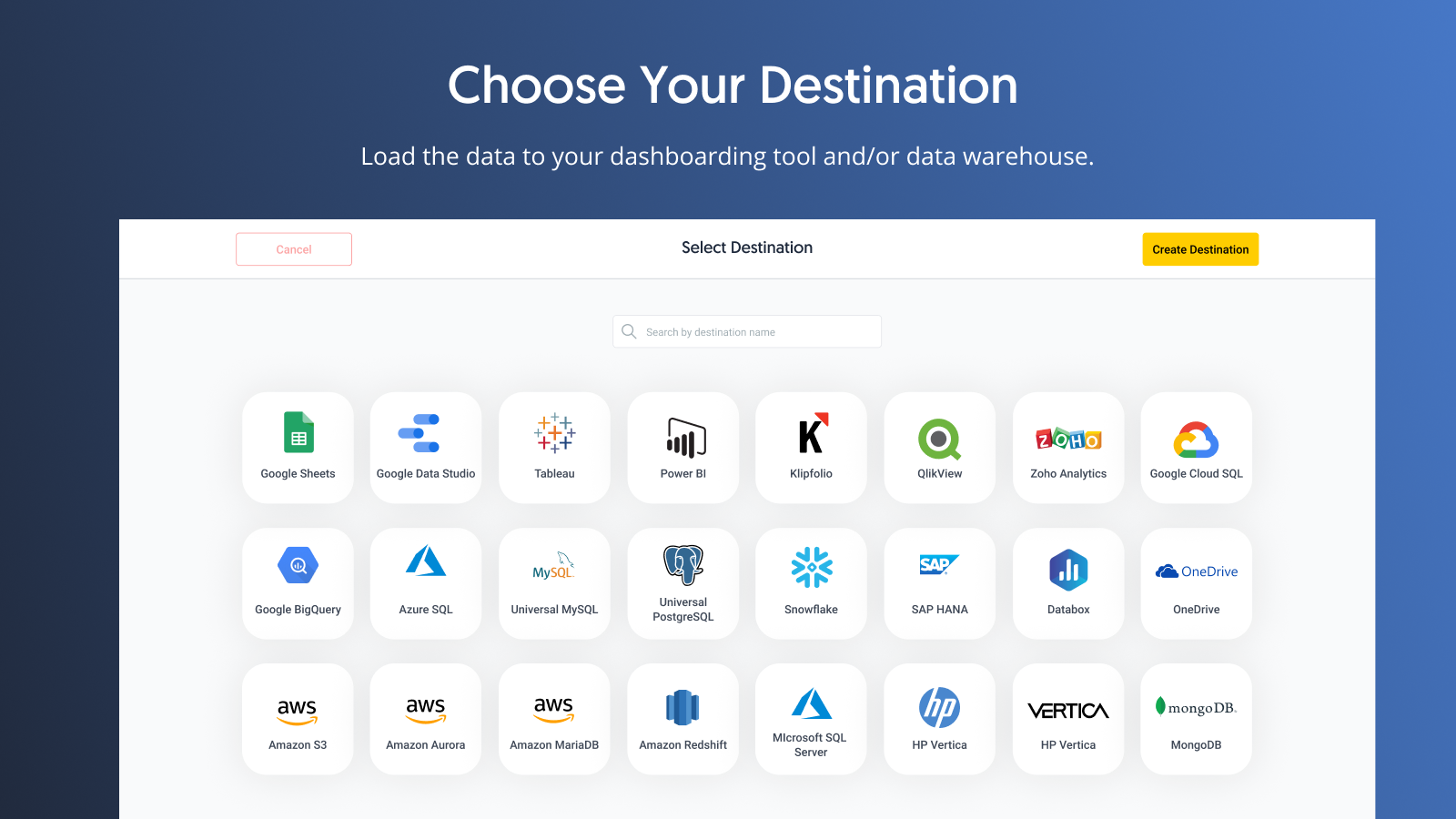
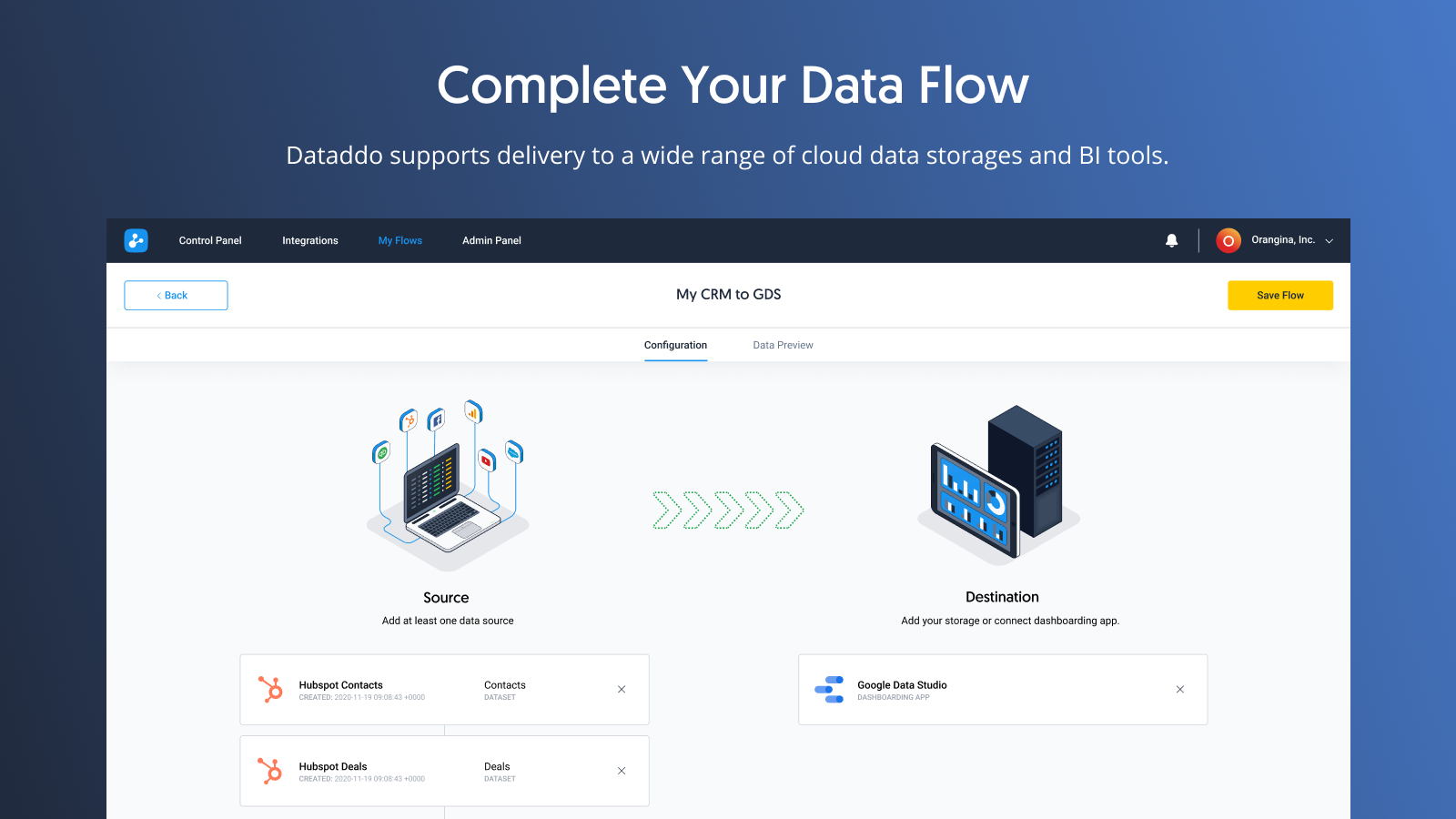
Dataddo is a control plane for enterprise data movement. It runs and governs data flows across cloud, on-prem, and hybrid environments with the goal of turning fragile pipelines into reliable infrastructure for AI.
$0
IBM DataStage
Score 7.8 out of 10
N/A
IBM® DataStage® is a data integration tool that helps users to design, develop and run jobs that move and transform data. At its core, the DataStage tool supports extract, transform and load (ETL) and extract, load and transform (ELT) patterns. A basic version of the software is available for on-premises deployment, and the cloud-based DataStage for IBM Cloud Pak® for Data offers automated integration capabilities in a hybrid or multicloud environment.
N/A
Pricing
Dataddo
IBM DataStage
Editions & Modules
Free
$0
Data to Dashboards
$129
per month
Data Anywhere
$129
per month
Enterprise
Custom
per year
No answers on this topic
Offerings
Pricing Offerings
Dataddo
IBM DataStage
Free Trial
Yes
Yes
Free/Freemium Version
Yes
No
Premium Consulting/Integration Services
No
No
Entry-level Setup Fee
No setup fee
No setup fee
Additional Details
Data to Dashboards and Data Anywhere are both priced based on bundles of flows that can be billed monthly, or yearly for a discount. Data to Dashboards starts at $129 (billed monthly) for up to 10 data flows from any source to any dashboarding tool or Google Sheets. Data Anywhere starts at $129 (billed monthly) for up to 3 data flows from any A to any B—from apps to warehouses or dashboards (ETL, end to end), between warehouses (ETL), and from warehouses back into apps (reverse ETL). Enterprise Plan allows enterprises to build their own data products on top of the unified Dataddo API and get all integrations in one, with custom pricing.
—
More Pricing Information
Community Pulse
Dataddo
IBM DataStage
Considered Both Products
Dataddo
No answer on this topic
IBM DataStage
Verified User
Anonymous
Chose IBM DataStage
No, it wasn’t my decision to use such an ETL product. I’m just the administrator at this point. I’ve heard there are other products there that are even on cloud support. That is much easier to use, more agile, and user-friendly. That doesn’t have that barrier from user to …
IBM DataStage performes bettere than SSIS in every aspect. IBM DataStage performes better than SAP Data Services in terms of variables and job orchestration flexibility. It is as strong as ODI, but less complex to implement. It allows to write SQL queries as dbt and glue, but I …
its very good and i would get best support from ibm if their is any issue.i would upgrade it very easily.ibm red books are very good for learning and getting expertise on the product.we would get frequent updates when their is a patch released.it would be easy to integrate with …
With effective capabilities and easy to manipulate the features and easy to produce accurate data analytics and the Cloud services Automation, this IBM platform is more reliable and easy to document management. The features on this platform are equipped with excellent big data …
IBM Infosphere DataStage has been in the market for more than a decade now. It is reliable and the user community online is vast and which helps with the resolution identification easily. IBM has done a good job keeping up with guiding connectors and links for new databases …
It's obvious since they both are from the same vendors and it makes it easier and can get better rates for licensing. Also, sales rapes are very helpful in case of escalations and critical issues.
Currently not using any of the Informatica tools, so, I don't have a real way of comparing the tools. But comparison against Microsoft SSIS (Sql Server Integration Services) I'd say DataStage stacks favorably. DataStage is a powerful tool for ETL processes that integrates …
Data Analyst | Data Developer - Advanced Analytics
Chose IBM DataStage
We chose IBM InfoSphere DataStage because it is the tool that has been used, historically, at the company level. In the near future, nothing prevents us from orienting ourselves to new solutions in view of a restructuring of architecture.
Compared to other ETL tools, the connectors really work, and makes the developments less complex because they facilitate the development of the processes. The maintenance of the processes is simple, since it is a very visual tool, and you can count on the technical …
DataStage offers better integration capabilities without the need to write code manually. It also has a native ETL engine whereas MSIS requires a SQL Server. It has better integration capabilities with data quality, data profiling and data governance tools. The main drawback of …
Excellent Cloud data mapping tool and easy creating multiple project data analytics in real-time and the report distribution are excellent via this IBM product. Easy tool to provide data visualization and the integration is effective and helpful to migrating huge amounts of data across other platforms and different websites insights gathering.
Because it is a flexible tool that can manage many flows and create a strong solution with a interesting use of variables. Easy to scale up as you can copy jobs arleady build and modify them. SQL queries allow to be fast in development and have the pushdown feature, but you loose a little of user friendly look. Metadata management is not strong as a visual feature, but can be determine by job codes.
It could load thousands of records in seconds. But in the Parallel version, you need to understand how to particionate the data. If you use the algorithms erroneously, or the functionalities that it gives for the parsing of data, the performance can fall drastically, even with few records. It is necessary to have people with experience to be able to determine which algorithm to use and understand why.
IBM offers different levels of support but in my experience being and IBM shop helps to get direct support from more knowledgeable technicians from IBM. Not sure on the cost of having this kind of support, but I know there's also general support and community blogs and websites on the Internet make it easy to troubleshoot issues whenever there's need for that.
No, it wasn’t my decision to use such an ETL product. I’m just the administrator at this point. I’ve heard there are other products there that are even on cloud support. That is much easier to use, more agile, and user-friendly. That doesn’t have that barrier from user to administrator to the developer standpoint.
Not directly related to ROI or cost figures. Only comment here is that IBM tools tend to be more costly than average ETL tools, but it depends on if the company is an IBM shop.
One positive aspect is the company has had not a need to switch ETL tool for years.
Upgrading to newer versions of the tool brings flexibility in the tool and up-to-date features in relation to other applications.