TrustRadius: an HG Insights company

Save this comparison

Save this comparison

Add Product

Recommended Comparisons

    Overview
    ProductRatingMost Used ByProduct SummaryStarting Price

    Fern by Postman

    N/AN/AFern by Postman is a developer documentation and SDK generation platform that produces API reference documentation, typed client libraries, terminal CLIs, and hosted Model Context Protocol (MCP) servers from a single OpenAPI or AsyncAPI specification. Content lives in Git as Markdown or MDX pages configured through docs.yml; changes are reviewed in pull requests and published to custom domains with version and product switching.N/A

    Supernova

    Score10 out of 10
    N/ASupernova is a collaborative platform that helps product teams turn ideas into production-ready features while keeping design and development connected. It brings designs, tokens, guidelines, and code libraries together in one collaborative environment.

    $499

    per month for up to 10 editors and 200 private consumers

    Pricing
    Fern by PostmanSupernova
    Editions & Modules
    Enterprise
    Quote-based
    Pro
    $499
    per month
    Enterprise
    Quote-based
    Offerings
    Pricing Offerings
    Fern by PostmanSupernova
    Free Trial
    NoNo
    Free/Freemium Version
    YesYes
    Premium Consulting/Integration Services
    NoNo
    Entry-level Setup FeeNo setup feeNo setup fee
    Additional Details——
    More Pricing Information
    User Ratings
    Fern by PostmanSupernova
    Likelihood to Recommend
    -
    (0 ratings)
    10.0
    (1 ratings)
    Usability
    -
    (0 ratings)
    8.0
    (1 ratings)
    User Testimonials
    Fern by PostmanSupernova
    Likelihood to Recommend
    Postman
    No answers on this topic
    Supernova.io
    Supernova is the best documentation platform on the market, having tested numerous alternatives, including the more popular zeroheight, Knapsack, etc. It's ideal for low-code solutions for brand guidelines and detailed component documentation. Their automated exporter pipelines are the icing on the cake, enabling them to pull what you see in Figma and push it directly into your codebase.
    Incentivized
    Read full review
    Pros
    Postman
    No answers on this topic
    Supernova.io
    • Customer service.
    • Automation
    • Organization
    Incentivized
    Read full review
    Cons
    Postman
    No answers on this topic
    Supernova.io
    • Difficult to sync large files (more of a Figma problem).
    • Restrictive paid tiers.
    • Redundant features.
    Incentivized
    Read full review
    Usability
    Postman
    No answers on this topic
    Supernova.io
    It is occasionally buggy, but nowhere near as buggy as zeroheight.
    Incentivized
    Read full review
    Alternatives Considered
    Postman
    No answers on this topic
    Supernova.io
    Supernova has best-in-class customer service. Our Figma library is a huge file and was unable to automatically sync with most platforms (including Supernova) - of all three platforms we tried, Supernova was the only one that actively assigned engineers to our case and offered a solution within a couple of days. They've been great partners.
    Incentivized
    Read full review
    Return on Investment
    Postman
    No answers on this topic
    Supernova.io
    • We've seen a massive increase in organizational design system adoption since launching our Supernova site.
    Incentivized
    Read full review
    ScreenShots

    Supernova Screenshots

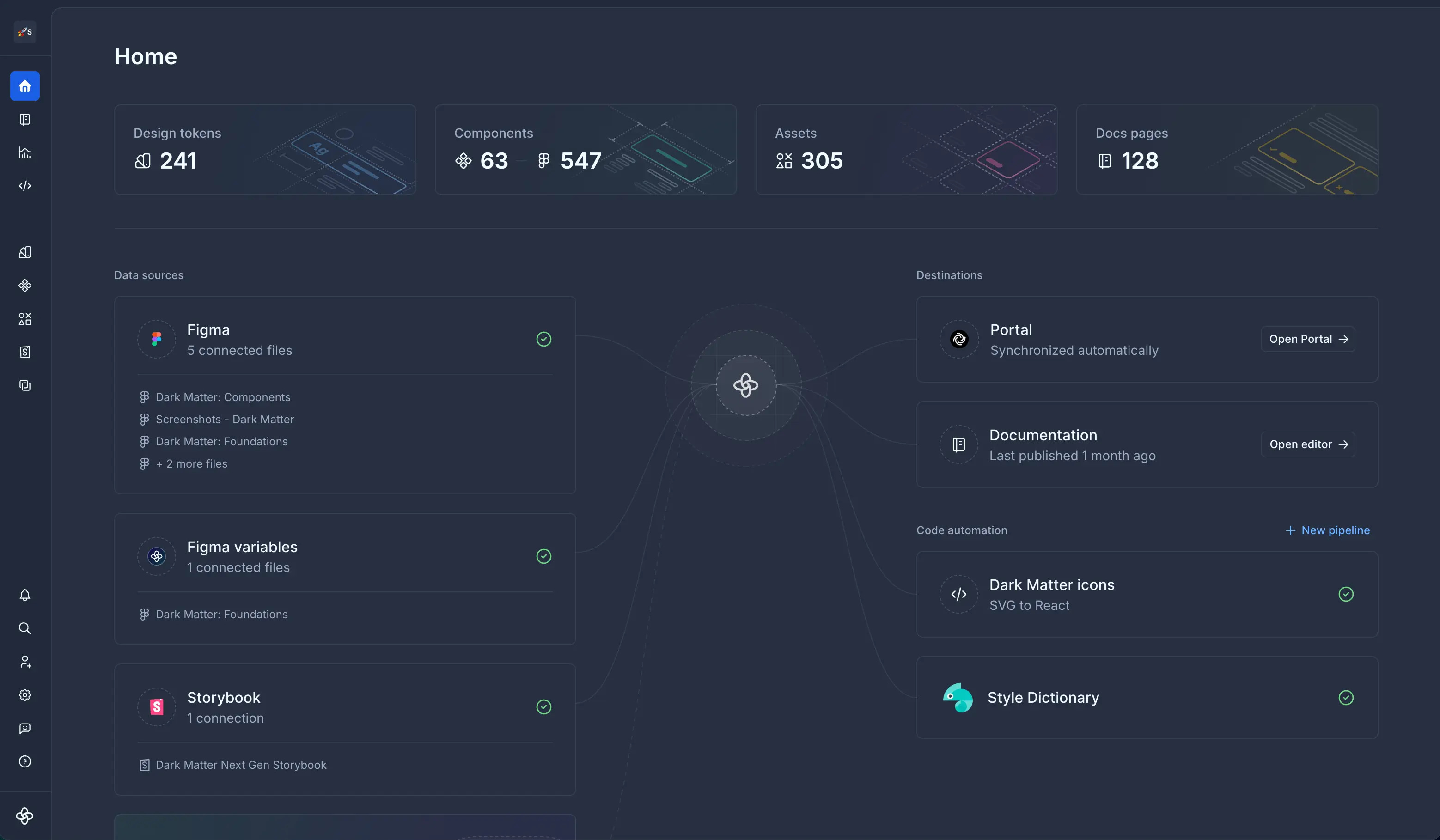
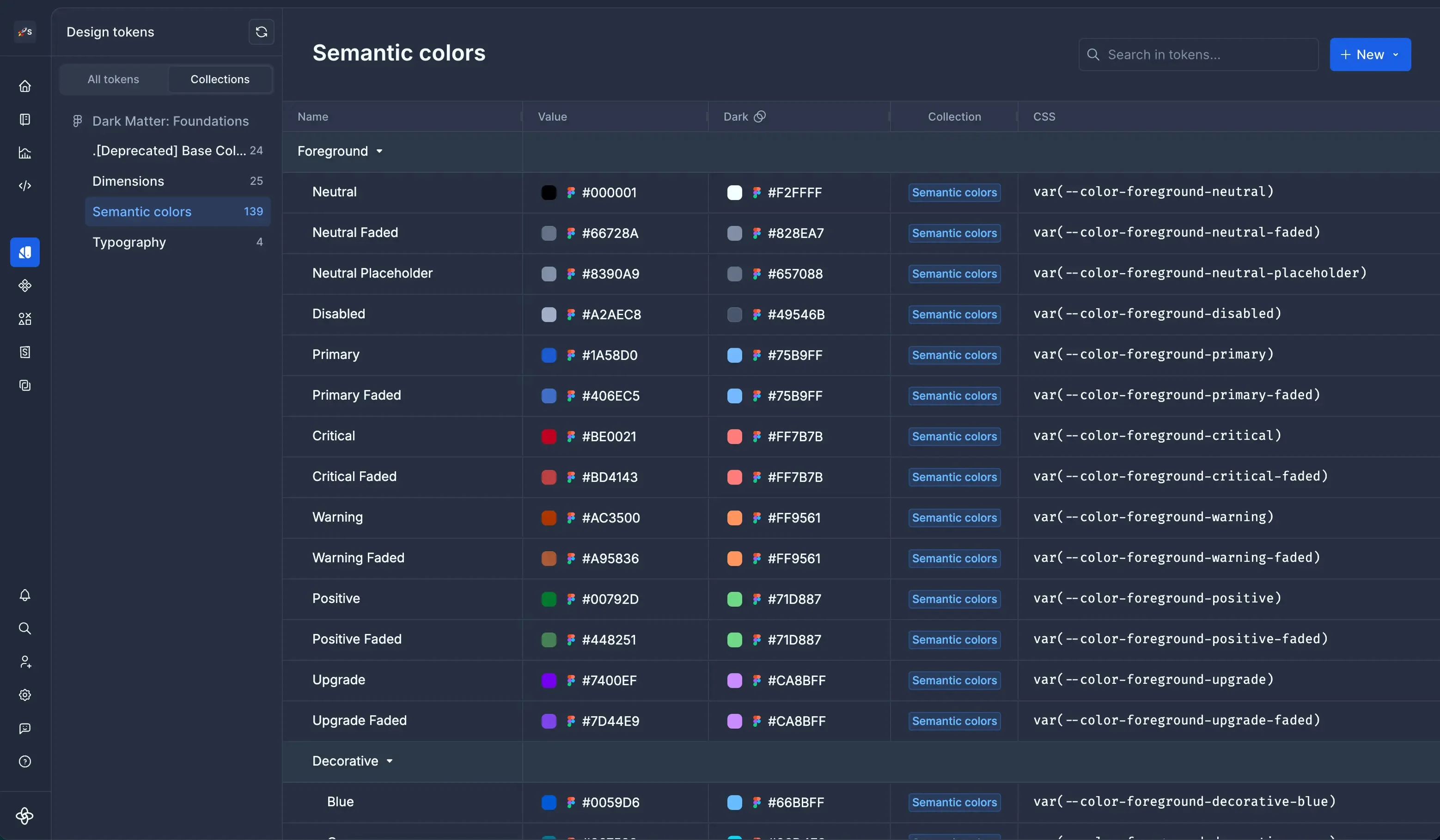
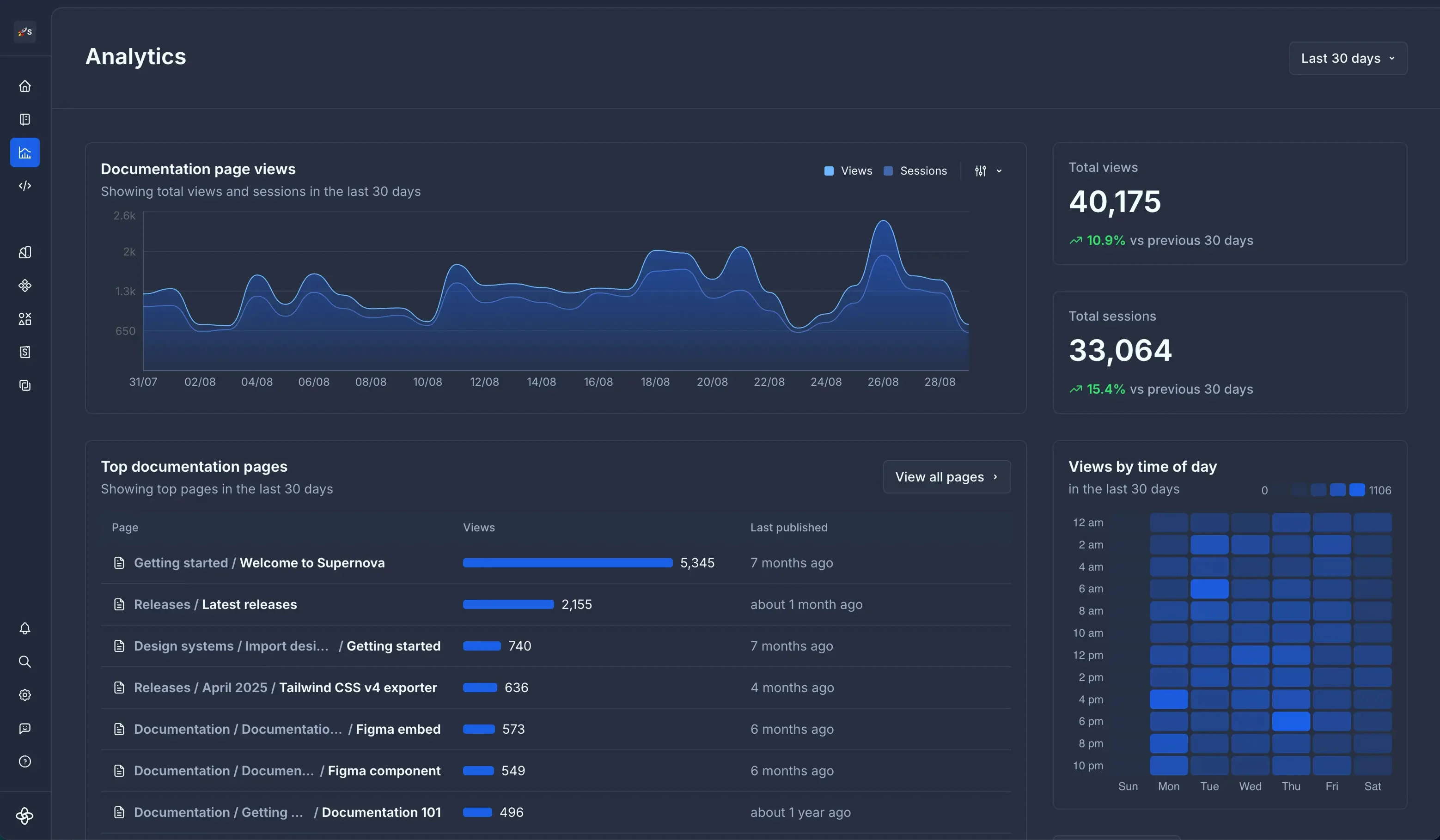
    Screenshot of the home dashboard, which offers a central overview of a design system's health at a glance — token, component, asset, and doc counts alongside live data pipelines connecting Figma, Storybook, and code destinations like Style Dictionary.Screenshot of the documentation editor, with inline commenting, review requests, and version drafts — letting teams document component usage guidelines (do's/don'ts) directly alongside live examples.Screenshot of a full semantic token library with values, dark-mode variants, and ready-to-use CSS variables — keeping design and code perfectly in sync across collections.Screenshot of usage analytics for design system documentation, used for tracking page views, sessions, and engagement trends so teams can see which patterns and guidelines get used most.