Red Hat Gluster Storage is a software-defined storage option; Red Hat acquired Gluster in 2011.
N/A
StorMagic SvSAN
Score7 out of 10
N/A
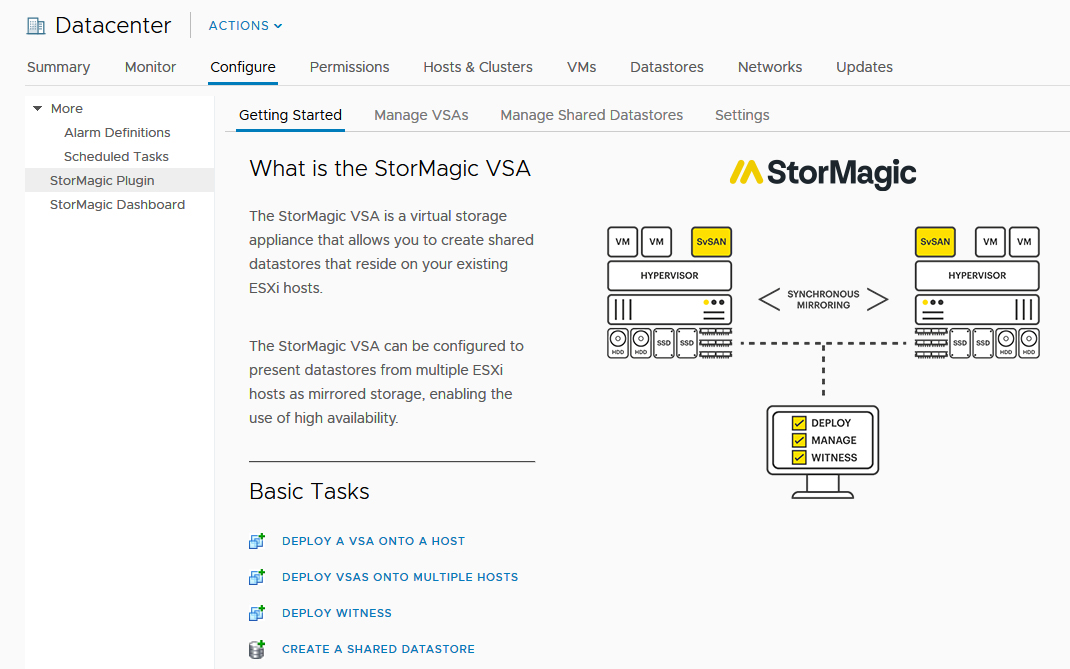
StorMagic SvSAN is simple storage virtualization that eliminates downtime. It provides high availability with two nodes per cluster. Organizations use the solution to keep mission-critical applications and data online and available 24 hours a day, 365 days a year.
GFS is well suited for DEVOPS type environments where organizations prefer to invest in servers and DAS (direct attached storage) versus purchasing storage solutions/appliances. GFS allows organizations to scale their storage capacity at a fraction of the price using DAS HDDs versus committing to purchase licenses and hardware from a dedicated storage manufacturer (e.g. NetApp, Dell/EMC, HP, etc.).
A de minimis incentive was given to thank the reviewer for their time. The incentive was not used to bias or drive a particular response, nor was the incentive contingent on a positive endorsement. More Info
The StorMagic SvSAN solution is certainly suitable for two-node architectures where business continuity is required at a reasonable price, with a workload that is not particularly complex. It is not the right solution if you have a virtual environment with a large number of VMs and workloads that require high performance.
Scales; bricks can be easily added to increase storage capacity
Performs; I/O is spread across multiple spindles (HDDs), thereby increasing read and write performance
Integrates well with RHEL/CentOS 7; if your organization is using RHEL 7, Gluster (GFS) integrates extremely well with that baseline, especially since it's come under the Red Hat portfolio of tools.
A de minimis incentive was given to thank the reviewer for their time. The incentive was not used to bias or drive a particular response, nor was the incentive contingent on a positive endorsement. More Info
Documentation; using readthedocs demonstrates that the Gluster project isn't always kept up-to-date as far as documentation is concerned. Many of the guides are for previous versions of the product and can be cumbersome to follow at times.
Self-healing; our use of GFS required the administrator to trigger an auto-heal operation manually whenever bricks were added/removed from the pool. This would be a great feature to incorporate using autonomous self-healing whenever a brick is added/removed from the pool.
Performance metrics are scarce; our team received feedback that online RDBMS transactions did not perform well on distributed file systems (such as GFS), however this could not be substantiated via any online research or white papers.
A de minimis incentive was given to thank the reviewer for their time. The incentive was not used to bias or drive a particular response, nor was the incentive contingent on a positive endorsement. More Info
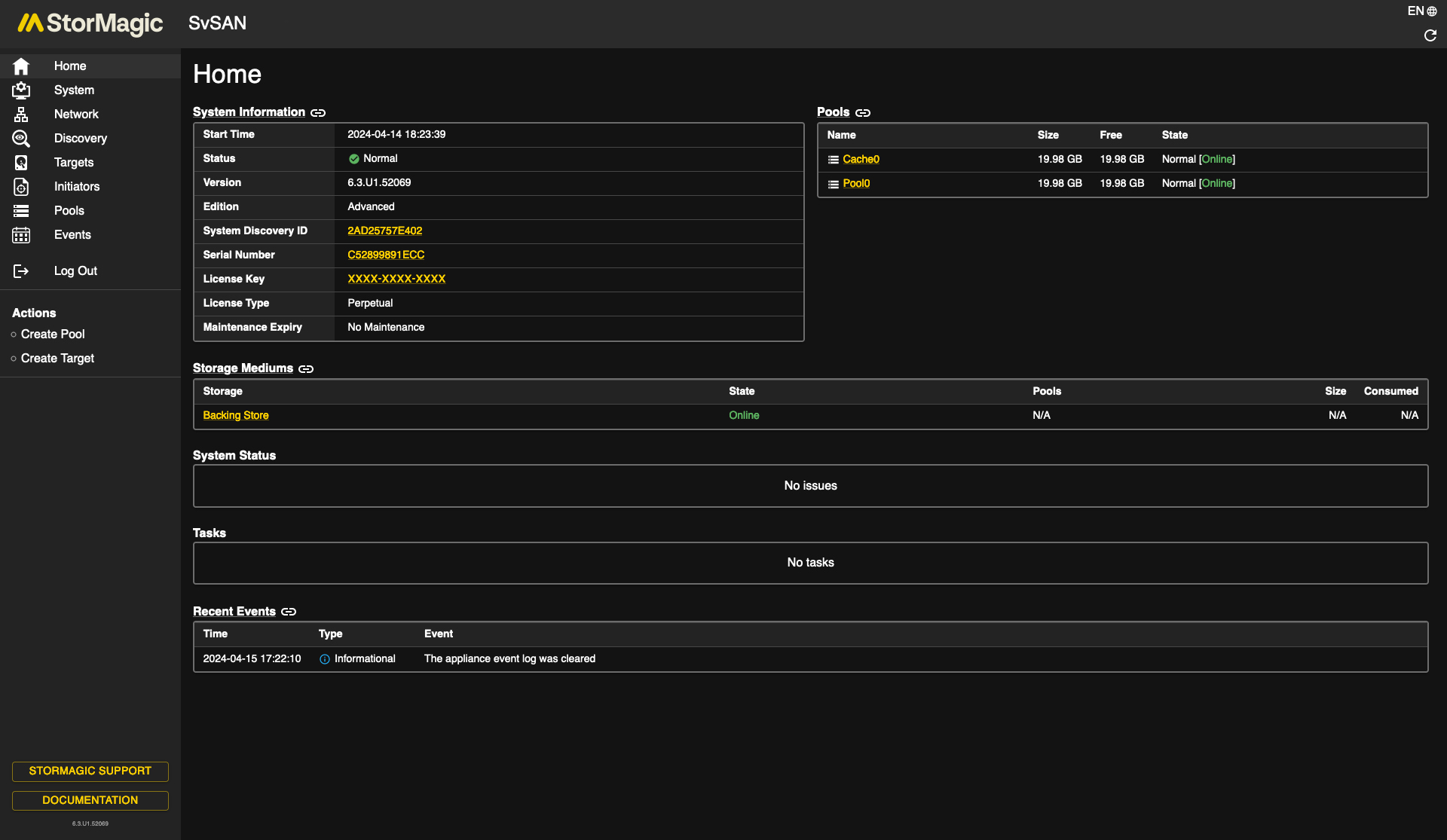
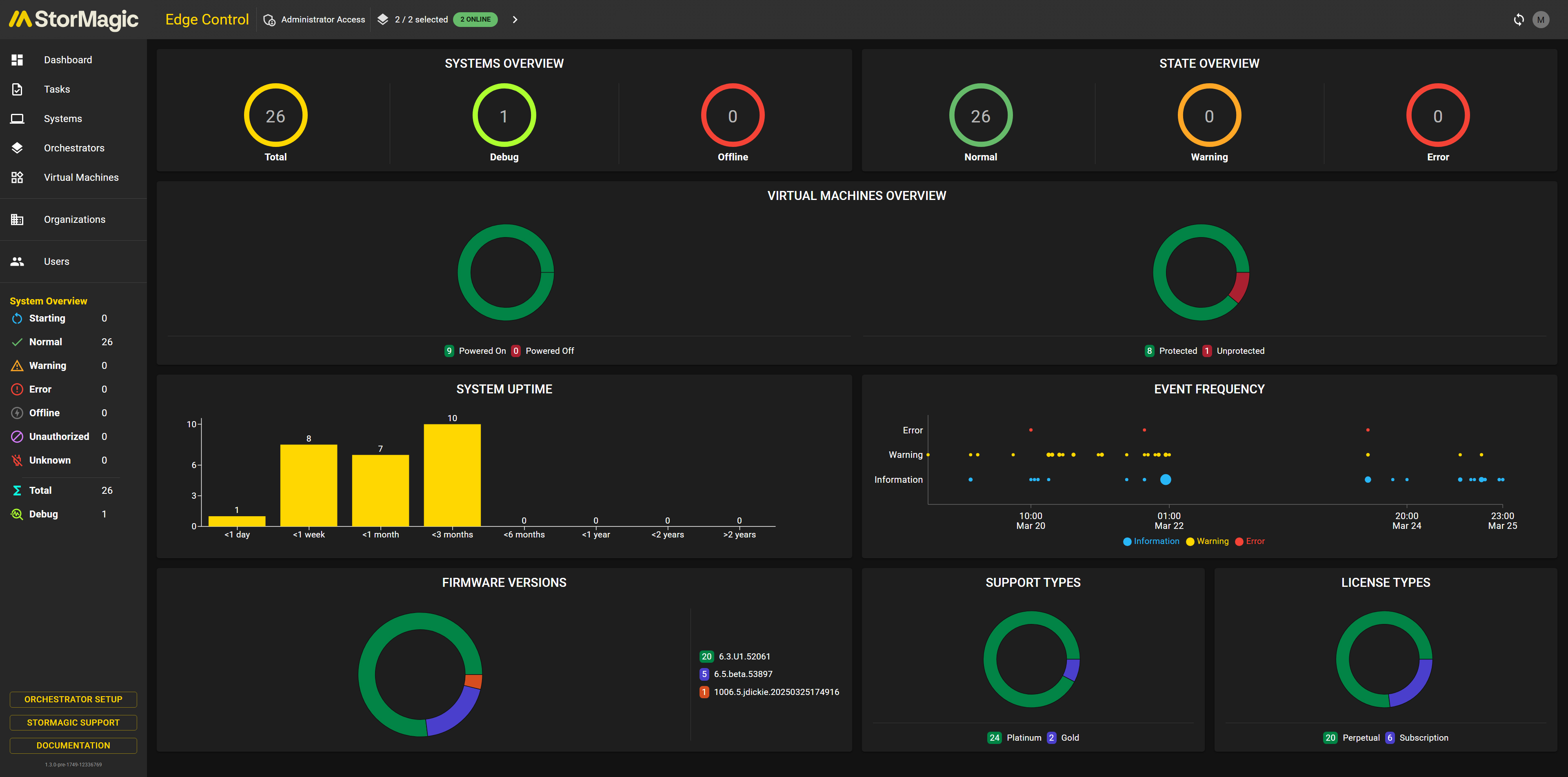
Deploying the solution is fairly simple. A system administrator with basic data centre knowledge can configure the StorMagic SvSAN suite independently by following the guides provided. Troubleshooting is greatly simplified thanks to the features available in the management interface. The dashboard allows you to easily manage the technology thanks to a very intuitive and well-designed interface.
Gluster is a lot lower cost than the storage industry leaders. However, NetApp and Dell/EMC's product documentation is (IMHO) more mature and hardened against usage in operational scenarios and environments. Using Gluster avoids "vendor lock-in" from the perspective on now having to purchase dedicated hardware and licenses to run it. Albeit, should an organization choose to pay for support for Gluster, they would be paying licensing costs to Red Hat instead of NetApp, Dell, EMC, HP, or VMware. It could be assumed, however, that if an organization wanted to use Gluster, that they were already a Linux shop and potentially already paying Red Hat or Canonical (Debian) for product support, thereby the use of GFS would be a nominal cost adder from a maintenance/training perspective.
A de minimis incentive was given to thank the reviewer for their time. The incentive was not used to bias or drive a particular response, nor was the incentive contingent on a positive endorsement. More Info
A de minimis incentive was given to thank the reviewer for their time. The incentive was not used to bias or drive a particular response, nor was the incentive contingent on a positive endorsement. More Info