
1C EV Charging Management Software vs. Vehicle Databases
1C EV Charging Management Software vs. Vehicle Databases
| Product | Rating | Most Used By | Product Summary | Starting Price |
|---|---|---|---|---|
 1C EV Charging Management Software | Small Businesses (1-50 employees) | 1C EV Charging Management Software offers control over EV chargers with features like load balancing, automated payments, and tariff customization. It ensures real-time monitoring, remote firmware updates, and enhanced operational efficiency for CPOs and fleet operators. With OCPI network integration, it maximizes charger visibility across platforms. The interface simplifies charging station management, making it ideal for both personal and commercial use. Backed by support, 1C CMS aims to… | N/A | |
 Vehicle Databases | N/A | Vehicle Databases is an Automotive API provider, offering access to an array of vehicle data. These APIs provide detailed information on vehicle specifications, historical records, and ownership details, catering to the needs of businesses across the automotive industry. Whether to develop applications for car dealerships, insurance companies, fleet management, or vehicle inspection services, these APIs are designed to deliver reliable, accurate, and up-to-date information. By leveraging… | N/A |
| 1C EV Charging Management Software | Vehicle Databases | |||||||||||||||
|---|---|---|---|---|---|---|---|---|---|---|---|---|---|---|---|---|
| Editions & Modules | No answers on this topic | No answers on this topic | ||||||||||||||
| Offerings |
| |||||||||||||||
| Entry-level Setup Fee | No setup fee | No setup fee | ||||||||||||||
| Additional Details | — | — | ||||||||||||||
| More Pricing Information | ||||||||||||||||
| 1C EV Charging Management Software | Vehicle Databases | |
|---|---|---|
| ScreenShots | 1C EV Charging Management Software Screenshots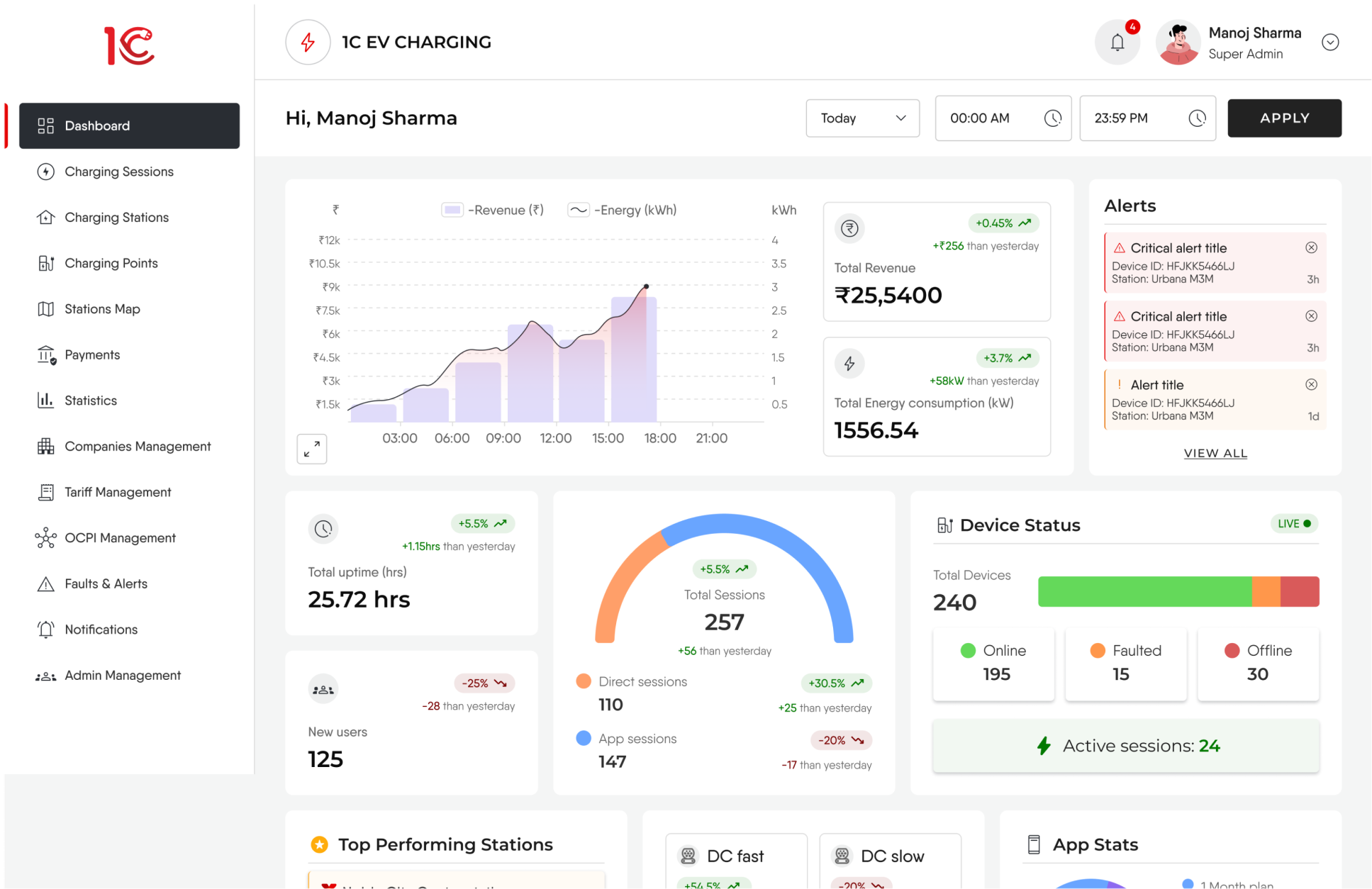 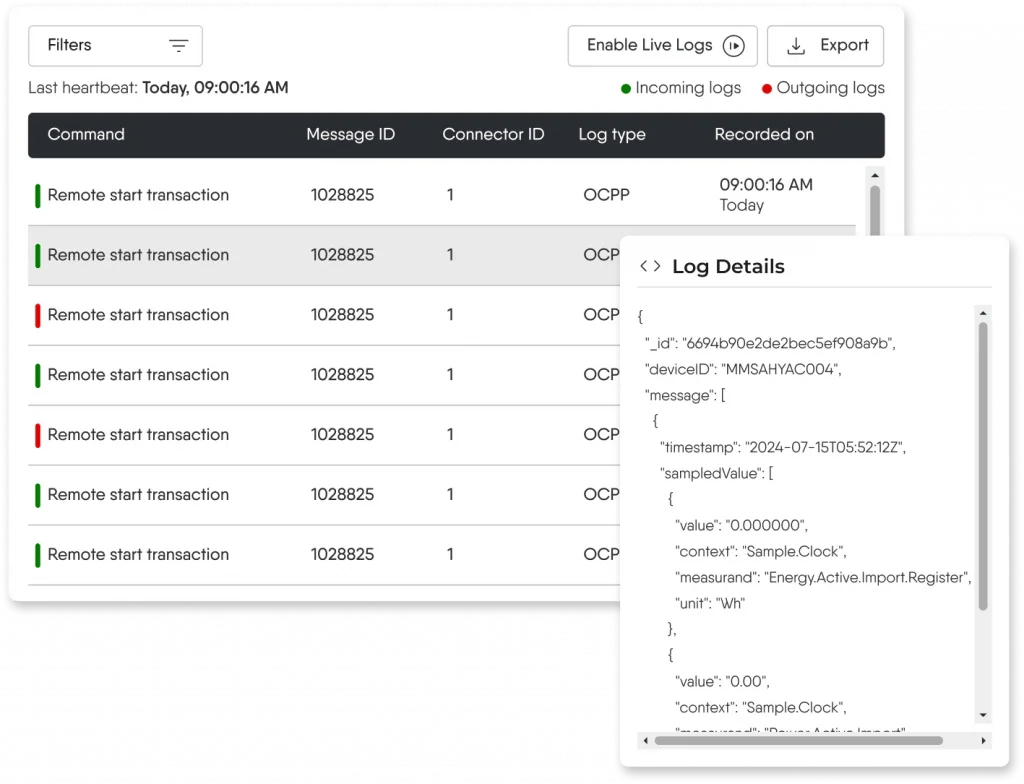 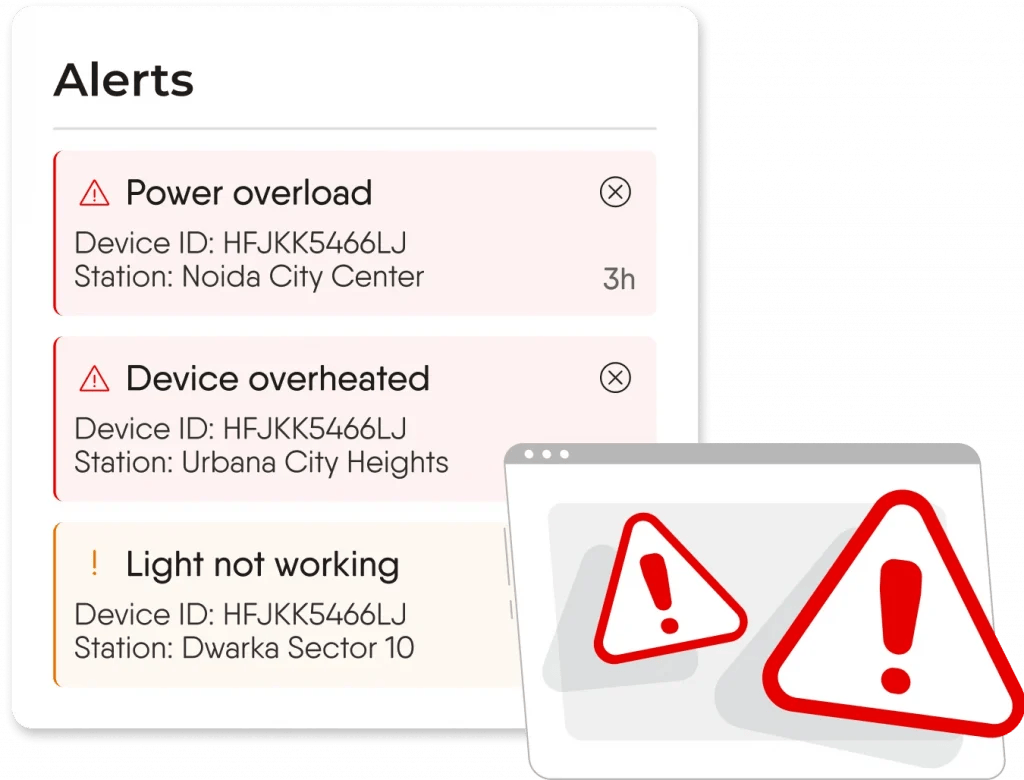 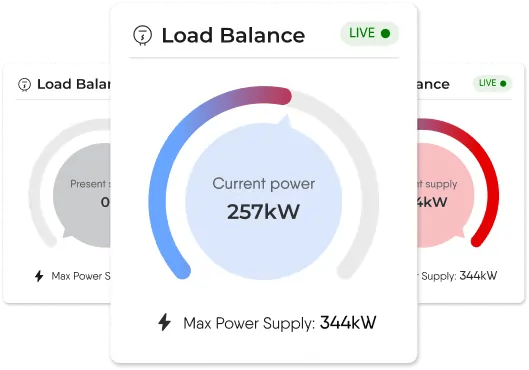 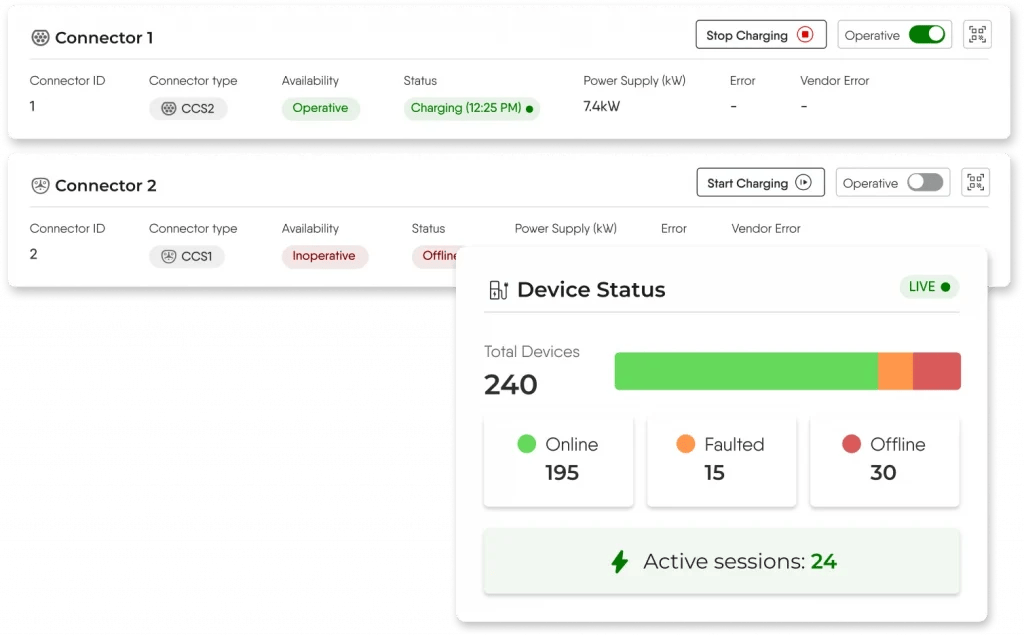 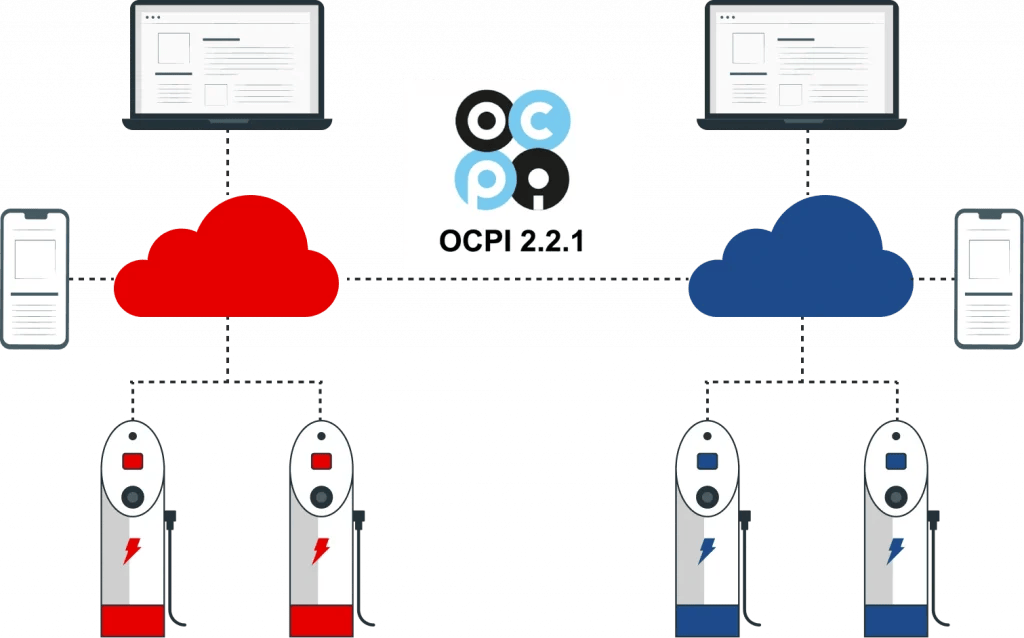 |