
AWS Data Exchange vs. HCL DataConnect vs. MuleSoft Anypoint Platform
AWS Data Exchange vs. HCL DataConnect vs. MuleSoft Anypoint Platform
| Product | Rating | Most Used By | Product Summary | Starting Price |
|---|---|---|---|---|
 AWS Data Exchange | N/A | AWS Data Exchange is an integration for data service, from which subscribers can easily browse the AWS Data Exchange catalog to find relevant and up-to-date commercial data products covering a wide range of industries, including financial services, healthcare, life sciences, geospatial, consumer, media & entertainment, and more. | N/A | |
 HCL DataConnect | Mid-Size Companies (51-1,000 employees) | HCL DataConnect (formerly Actian DataConnect) is a hybrid integration solution that enables users to integrate anything, anywhere, anytime. It can be deployed in on-premise, cloud, and/or hybrid environments and offers quick onboarding. With its emphasis data quality, data reuse, adaptability and self-service integration, DataConnect is designed to support rapid onboarding and deliver the fast time to value. | N/A | |
 Anypoint Platform | N/A | The Anypoint Platform developed by MuleSoft and acquired by Salesforce in early 2018 is designed to connect apps, data, and devices anywhere, on-premises or in the cloud. This platform was built to offer out-of-the-box connectors as well as tools that architects and developers can adopt quickly to design, build and manage the entire lifecycle of their APIs, applications, and products. | N/A |
| AWS Data Exchange | HCL DataConnect | MuleSoft Anypoint Platform | ||||||||||||||||||||||
|---|---|---|---|---|---|---|---|---|---|---|---|---|---|---|---|---|---|---|---|---|---|---|---|---|
| Editions & Modules | No answers on this topic | No answers on this topic | No answers on this topic | |||||||||||||||||||||
| Offerings |
| |||||||||||||||||||||||
| Entry-level Setup Fee | No setup fee | Optional | No setup fee | |||||||||||||||||||||
| Additional Details | — | — | — | |||||||||||||||||||||
| More Pricing Information | ||||||||||||||||||||||||
| AWS Data Exchange | HCL DataConnect | MuleSoft Anypoint Platform |
|---|
| AWS Data Exchange | HCL DataConnect | MuleSoft Anypoint Platform | |||||||||||||||||||||||||||
|---|---|---|---|---|---|---|---|---|---|---|---|---|---|---|---|---|---|---|---|---|---|---|---|---|---|---|---|---|---|
| Data Source Connection |
| ||||||||||||||||||||||||||||
| Data Modeling |
| ||||||||||||||||||||||||||||
| Data Governance |
| ||||||||||||||||||||||||||||
| Data Transformations |
| ||||||||||||||||||||||||||||
| Cloud Data Integration |
|
| AWS Data Exchange | HCL DataConnect | MuleSoft Anypoint Platform | |
|---|---|---|---|
| Small Businesses |  Skyvia Score 10.0 out of 10 | Skyvia Score 10.0 out of 10 |  Make Score 9.3 out of 10 |
| Medium-sized Companies |  IBM InfoSphere Information Server Score 8.0 out of 10 | IBM InfoSphere Information Server Score 8.0 out of 10 | IBM App Connect Score 9.2 out of 10 |
| Enterprises | IBM InfoSphere Information Server Score 8.0 out of 10 | IBM InfoSphere Information Server Score 8.0 out of 10 | IBM App Connect Score 9.2 out of 10 |
| All Alternatives | View all alternatives | View all alternatives | View all alternatives |
| AWS Data Exchange | HCL DataConnect | MuleSoft Anypoint Platform | |
|---|---|---|---|
| Likelihood to Recommend | 1.0 (2 ratings) | 8.9 (2 ratings) | 7.9 (24 ratings) |
| Likelihood to Renew | 1.0 (1 ratings) | - (0 ratings) | 9.0 (1 ratings) |
| Usability | - (0 ratings) | - (0 ratings) | 7.4 (4 ratings) |
| Support Rating | - (0 ratings) | - (0 ratings) | 6.8 (4 ratings) |
| AWS Data Exchange | HCL DataConnect | MuleSoft Anypoint Platform | |
|---|---|---|---|
| Likelihood to Recommend |  Amazon AWS
 Ramindu Deshapriya Lead Consultant - Technology |  HCL Technologies
 David Byrd Sr Integration Engineer - Dual Certified in Dell Boomi Developer 1 & 2, and Actian DataConnect |  Salesforce
|
| Pros | Amazon AWS
Ramindu Deshapriya Lead Consultant - Technology | HCL Technologies
 Justin Duperre Data Management Support Specialist | Salesforce
 Deepak Kushwaha Tech Arch Sr. Analyst |
| Cons | Amazon AWS
Ramindu Deshapriya Lead Consultant - Technology | HCL Technologies
David Byrd Sr Integration Engineer - Dual Certified in Dell Boomi Developer 1 & 2, and Actian DataConnect | Salesforce
|
| Likelihood to Renew | Amazon AWS
 Ike Bennion General Manager of Product-Led Growth | HCL Technologies No answers on this topic | Salesforce No answers on this topic |
| Usability | Amazon AWS No answers on this topic | HCL Technologies No answers on this topic | Salesforce
|
| Support Rating | Amazon AWS No answers on this topic | HCL Technologies No answers on this topic | Salesforce
|
| Alternatives Considered | Amazon AWS No answers on this topic | HCL Technologies
Justin Duperre Data Management Support Specialist | Salesforce
|
| Return on Investment | Amazon AWS
Ramindu Deshapriya Lead Consultant - Technology | HCL Technologies
David Byrd Sr Integration Engineer - Dual Certified in Dell Boomi Developer 1 & 2, and Actian DataConnect | Salesforce
 Nikhil Kohli Service Delivery Lead |
| ScreenShots | HCL DataConnect Screenshots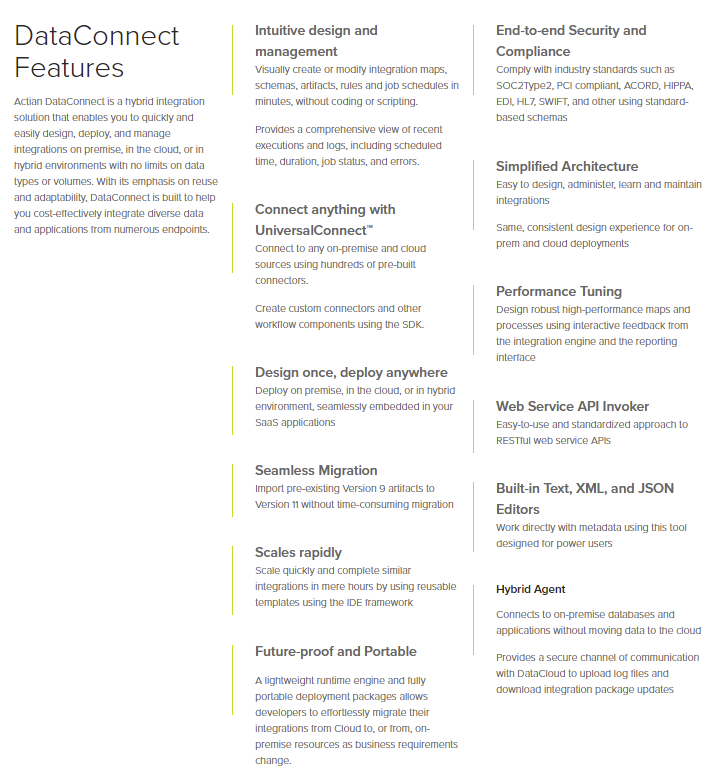     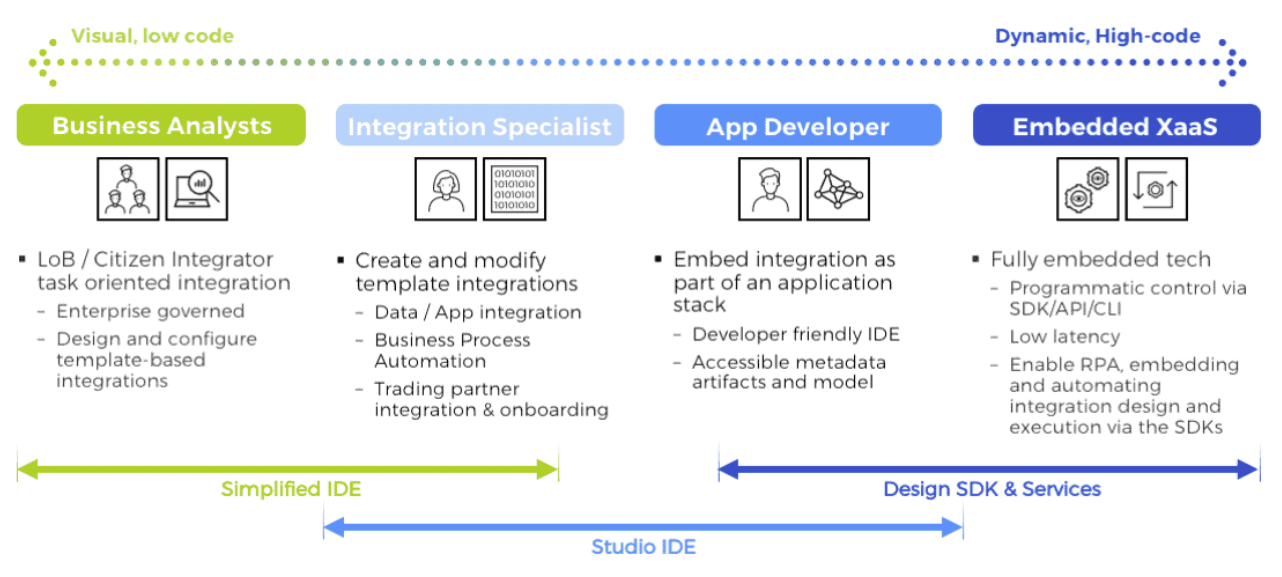 | Anypoint Platform Screenshots 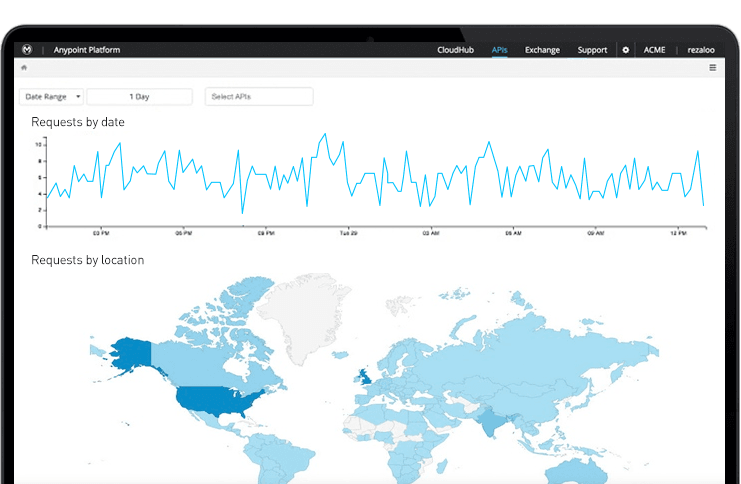 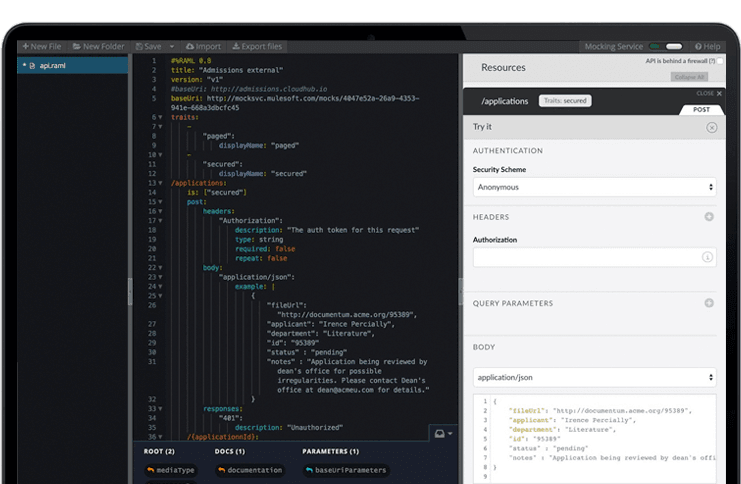 |