Brandquad vs. Pimcore

Overview
ProductRatingMost Used ByProduct SummaryStarting Price
Brandquad
Score 0.0 out of 10
N/A
Brandquad is a comprehensive Product Experience Management platform (PXM) that gives brands the possibility to optimize Customer Experience and grow Online Revenue.N/A
Pimcore
Score 8.5 out of 10
Mid-Size Companies (51-1,000 employees)
Pimcore is an open-core Product Experience Management (PXM) platform designed for enterprise organizations that require consolidation of product data, digital assets, and customer experience delivery within a unified infrastructure. Founded in 2013 and headquartered in Salzburg, Austria, the platform serves as a centralized ecosystem for managing multi-channel data operations. Pimcore solutions at a glance A consolidated platform built around six integrated solution…
$0
Pricing
BrandquadPimcore
Editions & Modules
No answers on this topic
Community Edition
$0
Professional Edition
9,900
per year per installation
Enterprise Edition
29,900
per year per installation
PaaS Edition
From 39,900
per year per installation
Offerings
Pricing Offerings
BrandquadPimcore
Free Trial
NoYes
Free/Freemium Version
NoYes
Premium Consulting/Integration Services
NoYes
Entry-level Setup FeeNo setup feeRequired
Additional Details
More Pricing Information
Community Pulse
BrandquadPimcore
User Ratings
BrandquadPimcore
Likelihood to Recommend
-
(0 ratings)
9.7
(3 ratings)
User Testimonials
BrandquadPimcore
Likelihood to Recommend
Brandquad
No answers on this topic
Pimcore
Pimcore is especially suitable for an organization that has a complex data model and processes that cannot be met easily with out of the box systems. It is especially helpful where data is lying in multiple legacy systems and needs complex integrations with these systems. It may not be the best choice for someone looking for and out of the box system with predefined features.
Read full review
Pros
Brandquad
No answers on this topic
Pimcore
  • PIM - Production Information Management
  • CX - Customer Experience and Customer Data Platform
  • MDM - Master Data Management
  • DAM - Digital Asset Management
  • CMS - Content Management System
  • Digital Commerce
Read full review
Cons
Brandquad
No answers on this topic
Pimcore
  • Can have a better UI.
  • The data delivery channel sometimes breaks.
  • Analytics and reporting could be improved.
Read full review
Alternatives Considered
Brandquad
No answers on this topic
Pimcore
PIMCore is Digital Platform making it single source of truth for many upstream and downstream system. Akeneo is just PIM and its doing PIM job properly but PimCore is much more than this. AEM is too costly and can't be affordable for many small and mid size companies
Read full review
Return on Investment
Brandquad
No answers on this topic
Pimcore
  • With the customers we have worked with, Pimcore has quite a positive impact on ROI.
  • Pimcore systems have helped customers not only integrate their data but also improved data quality, greatly reduced their time to market and turn around time.
Read full review
ScreenShots

Pimcore Screenshots

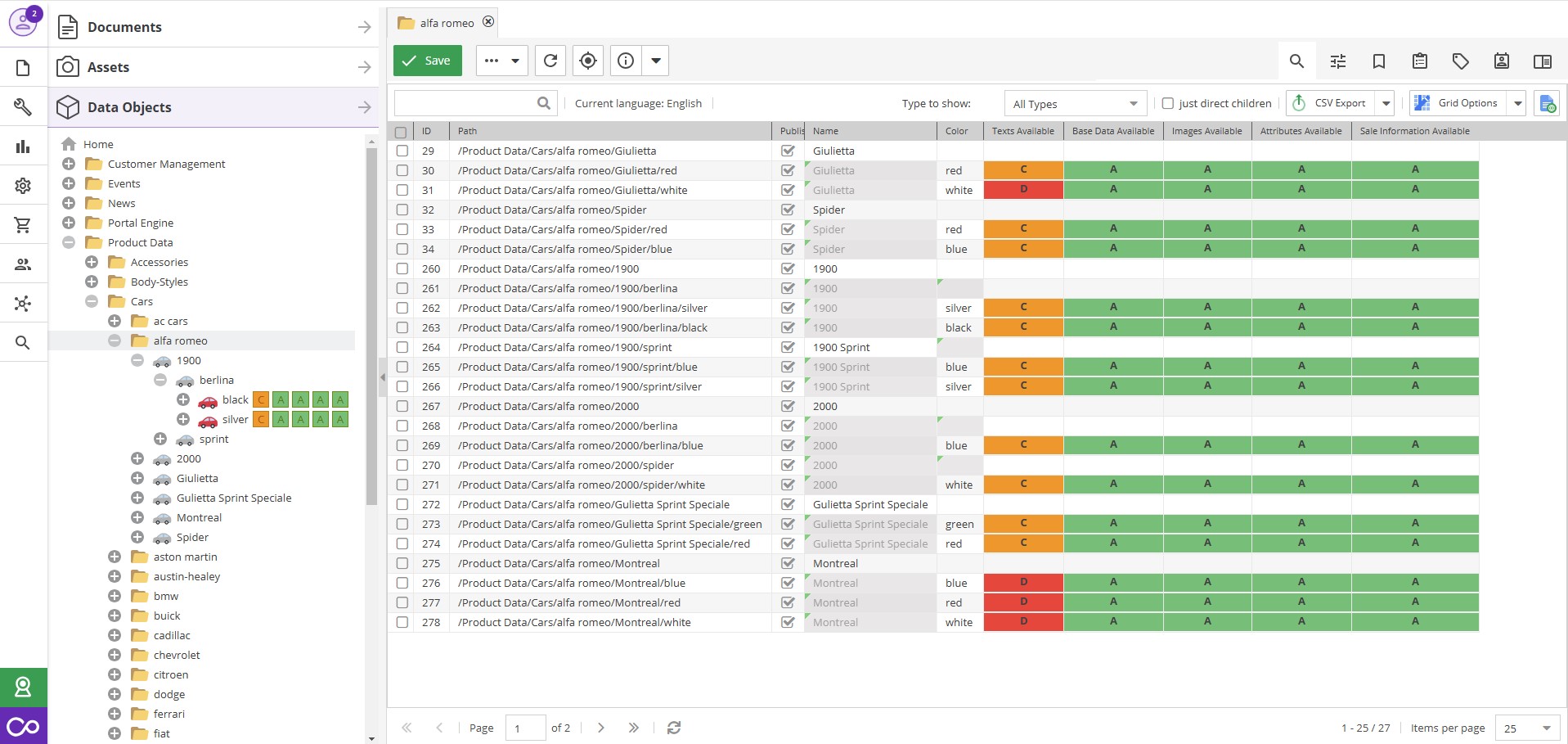
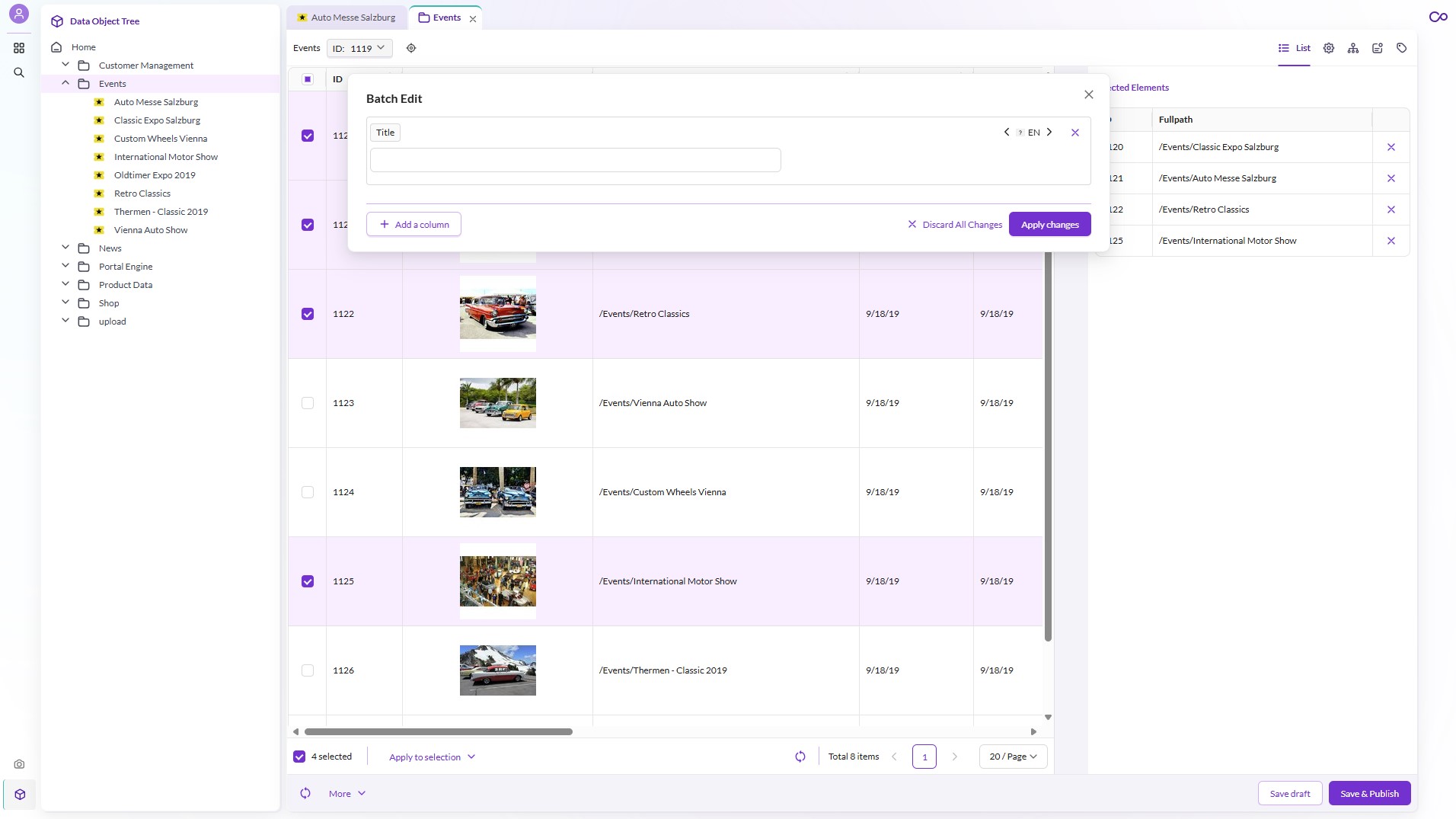
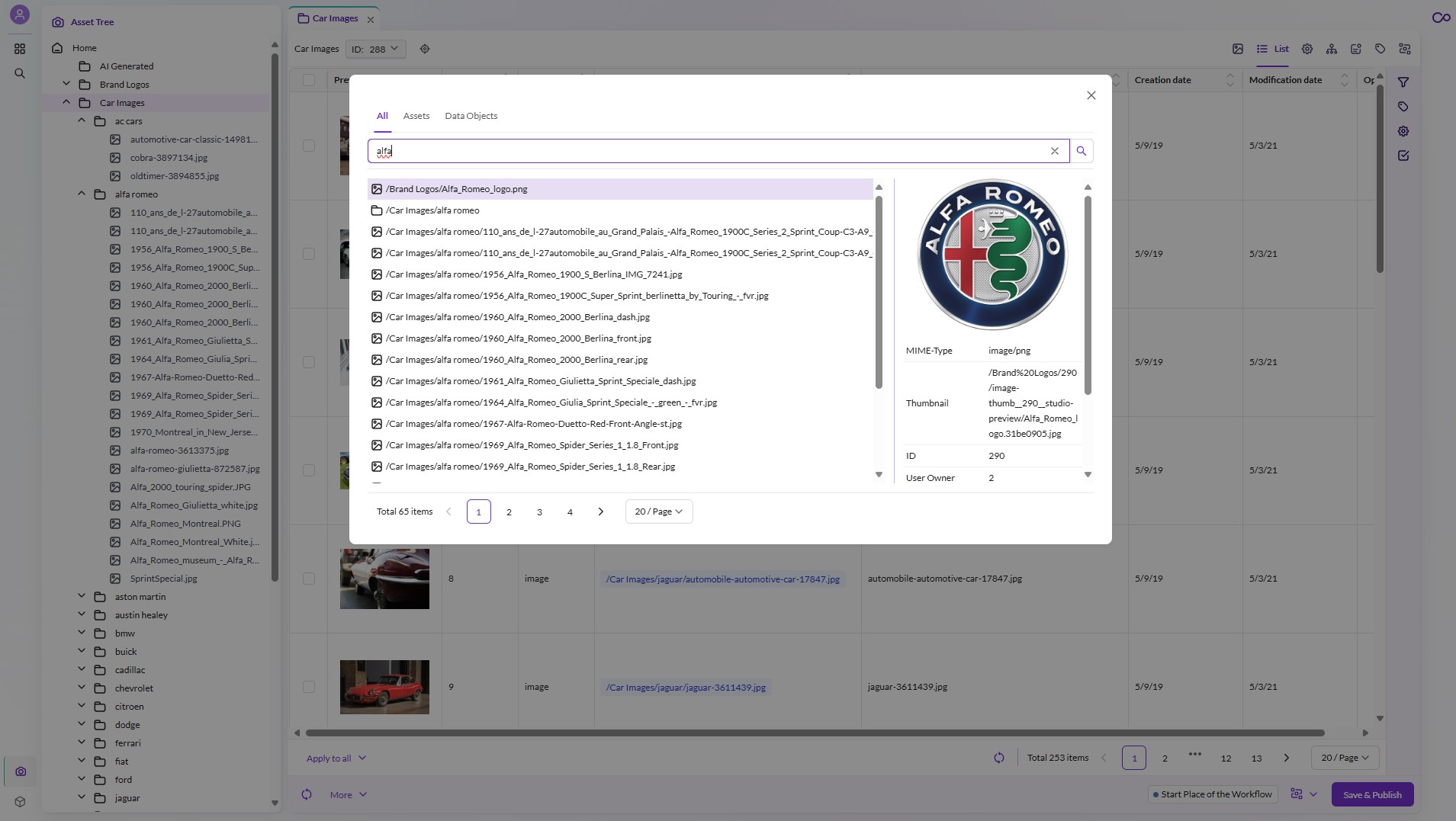
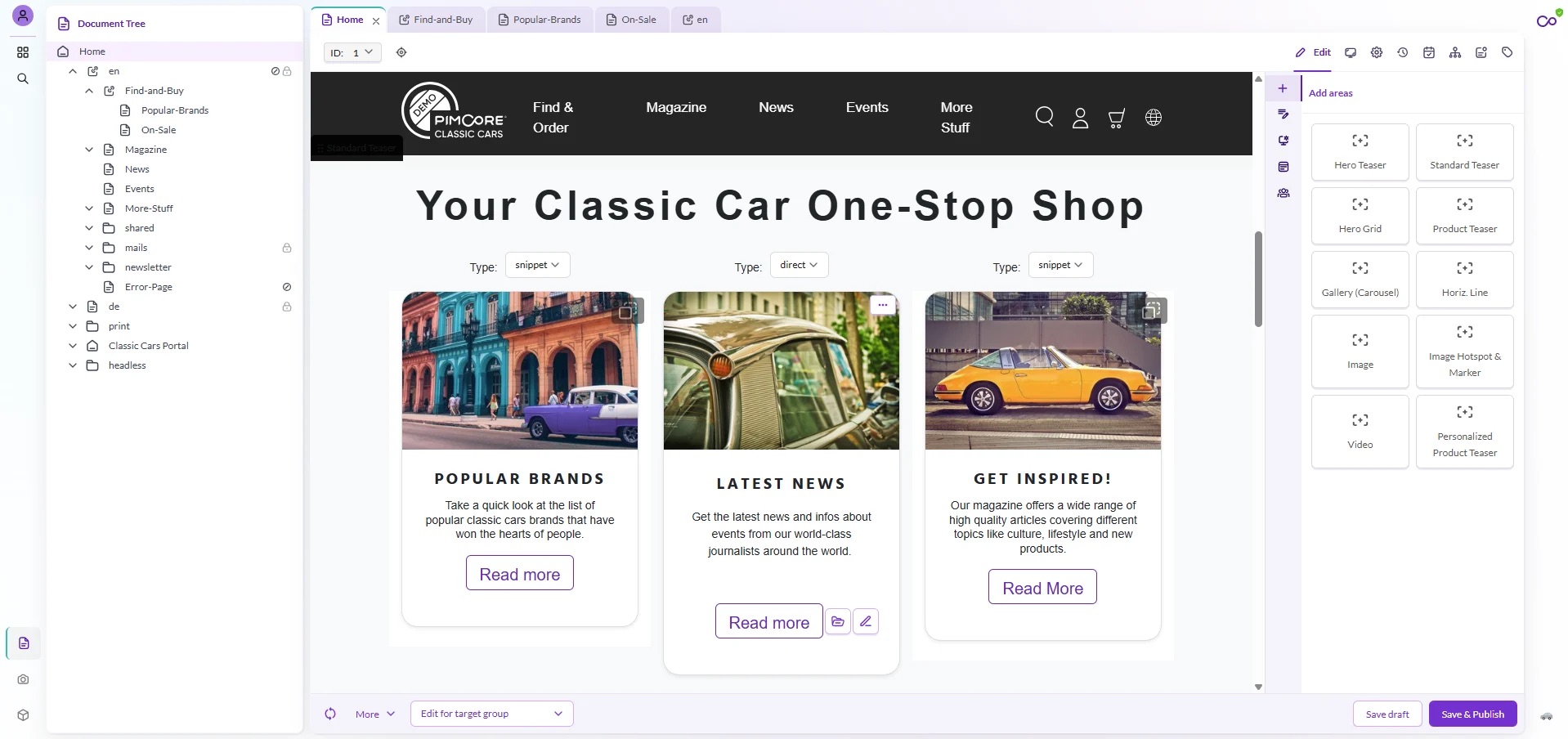
Screenshot of Pimcore offers integrated Digital Asset Management (DAM) functionality to centrally manage all types of digital assets like images, videos, documents, and graphics. Users can enrich these assets with custom metadata and categorize them using flexible tagging. This tagging system enhances searchability and organization across all connected content. Metadata structures can be tailored to meet business-specific requirements, enabling precise control and contextual enrichment of assets throughout their lifecycle.Screenshot of Pimcore PIM offers flexible product data modeling that supports complex and scalable data structures tailored to any business need. Its graphical data modeling interface enables the creation of custom classes, attributes, and entity relationships without coding. Pimcore supports data inheritance, allowing child products to automatically inherit attributes from parent items, reducing redundancy. With data perspectives, users can define role-specific views for streamlined editing. Strong data relation capabilities further enrich product information by linking related entities like accessories or manuals, ensuring consistency, efficiency, and reusability across all channels.Screenshot of Pimcore supports data quality management through configurable validation rules, completeness checks, and structured data models. Businesses can define mandatory fields, set formatting or value constraints, and apply rule-based validations across data types. Dashboards and custom widgets highlight data quality metrics in real time. These capabilities ensure consistent, accurate, and reliable data, reduce errors in downstream systems, and support compliance with internal and external data standards.Screenshot of Pimcore’s batch editing functionality for assets empowers users to manage and update multiple digital files simultaneously. This feature streamlines administrative tasks by enabling the mass assignment of metadata, tags, or classifications across selected assets in just a few clicks. It reduces manual workload and ensures consistency in data quality, which is vital for large enterprises managing thousands of media files. For users, it enhances productivity and accelerates time-to-market by minimizing repetitive actions and improving operational workflows.Screenshot of Pimcore offers search and filtering capabilities across all content types - assets, data objects, and documents. Users can perform full-text searches, apply advanced filters, and configure faceted navigation to quickly locate relevant data. The system supports attribute-based filtering, role-specific search masks, and customizable grid views. These tools enhance user efficiency, reduce time spent on manual browsing, and ensure data accessibility and precision in high-volume environments.Screenshot of Pimcore’s Digital Experience Platform (DXP), which integrates content management and personalization to deliver tailored digital experiences across channels. It enables real-time content and product personalization based on user behavior, segmentation, or contextual data. With built-in tools for targeting, rule-based personalization, and multichannel publishing, businesses can serve dynamic content and product views adapted to individual preferences. This leads to increased engagement, improved conversion rates, and a consistent brand experience across all digital touchpoints.