CloudBees Continuous Delivery vs. Red Hat Ansible Automation Platform

Overview
ProductRatingMost Used ByProduct SummaryStarting Price
CloudBees Continuous Delivery
Score 10.0 out of 10
N/A
CloudBees Continuous Delivery (formerly CloudBees Flow) is a DevOps solution that gives IT teams release orchestration, deployment automation, and pipeline and environment management in a unified platform. A release orchestration software, CloudBees CD is designed to help by taking the manual effort and risk out of delivering this software by making the process reliable, repeatable, and secure at any…N/A
Ansible
Score 9.0 out of 10
N/A
The Red Hat Ansible Automation Platform (acquired by Red Hat in 2015) is a foundation for building and operating automation across an organization. The platform includes tools needed to implement enterprise-wide automation, and can automate resource provisioning, and IT environments and configuration of systems and devices. It can be used in a CI/CD process to provision the target environment and to then deploy the application on it.
$5,000
per year
Pricing
CloudBees Continuous DeliveryRed Hat Ansible Automation Platform
Editions & Modules
No answers on this topic
Basic Tower
5,000
per year
Enterprise Tower
10,000
per year
Premium Tower
14,000
per year
Offerings
Pricing Offerings
CloudBees Continuous DeliveryAnsible
Free Trial
NoNo
Free/Freemium Version
NoNo
Premium Consulting/Integration Services
YesNo
Entry-level Setup FeeRequiredNo setup fee
Additional Details
More Pricing Information
Community Pulse
CloudBees Continuous DeliveryRed Hat Ansible Automation Platform
Features
CloudBees Continuous DeliveryRed Hat Ansible Automation Platform
Configuration Management
Comparison of Configuration Management features of Product A and Product B
CloudBees Continuous Delivery
-
Ratings
Red Hat Ansible Automation Platform
8.1
214 Ratings
1% above category average
Infrastructure Automation00 Ratings8.8204 Ratings
Automated Provisioning00 Ratings8.2204 Ratings
Parallel Execution00 Ratings8.5191 Ratings
Node Management00 Ratings8.3181 Ratings
Reporting & Logging00 Ratings7.3199 Ratings
Version Control00 Ratings7.3182 Ratings
Best Alternatives
CloudBees Continuous DeliveryRed Hat Ansible Automation Platform
Small Businesses
Polarion ALM
Polarion ALM
Score 9.9 out of 10
HashiCorp Vagrant
HashiCorp Vagrant
Score 10.0 out of 10
Medium-sized Companies
Polarion ALM
Polarion ALM
Score 9.9 out of 10
Automox
Automox
Score 8.9 out of 10
Enterprises
Polarion ALM
Polarion ALM
Score 9.9 out of 10
Automox
Automox
Score 8.9 out of 10
All AlternativesView all alternativesView all alternatives
User Ratings
CloudBees Continuous DeliveryRed Hat Ansible Automation Platform
Likelihood to Recommend
-
(0 ratings)
9.3
(169 ratings)
Likelihood to Renew
-
(0 ratings)
9.9
(5 ratings)
Usability
-
(0 ratings)
8.2
(57 ratings)
Performance
-
(0 ratings)
8.7
(5 ratings)
Support Rating
-
(0 ratings)
8.0
(5 ratings)
Implementation Rating
-
(0 ratings)
8.0
(2 ratings)
Ease of integration
-
(0 ratings)
8.6
(5 ratings)
User Testimonials
CloudBees Continuous DeliveryRed Hat Ansible Automation Platform
Likelihood to Recommend
CloudBees
No answers on this topic
Red Hat
I think it's the best defacto orchestrator for automation because it's so easy to integrate in other tools to it (dynatrace, cyberark, terraform, etc). It is a lot for a new or smaller team to use so I wouldn't recommend it to a new team using Ansible, in that case using Ansible navigator is a better start to understanding playbooks/inventories before diving into the complexity of Red Hat Ansible Automation Platform. EDA also takes a lot of connectivity between Red Hat Ansible Automation Platform and target systems to get working which can be difficult in very locked down envs unless you have approval from many other teams like networking and security.
Read full review
Pros
CloudBees
No answers on this topic
Red Hat
  • Standardize controls and visibility for automation.
  • Provide RBAC and Vault for improved automation security and support.
  • Job Scheduling is much more effective than Cron or other home-grown solutions.
  • The Red Hat Ansible Automation Platform API is one of the best features as it makes automation accessible from any other platform.
Read full review
Cons
CloudBees
No answers on this topic
Red Hat
  • Ansible is still not truly declarative like Terraform.
  • Simple automation is fine, but creating complex, scalable automation scripts is very difficult to learn.
  • For a higher number of nodes, Ansible consumes a lot of resources. It needs the paid version of AAP, which requires a cost.
Read full review
Likelihood to Renew
CloudBees
No answers on this topic
Red Hat
We are extremely happy with the use of AAP. It's better than expected, There is almost no limit when thinking of automation. The only problem is that the day to day is consuming a big part of our time. Patching and checking vulnerabilities are virtually killing us. But we can only improve with AAP.
Read full review
Usability
CloudBees
No answers on this topic
Red Hat
Everything has room for improvement, but Ansible is the best tool out there for what it does and what it can do. There are plenty of features and capabilities that can be added, but it's just a matter of time before it happens.
Read full review
Performance
CloudBees
No answers on this topic
Red Hat
Great in almost every way compared to any other configuration management software. The only thing I wish for is python3 support. Other than that, YAML is much improved compared to the Ruby of Chef. The agentless nature is incredibly convenient for managing systems quickly, and if a member of your term has no terminal experience whatsoever they can still use the UI.
Read full review
Support Rating
CloudBees
No answers on this topic
Red Hat
There is a lot of good documentation that Ansible and Red Hat provide which should help get someone started with making Ansible useful. But once you get to more complicated scenarios, you will benefit from learning from others. I have not used Red Hat support for work with Ansible, but many of the online resources are helpful.
Read full review
Implementation Rating
CloudBees
No answers on this topic
Red Hat
I spoke on this topic today!
Read full review
Alternatives Considered
CloudBees
No answers on this topic
Red Hat
We have selected the above-mentioned product because it is budget-friendly compared to the others, and managing the complete non-Windows infrastructure is easier with this product. continues compliance enforcement and keeping vulnerabilities up to date in a larger-scale environment, getting easier. Dashboard and Graphis provide the Administrator with complete visibility, including an interactive dashboard.
Read full review
Return on Investment
CloudBees
No answers on this topic
Red Hat
  • First, it keeps our entire server infrastructure aligned with our standards and reduces the time and effort needed to maintain our systems.
  • Automate routine IT tasks to save time, reduce errors, and ensure every server is configured and updated consistently.
  • Tasks that used to take our teams weeks to complete manually now run automatically and reliably, with full visibility, making our infrastructure management more effective and our compliance tracking much easier.
Read full review
ScreenShots

CloudBees Continuous Delivery Screenshots
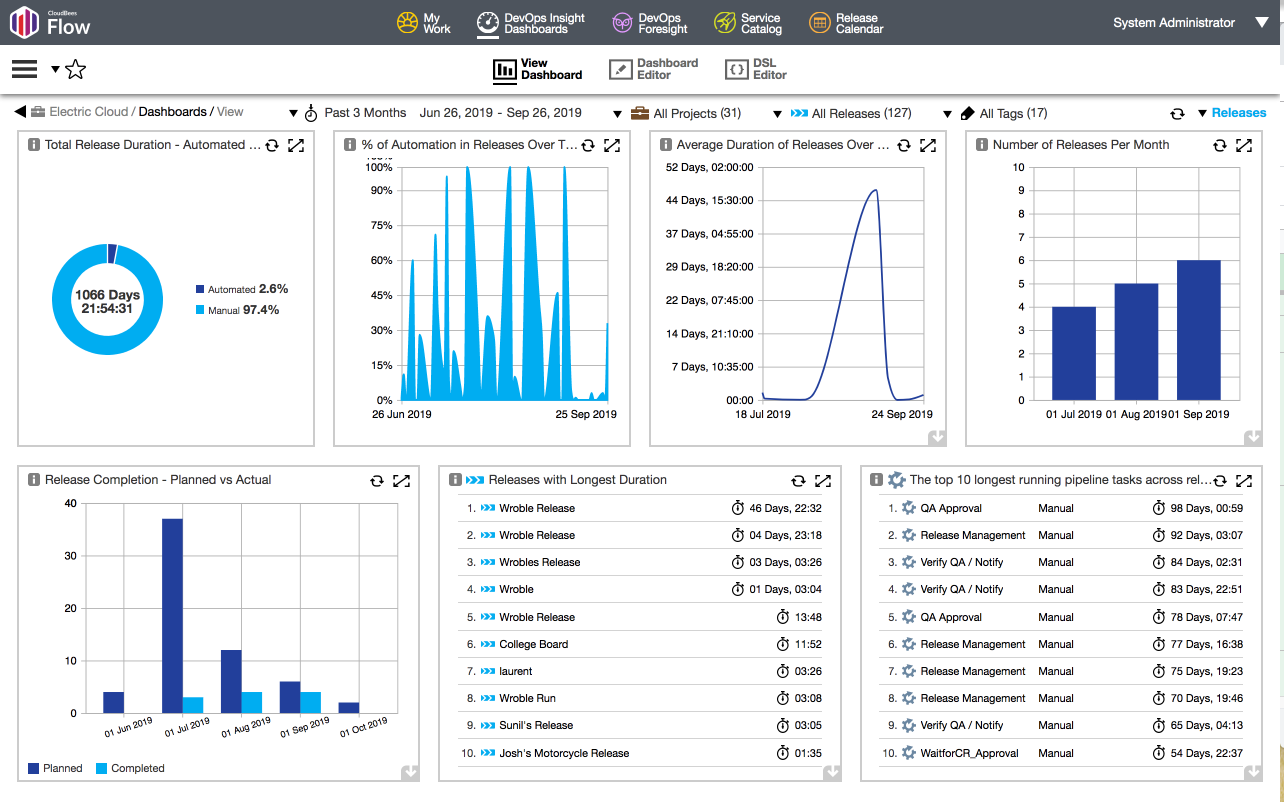
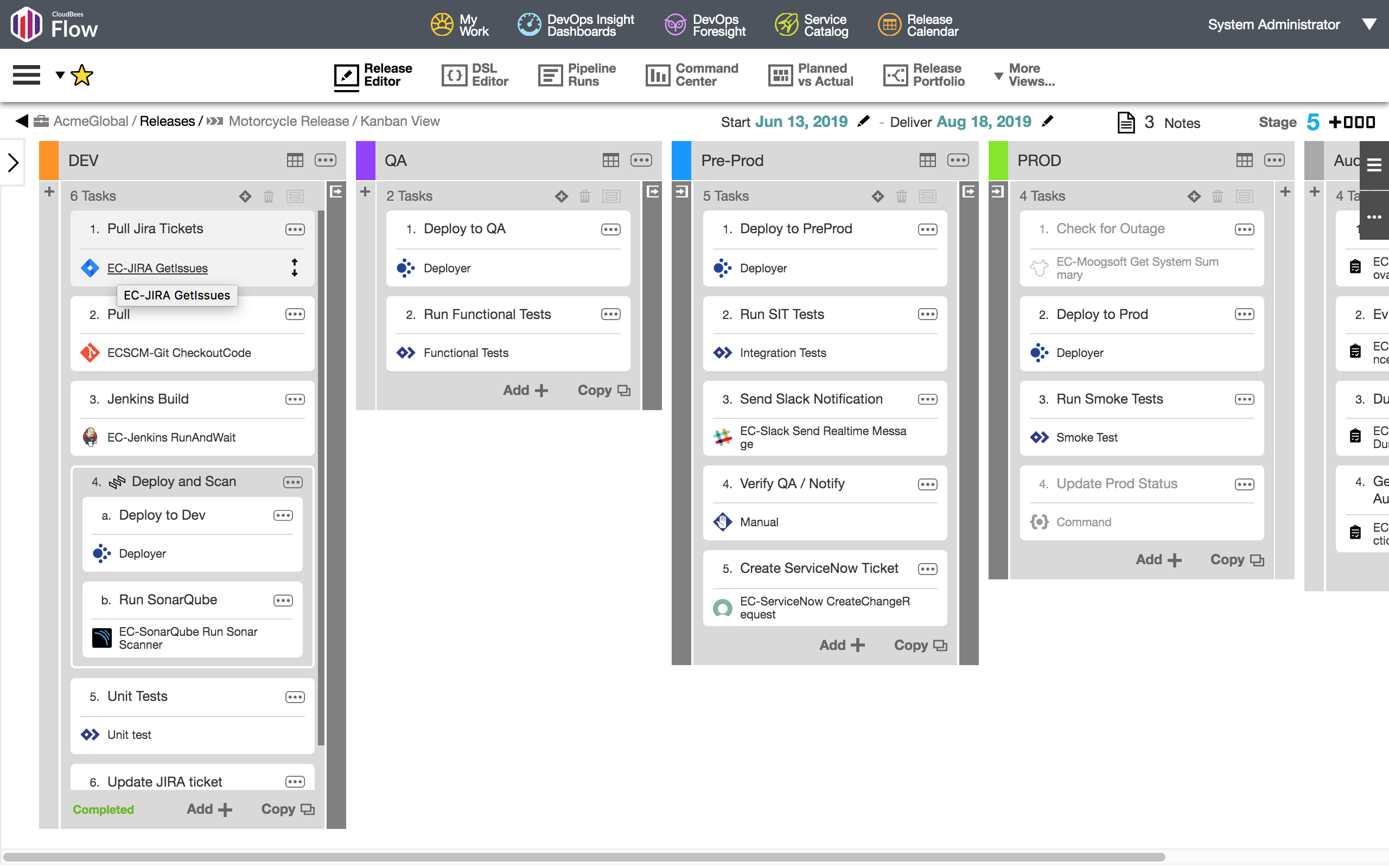
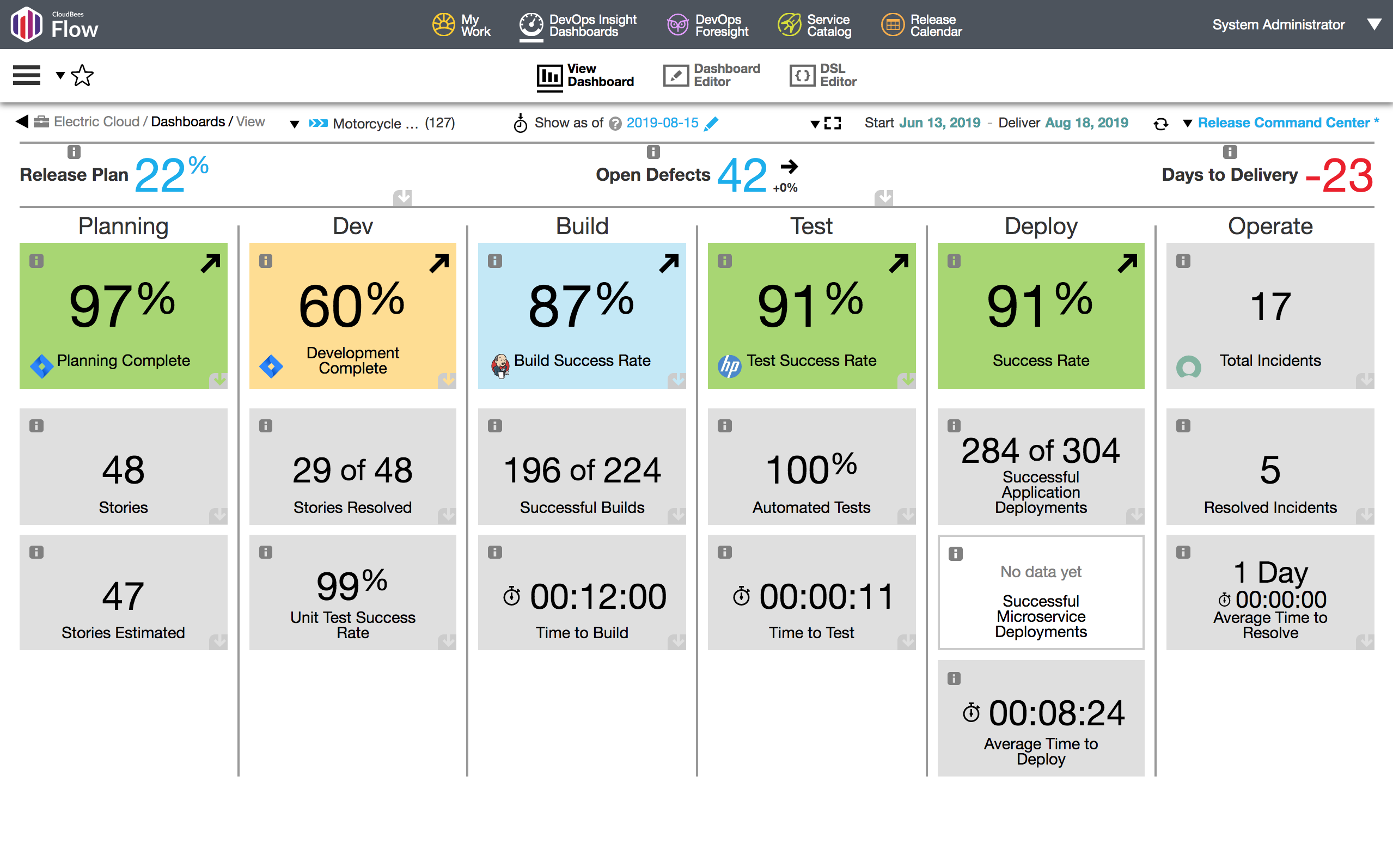
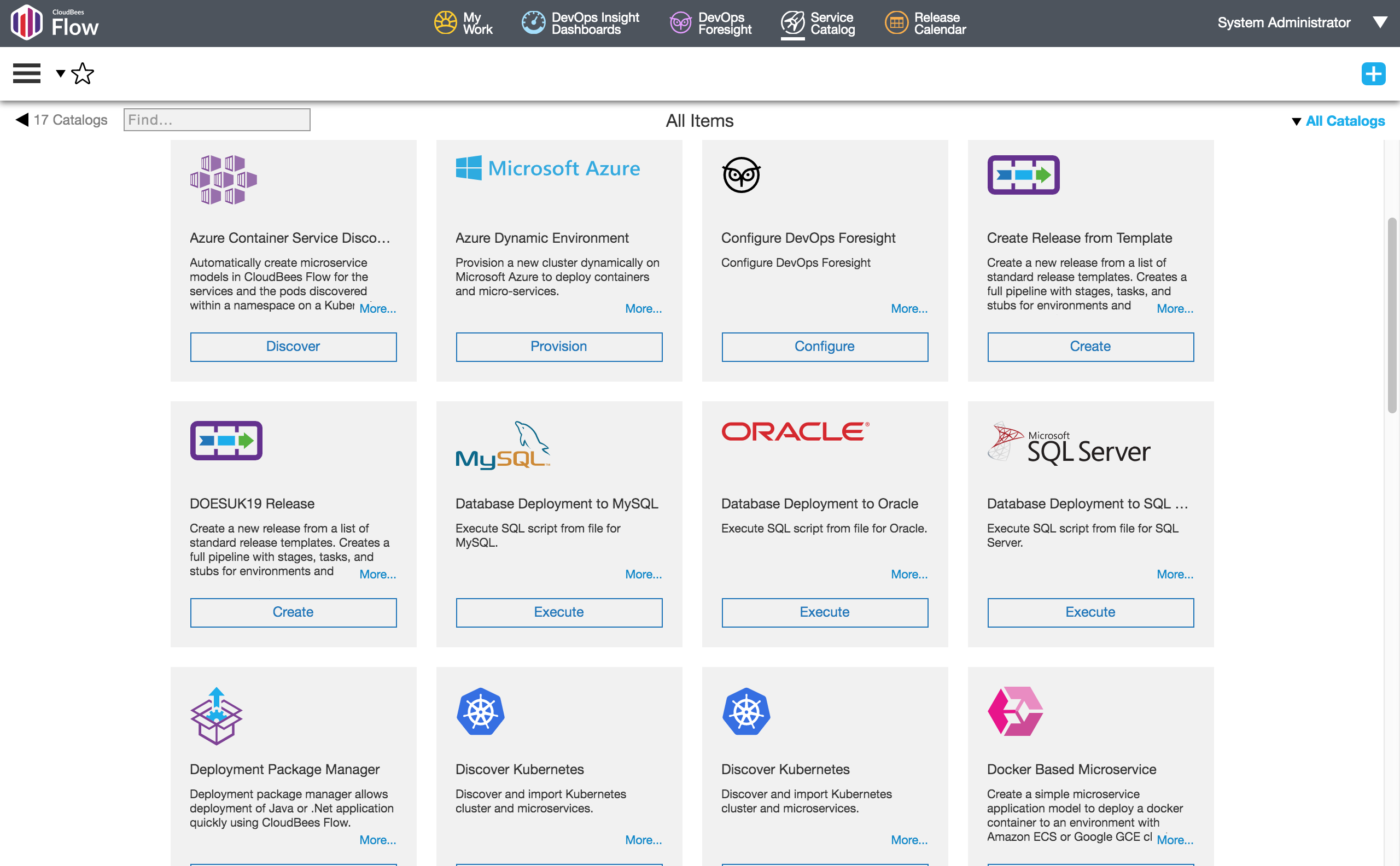
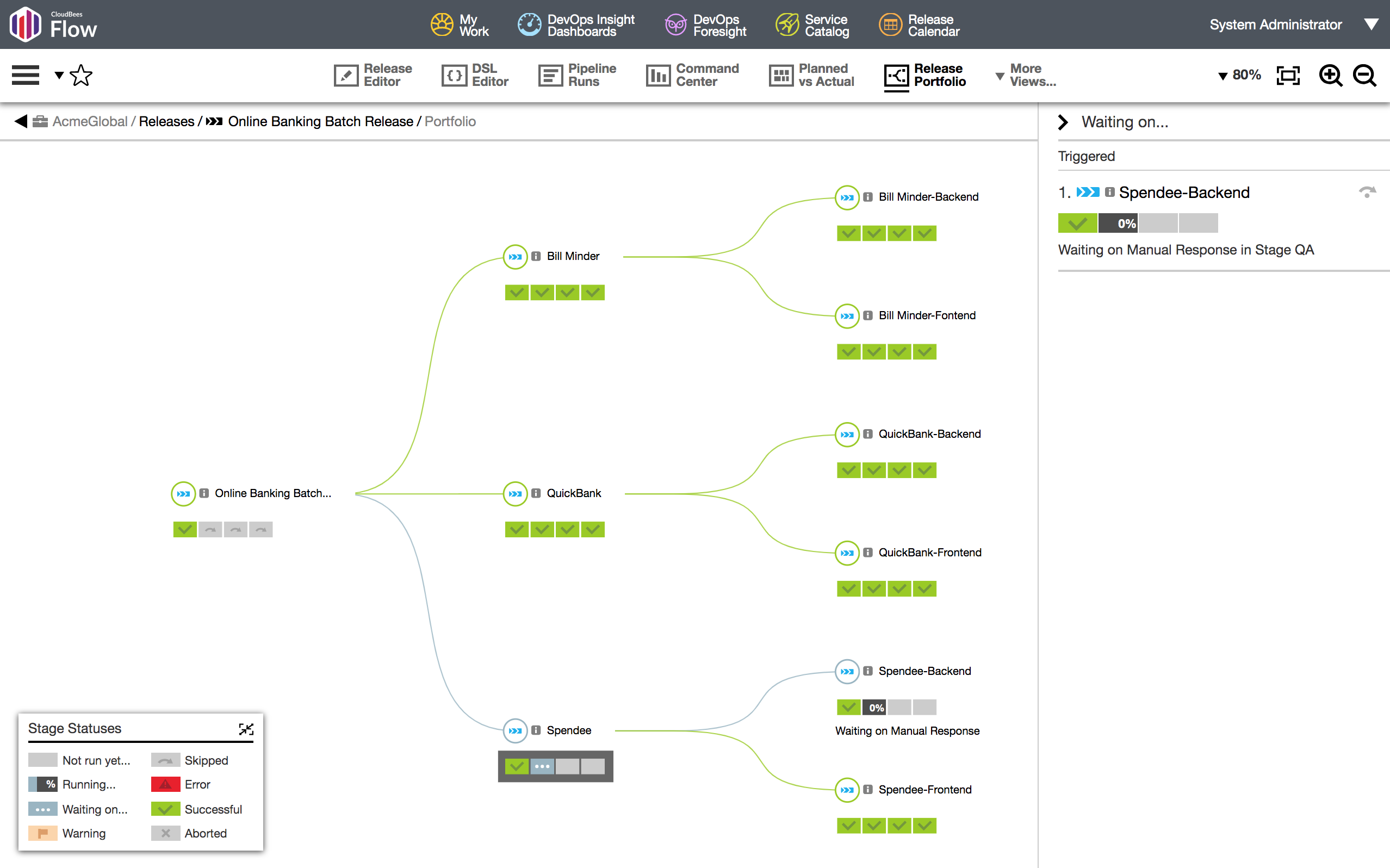
Screenshot of A comprehensive new way to plan, schedule, and track releases.Screenshot of Kanban pipeline view presents the entire release, with all stages and tasks, for easy editing and full visibility.Screenshot of CloudBees Flow’s DevOps Foresight identifies patterns using deep analytics of historical data from your tool chain, predicts the future risk of releases using those patterns and shows how to reduce that risk.Screenshot of Get a bird’s eye view of release status, milestone dates, dependencies, pending approvals, test results, progress, environments and teams involved.Screenshot of Out of the box and customizable library of approved automation accelerates DevOps adoption. Promotes best practices and consistency across the organization.Screenshot of The Release Portfolio View provides a bird’s eye view of the entire hierarchy of releases. While authoring, this view provides clear understanding of the connections and dependencies between releases, even down to specific stages in each of the release pipelines.