
DHTMLX vs. Oracle WebLogic Server
DHTMLX vs. Oracle WebLogic Server
| Product | Rating | Most Used By | Product Summary | Starting Price |
|---|---|---|---|---|
 DHTMLX | N/A | DHTMLX delivers JavaScript/HTML5 libraries and UI widgets designed for building enterprise web apps of any complexity. With these out-of-the-box components, web developers can streamline their coding processes and integrate advanced functionality, to reduce development time. The actual DHTMLX product lineup comprises a range of web-based tools that can cover most of the contemporary business needs. DHTMLX | $799 one-time fee lowest cost single component | |
 Oracle WebLogic Server | N/A | Oracle WebLogic Server is a unified and extensible platform for developing, deploying and running enterprise applications, such as Java, for on-premises and in the cloud. WebLogic Server offers a scalable implementation of Java Enterprise Edition (EE) and Jakarta EE. | N/A |
| DHTMLX | Oracle WebLogic Server | |||||||||||||||
|---|---|---|---|---|---|---|---|---|---|---|---|---|---|---|---|---|
| Editions & Modules |
| No answers on this topic | ||||||||||||||
| Offerings |
| |||||||||||||||
| Entry-level Setup Fee | No setup fee | No setup fee | ||||||||||||||
| Additional Details | UI widgets are available standalone or "a la carte," or as part of bundles built around a theme (e.g. complete edition, scheduling components, planning components, etc.). | — | ||||||||||||||
| More Pricing Information | ||||||||||||||||
| DHTMLX | Oracle WebLogic Server |
|---|
| DHTMLX | Oracle WebLogic Server | |||||||||||||||||||||
|---|---|---|---|---|---|---|---|---|---|---|---|---|---|---|---|---|---|---|---|---|---|---|
| Application Servers |
|
| DHTMLX | Oracle WebLogic Server | |
|---|---|---|
| Small Businesses |  Syncfusion Essential Studio Score 7.2 out of 10 |  NGINX Score 9.1 out of 10 |
| Medium-sized Companies |  React (React.js) Score 9.2 out of 10 | NGINX Score 9.1 out of 10 |
| Enterprises | React (React.js) Score 9.2 out of 10 | NGINX Score 9.1 out of 10 |
| All Alternatives | View all alternatives | View all alternatives |
| DHTMLX | Oracle WebLogic Server | |
|---|---|---|
| Likelihood to Recommend | 8.9 (13 ratings) | 7.2 (44 ratings) |
| Likelihood to Renew | - (0 ratings) | 9.0 (1 ratings) |
| Usability | 8.1 (5 ratings) | 7.0 (4 ratings) |
| Performance | - (0 ratings) | 9.0 (1 ratings) |
| Support Rating | - (0 ratings) | 6.0 (1 ratings) |
| Ease of integration | - (0 ratings) | 9.0 (1 ratings) |
| DHTMLX | Oracle WebLogic Server | |
|---|---|---|
| Likelihood to Recommend | DHTMLX
|  Oracle
|
| Pros | DHTMLX
 Tal Shemesh CTO | Oracle
|
| Cons | DHTMLX
| Oracle
|
| Usability | DHTMLX
| Oracle
|
| Performance | DHTMLX No answers on this topic | Oracle
 Amanda Decker Development Coordinator, Advancement Services |
| Support Rating | DHTMLX No answers on this topic | Oracle
|
| Alternatives Considered | DHTMLX
| Oracle
 Scott Kennedy Director, eCommerce Analytics and Digital Marketing |
| Return on Investment | DHTMLX
| Oracle
 Sirish Vadala Applications Developer Information Technology Specialist |
| ScreenShots | DHTMLX Screenshots  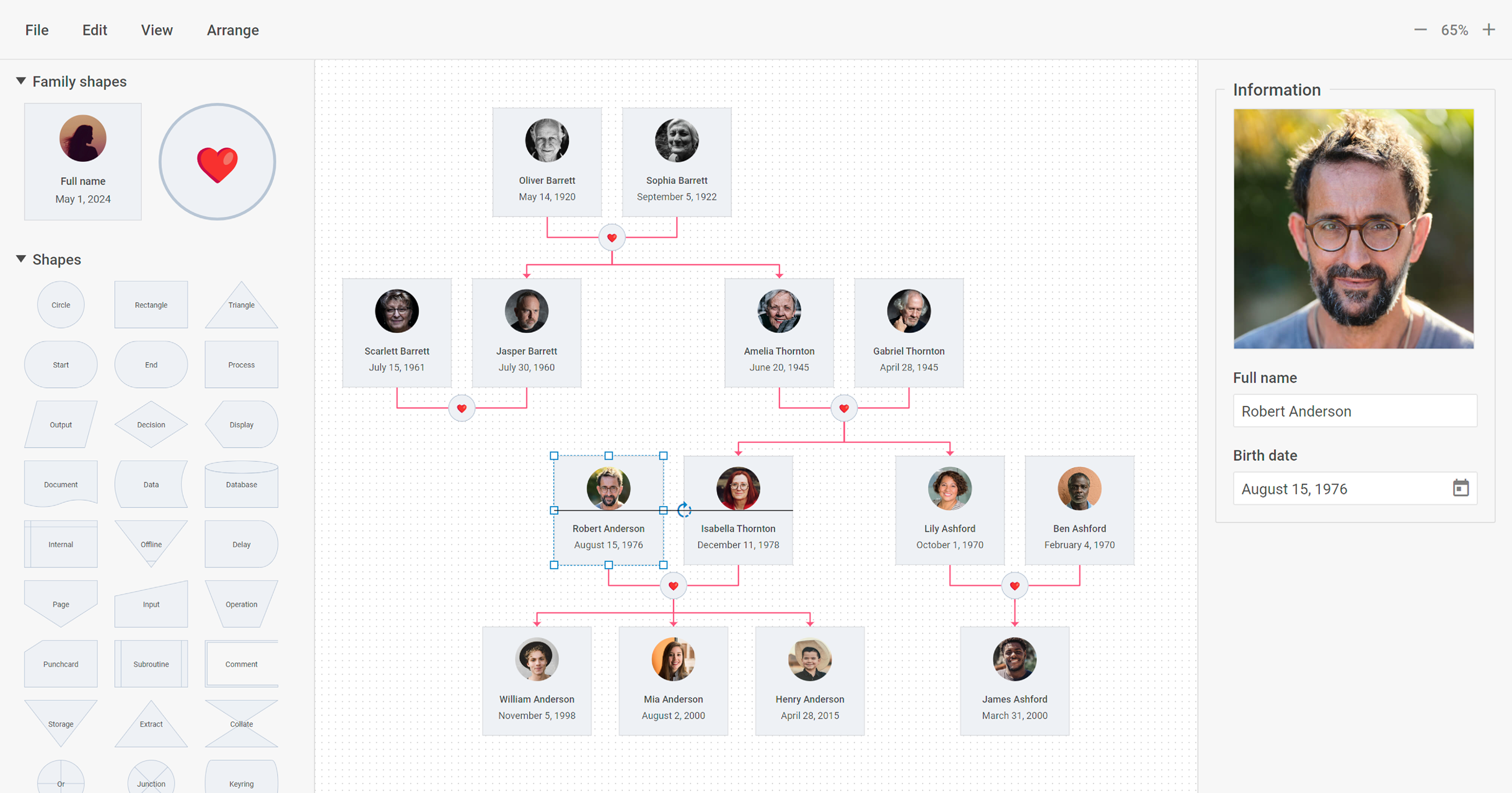    |