Drools is an open source business rules management system developed by Red Hat.
N/A
OpenLM for Engineering Licensing
Score8 out of 10
N/A
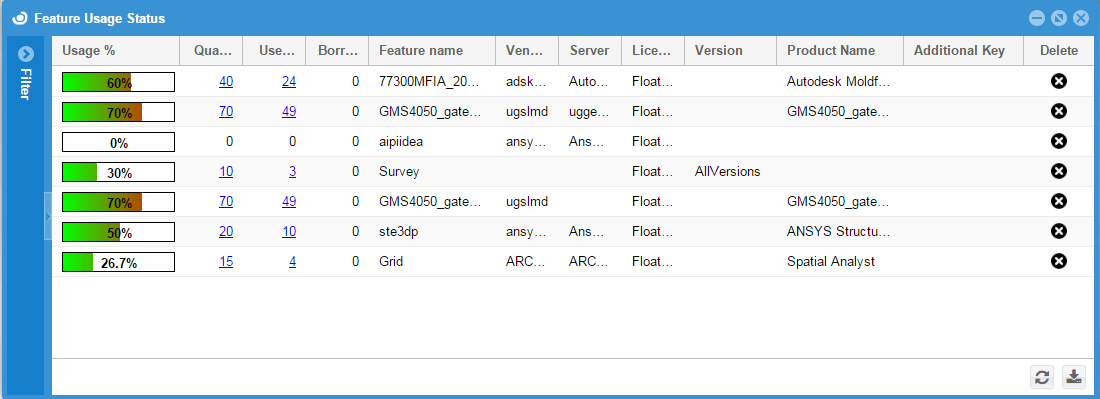
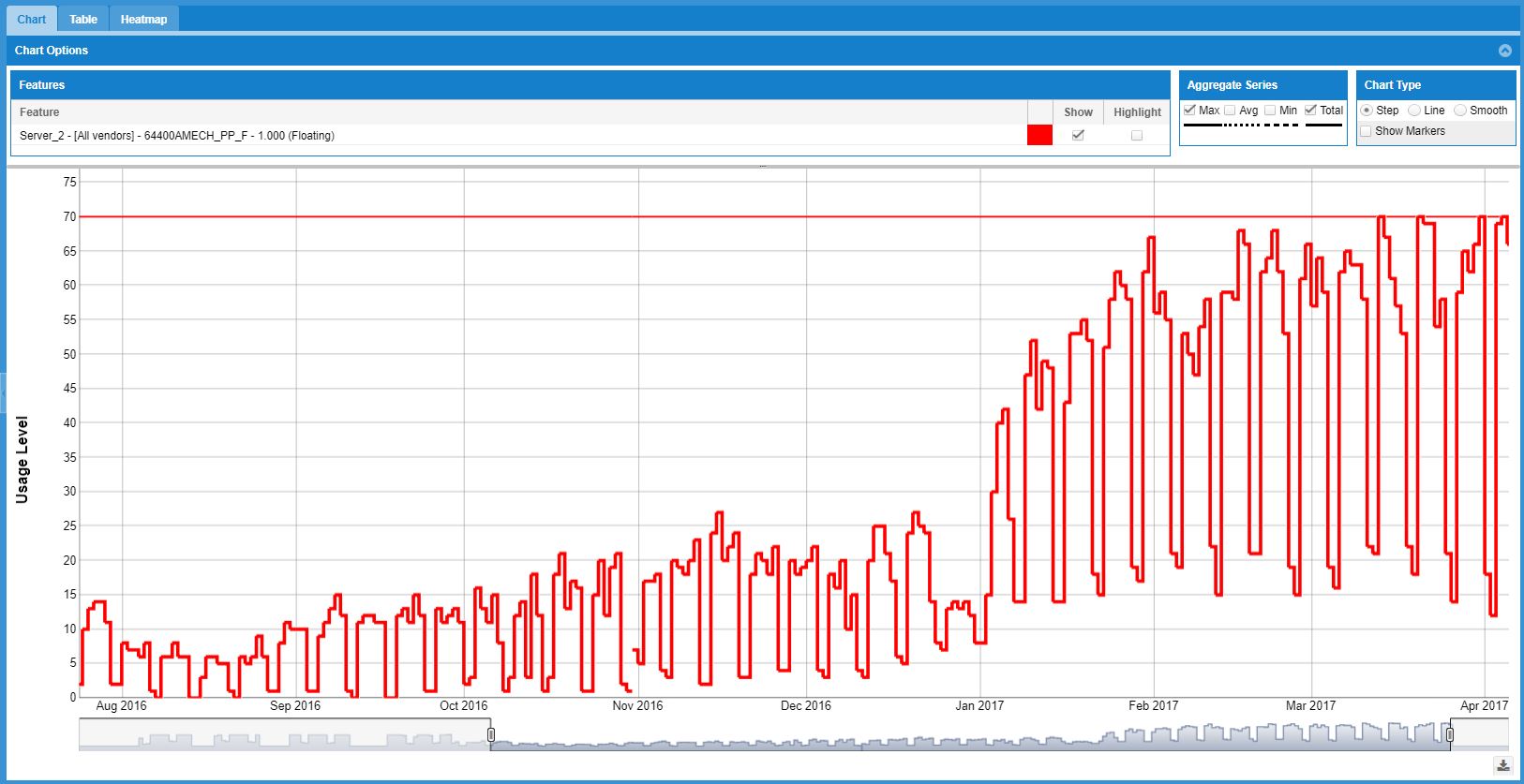
OpenLM for Engineering Licensing provides essential engineering software license tracking capabilities and reports. Users can optimize software inventory, helping to stretch expensive software licenses to their limit. Works with a wide range of license managers including Flexera, DSLS, Reprise and Sentinel RMS. Handles all
As an open source rule engine and product suite, Drools is well suited for the small and middle scale business to manage and integrate the rules to build the rule-driven system which can process the business-critical data and events to produce the automated decision. It is better to use Drools in the well-secured environment (back-end behind the DMZ), not putting it on the customer-facing front or exposing it directly the to public where may bring direct security risk in the enterprise environment. Drools still needs a lot hardening on the security side.
A de minimis incentive was given to thank the reviewer for their time. The incentive was not used to bias or drive a particular response, nor was the incentive contingent on a positive endorsement. More Info
OpenLM can simplify the reporting of complex licenses with multiple toolboxes or products on one server. It covers most of our license server types, but not all. The academic version is reasonably priced (e.g. for educational institutions) giving 90% of the features, however setting it up on-premise was more complex than our original pilot would suggest. We couldn't do without it now.
A de minimis incentive was given to thank the reviewer for their time. The incentive was not used to bias or drive a particular response, nor was the incentive contingent on a positive endorsement. More Info
Fusion doesn't support persistence of working memory, which brings some extra high availability risk to our business.
Guvnor still has a lot room to be implemented, it is not so user-friendly for non-technical people, so a lot of business users complain it is hard to master.
Rule execution server doesn't even have JMX implemented, hard to be monitored.
Drools is still lacking support for key Web services standards.
A de minimis incentive was given to thank the reviewer for their time. The incentive was not used to bias or drive a particular response, nor was the incentive contingent on a positive endorsement. More Info
You can share a link to a dynamic report (e.g. the last 365 days). The URL is very long but it can be used with a 3rd party short URL utility and shared with users.
Upgrading to the latest version took a long time to troubleshoot, which left a short gap in the saved data.
A de minimis incentive was given to thank the reviewer for their time. The incentive was not used to bias or drive a particular response, nor was the incentive contingent on a positive endorsement. More Info
X-Formation, OpenIT, JTB, Sassafras either more expensive for the particular task of managing and monitoring concurrent licenses, or they had a different set of features (such as Sassafras K2/Keyserver also for remote access)
The IT department quickly adopted Drools as it is a very good java-based rule engine, which saves a lot of time to meet the project timeline and balanced our business requirements.
Recently we start considering the OpenRules, which may be more business user-friendly.
A de minimis incentive was given to thank the reviewer for their time. The incentive was not used to bias or drive a particular response, nor was the incentive contingent on a positive endorsement. More Info