
Laravel PHP Framework vs. Odoo eCommerce
| Product | Rating | Most Used By | Product Summary | Starting Price |
|---|---|---|---|---|
 Laravel PHP Framework | Score9.9 out of 10 | N/A | Laravel is a free, open source web application PHP framework. | N/A |
 Odoo eCommerce | Score9 out of 10 | N/A | Odoo’s eCommerce application is designed to offer all the tools a business needs to create a stunning online store in no time at all. Users can customize designs for product pages, in order to showcase their business in a memorable and unique way. With Odoo’s fully integrated eCommerce app, inventory and sales can be managed and maintained with the help of automatic stock adjustments and reporting. Odoo is also integrated with a number of popular shipping carriers and online payment methods. | $24.90 per month paid yearly per user |
| Laravel PHP Framework | Odoo eCommerce | |||||||||||||||
|---|---|---|---|---|---|---|---|---|---|---|---|---|---|---|---|---|
| Editions & Modules | No answers on this topic |
| ||||||||||||||
| Offerings |
| |||||||||||||||
| Entry-level Setup Fee | No setup fee | Optional | ||||||||||||||
| Additional Details | — | The Standard and Custom plans include the Odoo apps for a single fee. | ||||||||||||||
| More Pricing Information | ||||||||||||||||
| Laravel PHP Framework | Odoo eCommerce | |
|---|---|---|
| Considered Both Products | No answer on this topic | No answer on this topic |
| Key User Insights | ||
| Would buy again | ||
100% Would buy again 8 Answers | No answers on this topic | |
| Delivers good value for the price | ||
100% Delivers good value for the price 8 Answers | No answers on this topic | |
| Happy with the feature set | ||
100% Happy with the feature set 8 Answers | No answers on this topic | |
| Lived up to sales and marketing promises | ||
100% Lived up to sales and marketing promises 7 Answers | No answers on this topic | |
| Implementation went as expected | ||
100% Implementation went as expected 8 Answers | No answers on this topic | |
| Laravel PHP Framework | Odoo eCommerce | ||||||||||||||||||||||||||||
|---|---|---|---|---|---|---|---|---|---|---|---|---|---|---|---|---|---|---|---|---|---|---|---|---|---|---|---|---|---|
| Online Storefront |
| ||||||||||||||||||||||||||||
| Online Shopping Cart |
| ||||||||||||||||||||||||||||
| Online Payment System |
| ||||||||||||||||||||||||||||
| eCommerce Marketing |
| ||||||||||||||||||||||||||||
| eCommerce Business Management |
| ||||||||||||||||||||||||||||
| Laravel PHP Framework | Odoo eCommerce | |
|---|---|---|
| Small Businesses |  CodeIgniter Score8.5 out of 10 |  Ecwid by Lightspeed Score10 out of 10 |
| Medium-sized Companies |  Symfony Score10 out of 10 |  Shopify Score8.7 out of 10 |
| Enterprises | No answers on this topic |  IBM Digital Commerce Score9 out of 10 |
| All Alternatives | View all alternatives | View all alternatives |
| Laravel PHP Framework | Odoo eCommerce | |
|---|---|---|
| Likelihood to Recommend | 10.0 | 9.0 |
| Likelihood to Renew | 10.0 | - |
| Usability | 10.0 | - |
| Laravel PHP Framework | Odoo eCommerce | |
|---|---|---|
| Likelihood to Recommend |
|
|
| Pros |
|
|
| Cons |
|
|
| Likelihood to Renew |
| No answers on this topic |
| Usability |
| No answers on this topic |
| Alternatives Considered |
|
|
| Return on Investment |
|
|
| ScreenShots | Odoo eCommerce Screenshots 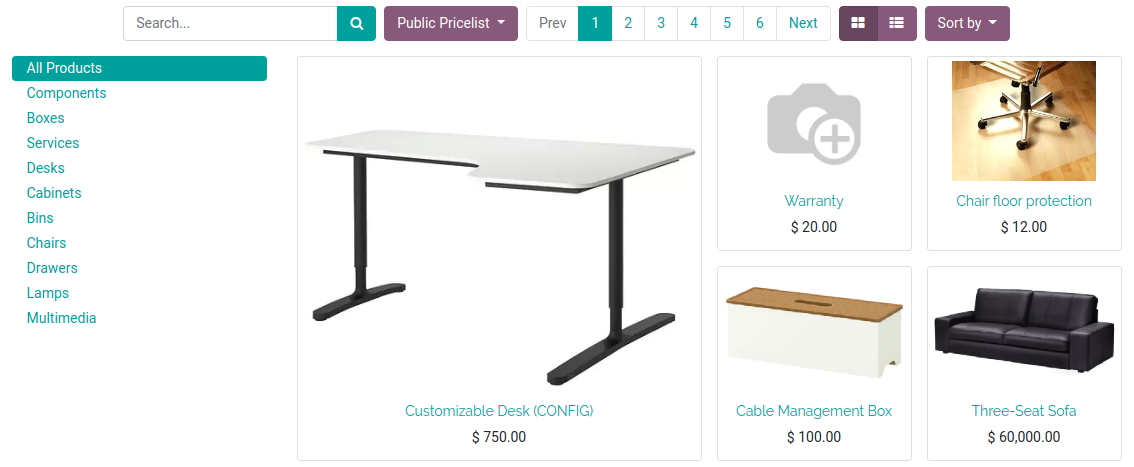  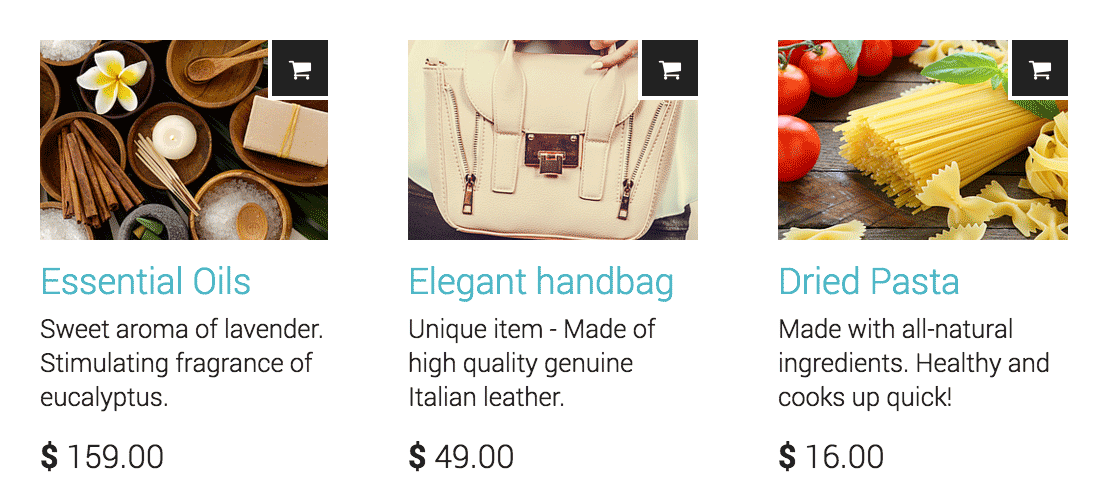  |




