
Mapbox vs. Swiftify
| Product | Rating | Most Used By | Product Summary | Starting Price |
|---|---|---|---|---|
 Mapbox | Score8.5 out of 10 | Mid-Size Companies (51-1,000 employees) | Mapbox is the location data platform for developers building custom geospatial features into mobile, web, and on-premise applications. | $0 per month |
 Swiftify | Score9 out of 10 | Small Businesses (1-50 employees) | When Apple rolled out Swift back in 2014, Objective-C was set to be replaced. Even nowadays, however, there are plenty of apps and projects that still use Objective-C, and developers are faced with the prospect of either starting again from scratch or attempting to convert them to Swift. Swiftify for Xcode is designed to automate much of the conversion process, handling the task of replacing syntax while letting you focus on other aspects of migrating your project to… | $5 per file |
| Mapbox | Swiftify | |||||||||||||||
|---|---|---|---|---|---|---|---|---|---|---|---|---|---|---|---|---|
| Editions & Modules |
|
| ||||||||||||||
| Offerings |
| |||||||||||||||
| Entry-level Setup Fee | No setup fee | No setup fee | ||||||||||||||
| Additional Details | Designed for businesses of all sizes, Mapbox is free to start building with and offers free tiers for most products. As usage grows, volume pricing is applied automatically, no negotiation necessary. Pricing is based either on pay-as-you-go usage or negotiated sales contracts that unlock additional discounts for annual commitments. Paid support plans are also available. | — | ||||||||||||||
| More Pricing Information | ||||||||||||||||
| Mapbox | Swiftify | |
|---|---|---|
| Considered Both Products | No answer on this topic | No answer on this topic |
| Key User Insights | ||
| Would buy again | ||
No answers on this topic | 100% Would buy again 5 Answers | |
| Delivers good value for the price | ||
No answers on this topic | No answers on this topic | |
| Happy with the feature set | ||
No answers on this topic | 80% Happy with the feature set 4 Answers | |
| Lived up to sales and marketing promises | ||
No answers on this topic | No answers on this topic | |
| Implementation went as expected | ||
No answers on this topic | 100% Implementation went as expected 5 Answers | |
| Mapbox | Swiftify | |
|---|---|---|
| Small Businesses |  ArcGIS Score7.8 out of 10 |  Android Studio Score9.3 out of 10 |
| Medium-sized Companies | ArcGIS Score7.8 out of 10 |  Xamarin Score6 out of 10 |
| Enterprises | ArcGIS Score7.8 out of 10 | Android Studio Score9.3 out of 10 |
| All Alternatives | View all alternatives | View all alternatives |
| Mapbox | Swiftify | |
|---|---|---|
| Likelihood to Recommend | 7.0 | 8.2 |
| Usability | 8.0 | - |
| Support Rating | - | 8.3 |
| Mapbox | Swiftify | |
|---|---|---|
| Likelihood to Recommend |
|
|
| Pros |
|
|
| Cons |
|
|
| Usability |
| No answers on this topic |
| Support Rating | No answers on this topic |
|
| Alternatives Considered |
|
|
| Return on Investment |
|
|
| ScreenShots | Mapbox Screenshots      | Swiftify Screenshots 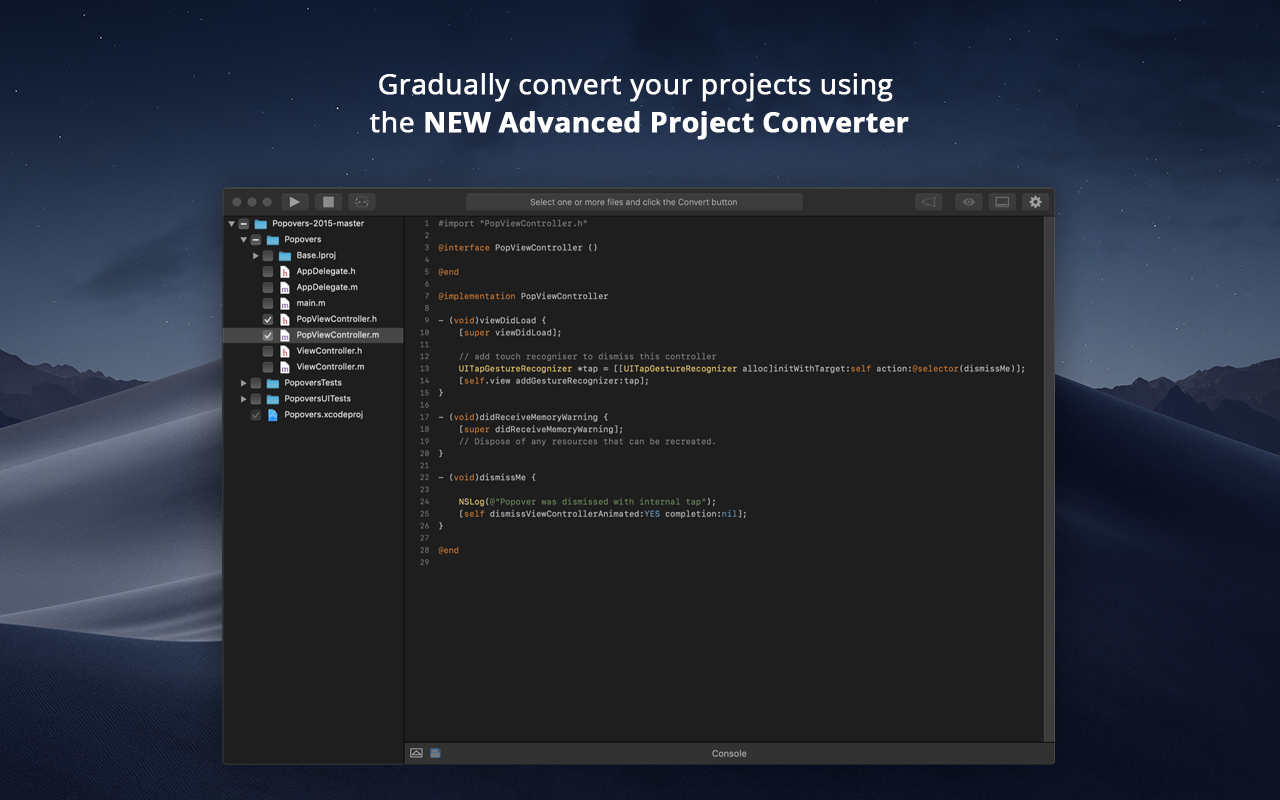     |




