
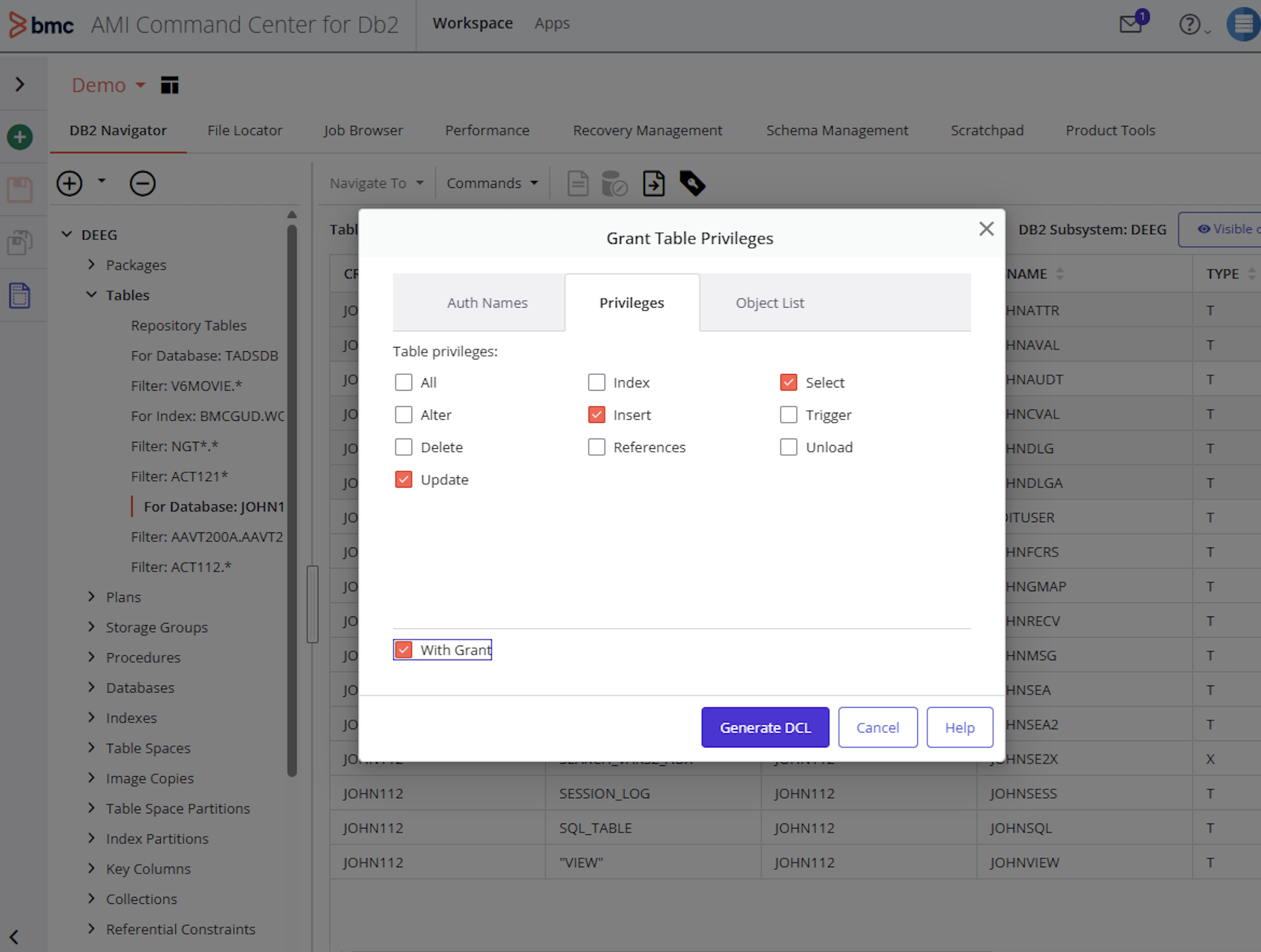
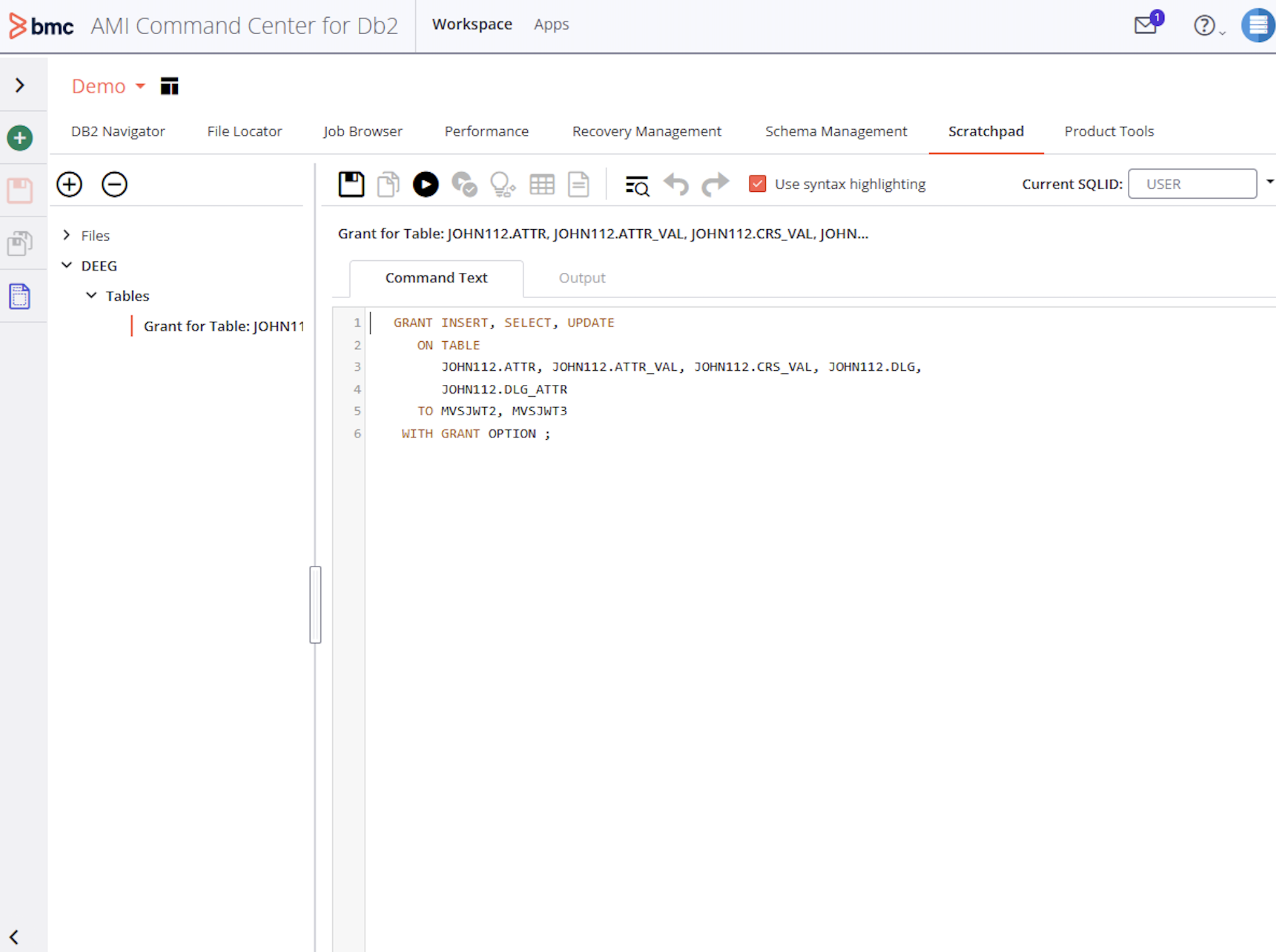
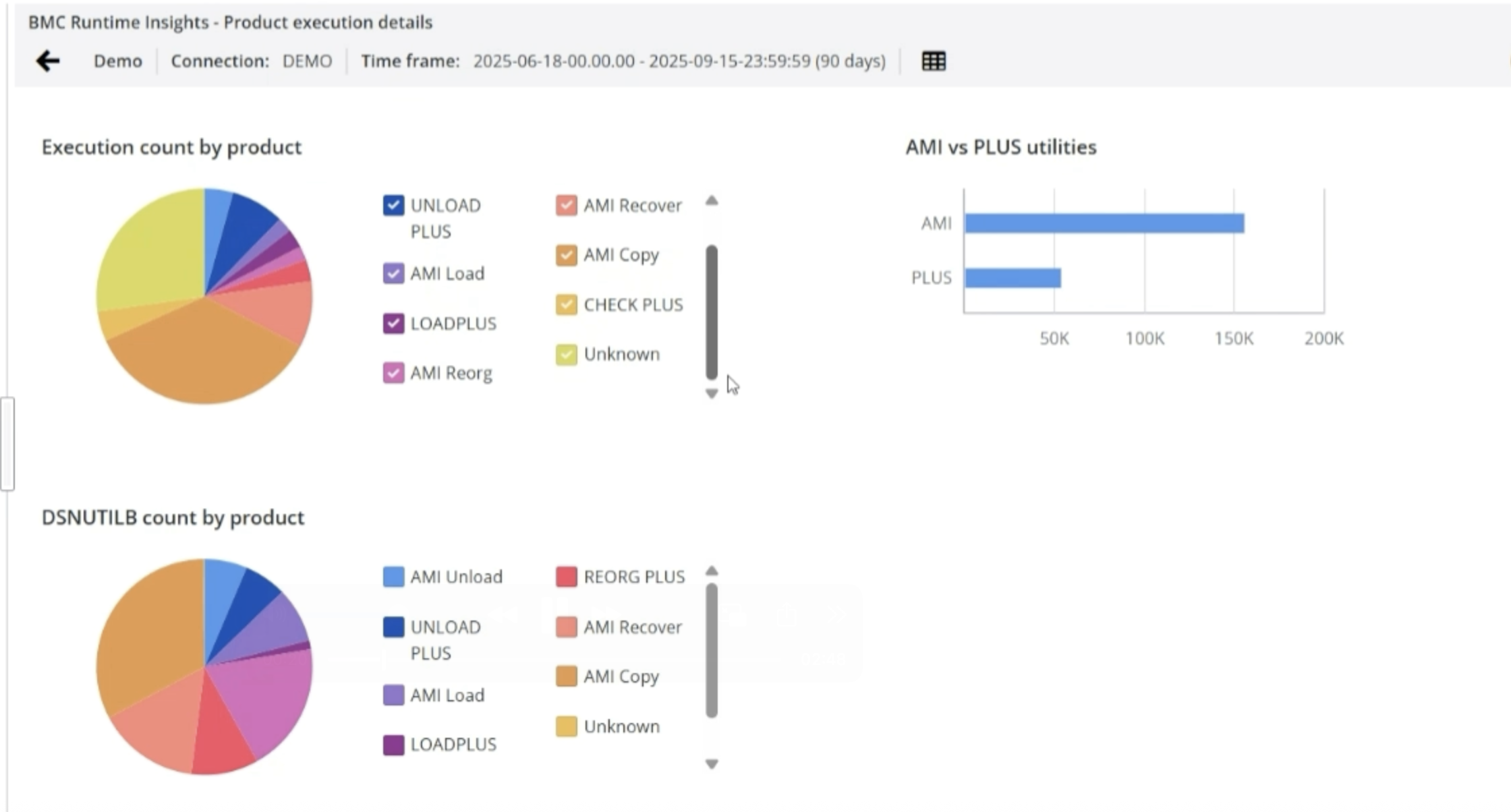
BMC AMI DATA Practical Use cases reviews.
Use Cases and Deployment Scope
We make use of BMC data in our organization to reduce manual administration and modernize data management. It's also helping maintain mainframe data activity and data integrity across the critical DB2 & IMS systems we currently use in our organization. Business problems: 1) Slow development lifecycles, 2)Data Vulnerability & Downtime, 3)High Operational costs. Scope: 1) Data Management & DevOps, 2)Compliance & Data Security, 3) DBA, 4) Performance Monitoring.
Pros
- BMC AMI data is helping bridge the gap between Development and Operations teams by streamlining database changes and providing tools that work with modern DevOps pipelines.
- BMC AMI data graphical user interfaces help our developers to safely make changes, encouraging developer self-service while maintaining control.
- BMC AMI Change Manager for Db2 helped us analyze the impact of schema changes and automatically generate the necessary "Data Definition Language," reducing manual scripting.
- The BMC AMI data tool helped us achieve almost zero downtime during database maintenance for Db2 & IMS.
- It boosts the performance by 30-50 % for the IMS database.
- BMC AMI data helped us achieve a fast DB2 recovery from the cloud, preventing extended downtime.
- BMC AMI Ops helped us to detect unusual anomalies in workload performance, such as CPU spikes in IMS.
- BMC AMI data helped us achieve a fast DB2 recovery from the cloud, preventing extended downtime.
- BMC AMI Ops helped us to detect unusual anomalies in workload performance, such as CPU spikes in IMS.
Cons
- Some of our users have reported experiencing delays in technical assistance, which can be problematic during critical performance issues.
- While integration with modern DevOps tools (GitLab, Jenkins) is improving, some users have noted challenges integrating with older legacy third-party tools, such as CA Librarian.
- The initial setup and configuration of BMC AMI Data tools can be intricate and time-consuming, requiring significant planning and expertise in IBM z/OS systems.
Return on Investment
- By shifting to AIOps-powered monitoring, customers halved unplanned mainframe outages, resulting in $1.4 million in retained profit over three years=50% Reduction in Unplanned Downtime.
- BMC AMI data solutions delivered a 217% ROI, with payback in under six months, enabling teams to deliver 3x more code to production.
- BMC AMI Data for Db2 users achieved a 6% reduction in MIPS consumption and realized significant cost savings by retiring outdated, non-automated systems.
- The ability to perform database reorganizations with zero downtime ensures critical business applications remain available, protecting revenue streams and customer experience.
Usability
Alternatives Considered
DBArtisan
Other Software Used
Microsoft SQL Server, DBeaver, Oracle Database