
TrustRadius: an HG Insights company

IBM Kubecost

Score7.7 out of 10

16 Reviews and Ratings

What is IBM Kubecost?

IBM Kubecost is a self-hosted Kubernetes cost visibility and optimization platform that provides real-time insights to help teams reduce cloud spend and scale cost efficiently.

Read more details.

Media

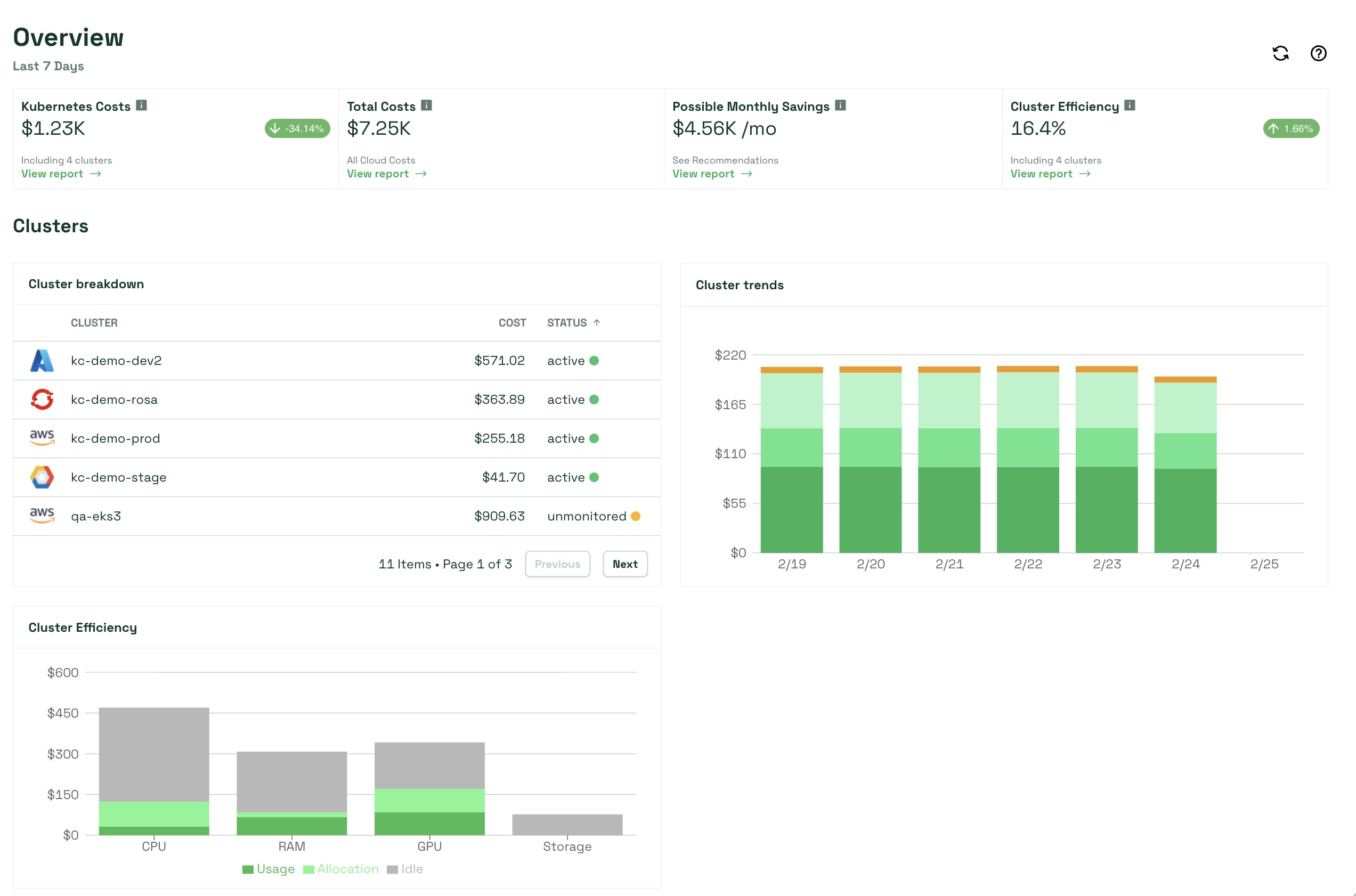
Screenshot of Overview
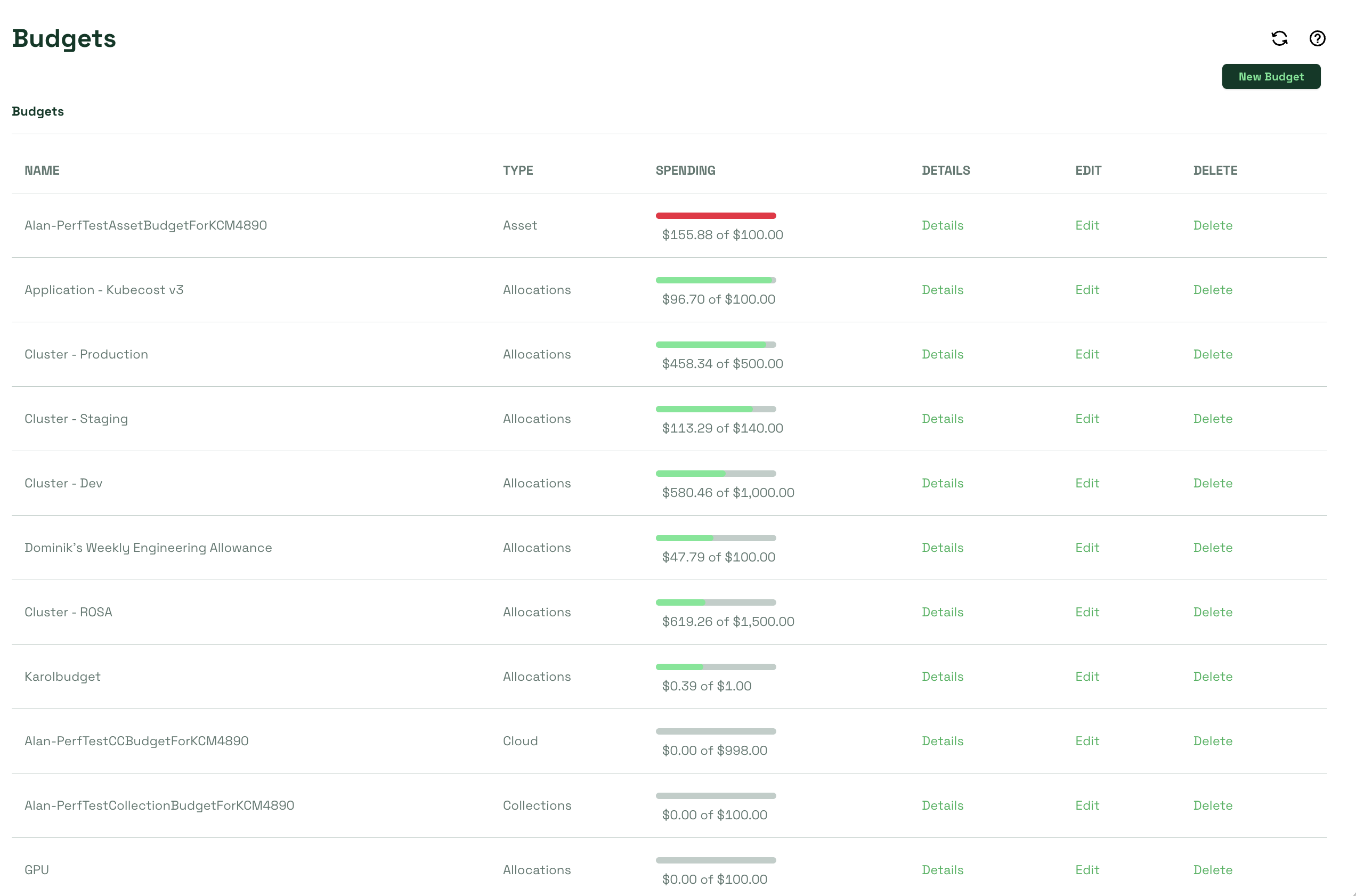
Screenshot of Budgets
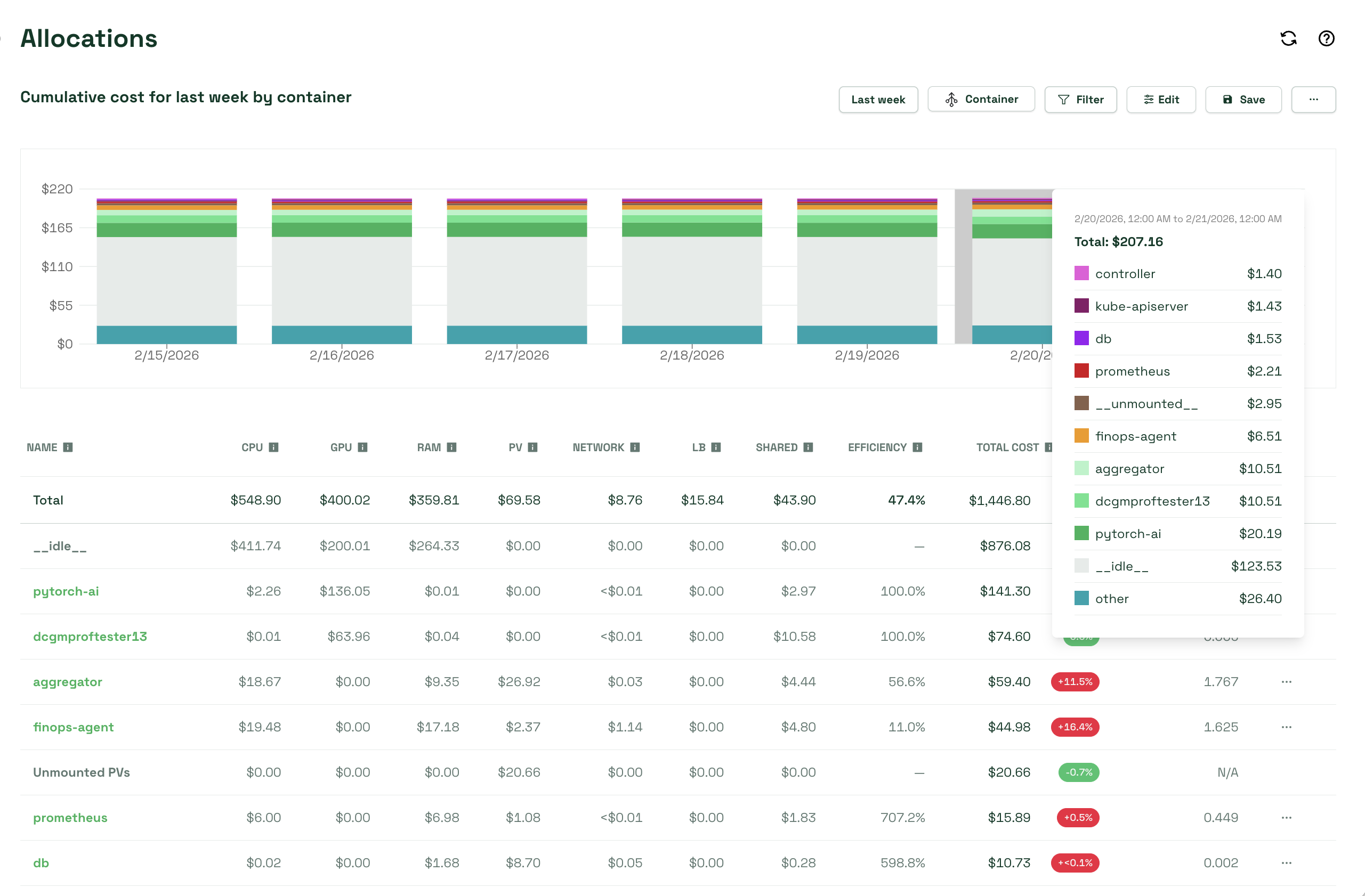
Screenshot of Allocations

1 / 3

Screenshot of Overview

Who Buys & Uses IBM Kubecost

Pros

  • Unified cost monitoring across Kubernetes environments
  • Detailed cost savings analysis capabilities
  • Effective integration with Kubernetes and cloud billing APIs

Cons

  • Requires manual engineering effort for rightsizing implementation
  • Limited cost visibility for external cloud resources (e.g., databases, storage)
  • Complex initial setup process

One stop shop for Kubernetes insights.

Use Cases and Deployment Scope

We use Kubecost to optimize costs in our Kubernetes environment. With hundreds of Kubernetes applications, managing the expenses of those Kube pods becomes difficult. Kubecost gathers usage metrics from the Kubernetes cluster and connects directly to cloud billing APIs to apply an accurate pricing model. This helps us save a lot of costs.

Pros

  • Direct cloud integration with the help of cloud billing APIs.
  • Run directly inside Kubernetes cluster to accurately gather the metrics.
  • Provides container resizing insights based on the container's actual resource usage.

Cons

  • Provides insights into the right container sizing; however, manual intervention is still needed to fix them.
  • Kubecost shows only a picture of a Kubernetes cluster; however, actual costs don't depend solely on that, as the application might use databases and storage that reside outside containers.
  • Setting up Kubecost is somewhat complex because it must be installed inside the cluster along with other dependent tools.

Return on Investment

  • Saves costs by right-sizing the cluster.
  • Gives insights in a single dashboard.
  • It can be deployed on-premises, so the data it collects stays within the private infrastructure.

Usability

Alternatives Considered

CAST AI and CloudZero

Other Software Used

CAST AI, Finout, CloudZero

Essential for Kubernetes right-sizing and cost management.

Use Cases and Deployment Scope

We use Kubecost to build a dynamic resource optimization solution. Currently, Karpenter only looks at requested resources, not actual usage. Because most developers oversize their containers, the cluster stays underutilized. As a result, our spend is high.

Pros

  • Resource utilization tracking.
  • Integration with EKS.
  • Cost savings analysis.
  • User management.

Cons

  • Free version is nice but doesn’t include RBAC.
  • No runbook for end to end setup with EKS.

Return on Investment

  • It’s helped to right size our cluster.
  • Kubecost helps to justify our budget and investment.
  • The data provided simplifies our operations.

Usability

Alternatives Considered

Radar by Skyhook

Other Software Used

Amazon Elastic Kubernetes Service (EKS), Amazon Bedrock, OpenAI Codex

Great tool for optimizing your cloud and Kubernetes infra spending

Use Cases and Deployment Scope

We use IBM Kubecost for cost monitoring and optimization for the kubernetes and cloud native environments. It helps with cost allocation, unified monitoring and rightsizing the infra needs for our applications. We use a Saas managed approach to run the local agents securely across the cloud clusters and optimize the applications

Pros

  • Unified monitoring
  • Optimization
  • Rightsizing

Cons

  • Sometimes the rightsizing can require a lot of manual engineering
  • External cloud infrastructure tracking can be improved

Return on Investment

  • Given that we are going through a cloud transformation journey, IBM Kubecost has helped reduce the infra cost by up to 20% by detecting any wrong configuration early in the process
  • It also helped us determine the idle and orphaned resources that we could cleanup to save costs

Usability

Alternatives Considered

CloudZero and Datadog

Other Software Used

Peak Decision Intelligence Platform, Apigee Edge, ADS

Very useful in enterprises

Use Cases and Deployment Scope

In our organization, We utilize IBM Kubecost to monitor costs of workloads between various AWS accounts.

Pros

  • Ease
  • I think IBM Kubecost is Informative
  • In my experience, IBM Kubecost is Simple to use

Cons

  • I think there is room for improvement in IBM Kubecost if you Streamline IBM Kubecost more with AWS cost explorer

Return on Investment

  • Cost savings
  • cost monitoring
  • budget control

Usability

Alternatives Considered

AWS Cost Explorer and IBM Kubecost

Other Software Used

IBM Apptio

IBM Kubecost and the value it provides

Use Cases and Deployment Scope

IBM Kubecost is used for overall management and optimization of the customer ( who I manage and advocate for Kubecost) kubernetes environment. The tool provides usually information on an organizations's environment, what things can be improved and what things is the organization doing right. Having a tool like this at your disposal is very useful

Pros

  • Overall kubernetes management
  • cost monitoring
  • financial planning for kubernetes

Cons

  • AI integration
  • integration with other Products
  • Customer support

Return on Investment

  • faster time to market
  • Awareness of the scale of the kubernetes environment
  • Better cost management of organizations kubernetes environment

Usability