

LabKey LIMS
What is LabKey LIMS?
LabKey LIMS is a configurable laboratory information management system that consolidates sample tracking, instrument data capture, workflow execution, and reporting in a single platform. Lab managers and data teams configure it to match their actual SOPs, metadata fields, and storage hierarchies without writing code or filing IT tickets. Research teams across pharma, cell therapy, clinical research, and academic science use LabKey to replace scattered spreadsheets and siloed point solutions with a connected system of record.
Sample management and chain of custody
Every sample in LabKey carries a complete, searchable history from initial registration through storage, aliquoting, and experiment consumption. Status changes, storage moves, and assay linkages are timestamped and tied to a specific user automatically. Freezer storage is mapped visually, with capacity monitoring and location tracking maintained without manual spreadsheets. Every change — who made it, when, and why — is recorded in a searchable audit trail, giving labs reliable chain-of-custody documentation without extra work at audit time.
Instrument integration and data management
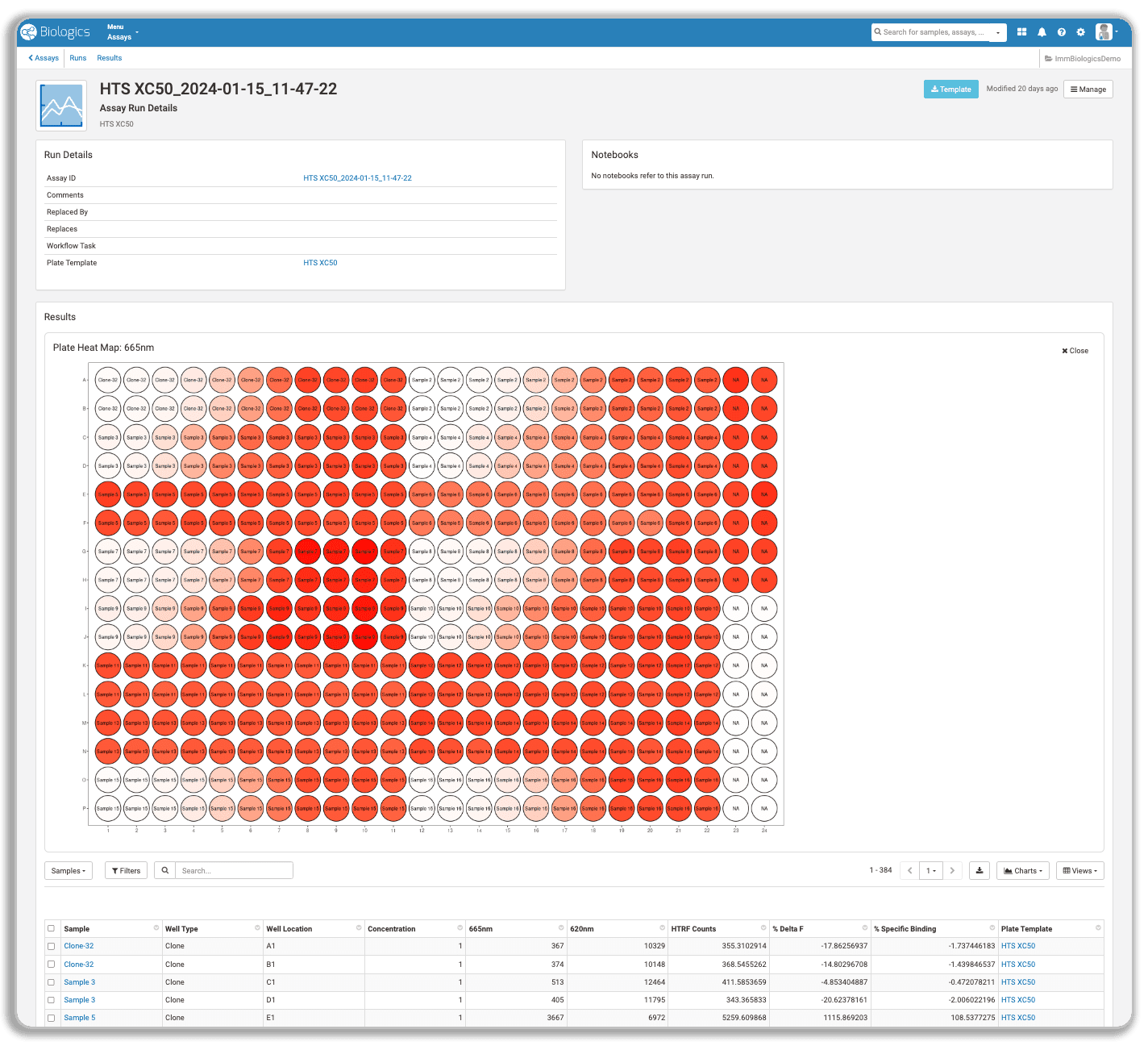
LabKey connects to laboratory instruments through APIs, file watchers, and transformation scripts. Instrument output is normalized on ingest, so assay results flow directly into sample records without manual re-entry. Every result is linked automatically to the sample, experiment, and notebook entry it came from.
Workflow automation
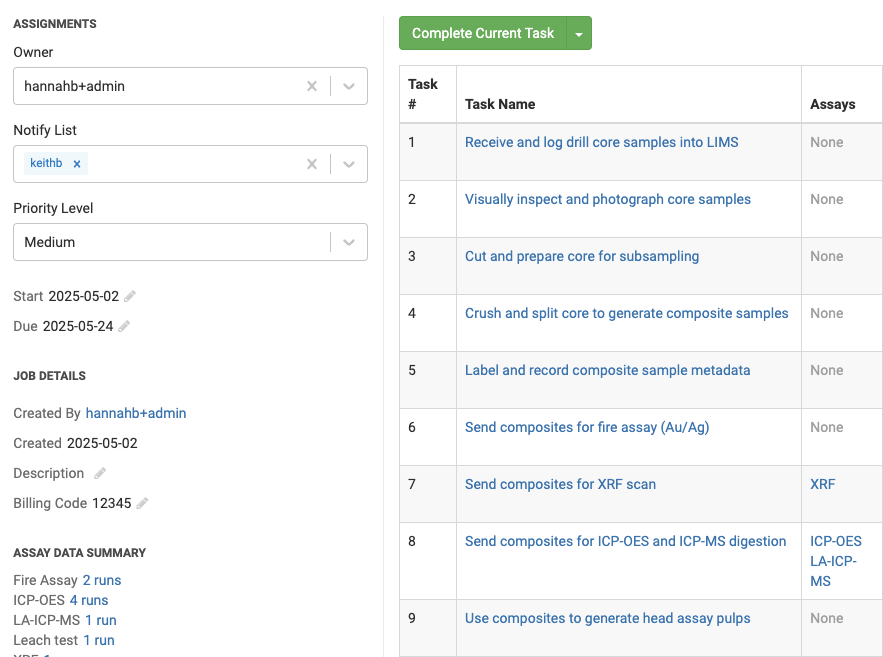
Lab processes can be modeled as configurable workflows with task assignments, approval gates, and automatic deviation capture. Step-by-step adherence to SOPs is enforced at the system level, with deviations flagged and logged automatically rather than caught after the fact.
Electronic lab notebook
LabKey's ELN connects notebook entries directly to samples, assay results, workflows, and storage locations. Structured templates standardize experiment documentation across teams. Electronic signatures and sign-off workflows support regulated environments.
Implementation and adoption
Lab teams report going live in weeks. Bench scientists adopt the system without long ramp times; configuration is handled by lab managers and data teams without custom development. As research evolves, workflows can be reconfigured without IT involvement.
Categories & Use Cases
Media


1 / 5


