
Altair Monarch vs. ER/Studio
Altair Monarch vs. ER/Studio
| Product | Rating | Most Used By | Product Summary | Starting Price |
|---|---|---|---|---|
 Altair Monarch | N/A | Altair Monarch (formerly Datawatch Monarch, acquired by Altair in December, 2018) works with both relational and multi-structured data including support for a wide range of formats including PDF, XML, HTML, text, spool and ASCII files. The product can access data from invoices, sales reports, balance sheets, customer lists, inventory, logs and more. According to the vendor, the system is easy to use, allowing users to quickly select any data source and automatically convert it into… | N/A | |
 ER/Studio | N/A | ER/Studio is a database development and management tool from Embarcadero Technologies (acquired by Idera) in California. | $1,470.40 one-time fee per user |
| Altair Monarch | ER/Studio | |||||||||||||||
|---|---|---|---|---|---|---|---|---|---|---|---|---|---|---|---|---|
| Editions & Modules | No answers on this topic | No answers on this topic | ||||||||||||||
| Offerings |
| |||||||||||||||
| Entry-level Setup Fee | Optional | No setup fee | ||||||||||||||
| Additional Details | — | Pricing for new customers only, first year maintenance included. Maintenance includes access to technical support and product updates for the defined period of the agreement. | ||||||||||||||
| More Pricing Information | ||||||||||||||||
| Altair Monarch | ER/Studio |
|---|
| Altair Monarch | ER/Studio | |
|---|---|---|
| Small Businesses |  IBM SPSS Modeler Score 9.0 out of 10 | IBM SPSS Modeler Score 9.0 out of 10 |
| Medium-sized Companies |  IBM InfoSphere Information Server Score 8.0 out of 10 | IBM InfoSphere Information Server Score 8.0 out of 10 |
| Enterprises | IBM InfoSphere Information Server Score 8.0 out of 10 | IBM InfoSphere Information Server Score 8.0 out of 10 |
| All Alternatives | View all alternatives | View all alternatives |
| Altair Monarch | ER/Studio | |
|---|---|---|
| Likelihood to Recommend | 8.1 (6 ratings) | 8.0 (5 ratings) |
| Likelihood to Renew | 7.2 (6 ratings) | - (0 ratings) |
| Support Rating | - (0 ratings) | 9.0 (1 ratings) |
| Altair Monarch | ER/Studio | |
|---|---|---|
| Likelihood to Recommend |  Altair Engineering, Inc.
|  Idera, Inc.
 Jody Gitchel Senior Data Solutions Architect |
| Pros | Altair Engineering, Inc.
 Frank Pappalardo Senior Deployment Analyst | Idera, Inc.
|
| Cons | Altair Engineering, Inc.
 Kim Shada IT - Business Systems Analyst II | Idera, Inc.
 Jay Coppola Database Architect |
| Likelihood to Renew | Altair Engineering, Inc.
| Idera, Inc. No answers on this topic |
| Support Rating | Altair Engineering, Inc. No answers on this topic | Idera, Inc.
Jay Coppola Database Architect |
| Alternatives Considered | Altair Engineering, Inc.
| Idera, Inc.
 Michael Romm Principal Data Architect |
| Return on Investment | Altair Engineering, Inc.
Kim Shada IT - Business Systems Analyst II | Idera, Inc.
 Praveena Amancha Senior Informatica Developer |
| ScreenShots | Altair Monarch Screenshots   | ER/Studio Screenshots  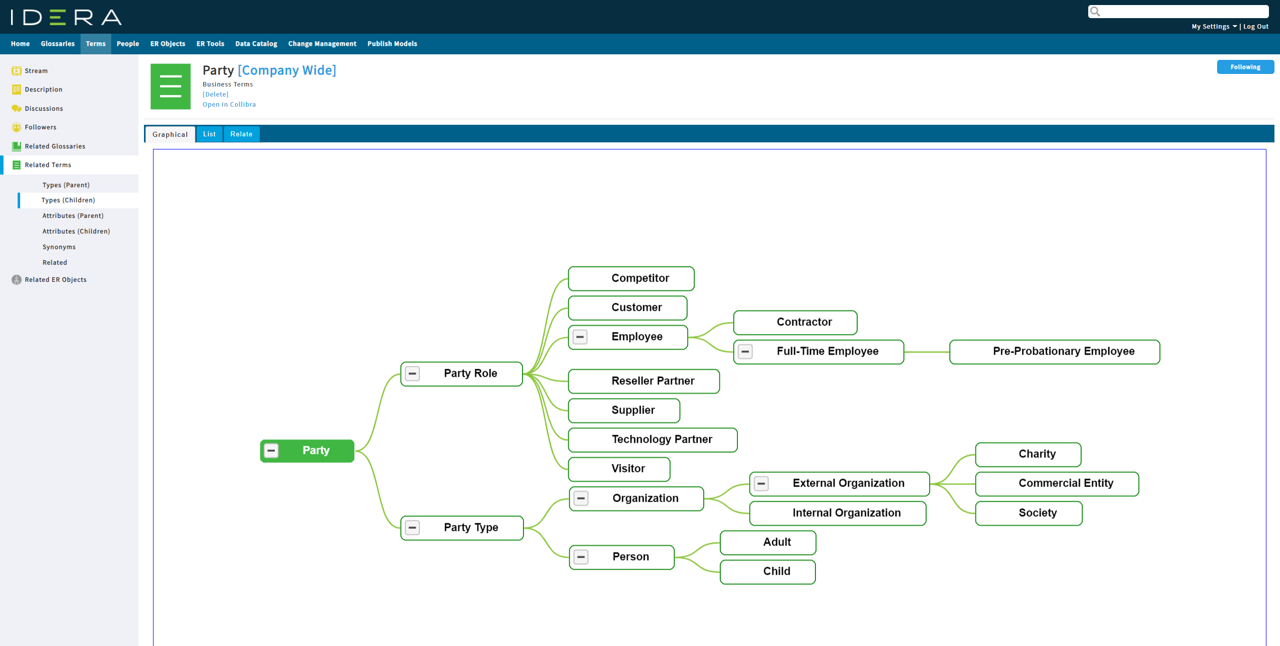 |