
Apache Tomcat vs. Twingate
Apache Tomcat vs. Twingate
| Product | Rating | Most Used By | Product Summary | Starting Price |
|---|---|---|---|---|
 Apache Tomcat | N/A | Tomcat is an open-source web server supported by Apache. | N/A | |
 Twingate | N/A | Twingate allows businesses to secure remote access to their private applications, data, and environments, whether they are on-premise or in the cloud. Built to make the lives of DevOps teams, IT teams, and end users easier, it replaces outdated corporate VPNs which were not built to handle a world in which "work from anywhere" and cloud-based assets are increasingly the norm. Twingate’s modern zero trust-based approach to securing remote access focuses on improving security,… | $0 |
| Apache Tomcat | Twingate | |||||||||||||||
|---|---|---|---|---|---|---|---|---|---|---|---|---|---|---|---|---|
| Editions & Modules | No answers on this topic |
| ||||||||||||||
| Offerings |
| |||||||||||||||
| Entry-level Setup Fee | No setup fee | No setup fee | ||||||||||||||
| Additional Details | — | An Enterprise Plan with customized pricing is also available. | ||||||||||||||
| More Pricing Information | ||||||||||||||||
| Apache Tomcat | Twingate |
|---|
| Apache Tomcat | Twingate | |||||||||||||||||||||
|---|---|---|---|---|---|---|---|---|---|---|---|---|---|---|---|---|---|---|---|---|---|---|
| Application Servers |
|
| Apache Tomcat | Twingate | |
|---|---|---|
| Small Businesses |  NGINX Score 9.2 out of 10 |  ThreatLocker Score 9.3 out of 10 |
| Medium-sized Companies | NGINX Score 9.2 out of 10 |  Palo Alto Networks Prisma Access Score 8.3 out of 10 |
| Enterprises | NGINX Score 9.2 out of 10 | Palo Alto Networks Prisma Access Score 8.3 out of 10 |
| All Alternatives | View all alternatives | View all alternatives |
| Apache Tomcat | Twingate | |
|---|---|---|
| Likelihood to Recommend | 9.0 (24 ratings) | 9.5 (3 ratings) |
| Likelihood to Renew | 10.0 (1 ratings) | - (0 ratings) |
| Usability | 8.0 (3 ratings) | 10.0 (1 ratings) |
| Availability | 6.0 (1 ratings) | - (0 ratings) |
| Performance | 9.0 (2 ratings) | - (0 ratings) |
| Support Rating | 9.1 (3 ratings) | 9.5 (3 ratings) |
| Configurability | 8.0 (1 ratings) | - (0 ratings) |
| Ease of integration | 9.0 (1 ratings) | - (0 ratings) |
| Product Scalability | 9.0 (1 ratings) | - (0 ratings) |
| Apache Tomcat | Twingate | |
|---|---|---|
| Likelihood to Recommend | Apache
| Twingate
 Tanuj Chatterjee SVP of Engineering |
| Pros | Apache
| Twingate
 Maksim Pavlishin Sr Director, Engineering |
| Cons | Apache
 Candy Carrizales Database Administrator | Twingate
|
| Likelihood to Renew | Apache
| Twingate No answers on this topic |
| Usability | Apache
| Twingate
Tanuj Chatterjee SVP of Engineering |
| Reliability and Availability | Apache
| Twingate No answers on this topic |
| Performance | Apache
| Twingate No answers on this topic |
| Support Rating | Apache
| Twingate
Maksim Pavlishin Sr Director, Engineering |
| Alternatives Considered | Apache
| Twingate No answers on this topic |
| Scalability | Apache
| Twingate No answers on this topic |
| Return on Investment | Apache
| Twingate
|
| ScreenShots | Twingate Screenshots 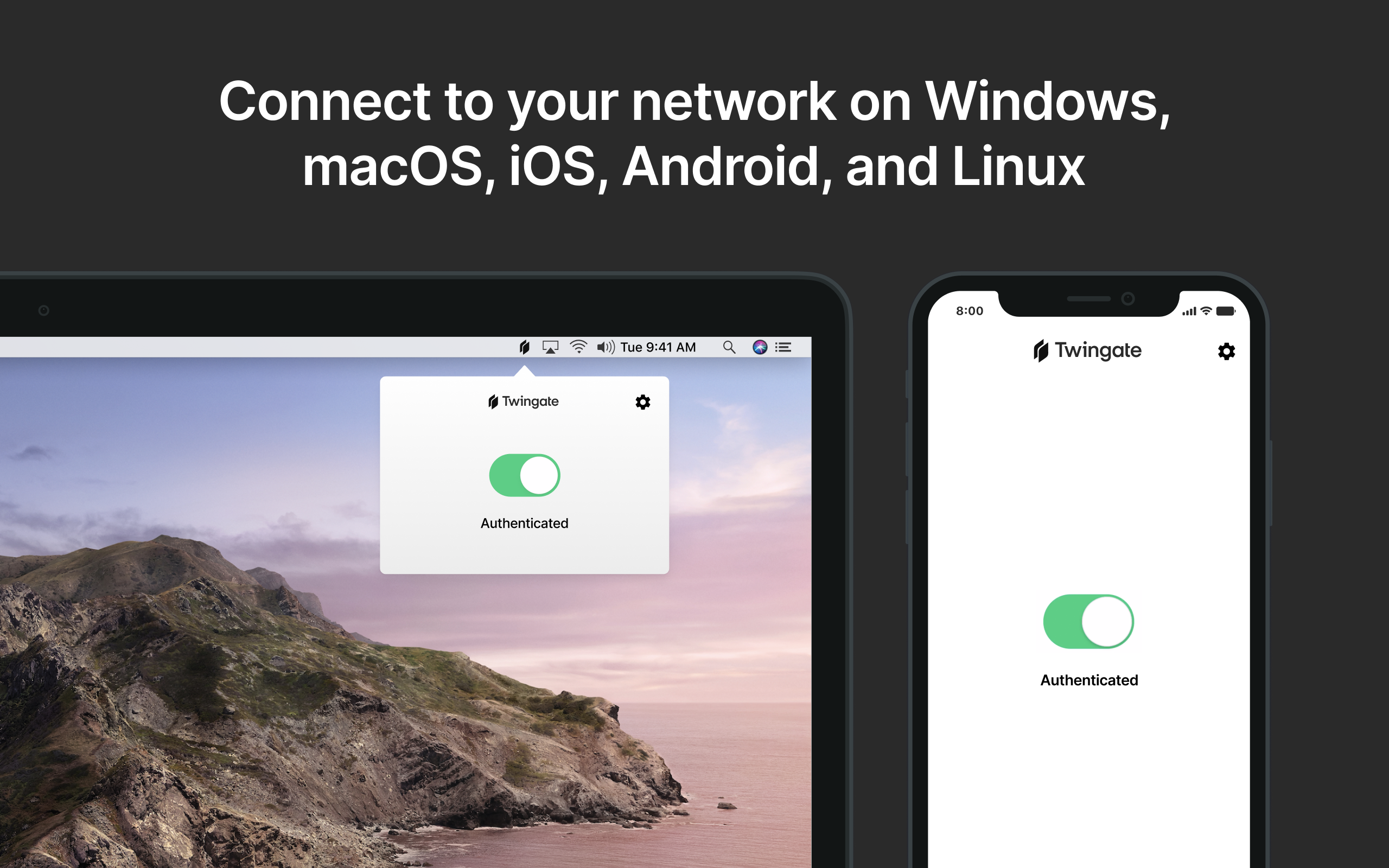 |