
Azure App Service vs. Quali CloudShell
Azure App Service vs. Quali CloudShell
| Product | Rating | Most Used By | Product Summary | Starting Price |
|---|---|---|---|---|
 Azure App Service | N/A | The Microsoft Azure App Service is a PaaS that enables users to build, deploy, and scale web apps and APIs, a fully managed service with built-in infrastructure maintenance, security patching, and scaling. Includes Azure Web Apps, Azure Mobile Apps, Azure API Apps, allowing developers to use popular frameworks including .NET, .NET Core, Java, Node.js, Python, PHP, and Ruby. | $9.49 per month | |
 Quali CloudShell | N/A | CloudShell, from Quali headquartered in Austin, is an infrastructure automation solution for cloud, on-premise, or hybrid environments. | N/A |
| Azure App Service | Quali CloudShell | |||||||||||||||
|---|---|---|---|---|---|---|---|---|---|---|---|---|---|---|---|---|
| Editions & Modules |
| No answers on this topic | ||||||||||||||
| Offerings |
| |||||||||||||||
| Entry-level Setup Fee | No setup fee | No setup fee | ||||||||||||||
| Additional Details | Free and Shared (preview) plans are ideal for testing applications in a managed Azure environment. Basic, Standard and Premium plans are for production workloads and run on dedicated Virtual Machine instances. Each instance can support multiple applications and domains. | — | ||||||||||||||
| More Pricing Information | ||||||||||||||||
| Azure App Service | Quali CloudShell |
|---|
| Azure App Service | Quali CloudShell | ||||||||||||||||||||||||||||||||||||
|---|---|---|---|---|---|---|---|---|---|---|---|---|---|---|---|---|---|---|---|---|---|---|---|---|---|---|---|---|---|---|---|---|---|---|---|---|---|
| Platform-as-a-Service |
|
| Azure App Service | Quali CloudShell | |
|---|---|---|
| Small Businesses |  AWS Lambda Score 8.3 out of 10 | AWS Lambda Score 8.3 out of 10 |
| Medium-sized Companies |  Red Hat OpenShift Score 9.2 out of 10 | Red Hat OpenShift Score 9.2 out of 10 |
| Enterprises | Red Hat OpenShift Score 9.2 out of 10 | Red Hat OpenShift Score 9.2 out of 10 |
| All Alternatives | View all alternatives | View all alternatives |
| Azure App Service | Quali CloudShell | |
|---|---|---|
| Likelihood to Recommend | 7.1 (11 ratings) | 9.1 (1 ratings) |
| Usability | 6.6 (3 ratings) | - (0 ratings) |
| Support Rating | 10.0 (2 ratings) | 9.1 (1 ratings) |
| Azure App Service | Quali CloudShell | |
|---|---|---|
| Likelihood to Recommend |  Microsoft
|  Quali (QualiSystems Ltd)
 Chuck Reynolds Founder and CTO |
| Pros | Microsoft
| Quali (QualiSystems Ltd)
Chuck Reynolds Founder and CTO |
| Cons | Microsoft
 Drew Harrison Programmer | Quali (QualiSystems Ltd)
Chuck Reynolds Founder and CTO |
| Usability | Microsoft
| Quali (QualiSystems Ltd) No answers on this topic |
| Support Rating | Microsoft
| Quali (QualiSystems Ltd)
Chuck Reynolds Founder and CTO |
| Alternatives Considered | Microsoft
| Quali (QualiSystems Ltd)
Chuck Reynolds Founder and CTO |
| Return on Investment | Microsoft
| Quali (QualiSystems Ltd)
Chuck Reynolds Founder and CTO |
| ScreenShots | Quali CloudShell Screenshots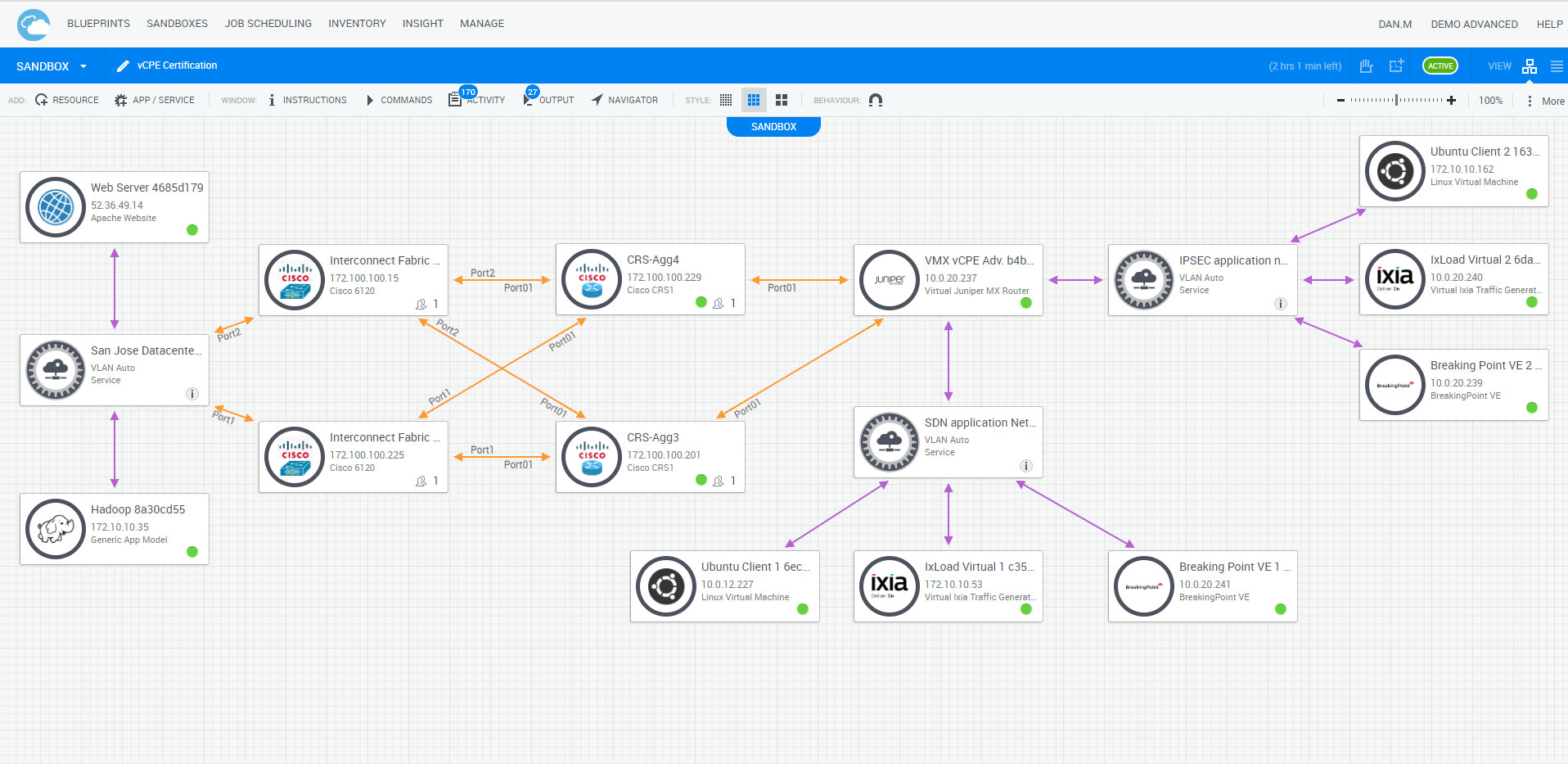   |