
Bucket vs. LaunchDarkly
Bucket vs. LaunchDarkly
| Product | Rating | Most Used By | Product Summary | Starting Price |
|---|---|---|---|---|
 Bucket | Mid-Size Companies (51-1,000 employees) | Bucket collects and combines feature engagement metrics and qualitative feedback in one place. It goes beyond feature adoption tracking by helping users to look at long-term retention and user satisfaction for every part of an application. Bucket is designed to solve the problem at the heart of SaaS products that disconnects the power of incentives and leaves developers at the mercy of their roadmap. Built for B2B SaaS, Bucket utilizes the STARS framework to… | $249 per month | |
 LaunchDarkly | N/A | LaunchDarkly provides a feature management platform that enables DevOps and Product teams to use feature flags at scale. This allows for greater collaboration among team members, and increased usability testing before full-scale feature deployment. | $12 per month |
| Bucket | LaunchDarkly | |||||||||||||||
|---|---|---|---|---|---|---|---|---|---|---|---|---|---|---|---|---|
| Editions & Modules |
|
| ||||||||||||||
| Offerings |
| |||||||||||||||
| Entry-level Setup Fee | No setup fee | Optional | ||||||||||||||
| Additional Details | — | Discount available on the Foundation plan for annual pricing. | ||||||||||||||
| More Pricing Information | ||||||||||||||||
| Bucket | LaunchDarkly |
|---|
| Bucket | LaunchDarkly | |
|---|---|---|
| Small Businesses |  GitLab Score 8.8 out of 10 | GitLab Score 8.8 out of 10 |
| Medium-sized Companies | GitLab Score 8.8 out of 10 | GitLab Score 8.8 out of 10 |
| Enterprises | GitLab Score 8.8 out of 10 | GitLab Score 8.8 out of 10 |
| All Alternatives | View all alternatives | View all alternatives |
| Bucket | LaunchDarkly | |
|---|---|---|
| Likelihood to Recommend | - (0 ratings) | 10.0 (28 ratings) |
| Likelihood to Renew | - (0 ratings) | 7.0 (1 ratings) |
| Usability | - (0 ratings) | 7.4 (26 ratings) |
| Availability | - (0 ratings) | 10.0 (1 ratings) |
| Performance | - (0 ratings) | 8.1 (26 ratings) |
| Support Rating | - (0 ratings) | 10.0 (1 ratings) |
| Implementation Rating | - (0 ratings) | 9.0 (1 ratings) |
| Configurability | - (0 ratings) | 8.0 (1 ratings) |
| Ease of integration | - (0 ratings) | 8.0 (1 ratings) |
| Product Scalability | - (0 ratings) | 10.0 (1 ratings) |
| Vendor post-sale | - (0 ratings) | 8.0 (1 ratings) |
| Vendor pre-sale | - (0 ratings) | 10.0 (1 ratings) |
| Bucket | LaunchDarkly | |
|---|---|---|
| Likelihood to Recommend | Bucket No answers on this topic | LaunchDarkly
|
| Pros | Bucket No answers on this topic | LaunchDarkly
|
| Cons | Bucket No answers on this topic | LaunchDarkly
|
| Likelihood to Renew | Bucket No answers on this topic | LaunchDarkly
 Anderson Carvalho Lead Site Reliability Engineer |
| Usability | Bucket No answers on this topic | LaunchDarkly
 Michael Gallouedec Senior Software Engineer |
| Reliability and Availability | Bucket No answers on this topic | LaunchDarkly
Anderson Carvalho Lead Site Reliability Engineer |
| Performance | Bucket No answers on this topic | LaunchDarkly
|
| Support Rating | Bucket No answers on this topic | LaunchDarkly
Anderson Carvalho Lead Site Reliability Engineer |
| Implementation Rating | Bucket No answers on this topic | LaunchDarkly
Anderson Carvalho Lead Site Reliability Engineer |
| Alternatives Considered | Bucket No answers on this topic | LaunchDarkly
 Daniel Yefet Lead Developer |
| Scalability | Bucket No answers on this topic | LaunchDarkly
Anderson Carvalho Lead Site Reliability Engineer |
| Return on Investment | Bucket No answers on this topic | LaunchDarkly
|
| ScreenShots | Bucket Screenshots 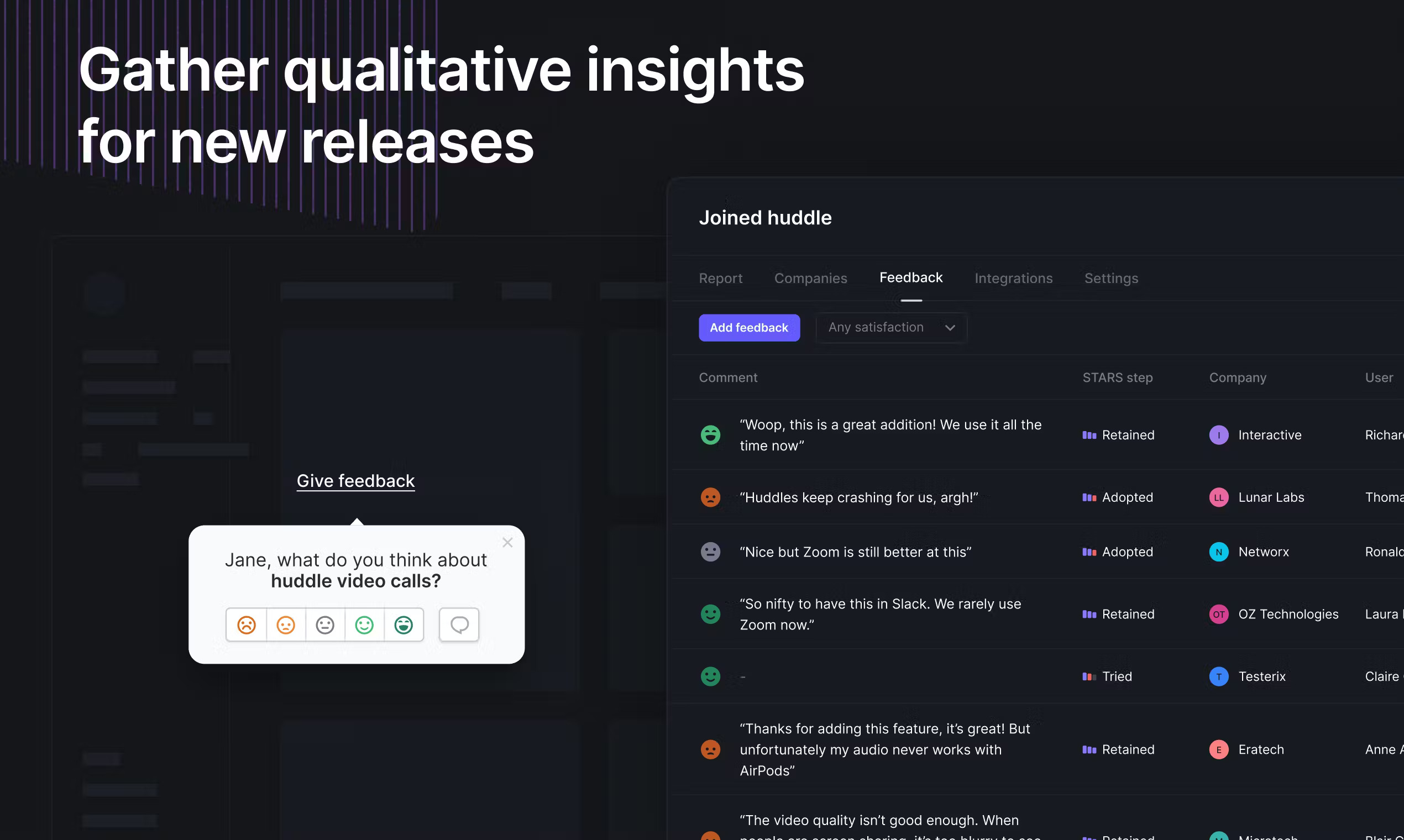  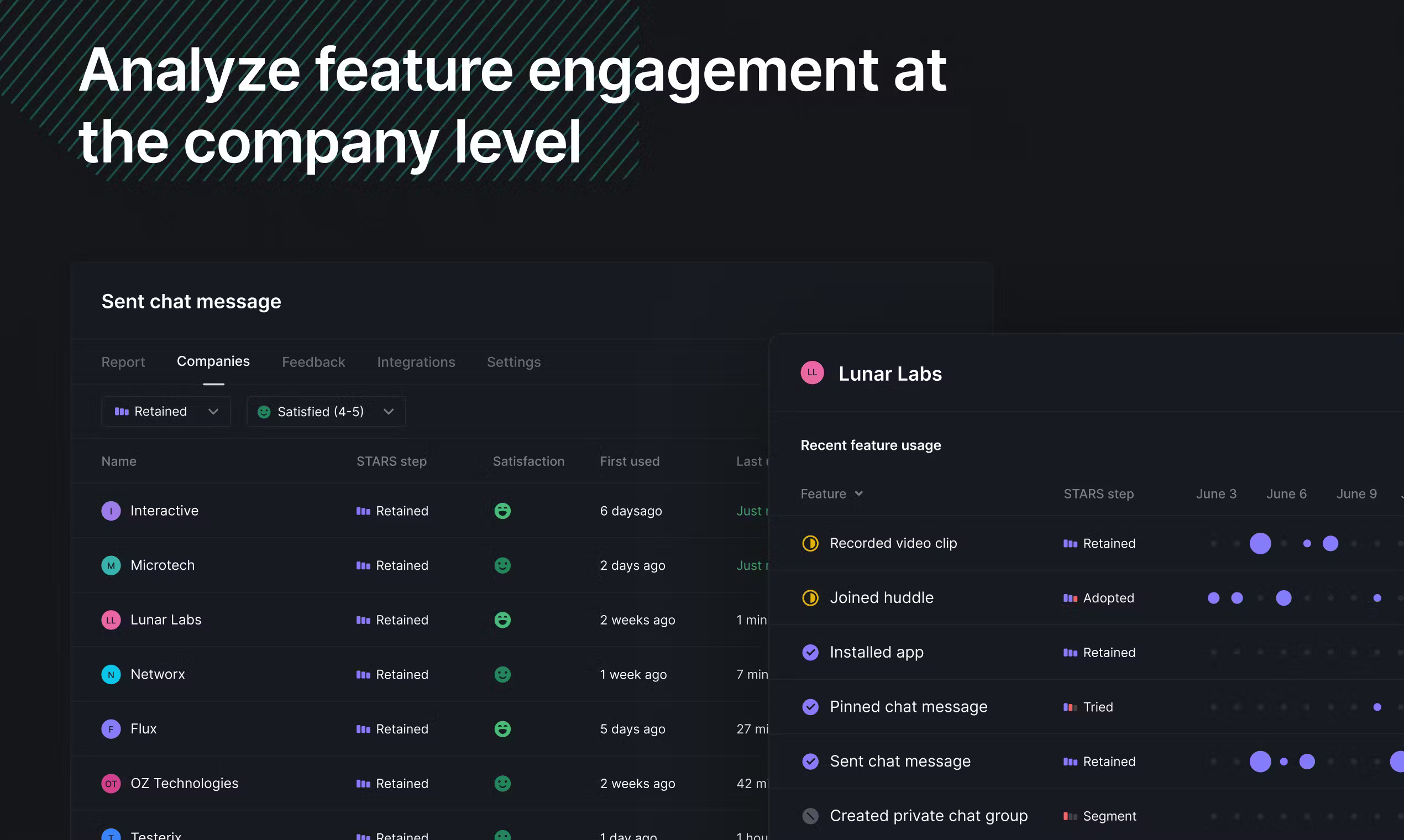  | LaunchDarkly Screenshots 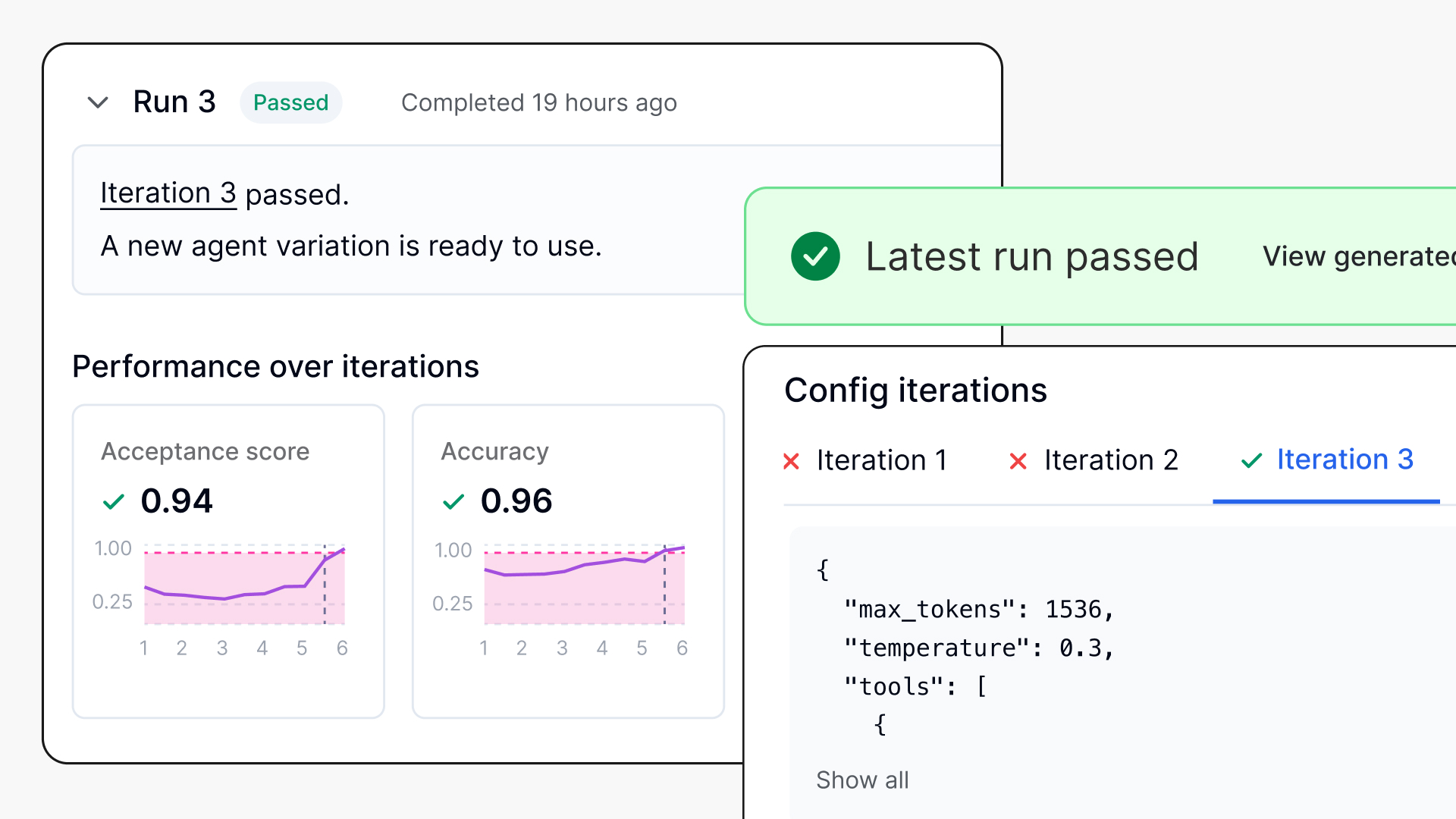 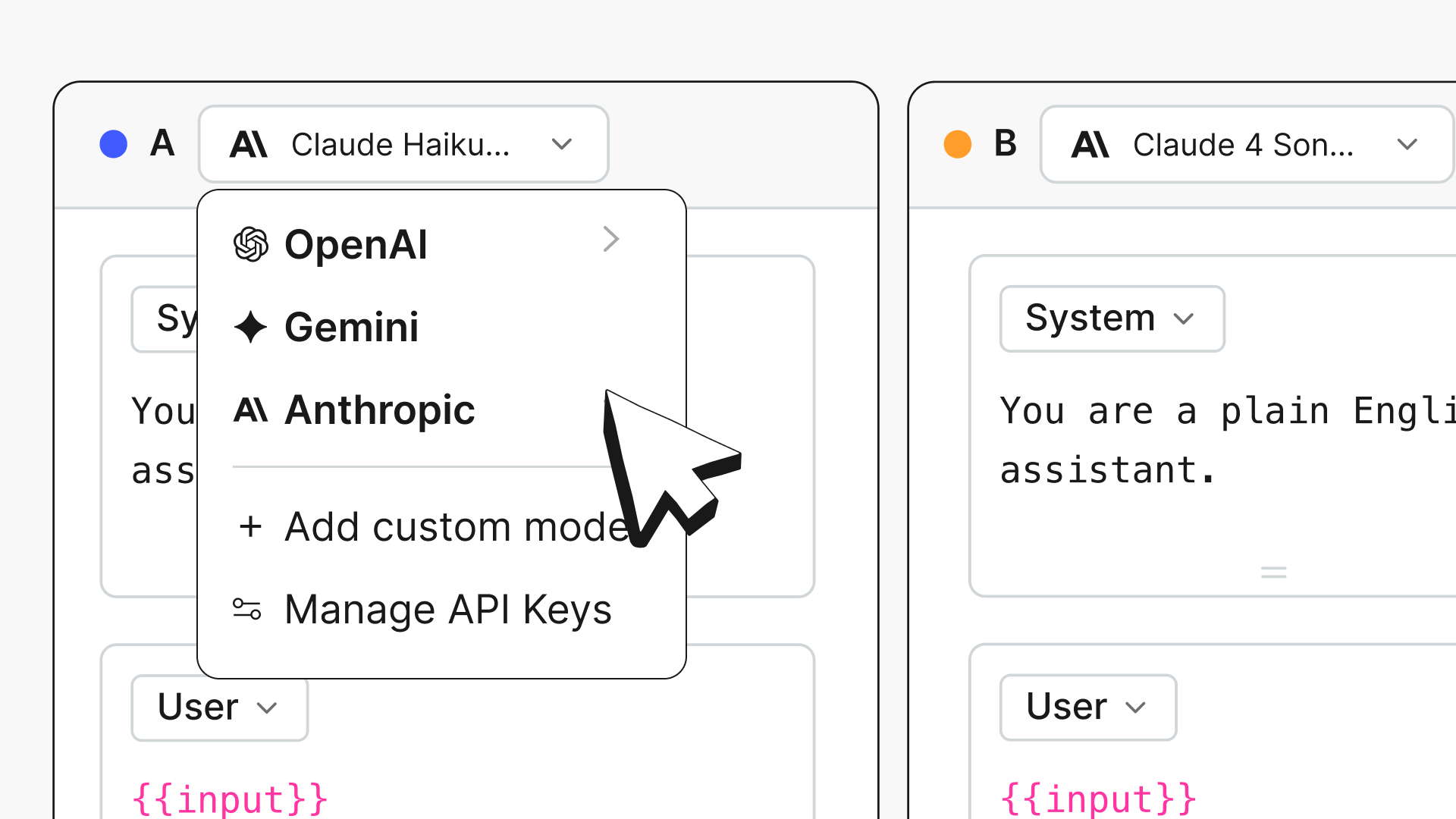 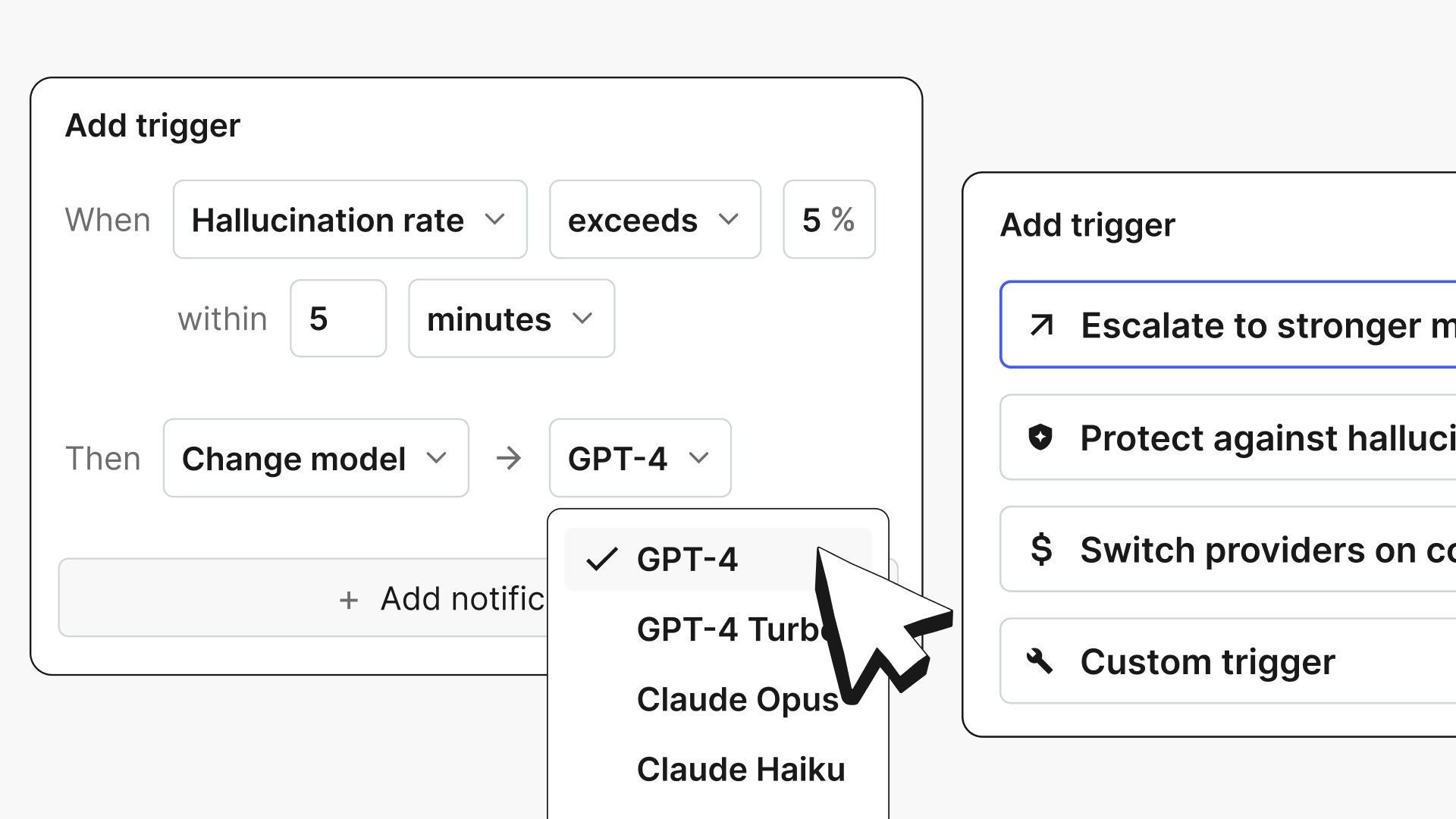 |