Cisco HyperFlex Systems is a hyper-converged infrastructure product, based on technology acquired with SpringPath (acquired September 2017). Cisco's modern HCI solution is Cisco Compute Hyperconverged with Nutanix.
N/A
IBM Storage DS8000
Score8 out of 10
N/A
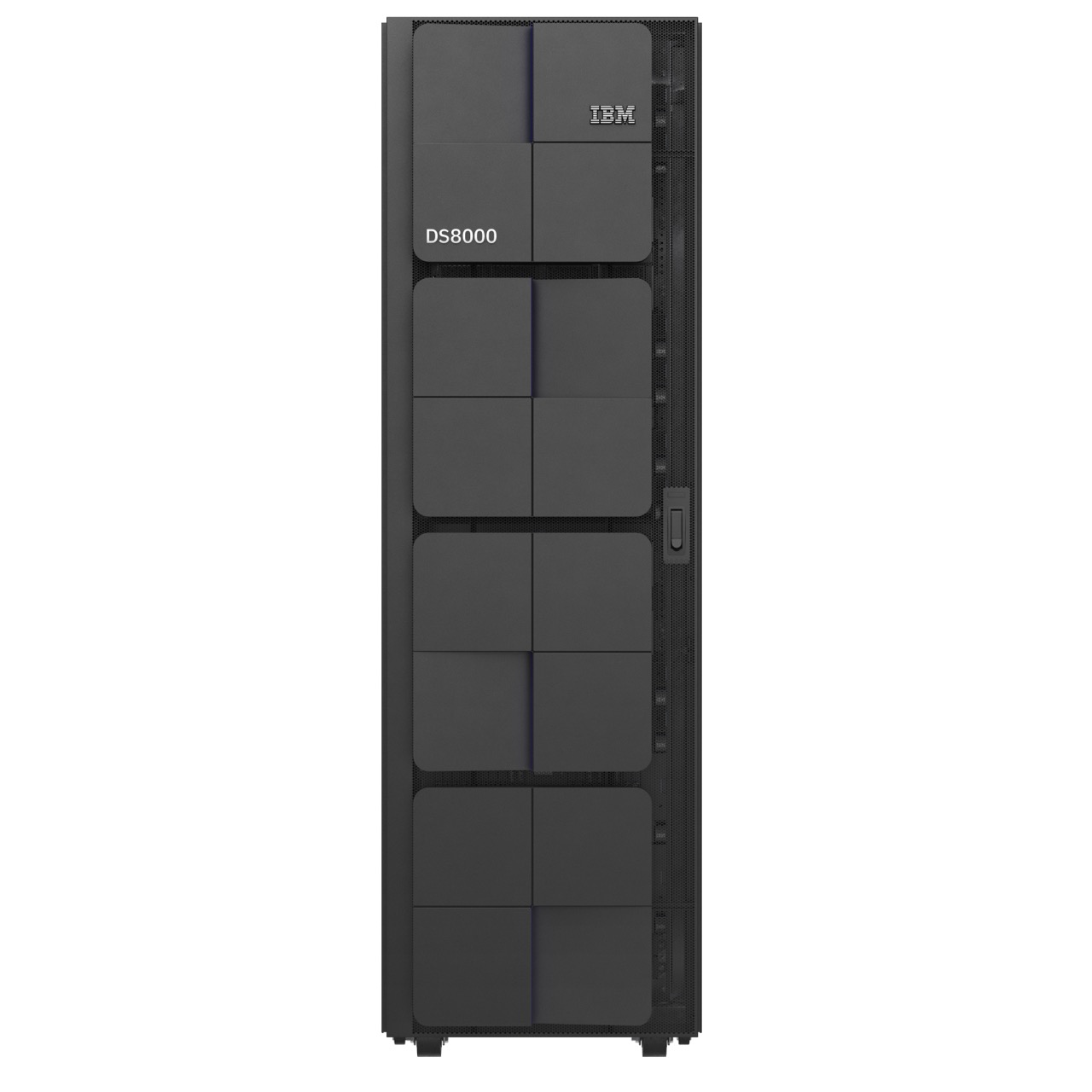
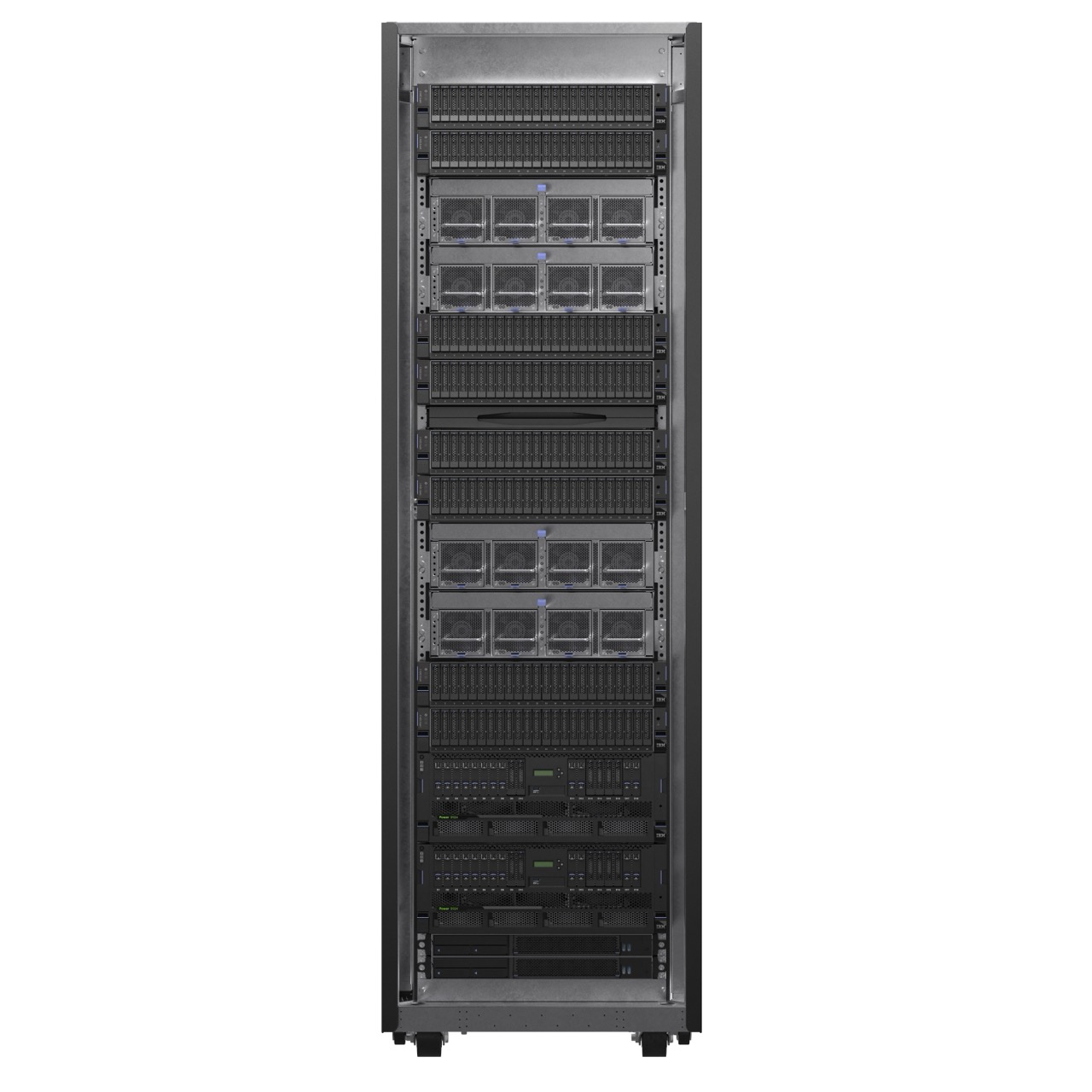
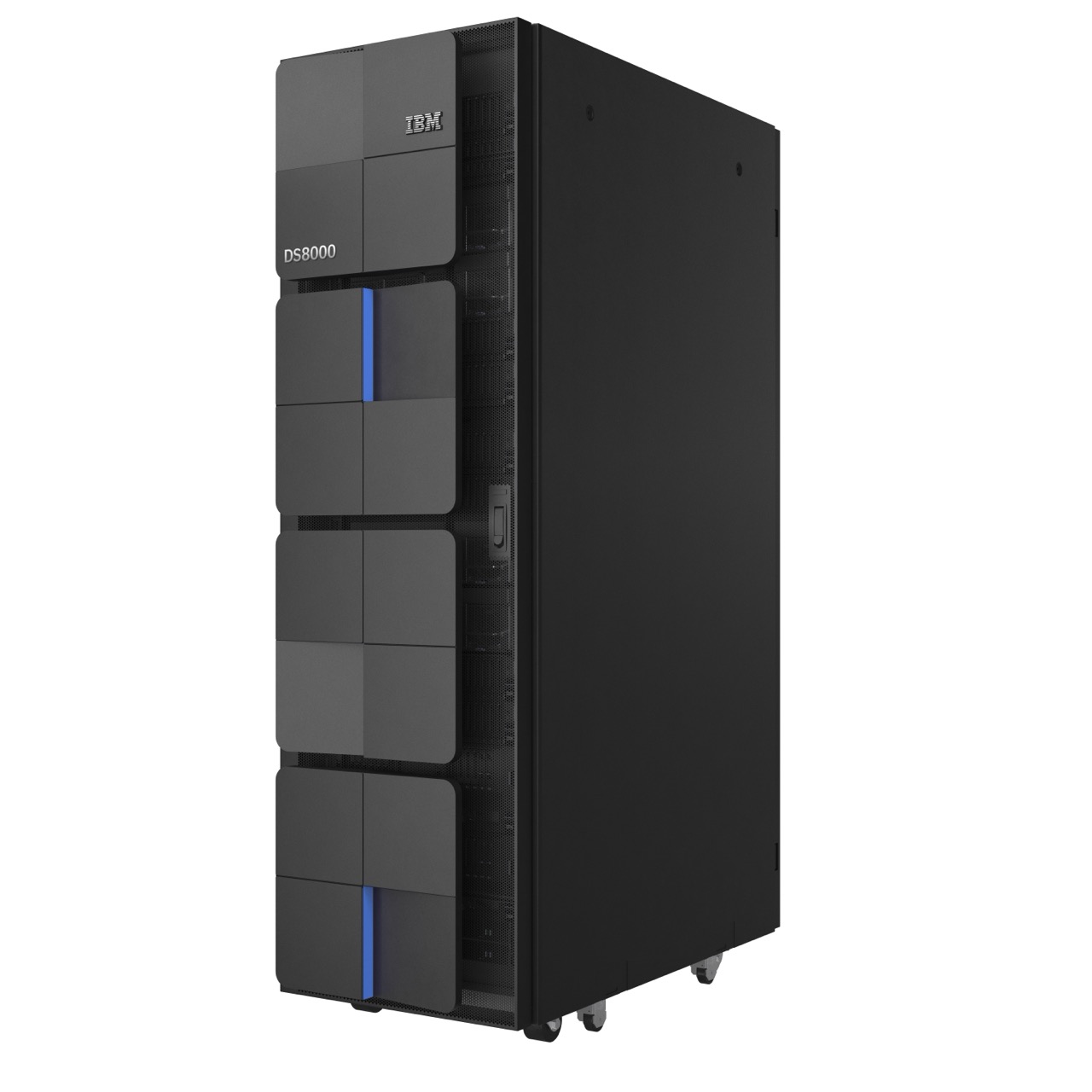
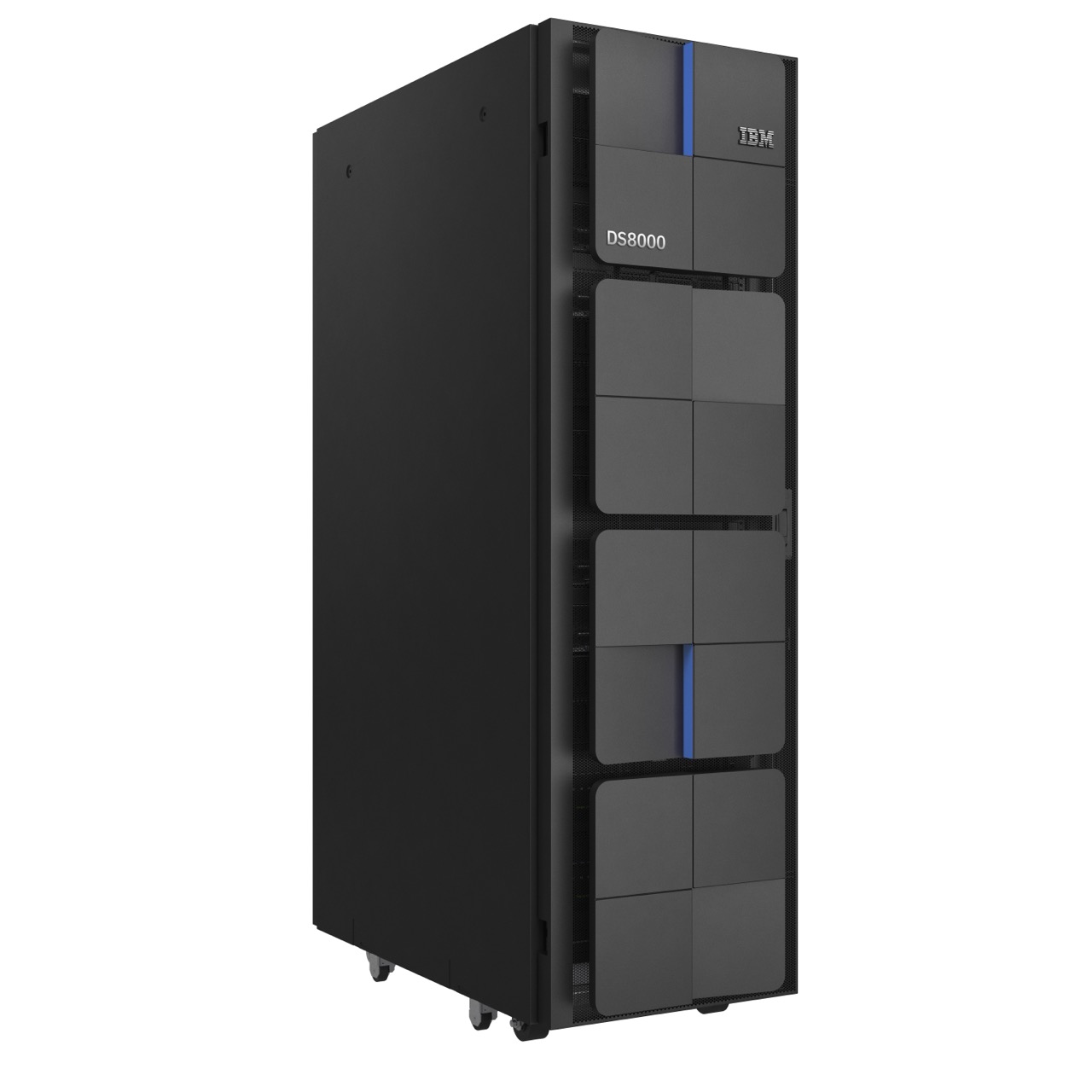
IBM Storage DS8000 (10th Generation) is an enterprise-class storage for IBM Z and IBM i architectures. It combines encryption with cyber threat detection and assisted recovery – delivering uninterrupted mission-critical data for the world’s most demanding enterprises.
Smaller sites that would benefit from a cluster of 2-5 nodes. Not saying that it can't scale above that, but I find HyperFlex a great solution for those sites. A simple 3-node edge cluster can provide a huge amount of resources and redundancy. It's also really easy to scale the environment to meet growth requirements.
A de minimis incentive was given to thank the reviewer for their time. The incentive was not used to bias or drive a particular response, nor was the incentive contingent on a positive endorsement. More Info
Well suited for mainframe CKD based applications. There is unmatched synergy with IBM zSeries when compared to the competition, for example zHPF, SUPERPAV, zHyperLink, cache management and replication technologies. For distributed, the fact that Copy Services Manager comes with the box is a great move on IBMs part to provide replication capability no matter what the applicaiton. I think the DS8k is less suited for smaller distributed environments. I think product overlap with V9000 in this case
A de minimis incentive was given to thank the reviewer for their time. The incentive was not used to bias or drive a particular response, nor was the incentive contingent on a positive endorsement. More Info
UCS manager in HX is truly helping us in doing one touch firmware upgrades. Scaling of HX cluster (in few minutes) is too seamlessly due to service profiles.
HX does not hold you back by creating a single data store unlike other HCI products. With HX, you can create multiple data stores and allocate those to desired services. This help logically separate the install base on HX and removes confusion for the admins too.
We run high IOPs workload on HX, and we never felt latency issues due to the Cisco backbone (as you get FI as a TOR switch and options to choose 10G or 40G speeds).
With HX you truly enjoy a single window support from Cisco including for the top of the rack switch (FI in HX case). In other HCI infra, you certainly have to bank on to network switch vendor for support and bring HCI and switch vendor at one pane for troubleshooting latency related issues.
While we increased our footprint on HX, we didn't added additional administrators to support the landscape. This was possible because of the simplicity in managing HX clusters.
With HX we had setup stretched cluster between two near site data centres. This is a unique proposition in HX (we have 2 nodes in each data centre) and data centre failover works absolutely seamless.
A de minimis incentive was given to thank the reviewer for their time. The incentive was not used to bias or drive a particular response, nor was the incentive contingent on a positive endorsement. More Info
Remote Copy -- The DS8k has decades of excellent code built to handle the most demanding environments for mainframe or open systems and can be combined with automation solutions like GDPS or Copy Services Manager
Reliability and Availability -- This is the platform that gets used for the most demanding environments, even when FICON attachment isn't required
Continued enhancement -- IBM continues to put resources into the DS8k and the platform has advanced with the technology from z and power
Mainframe synergy -- Poughkeepsie communicates and works very closely with the DS8k developers
A de minimis incentive was given to thank the reviewer for their time. The incentive was not used to bias or drive a particular response, nor was the incentive contingent on a positive endorsement. More Info
there is the problem with starting cluster where there are not outside DNS and NTP services so we need to workaround this with additional storage or hosting it on the local storage.. many clusters has internal DNS/NTP services not available from outside and they need to be hosted on the HX
there is not RBAC or user mgmt on the CVMs so it is difficult to not add full permission for the people responsible for just shutdown and power on the cluster
native snapshots support with ibm backup products
running from not the only last snapshot in all use cases
A de minimis incentive was given to thank the reviewer for their time. The incentive was not used to bias or drive a particular response, nor was the incentive contingent on a positive endorsement. More Info
A de minimis incentive was given to thank the reviewer for their time. The incentive was not used to bias or drive a particular response, nor was the incentive contingent on a positive endorsement. More Info
A de minimis incentive was given to thank the reviewer for their time. The incentive was not used to bias or drive a particular response, nor was the incentive contingent on a positive endorsement. More Info
A de minimis incentive was given to thank the reviewer for their time. The incentive was not used to bias or drive a particular response, nor was the incentive contingent on a positive endorsement. More Info
More documentation is available now than when the product initially came out (which was an issue early on). Because it only supports UCS hardware, I think it does help with support issues. Nutanix has to support much more hardware. At the same time, you're dealing with the Cisco TAC, which can be mixed at times.
A de minimis incentive was given to thank the reviewer for their time. The incentive was not used to bias or drive a particular response, nor was the incentive contingent on a positive endorsement. More Info
A de minimis incentive was given to thank the reviewer for their time. The incentive was not used to bias or drive a particular response, nor was the incentive contingent on a positive endorsement. More Info
HyperFlex is built on top of Cisco UCS infrastructure, which allows us to manage other non-HX servers attached to the same UCS environment. This allows us to tie everything together via Intersight and see all of the servers in our data centers. Other platforms don't really have a comparable offering.
A de minimis incentive was given to thank the reviewer for their time. The incentive was not used to bias or drive a particular response, nor was the incentive contingent on a positive endorsement. More Info
A de minimis incentive was given to thank the reviewer for their time. The incentive was not used to bias or drive a particular response, nor was the incentive contingent on a positive endorsement. More Info
The simplified management makes it easier to operate and prevents mistakes.
Guided installation using the installer VM means you don't have to configure every component by hand. Improves deployment speed and lowers the risk of configuration issues.
Performance increase of 40-90% compared to our previous compute/storage cluster.
A de minimis incentive was given to thank the reviewer for their time. The incentive was not used to bias or drive a particular response, nor was the incentive contingent on a positive endorsement. More Info