
Coupler.io vs. Oracle WebLogic Server
| Product | Rating | Most Used By | Product Summary | Starting Price |
|---|---|---|---|---|
 Coupler.io | Score6.3 out of 10 | N/A | Coupler.io is a no-code data automation and analytics platform. It allows users to collect, organize, transform, visualize, and act on their business data. Coupler.io offers over 1800 data integrations with Microsoft Ads, Google Analytics, GoHighLevel, Xero, Pipedrive, Airtable, Shopify, and other popular platforms. It allows the automatic loading of data to Excel, BigQuery, Power BI, Tableau, etc. Coupler.io's integrations with AI agents… | $32 per month per installation |
 Oracle WebLogic Server | Score7.3 out of 10 | N/A | Oracle WebLogic Server is a unified and extensible platform for developing, deploying and running enterprise applications, such as Java, for on-premises and in the cloud. WebLogic Server offers a scalable implementation of Java Enterprise Edition (EE) and Jakarta EE. | N/A |
| Coupler.io | Oracle WebLogic Server | |||||||||||||||
|---|---|---|---|---|---|---|---|---|---|---|---|---|---|---|---|---|
| Editions & Modules |
| No answers on this topic | ||||||||||||||
| Offerings |
| |||||||||||||||
| Entry-level Setup Fee | No setup fee | No setup fee | ||||||||||||||
| Additional Details | Discount of up to 25% for annual billing. | — | ||||||||||||||
| More Pricing Information | ||||||||||||||||
| Coupler.io | Oracle WebLogic Server | |
|---|---|---|
| Considered Both Products | No answer on this topic | No answer on this topic |
| Key User Insights | ||
| Would buy again | ||
No answers on this topic | 78% Would buy again 7 Answers | |
| Delivers good value for the price | ||
No answers on this topic | 86% Delivers good value for the price 6 Answers | |
| Happy with the feature set | ||
No answers on this topic | 100% Happy with the feature set 9 Answers | |
| Lived up to sales and marketing promises | ||
No answers on this topic | 100% Lived up to sales and marketing promises 6 Answers | |
| Implementation went as expected | ||
No answers on this topic | 83% Implementation went as expected 5 Answers | |
| Coupler.io | Oracle WebLogic Server | ||||||||||||||||||||||
|---|---|---|---|---|---|---|---|---|---|---|---|---|---|---|---|---|---|---|---|---|---|---|---|
| Cloud Data Integration |
| ||||||||||||||||||||||
| Application Servers |
| ||||||||||||||||||||||
| Coupler.io | Oracle WebLogic Server | |
|---|---|---|
| Small Businesses |  Make Score9.3 out of 10 |  NGINX Score9.1 out of 10 |
| Medium-sized Companies |  IBM App Connect Score9 out of 10 | NGINX Score9.1 out of 10 |
| Enterprises |  Workato Score9.3 out of 10 | NGINX Score9.1 out of 10 |
| All Alternatives | View all alternatives | View all alternatives |
| Coupler.io | Oracle WebLogic Server | |
|---|---|---|
| Likelihood to Recommend | 10.0 | 7.2 |
| Likelihood to Renew | - | 9.0 |
| Usability | 10.0 | 7.0 |
| Performance | - | 9.0 |
| Support Rating | - | 6.0 |
| Ease of integration | - | 9.0 |
| Coupler.io | Oracle WebLogic Server | |
|---|---|---|
| Likelihood to Recommend |
|
|
| Pros |
|
|
| Cons |
|
|
| Usability |
|
|
| Performance | No answers on this topic |
|
| Support Rating | No answers on this topic |
|
| Alternatives Considered |
|
|
| Return on Investment |
|
|
| ScreenShots | Coupler.io Screenshots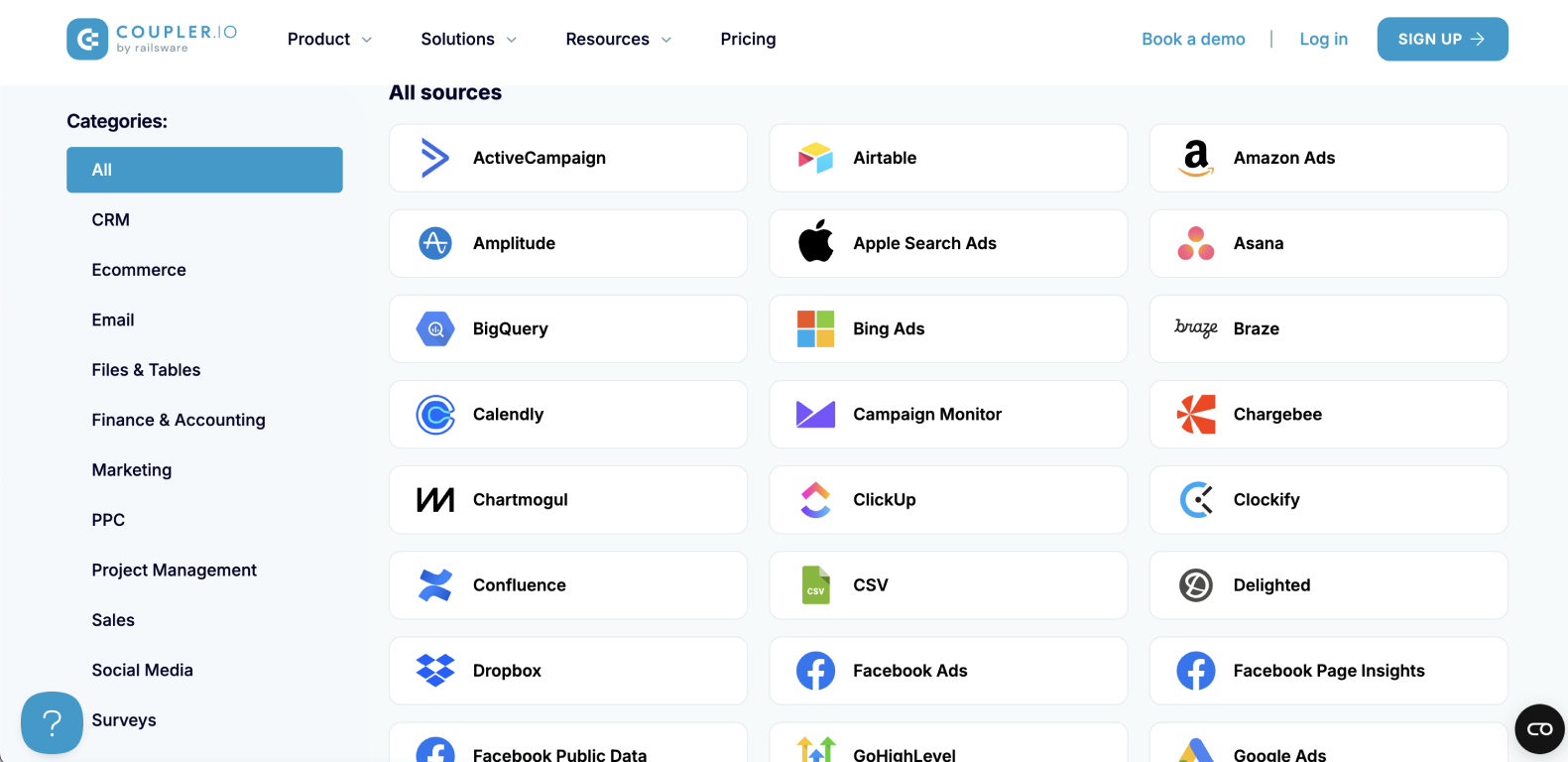 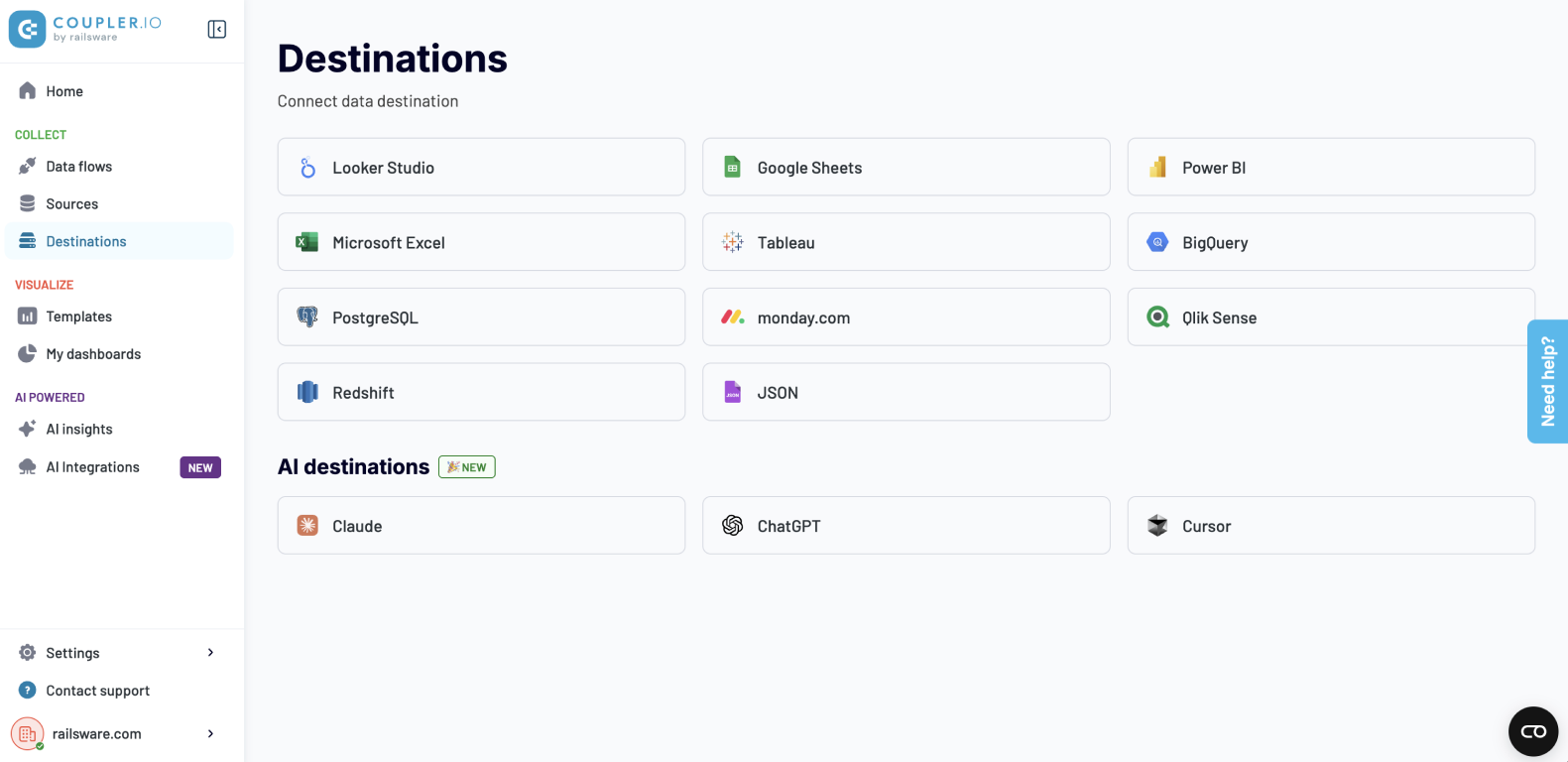 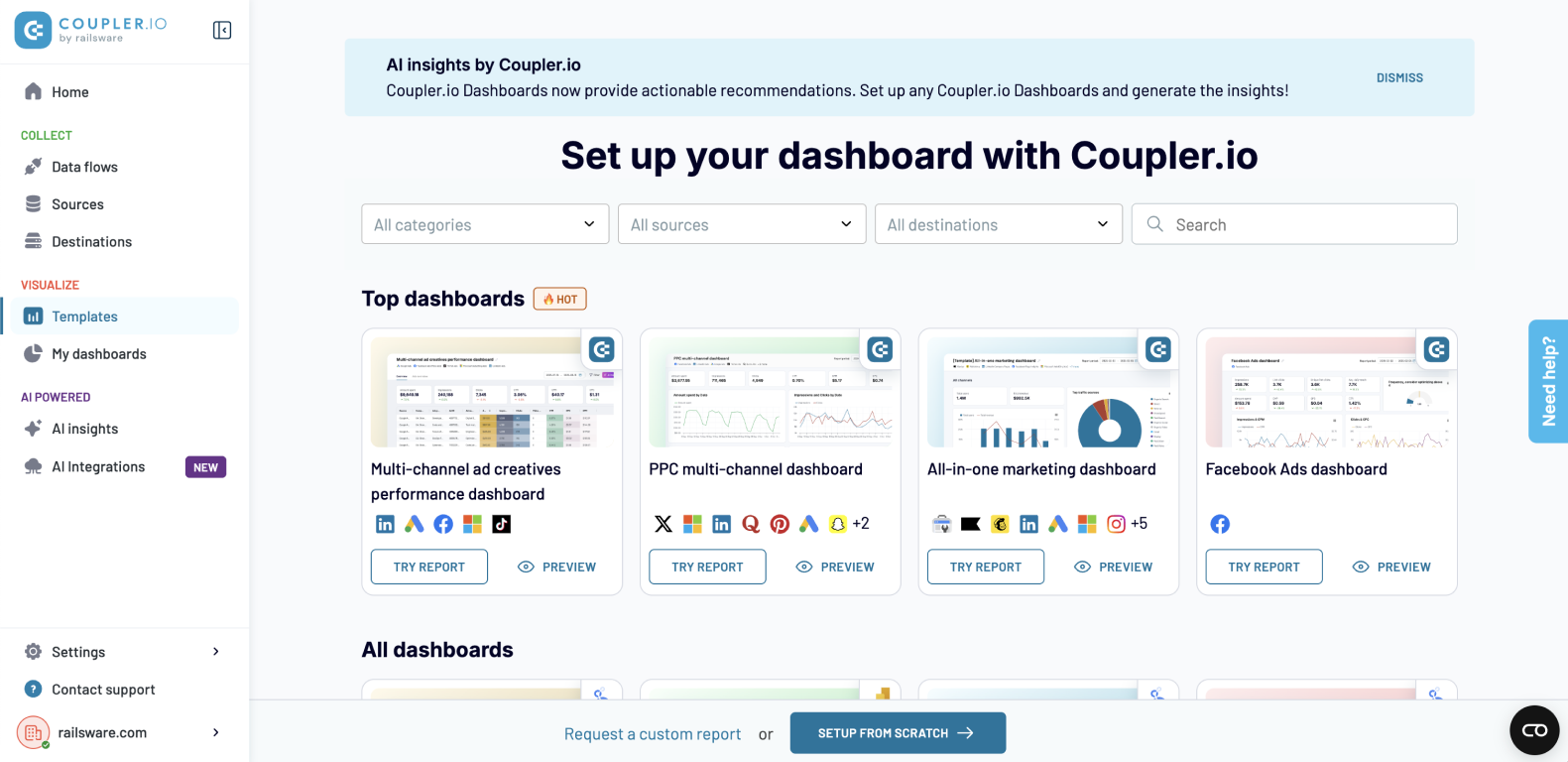 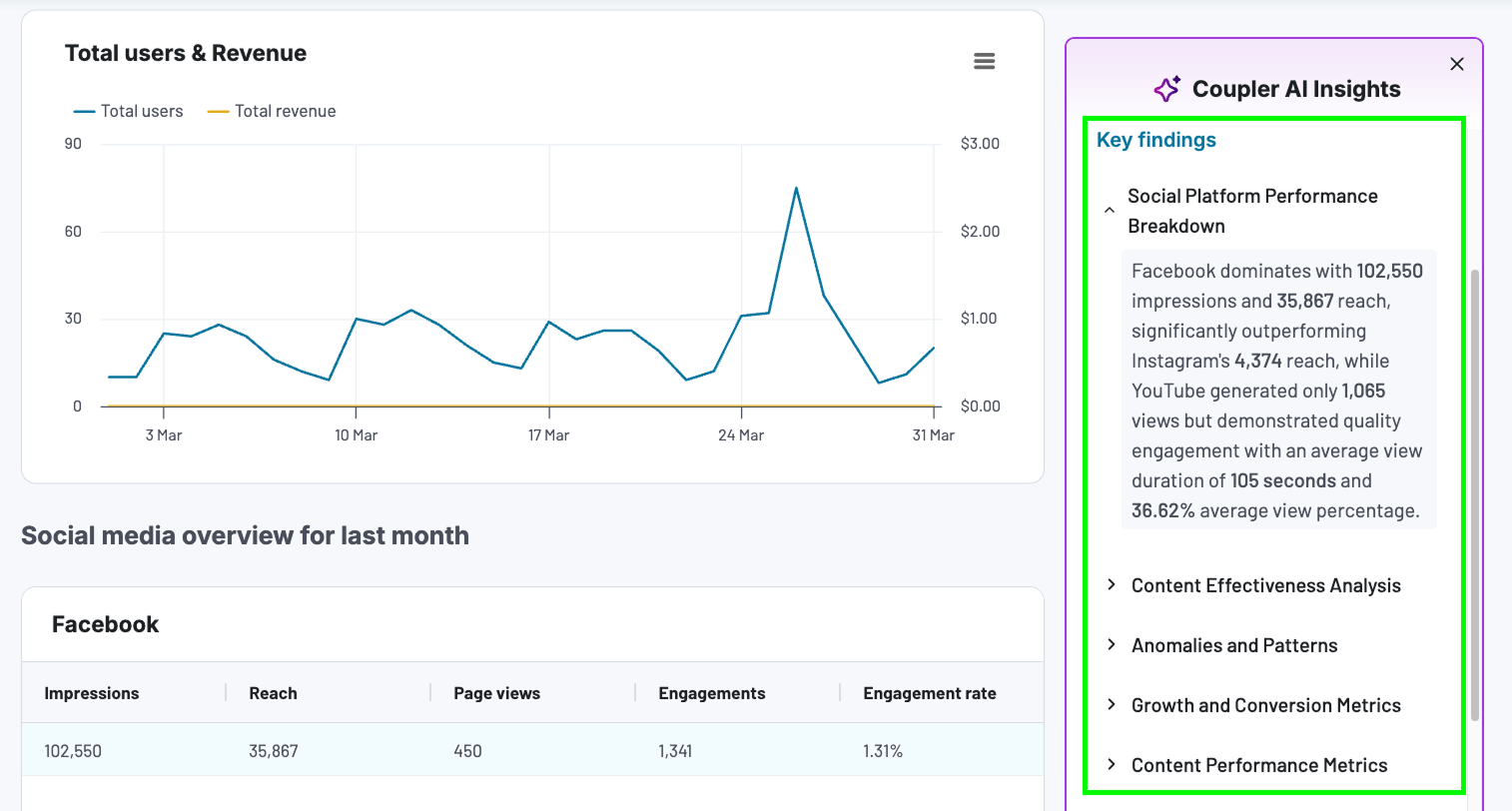 |




