CyberArk is a privileged account and access security suite issued by the company of the same name in Massachusetts . The Core Privileged Access Security Solution unifies Enterprise Password Vault, Privileged Session Manager and Privileged Threat Analytics to protect an organization’s most critical assets.
N/A
Keeper
Score8.3 out of 10
N/A
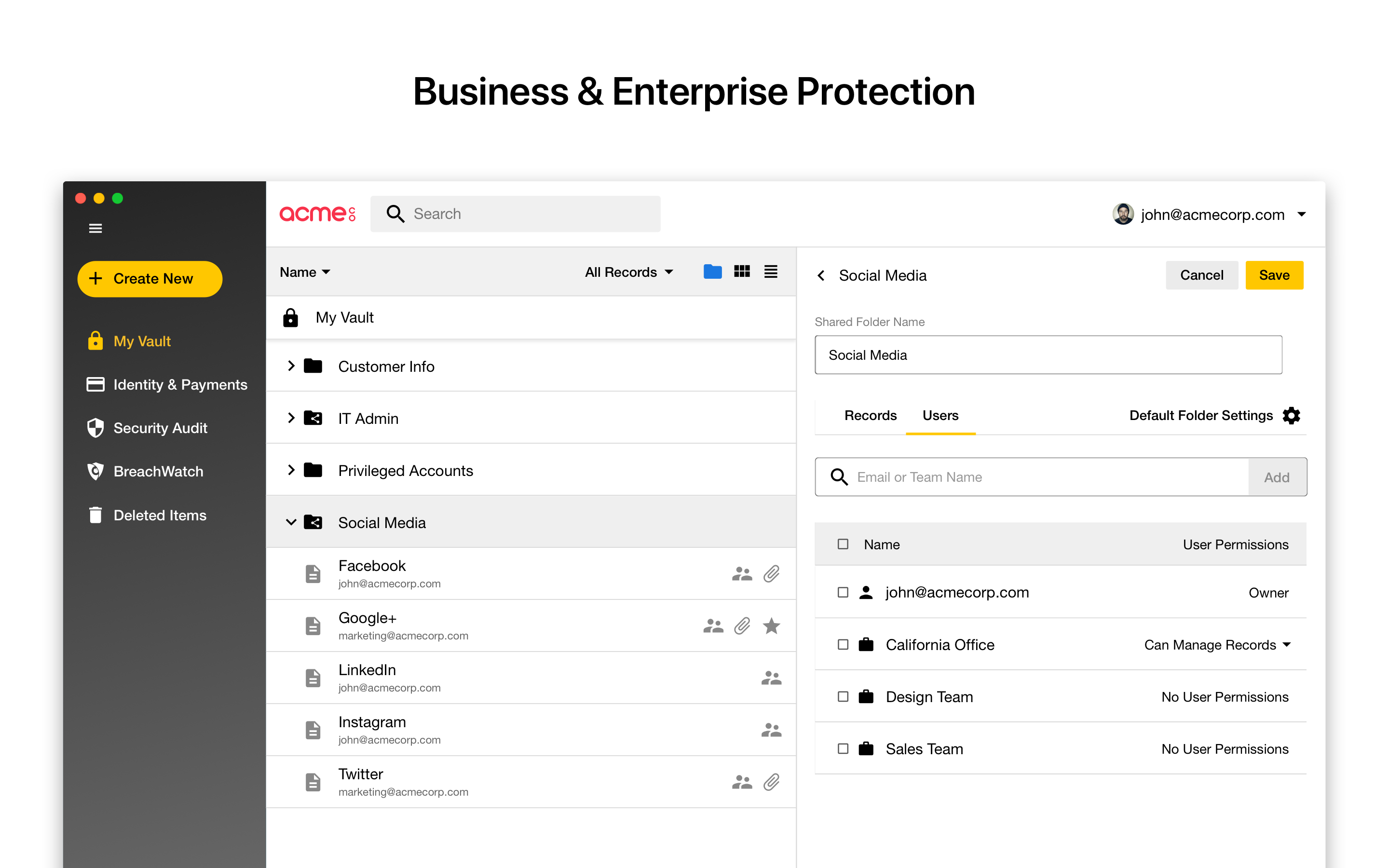
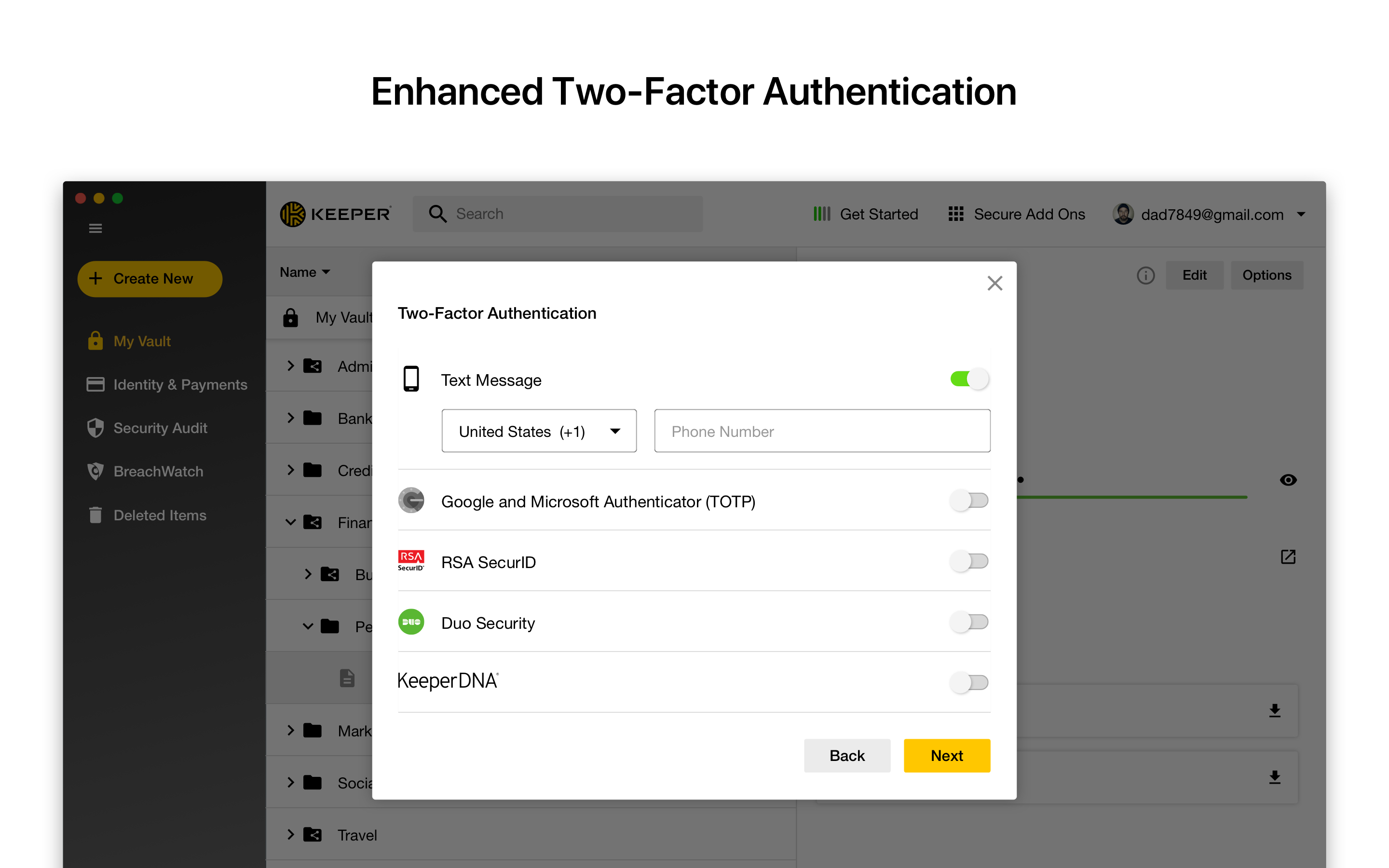
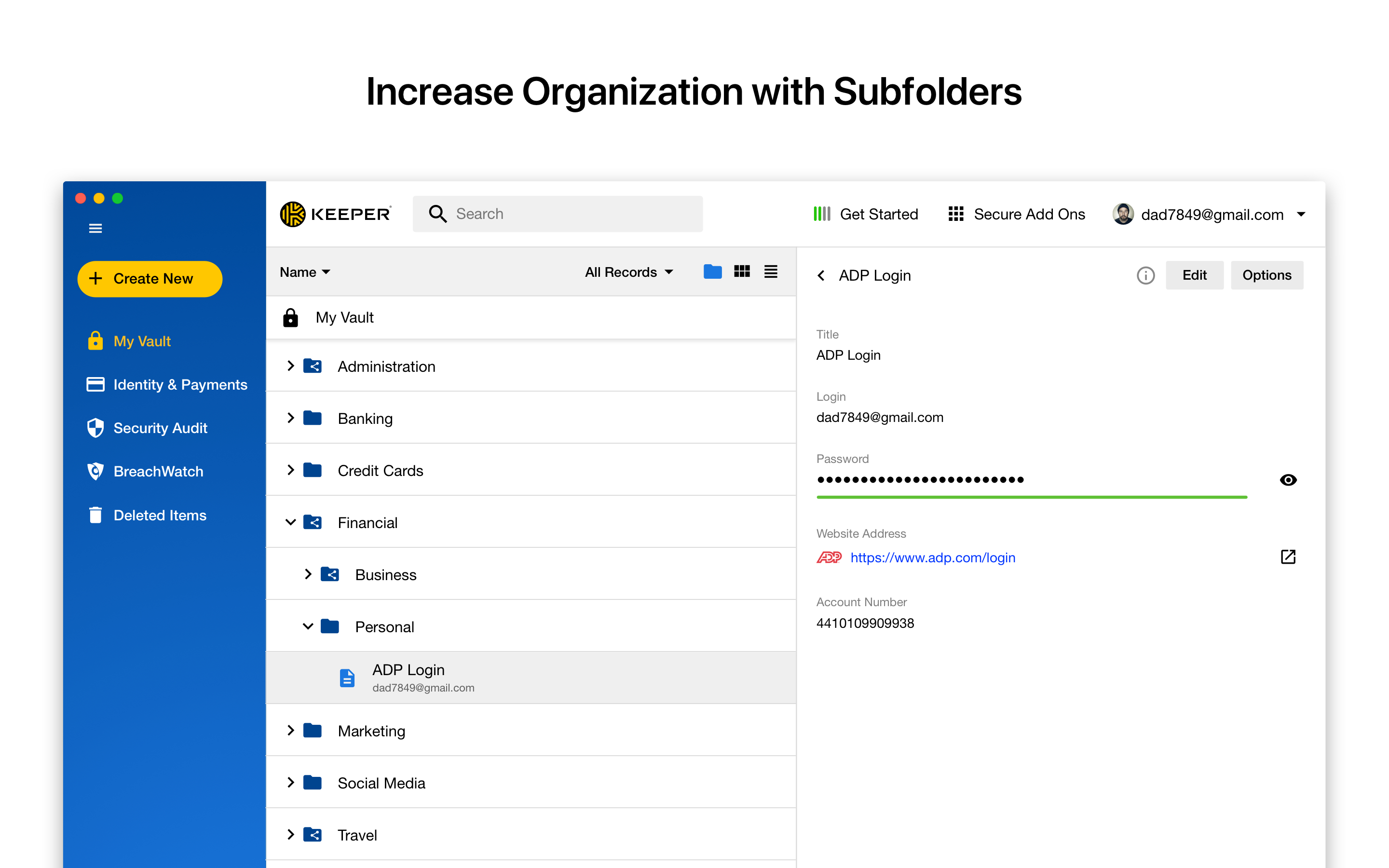
Keeper's password security and management platform boasts millions of people and thousands of businesses as users, who manage, secure and enforce strong passwords across all employee logins, applications and sites. Employees can access Keeper natively on all mobile operating systems, desktops and browsers. Keeper enables businesses to auto-generate high-strength passwords, protect sensitive files in an encrypted digital vault, securely share records with teams and integrate with SSO, LDAP and…
$2
per month per user
Pricing
CyberArk Privileged Access Management
Keeper
Editions & Modules
No answers on this topic
Keeper Business Starter
$2.00
per month per user
Keeper Enterprise
Contact Keeper for pricing
Offerings
Pricing Offerings
CyberArk Privileged Access Management
Keeper
Free Trial
Yes
Yes
Free/Freemium Version
No
No
Premium Consulting/Integration Services
No
Yes
Entry-level Setup Fee
No setup fee
No setup fee
Additional Details
CyberArk offers a variety of Identity Security packages for different user types within an organization.
The system is great for enterprise or larger IT departments or teams where temporary or full access may be given using privileged IDs. Requirements for needing local admin access is also eliminated which can help with specific Windows workstation related tasks. It can be very useful when working with remote teams or contractors who may need temporary access to a system when required.
A de minimis incentive was given to thank the reviewer for their time. The incentive was not used to bias or drive a particular response, nor was the incentive contingent on a positive endorsement. More Info
Would recommend both for organisations and personal users where passwords management is needed. Particularly in 2026 and the large emphasis of security in your day to day uses.
Having a secure management tool will assist with breaches and organisation of your credentials and confidential data that can be stored within the tenant.
A de minimis incentive was given to thank the reviewer for their time. The incentive was not used to bias or drive a particular response, nor was the incentive contingent on a positive endorsement. More Info
Automatically discover new servers on the network and take control of the local admin password by vaulting it and ensuring nobody knows the password. A different password on every server.
Automatically roll the password in a configurable manner - after each use, after a certain period of time, etc.
Track and govern sensitive account usage by ensuring only properly authorized users can access the vault and obtain the credentials and then monitor usage.
A de minimis incentive was given to thank the reviewer for their time. The incentive was not used to bias or drive a particular response, nor was the incentive contingent on a positive endorsement. More Info
A de minimis incentive was given to thank the reviewer for their time. The incentive was not used to bias or drive a particular response, nor was the incentive contingent on a positive endorsement. More Info
A de minimis incentive was given to thank the reviewer for their time. The incentive was not used to bias or drive a particular response, nor was the incentive contingent on a positive endorsement. More Info
A de minimis incentive was given to thank the reviewer for their time. The incentive was not used to bias or drive a particular response, nor was the incentive contingent on a positive endorsement. More Info
It’s very usable once the complexity of deployment has completed. It is a useful tool that is easy to learn and the user interface is laid out well. It works with SSO for our organization which makes secure login very fast as well. It works well across our need of on premises systems and cloud very quickly.
A de minimis incentive was given to thank the reviewer for their time. The incentive was not used to bias or drive a particular response, nor was the incentive contingent on a positive endorsement. More Info
It's just easy to use, plain and simple. It has the complexity and user-interface that gives you confidence in its build but the ease-of-use that keep things from getting too complicated. A huge plus when you have to onboard new members of the team or summer interns when you need them to step in and make orders on your behalf.
A de minimis incentive was given to thank the reviewer for their time. The incentive was not used to bias or drive a particular response, nor was the incentive contingent on a positive endorsement. More Info
I've been an engineer and architect in the Identity space for many years and CyberArk is the #1 tool I've found to help me secure accounts and credentials. I've architected CyberArk and built the implementation from the ground up twice in previous roles and found it here upon my arrival at my current job. I wouldn't want to have to live without it as it helps me sleep at night
A de minimis incentive was given to thank the reviewer for their time. The incentive was not used to bias or drive a particular response, nor was the incentive contingent on a positive endorsement. More Info
These other vendors have most of the safe features, but there were some things that I think CyberArk performed better while evaluating the other solutions. AWS secret manager was not available in one of the products and this was definitely needed in my environment. Also, bulk loading of accounts had a lot more flexibility in CyberArk than the other solutions. They offer both API and GUI options where the other vendors may not offer both.
A de minimis incentive was given to thank the reviewer for their time. The incentive was not used to bias or drive a particular response, nor was the incentive contingent on a positive endorsement. More Info
I do not recall the other products I tested. I believe Keeper provided a free trial that allowed me to verify that it met my needs before I was required to purchase. I also found their support team to be responsive when I experienced some problems. The cliche, "If it ain't broke don't fix it" fits well in this case. I am able to create and use online profiles safe in the knowledge that my passwords cannot be easily hacked and my data is safe.
A de minimis incentive was given to thank the reviewer for their time. The incentive was not used to bias or drive a particular response, nor was the incentive contingent on a positive endorsement. More Info
We all know how difficult it can be in the workplace when you forget your password, or enter the wrong password, and you get blocked out. You have to go through the hassle of having it reset, which could mean sitting on hold, waiting for IT to pick up. This isn’t a problem when you have Keeper. If you forget your password once, you don’t have to take the chance of trying it 4 more times and getting locked out. Just pick up your phone, and your password is right there. It’s really just as simple as that.