Chose DataRobot
N/A

| Product | Rating | Most Used By | Product Summary | Starting Price |
|---|---|---|---|---|
 DataRobot | N/A | The DataRobot AI Platform is presented as a solution that accelerates and democratizes data science by automating the end-to-end journey from data to value and allows users to deploy AI applications at scale. DataRobot provides a centrally governed platform that gives users AI to drive business outcomes, that is available on the user's cloud platform-of-choice, on-premise, or as a fully-managed service. The solutions include tools providing data preparation enabling users to explore and… | N/A | |
 Gluon | N/A | Gluon is a library for machine learning from Amazon AWS and Microsoft. | N/A | |
 Keras | N/A | Keras is a Python deep learning library | N/A |
| DataRobot | Gluon | Keras | ||||||||||||||||||||||
|---|---|---|---|---|---|---|---|---|---|---|---|---|---|---|---|---|---|---|---|---|---|---|---|---|
| Editions & Modules | No answers on this topic | No answers on this topic | No answers on this topic | |||||||||||||||||||||
| Offerings |
| |||||||||||||||||||||||
| Entry-level Setup Fee | No setup fee | No setup fee | No setup fee | |||||||||||||||||||||
| Additional Details | — | — | — | |||||||||||||||||||||
| More Pricing Information | ||||||||||||||||||||||||
| DataRobot | Gluon | Keras | |
|---|---|---|---|
| Considered Multiple Products |  DataRobot  Ross Skelton Data and Insights Lead Chose DataRobot I've done machine learning through python before, however having to code and test each model individually was very time consuming and required a lot of expertise. The data Robot approach, is an excellent way of getting to a well placed starting point. You can then pick up the …  Suradech Kongkiatpaiboon Lead Process Engineer Chose DataRobot NA  Michael Green Data Scientist Chose DataRobot Leagues ahead of many other AutoML platforms like AzureML.  Amar Kumar Senior Data Science Manager Chose DataRobot DataBricks  K Aswini Kumar Global BI Manager Chose DataRobot The ease of use has been one significant factor and productionizing is the second one that stands out. Comparision across various models  Ignacio Vilaplana Lead Data Scientist Chose DataRobot DataRobot is the product that seemed to have the most professional platform all in all. It was also the best one for the second part of the model development, which is monitoring what the model is doing in production and governing what that model was doing, giving us the … | Gluon No answer on this topic |  Keras  Rounak Jangir Ab Initio Developer Chose Keras Keras is a good point where you can learn lots of things and also have hands-on experience. There is not much comparison of Keras with Tensorlow, as Keras is a wrapper library which supports TensorFlow and Theano as backends for computation. But once you have enough knowledge …  Raghuvar Prajapati Data Scientist Chose Keras Keras is good to develop deep learning models. As compared to TensorFlow, it's easy to write code in Keras. You have more power with TensorFlow but also have a high error rate because you have to configure everything by your own. And as compared to MATLAB, I will always prefer …  Gaurav Yadav Software Developer Chose Keras TensorFlow and Caffe are bit hard to learn but they give you power to implement everything by you own. But most of the time it is not required to implement our own algorithm, we can solve the problem with just using the already provided algorithms. As compared to TensorFlow and … |
| DataRobot | Gluon | Keras | |
|---|---|---|---|
| Small Businesses |  InterSystems IRIS Score 8.1 out of 10 | InterSystems IRIS Score 8.1 out of 10 | InterSystems IRIS Score 8.1 out of 10 |
| Medium-sized Companies | InterSystems IRIS Score 8.1 out of 10 |  Posit Score 10.0 out of 10 | Posit Score 10.0 out of 10 |
| Enterprises | InterSystems IRIS Score 8.1 out of 10 | Posit Score 10.0 out of 10 | Posit Score 10.0 out of 10 |
| All Alternatives | View all alternatives | View all alternatives | View all alternatives |
| DataRobot | Gluon | Keras | |
|---|---|---|---|
| Likelihood to Recommend | 8.6 (0 ratings) | - (0 ratings) | 8.1 (0 ratings) |
| Likelihood to Renew | 6.3 (0 ratings) | - (0 ratings) | - (0 ratings) |
| Usability | - (0 ratings) | - (0 ratings) | 7.7 (0 ratings) |
| Support Rating | 8.2 (0 ratings) | - (0 ratings) | 8.2 (0 ratings) |
| DataRobot | Gluon | Keras | |
|---|---|---|---|
| Likelihood to Recommend |
| No answers on this topic |
Gaurav Yadav Software Developer |
| Pros |
| No answers on this topic |
Raghuvar Prajapati Data Scientist |
| Cons |
| No answers on this topic |
|
| Likelihood to Renew |
| No answers on this topic | No answers on this topic |
| Usability | No answers on this topic | No answers on this topic |
|
| Support Rating |
 Iván Pech Escalante Director | No answers on this topic |
|
| Alternatives Considered |
Ross Skelton Data and Insights Lead | No answers on this topic |
|
| Return on Investment |
| No answers on this topic |
Rounak Jangir Ab Initio Developer |
| ScreenShots | DataRobot Screenshots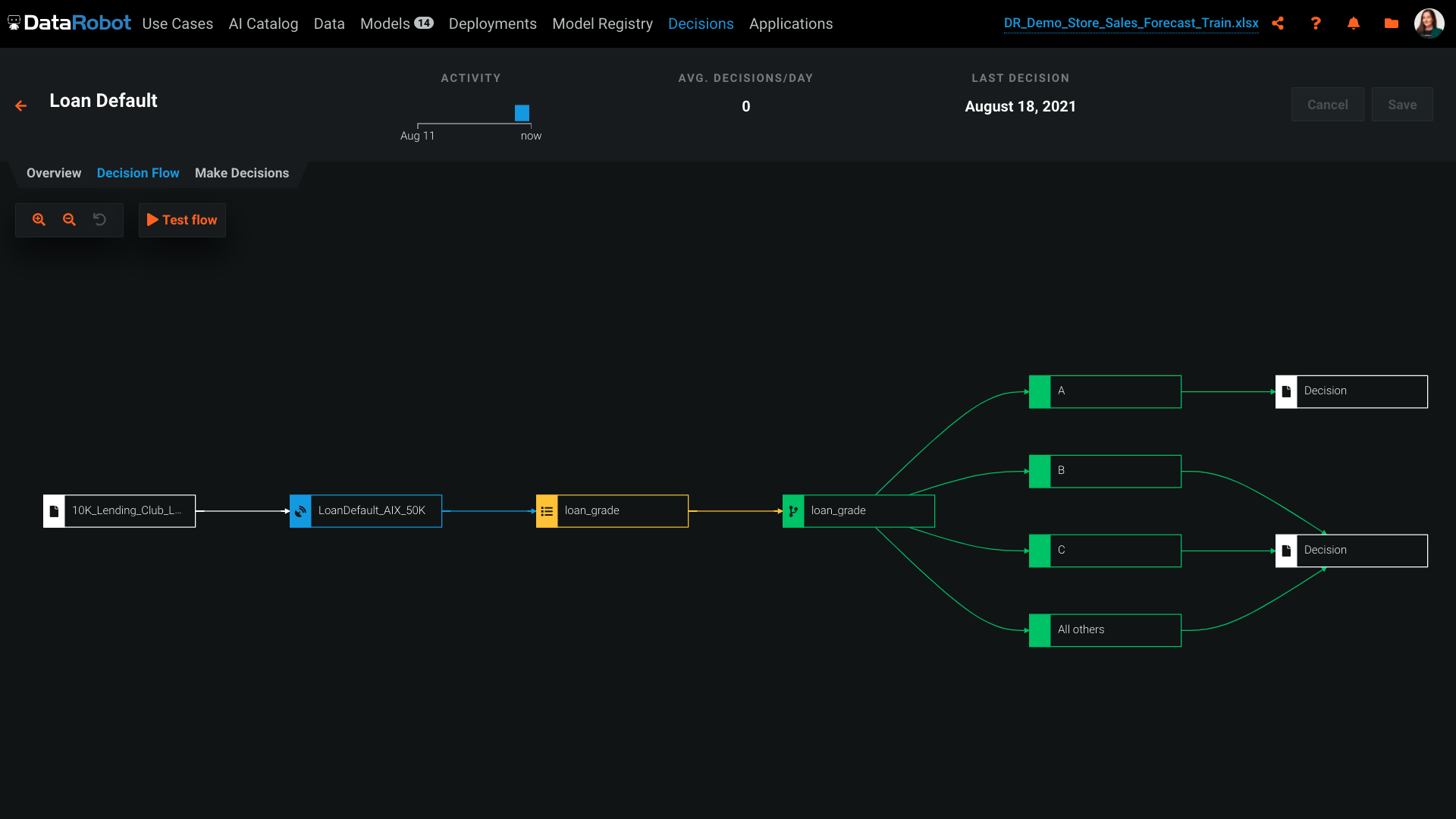   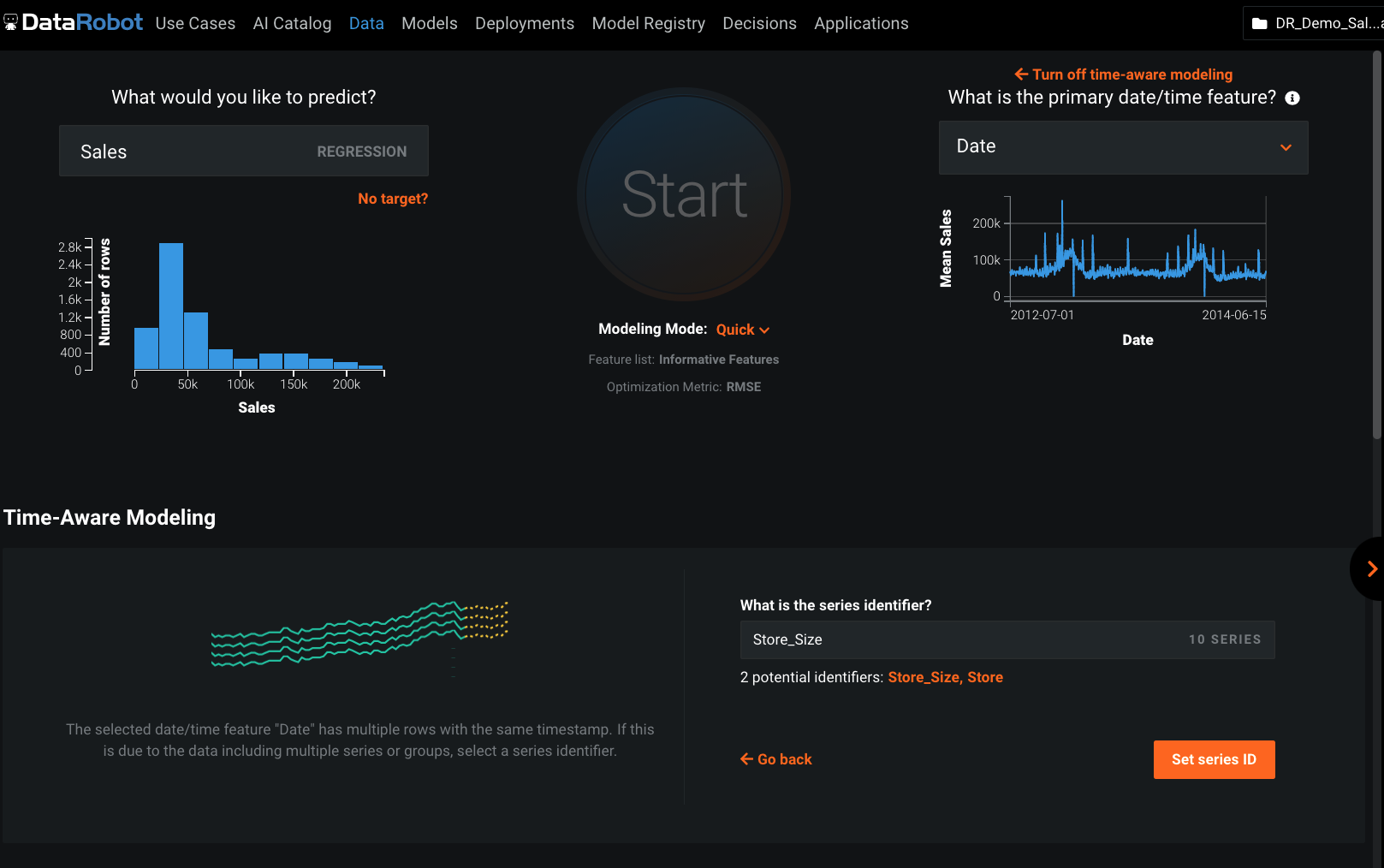  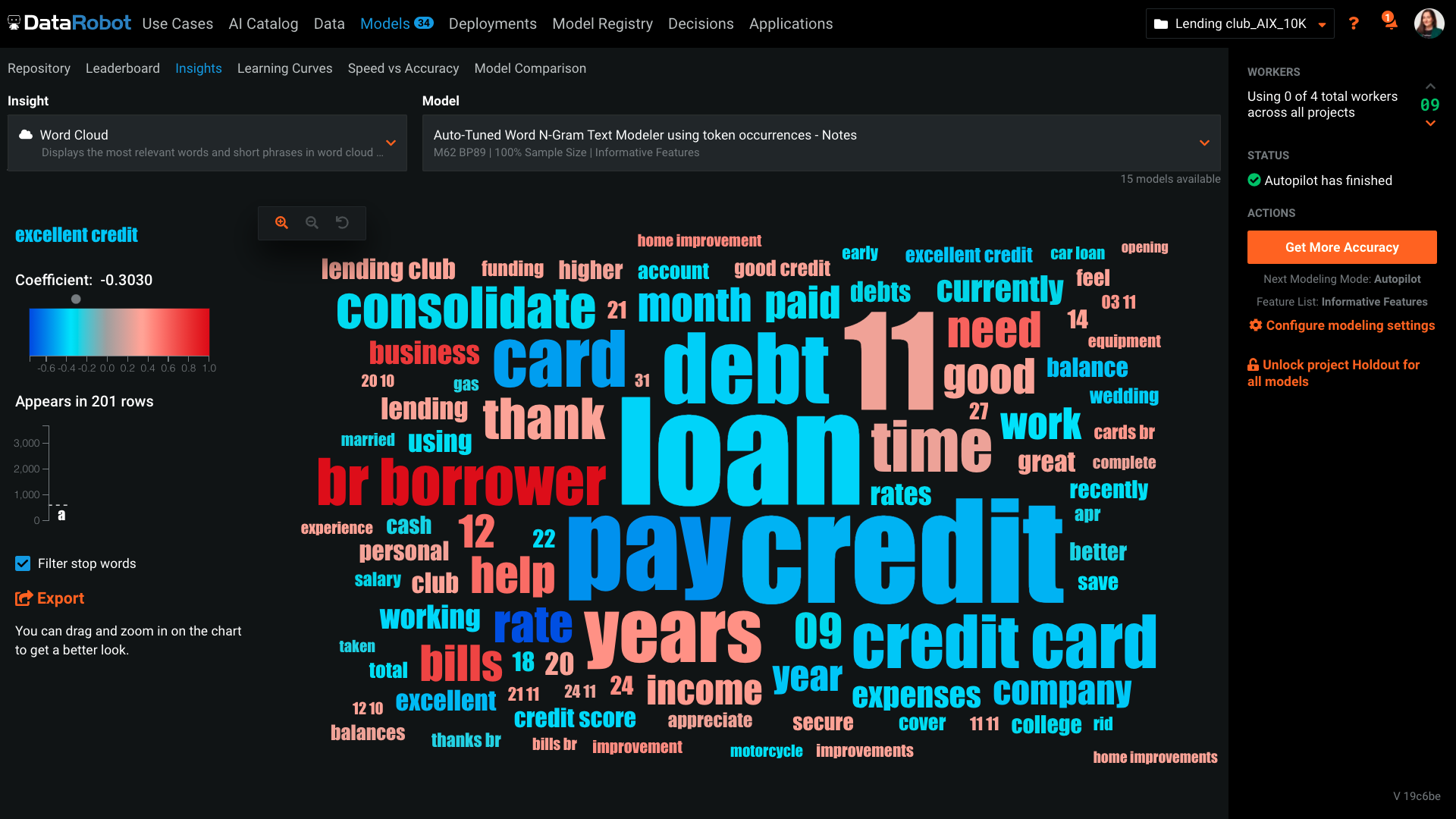 |