
Flexmonster Pivot Table & Charts Component vs. React (React.js) vs. Sencha
Flexmonster Pivot Table & Charts Component vs. React (React.js) vs. Sencha
| Product | Rating | Most Used By | Product Summary | Starting Price |
|---|---|---|---|---|
 Flexmonster Pivot Table & Charts Component | Mid-Size Companies (51-1,000 employees) | Flexmonster Pivot Table & Charts is a component for interactive pivot reports that can be inserted into a web page or a web application. It’s a JavaScript tool that enables a user to visualize their business data. This solution supports Microsoft Analysis Services OLAP cubes, Mondrian, icCube, JSON, SQL (MS SQL, MySQL and others) databases or static JSON or CSV files. According to the vendor, this solution allows users to work extremely quickly with really large data… | $0 Annual SaaS Subscription | |
 React (React.js) | N/A | React or React.js is a JavaScript library for building user interfaces. React enables users to create interactive UIs. | $0 | |
 Sencha | N/A | Sencha is a mobile application development platform acquired by IDERA in 2017. | N/A |
| Flexmonster Pivot Table & Charts Component | React (React.js) | Sencha | ||||||||||||||||||||||
|---|---|---|---|---|---|---|---|---|---|---|---|---|---|---|---|---|---|---|---|---|---|---|---|---|
| Editions & Modules |
| No answers on this topic | No answers on this topic | |||||||||||||||||||||
| Offerings |
| |||||||||||||||||||||||
| Entry-level Setup Fee | No setup fee | No setup fee | No setup fee | |||||||||||||||||||||
| Additional Details | — | — | — | |||||||||||||||||||||
| More Pricing Information | ||||||||||||||||||||||||
| Flexmonster Pivot Table & Charts Component | React (React.js) | Sencha |
|---|
| Flexmonster Pivot Table & Charts Component | React (React.js) | Sencha | |||||||||||
|---|---|---|---|---|---|---|---|---|---|---|---|---|---|
| BI Standard Reporting |
| ||||||||||||
| Ad-hoc Reporting |
| ||||||||||||
| Report Output and Scheduling |
| ||||||||||||
| Mobile Capabilities |
|
| Flexmonster Pivot Table & Charts Component | React (React.js) | Sencha | |
|---|---|---|---|
| Small Businesses |  Yellowfin Score 8.7 out of 10 | No answers on this topic | React (React.js) Score 8.8 out of 10 |
| Medium-sized Companies |  Reveal Score 10.0 out of 10 | No answers on this topic | React (React.js) Score 8.8 out of 10 |
| Enterprises |  Kyvos Semantic Layer Score 9.5 out of 10 | Sencha Score 6.8 out of 10 | React (React.js) Score 8.8 out of 10 |
| All Alternatives | View all alternatives | View all alternatives | View all alternatives |
| Flexmonster Pivot Table & Charts Component | React (React.js) | Sencha | |
|---|---|---|---|
| Likelihood to Recommend | 10.0 (1 ratings) | 8.0 (14 ratings) | 9.0 (2 ratings) |
| Usability | 9.0 (1 ratings) | 10.0 (3 ratings) | - (0 ratings) |
| Support Rating | 10.0 (1 ratings) | 10.0 (3 ratings) | - (0 ratings) |
| Flexmonster Pivot Table & Charts Component | React (React.js) | Sencha | |
|---|---|---|---|
| Likelihood to Recommend |  Flexmonster
| Open Source
| Idera, Inc.
 Gonzalo Segarra Sub-Gerente de Desarrollo |
| Pros | Flexmonster No answers on this topic | Open Source
| Idera, Inc.
 Abraham Madathil Vice President |
| Cons | Flexmonster No answers on this topic | Open Source
 Larry Reed Senior Software Engineer | Idera, Inc.
Gonzalo Segarra Sub-Gerente de Desarrollo |
| Usability | Flexmonster
| Open Source
 Joshua Weaver Developer | Idera, Inc. No answers on this topic |
| Support Rating | Flexmonster
| Open Source
| Idera, Inc. No answers on this topic |
| Alternatives Considered | Flexmonster No answers on this topic | Open Source
 Anudeep Palanki Application Developer | Idera, Inc.
Abraham Madathil Vice President |
| Return on Investment | Flexmonster No answers on this topic | Open Source
| Idera, Inc.
Gonzalo Segarra Sub-Gerente de Desarrollo |
| ScreenShots | Flexmonster Pivot Table & Charts Component Screenshots  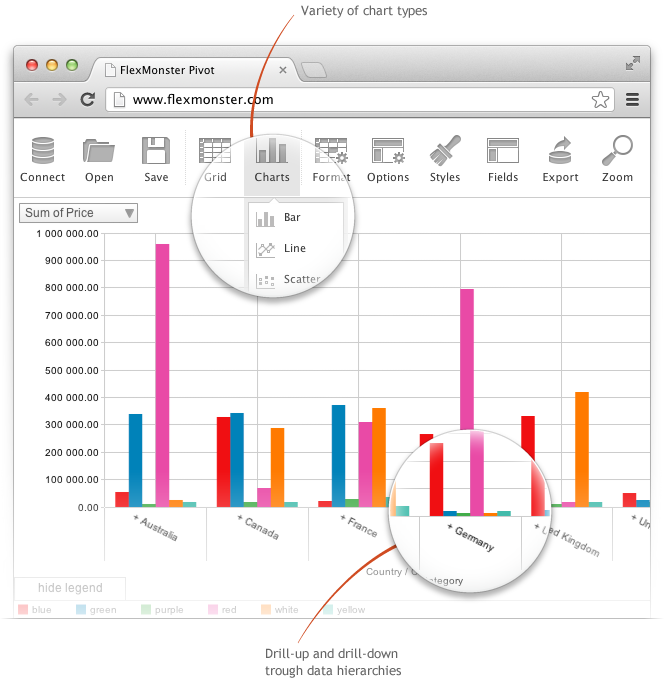 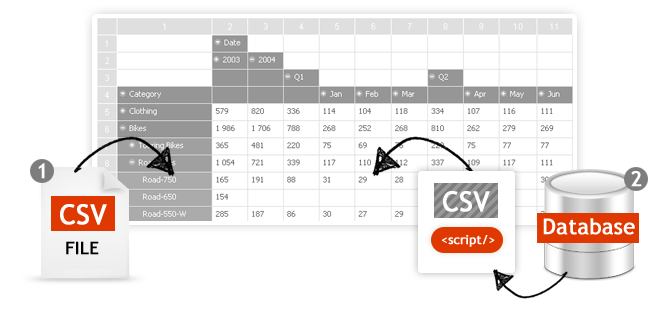  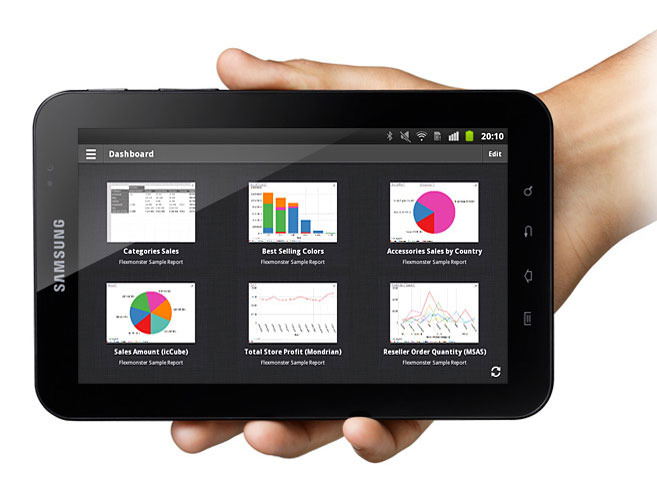 |