GNU Emacs is described as a free extensible and customizable text editor for the Lisp programming language.
N/A
IntelliJ IDEA
Score9.2 out of 10
N/A
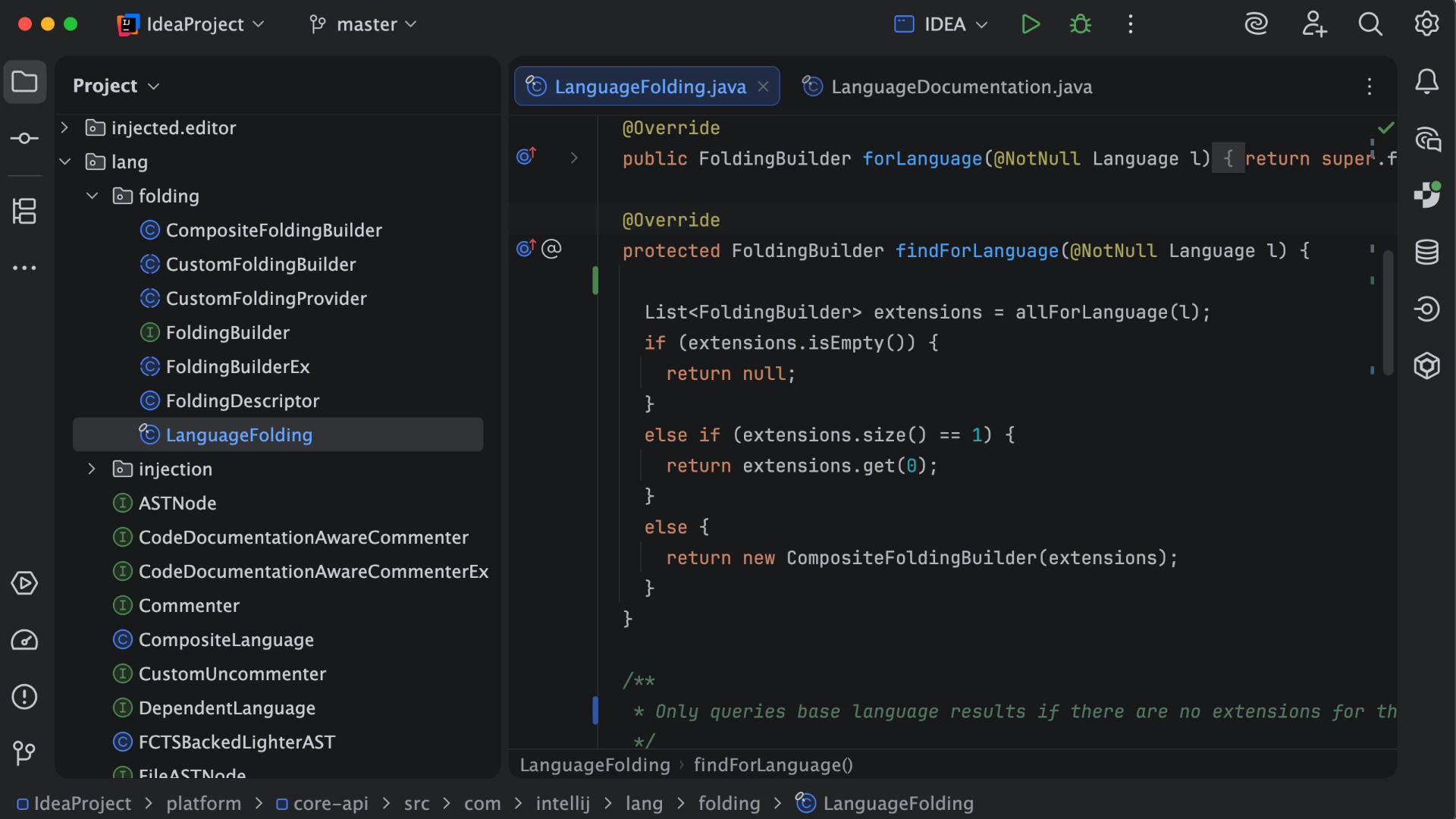
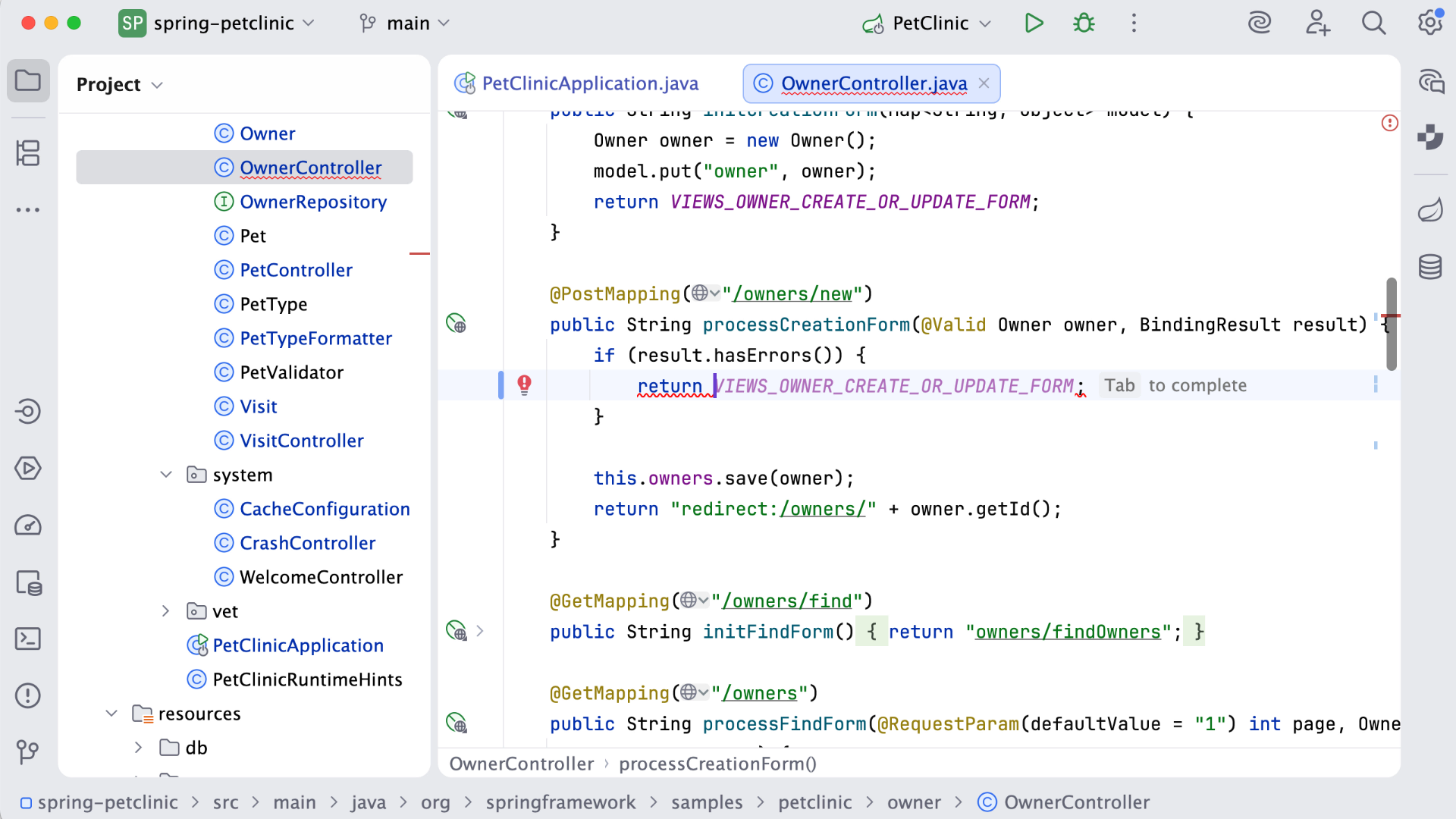
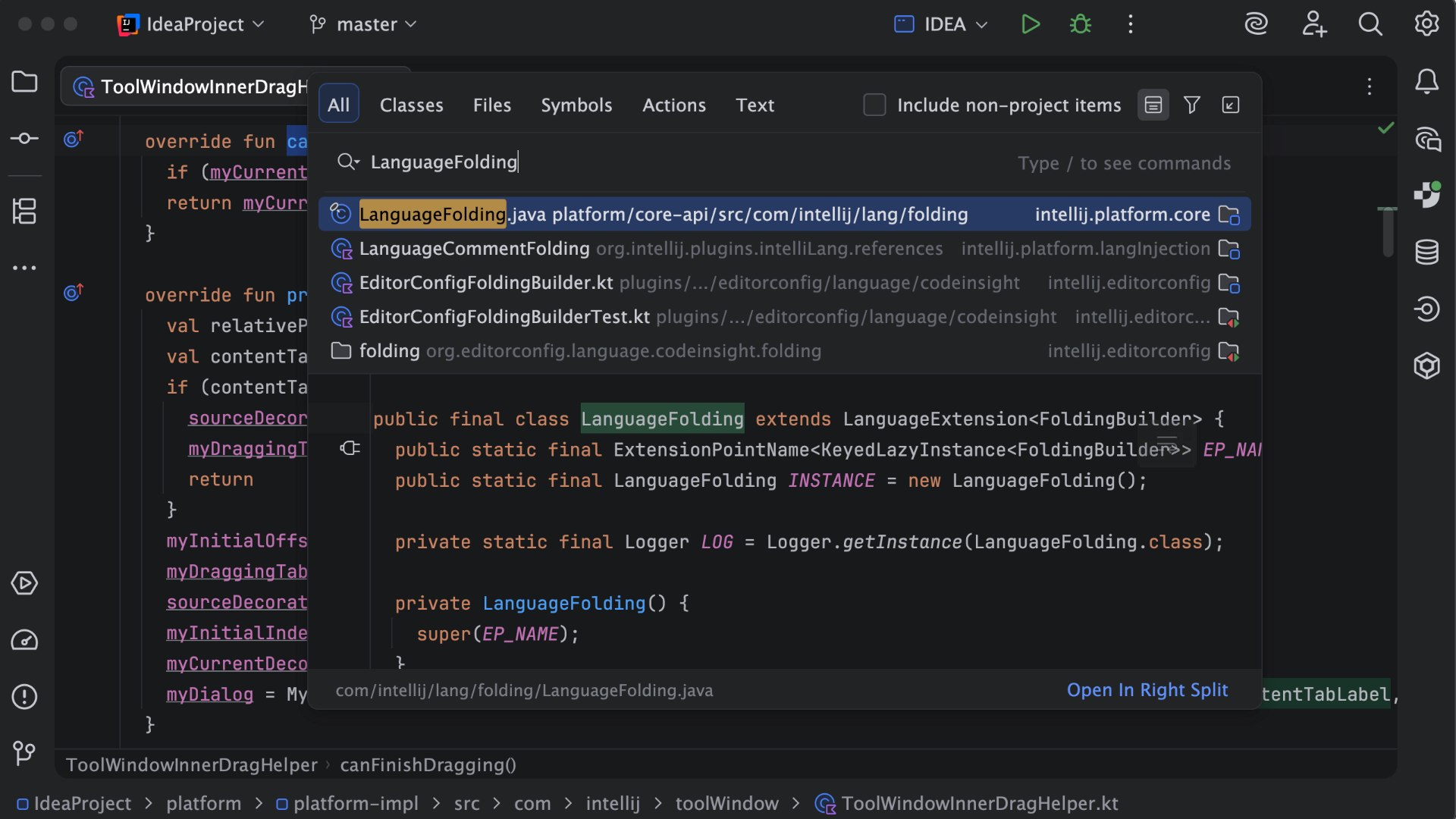
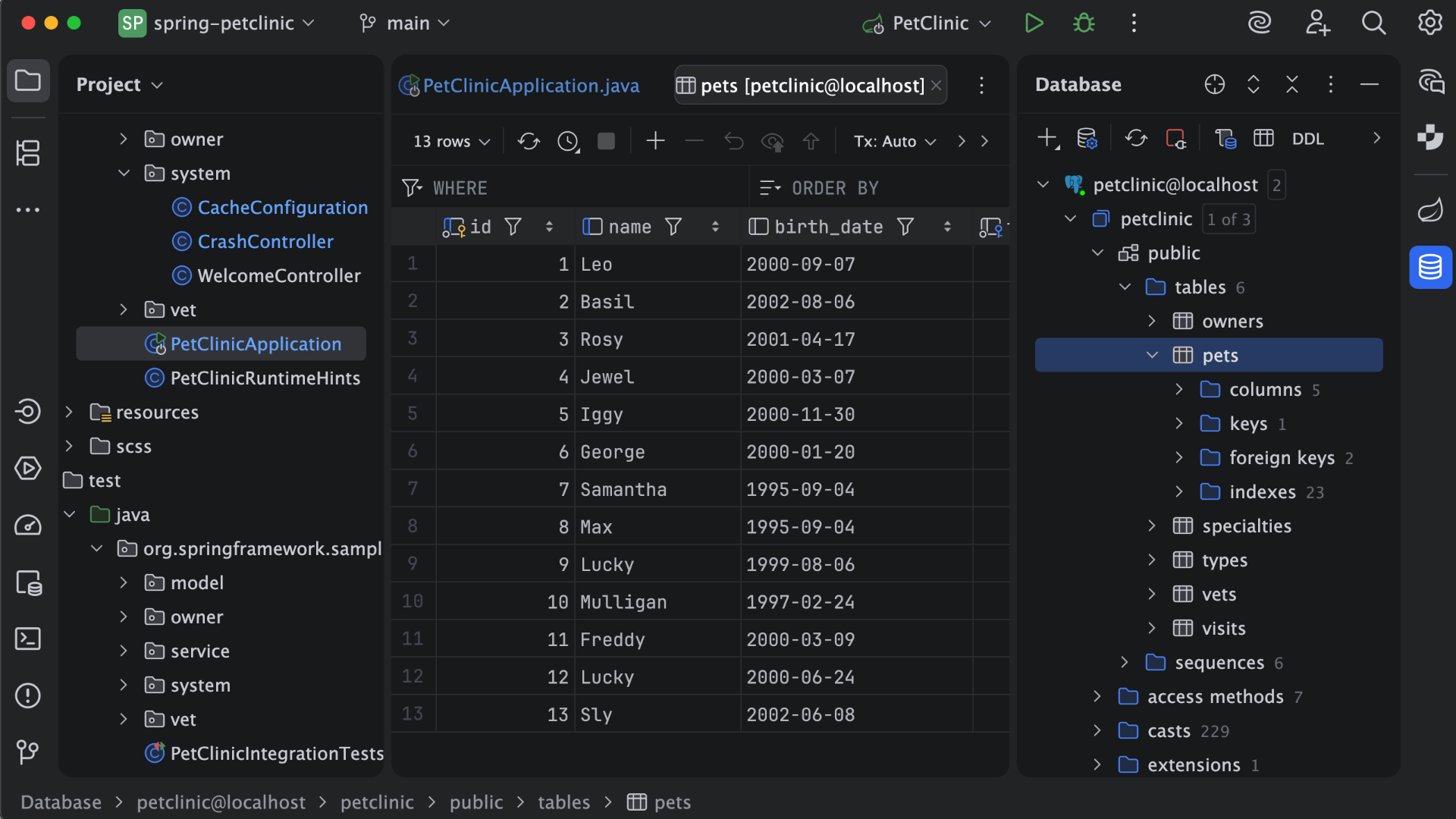
IntelliJ IDEA is an IDE that aims to give Java and Kotlin developers everything they need out of the box, including a smart code editor, built-in developer tools, framework support, database support, web development support, and much more.
$19.90
per month
Pricing
GNU Emacs
IntelliJ IDEA
Editions & Modules
No answers on this topic
For Individual Use (Monthly billing)
$19.90
per month
For Organizations (Monthly billing)
$71.90
per month
For Individual Use (Yearly billing)
$199
per year
For Organizations (Yearly billing)
$719
per year
Offerings
Pricing Offerings
GNU Emacs
IntelliJ IDEA
Free Trial
No
Yes
Free/Freemium Version
No
Yes
Premium Consulting/Integration Services
No
No
Entry-level Setup Fee
No setup fee
No setup fee
Additional Details
—
All Products Pack (For Individual Use) – $299 /1st year, $ 239 /2nd year and $ 179 /3d year onwards
All Products Pack (For Organizations) – $979 / year
Senior DevOps Architect in Information Technology at Lendio (Financial Services, 51-200 employees)
Chose GNU Emacs
I have used several different IDEs and editors, but I keep coming back to Emacs. I guess my fingers are wired for Emacs and I find that I can do pretty much anything in the tool that I can with other tools. Some other tools are more polished, but are specific to certain …
A de minimis incentive was given to thank the reviewer for their time. The incentive was not used to bias or drive a particular response, nor was the incentive contingent on a positive endorsement. More Info
Emacs is best utilized on a Unix system where it can be easily installed and accessed. It allows for quick editing of files on a system whether you are accessing it locally through the console or remotely via an ssh connection. Once users familiarize themselves with the Emacs shortcuts, it becomes a pretty efficient text manipulation program. On a standard Windows computer, it is less likely to use Emacs for code editing, especially if you have a local repository on your host machine.
A de minimis incentive was given to thank the reviewer for their time. The incentive was not used to bias or drive a particular response, nor was the incentive contingent on a positive endorsement. More Info
This is a superb tool if your project involves a lot of backend development, especially in Java/Spring Boot and Kotlin. The support for the front end is great as well, but some developers may prefer to use the GitHub copilot add-on. I especially love using the GitHub copilot add-on. It may be less appropriate if your project requires heavy use of HotSwaps for backend debugging, as sometimes the support for that can be limited.
A de minimis incentive was given to thank the reviewer for their time. The incentive was not used to bias or drive a particular response, nor was the incentive contingent on a positive endorsement. More Info
GNU Emacs is a text editor that can do almost anything that you want to do with it. It is fairly easy to extend the functionality using Emacs Lisp with a large library available.
It can be easily customized using themes as well as custom code to change the look and feel as well as how everything works.
A de minimis incentive was given to thank the reviewer for their time. The incentive was not used to bias or drive a particular response, nor was the incentive contingent on a positive endorsement. More Info
Unit testing: Fully integrated into IntelliJ IDEA. Your unit tests will run smoothly and efficiently, with excellent debugging tools for when things get tricky.
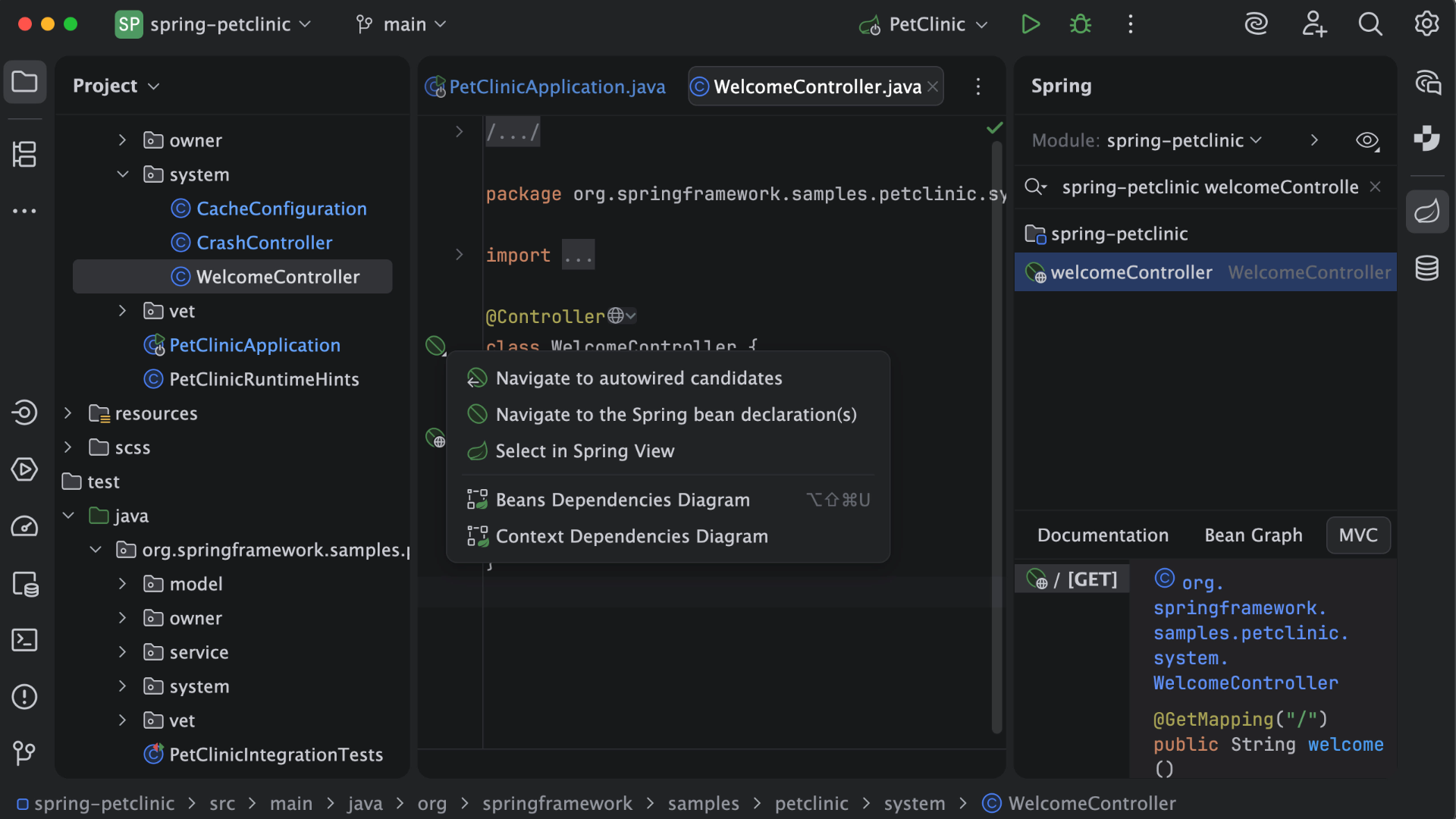
Spring integration: Our Spring project using Maven works flawlessly in IntelliJ IDEA. I know firsthand that Apache is also easily and readily supported too. The integration is seamless and very easy to set up using IntelliJ IDEA's set up wizard when importing new projects.
Customization: IntelliJ IDEA comes out of the box with a bunch of handy shortcuts, as well as text prediction, syntax error detection, and other tools to help keep your code clean. But even better is that it allows for total customization of shortcuts you can easily create to suit your needs.
A de minimis incentive was given to thank the reviewer for their time. The incentive was not used to bias or drive a particular response, nor was the incentive contingent on a positive endorsement. More Info
Emacs is old, so it's a little crufty and not too easy to pick up and start using. There is a community package called Spacemacs that simplifies a lot of things that you do with Emacs. It is probably better suited to beginners.
Sometimes, the choices that were made to integrate certain functionality change the basic models for that functionality. This is seen primarily in the version control system support, where multiple version control systems are supported and "unified" to a standard Emacs-y way of doing things. This can be confusing to the new user not familiar with the Emacs way.
Emacs has, as its foundation, a lisp interpreter. This means that the extension language for Emacs is emacs-lisp. Some people find lisp hard to understand and have difficulties writing Emacs extension code, or understanding existing code.
A de minimis incentive was given to thank the reviewer for their time. The incentive was not used to bias or drive a particular response, nor was the incentive contingent on a positive endorsement. More Info
A de minimis incentive was given to thank the reviewer for their time. The incentive was not used to bias or drive a particular response, nor was the incentive contingent on a positive endorsement. More Info
VS Code is maturing and has a Scala plugin now. The overall experience with VS Code - for web development at least - is very snappy/fast. IntelliJ feels a bit sluggish in comparison. If that Scala plugin for VS Code is deemed mature enough - we may not bother renewing and resort to the Community Edition if we need it.
A de minimis incentive was given to thank the reviewer for their time. The incentive was not used to bias or drive a particular response, nor was the incentive contingent on a positive endorsement. More Info
There is always room for improvement, but I haven't met any IDE that I liked more so far. Even if it did not fit a use case right out of the box, there is always a way to configure how it works to do just that.
A de minimis incentive was given to thank the reviewer for their time. The incentive was not used to bias or drive a particular response, nor was the incentive contingent on a positive endorsement. More Info
Everything that you need to know about Emacs can be found on the internet. There are many Emacs "cheat sheets" that list out all of the shortcuts for Emacs. There are videos on how to use Emacs. Emacs is easily installed using the standard Linux package managers and can also be easily updated through them as well. There are tutorials on how to customize Emacs to your liking.
A de minimis incentive was given to thank the reviewer for their time. The incentive was not used to bias or drive a particular response, nor was the incentive contingent on a positive endorsement. More Info
Customer support is really good in the case of IntelliJ. If you are paying for this product then, the company makes sure that you will get all the services adequately. Regular update patches are provided to improve the IDE. An online bug report makes it easier for the developers to find the solution as fast as possible. The large online community also helps to find the various solutions to the issues.
A de minimis incentive was given to thank the reviewer for their time. The incentive was not used to bias or drive a particular response, nor was the incentive contingent on a positive endorsement. More Info
This installs just like any other application - its pretty straight forward. Perhaps licensing could be more challenging - but if you use the cloud licensing they offer its as simple as having engineers login to the application and it just works.
A de minimis incentive was given to thank the reviewer for their time. The incentive was not used to bias or drive a particular response, nor was the incentive contingent on a positive endorsement. More Info
Of course, Vim is a good contender for comparison as well, so I'll include it. I find Emacs much easier to learn, which will help speed up productivity for newer users. It seems much faster than VIM and VSCode, especially under load. It's highly highly customizable, in ways other editors don't stack up against. Its lack of bloat also is a nice addition to a great product.
A de minimis incentive was given to thank the reviewer for their time. The incentive was not used to bias or drive a particular response, nor was the incentive contingent on a positive endorsement. More Info
Eclipse is just so old, like a dinosaur, compared to IntelliJ. There are still formats that Eclipse supports better, especially old and/or propriety ones. Still, most of the modern software development needs can be done on IntelliJ, & in a much better way, some of them are not even supported on Eclipse.
A de minimis incentive was given to thank the reviewer for their time. The incentive was not used to bias or drive a particular response, nor was the incentive contingent on a positive endorsement. More Info
A de minimis incentive was given to thank the reviewer for their time. The incentive was not used to bias or drive a particular response, nor was the incentive contingent on a positive endorsement. More Info
A de minimis incentive was given to thank the reviewer for their time. The incentive was not used to bias or drive a particular response, nor was the incentive contingent on a positive endorsement. More Info