Vagrant is a tool designed to create and configure lightweight, reproducible, and portable development environments. It leverages a declarative configuration file which describes all software requirements, packages, operating system configuration, and users.
N/A
Microsoft Defender for Endpoint
Score8.8 out of 10
N/A
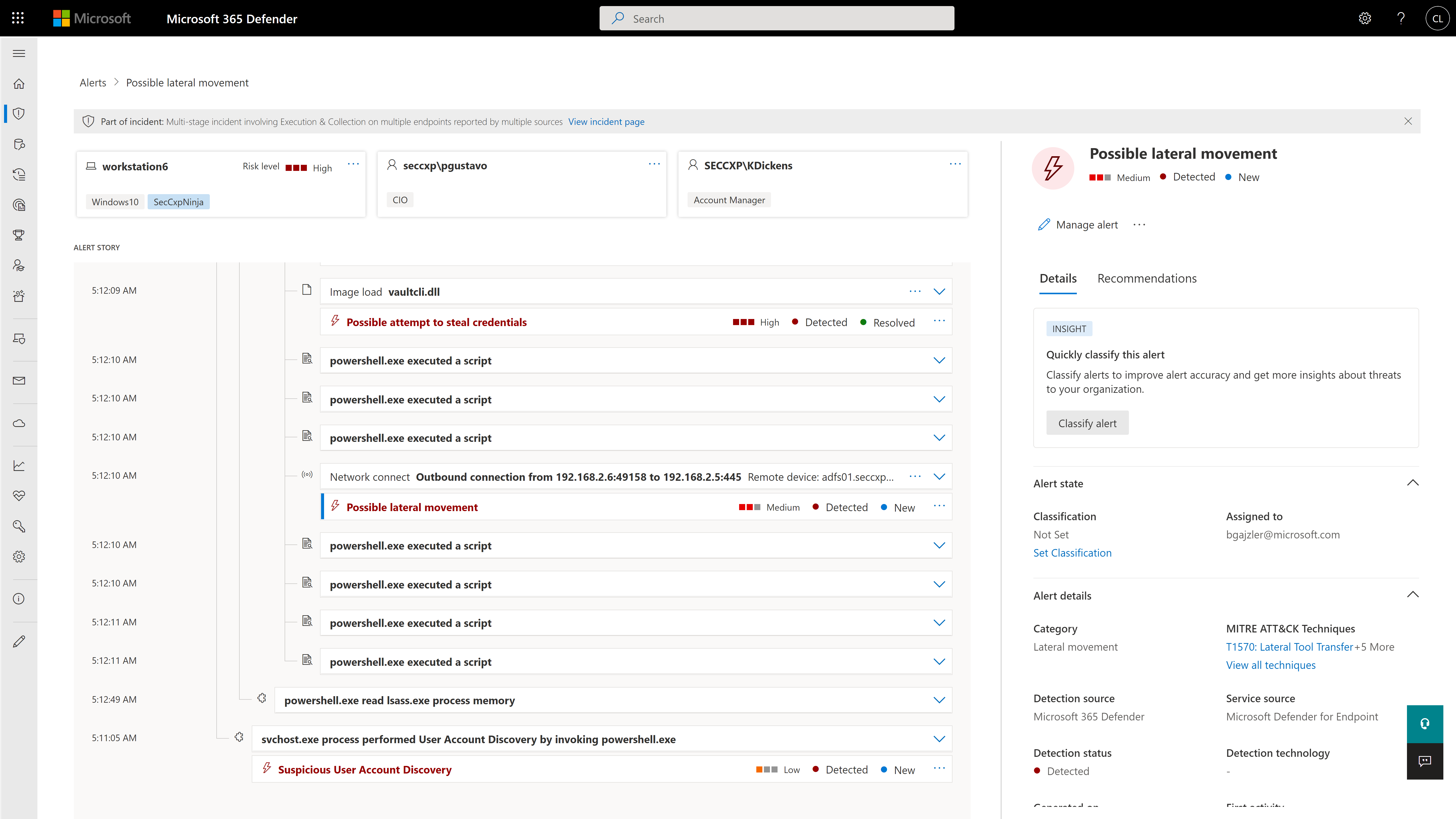
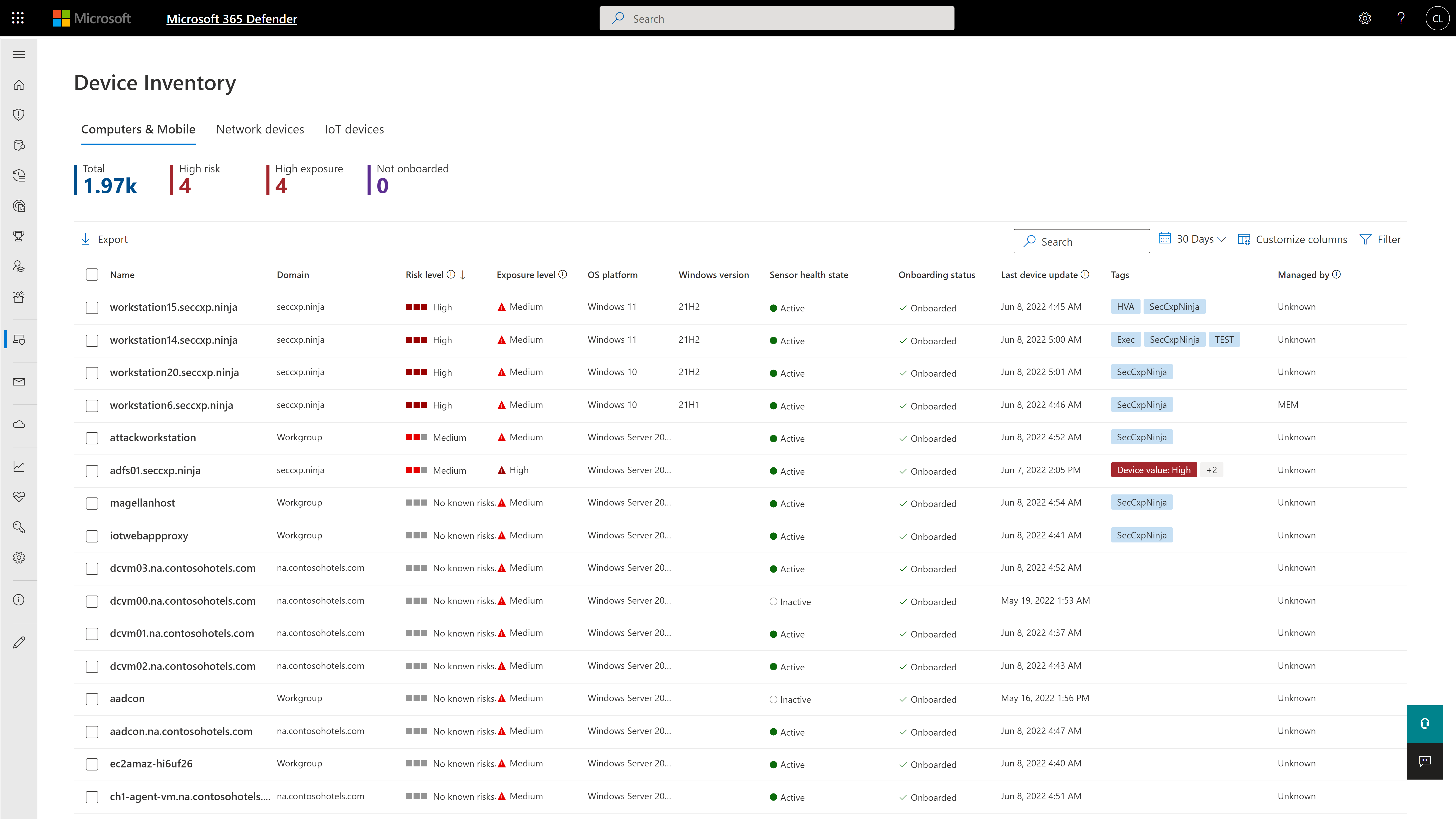
Microsoft Defender for Endpoint (formerly Microsoft Defender ATP) is a holistic, cloud delivered endpoint security solution that includes risk-based vulnerability management and assessment, attack surface reduction, behavioral based and cloud-powered next generation protection, endpoint detection and response (EDR), automatic investigation and remediation, managed hunting services, rich APIs, and unified security management.
I would recommend this tool to a colleague looking to create a repeatably deployable local dev environment based on their staging and production environments. I would recommend this mostly for individuals or teams requiring environments with server-side software such as php, et al. There are likely less processor-heavy and smaller tools for simpler projects.
A de minimis incentive was given to thank the reviewer for their time. The incentive was not used to bias or drive a particular response, nor was the incentive contingent on a positive endorsement. More Info
If you have multiple endpoints in your environment, if you're looking to understand what your environment looks like, if you're trying to identify the health of your environment, or identify any risks or vulnerabilities in your environment pertaining to your endpoints and devices.
A de minimis incentive was given to thank the reviewer for their time. The incentive was not used to bias or drive a particular response, nor was the incentive contingent on a positive endorsement. TR verified that a representative sample of customers was invited. More Info
Vagrant is decentralized so anyone can make a container package to get a project started. you aren't limited to wordpress, or even one style of wordpress install (you can make a sage.io wordpress environment).
Vagrant easily lets you set ports and URLs for local development.
I have yet to have a problem with Vagrant, as opposed to MAMP and DesktopServer, which both gave me SQL or other issues.
A de minimis incentive was given to thank the reviewer for their time. The incentive was not used to bias or drive a particular response, nor was the incentive contingent on a positive endorsement. More Info
The big thing for us is on endpoint, it kind of integrates with everything else that we already have because we use Microsoft completely. And so that helps us with being able to integrate, and send things over to Azure Sentinel as we need to as well.
A de minimis incentive was given to thank the reviewer for their time. The incentive was not used to bias or drive a particular response, nor was the incentive contingent on a positive endorsement. More Info
Because Vagrant is a low-level tool with many ways to configure it, there is a steep learning curve. You don't just have to learn (or install) Vagrant, but also Virtualbox, Ansible and possibly some Vagrant plugins to keep boxes up to date.
Support on Windows doesn't seem great. I'm a Mac guy, so it's been very difficult getting things to work as expected when a developer wants to work on Windows.
Perhaps I didn't configure it correctly, but the default shared folders are not the best for performance. There are also frequently weird issues regarding file permissions.
A de minimis incentive was given to thank the reviewer for their time. The incentive was not used to bias or drive a particular response, nor was the incentive contingent on a positive endorsement. More Info
I'd say building out summaries and log reviews for analysts reviewing incidents. So, pivoting from the alerts themselves to actually getting the detail underneath. Trying to understand what caused an alert, where they went from there, et cetera, et cetera. And then trying to get into deeper log review to take that investigation further can be a pain point.
A de minimis incentive was given to thank the reviewer for their time. The incentive was not used to bias or drive a particular response, nor was the incentive contingent on a positive endorsement. More Info
A de minimis incentive was given to thank the reviewer for their time. The incentive was not used to bias or drive a particular response, nor was the incentive contingent on a positive endorsement. More Info
Cost add-ons for Security features is nickel and diming the process to keep pace with cybercrime. Limited Education budgets require us to be more pro-active in finding cost-effective measures to protect our devices, staff and students. Defender is a strong, well-featured product that is pricing itself out of the education market
A de minimis incentive was given to thank the reviewer for their time. The incentive was not used to bias or drive a particular response, nor was the incentive contingent on a positive endorsement. TR verified that a representative sample of customers was invited. More Info
A de minimis incentive was given to thank the reviewer for their time. The incentive was not used to bias or drive a particular response, nor was the incentive contingent on a positive endorsement. More Info
Because it's hard to find things sometimes. I can find things now because I know where they are. But you have to work with it a little while to figure out how. I'd basically say it was a security tool designed by developers. So you have to get that mindset to find things. So a new hire, a new person in the SOC would have a difficult time. I know that's sitting in here, or that screen is in here somewhere. So it's gotten better.
A de minimis incentive was given to thank the reviewer for their time. The incentive was not used to bias or drive a particular response, nor was the incentive contingent on a positive endorsement. More Info
Microsoft Defender for Endpoint chugs along just fine no matter what we throw at it and what systems it's running on. It doesn't take up a lot of resources either, so that's welcomed.
A de minimis incentive was given to thank the reviewer for their time. The incentive was not used to bias or drive a particular response, nor was the incentive contingent on a positive endorsement. More Info
A de minimis incentive was given to thank the reviewer for their time. The incentive was not used to bias or drive a particular response, nor was the incentive contingent on a positive endorsement. More Info
The first time I tried to onboard my macOS endpoints to MDE I struggled for quite a bit. I had to reach out to Microsoft's MDE support team. The tech was very helpful in walking me through the steps during a screen share session
A de minimis incentive was given to thank the reviewer for their time. The incentive was not used to bias or drive a particular response, nor was the incentive contingent on a positive endorsement. More Info
Deployment was handled by our team here and everything went pretty smoothly. We did have a few hiccups in our test group, but that only took a bit to get ironed out.
A de minimis incentive was given to thank the reviewer for their time. The incentive was not used to bias or drive a particular response, nor was the incentive contingent on a positive endorsement. More Info
I liked lando better because lando seemed extremely easy to setup compared to other VM's and it seemed faster though that project was simpler. Virtualbox I ran on windows and it has a gui and has often been slow. The vagrant boxes I used did well but had slightly more problems than lando.
A de minimis incentive was given to thank the reviewer for their time. The incentive was not used to bias or drive a particular response, nor was the incentive contingent on a positive endorsement. More Info
Particularly, we're evaluating Symantec Endpoint Protection, the commercial version. We've looked at eSet, a couple of the others, and it's much too heavy or difficult to manage, things like that. Ease of use, ease of integration. It's already there. It's super easy to update it with the regular OS updates and everything. So we can manage it whether we're using SCCM or Intune or Dato, it's very easy to deploy updates and manage things.
A de minimis incentive was given to thank the reviewer for their time. The incentive was not used to bias or drive a particular response, nor was the incentive contingent on a positive endorsement. More Info
A de minimis incentive was given to thank the reviewer for their time. The incentive was not used to bias or drive a particular response, nor was the incentive contingent on a positive endorsement. More Info
A de minimis incentive was given to thank the reviewer for their time. The incentive was not used to bias or drive a particular response, nor was the incentive contingent on a positive endorsement. More Info
I think the positive impact overall is that we do a lot of sitting in front of assessors- federal assessors, government assessors. And it really comes down to when the assessor has to think about another product that you're bringing in that's not Microsoft, it creates a lot of confusion, more paperwork, more explanation. But the positive impact is that they know it, everybody kind of knows Microsoft. And so when you tell them you have this endpoint for Microsoft Defender for Endpoint, they're like, okay. The questions go away, and it makes the overhead a lot less during an assessment.
A de minimis incentive was given to thank the reviewer for their time. The incentive was not used to bias or drive a particular response, nor was the incentive contingent on a positive endorsement. More Info