Microsoft Defender for Endpoint should just be enabled by default
Use Cases and Deployment Scope
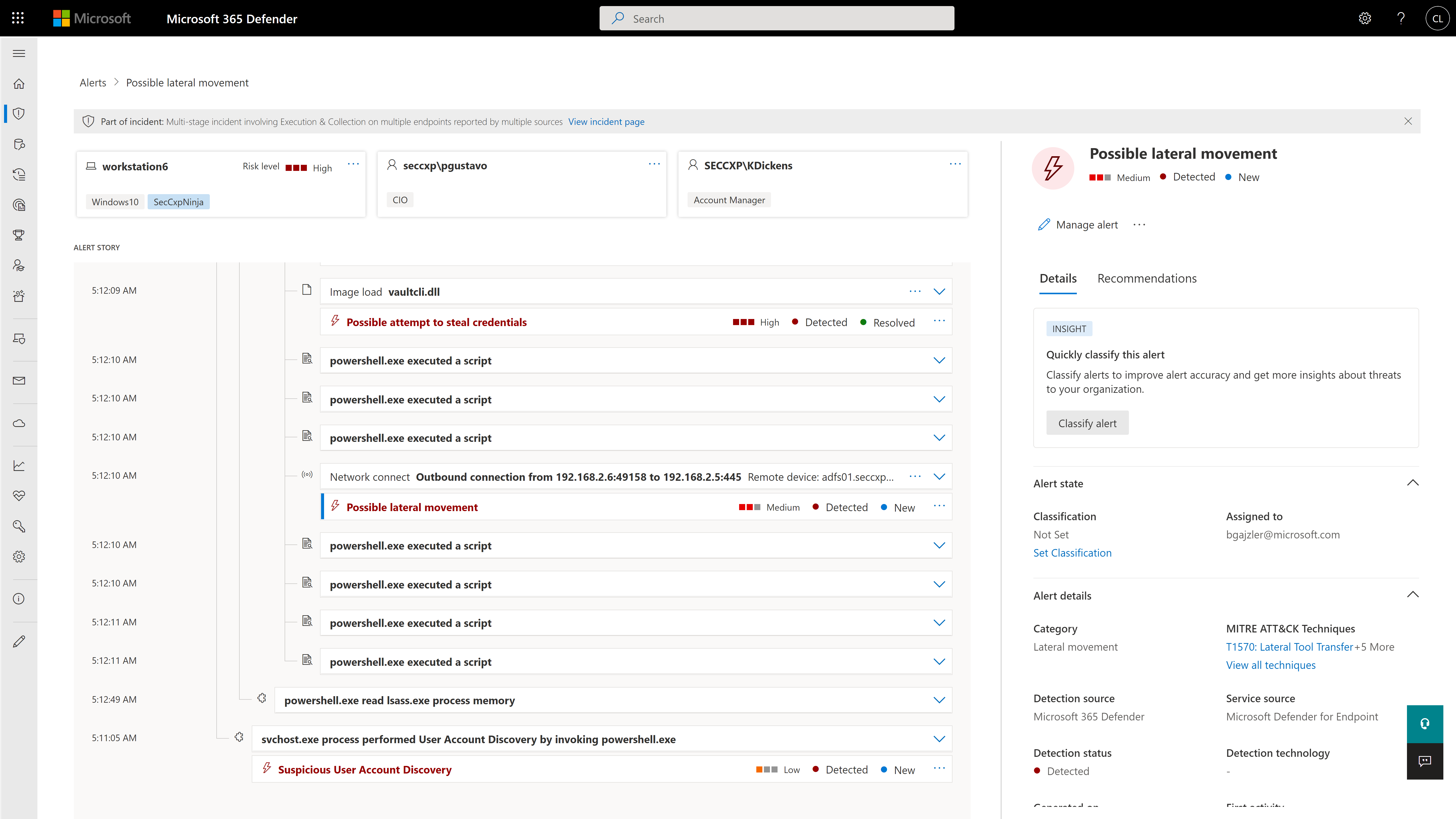
[...] is a manufacturing company headquartered in Montreal. We have offices across Canada and the United States. Microsoft Defender for Endpoint is deployed across our entire organization. Having a cloud based solution with a single pane of glass to manage all our assets is of the highest importance to us. Being able to receive immediate alerts when suspicious activity occurs has been extremely helpful in keeping our risks at a minimum. Microsoft Defender for Endpoint management is also smart enough to not send several alerts when an attack could be hitting multiple targets within a certain time frame or it's the same attack multiple times.

Pros
- Consolidate alerts so you are not overwhelmed
- Integrates with Microsoft products
- Already licensed if you're using Office Premium or higher enterprise licenses
Cons
- Management Interface needs work
- Digging through analysis is not always informative
- Constant clicking around to find all the relevant information
Return on Investment
- Microsoft Defender for Endpoint has alerted our team when users clicked on phishing links in emails and we were able to prevent any harm
- When a website frequently visited was compromised, Microsoft Defender for Endpoint quickly quarantined the file that was auto-downloaded.
- The alerts for the website download were all consolidated to one incident making it easier to manage.
Usability
Return on Investment
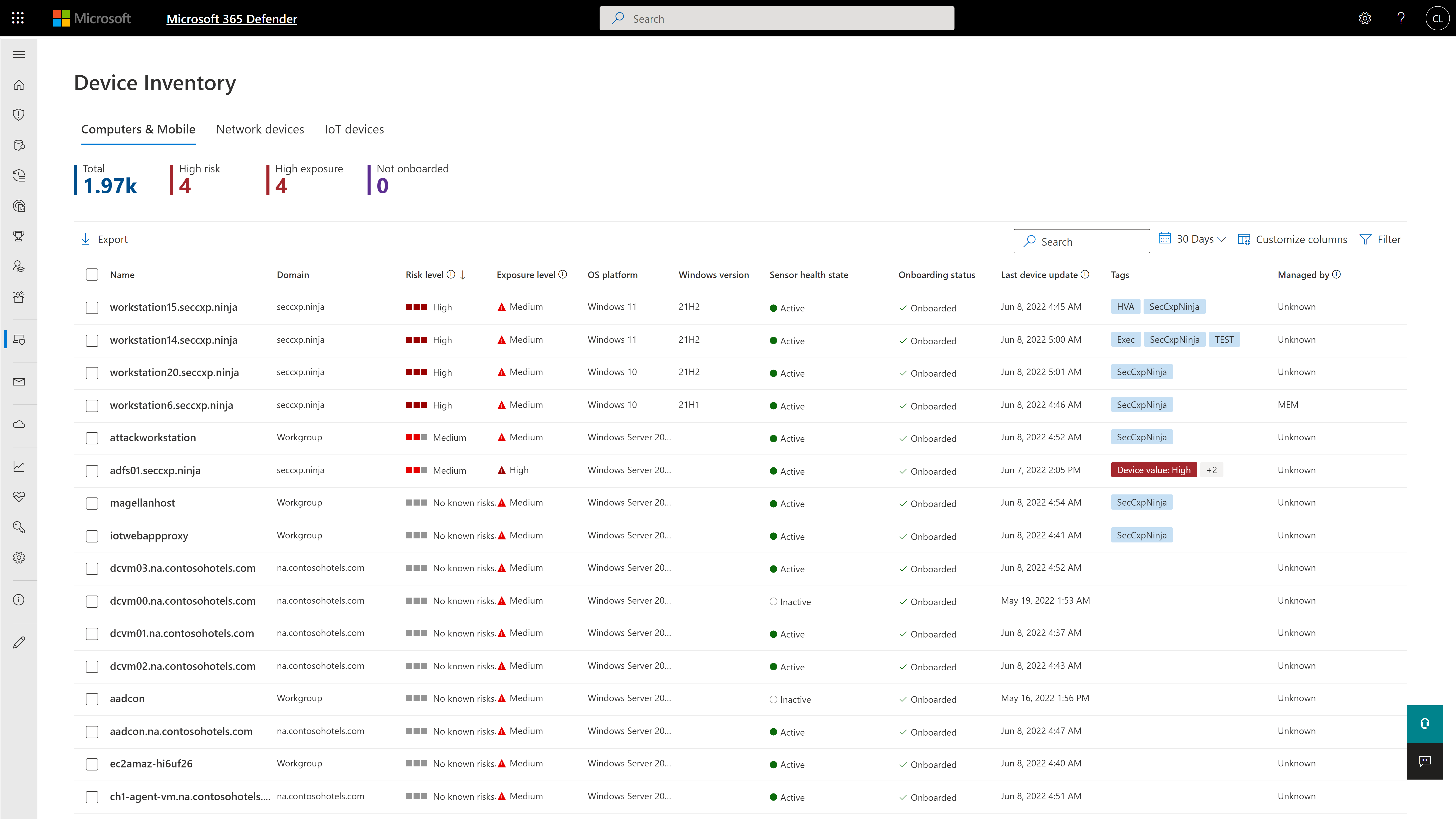
We have Microsoft Defender for Endpoint installed across our entire organization with offices in Canada and the United States. All our workstations are Microsoft Windows based. Our servers are all Microsoft Windows Server and we have a few on-premise servers at our headquarters as well as several hosted on Microsoft Azure.
Alternatives Considered
BlackBerry Protect (CylancePROTECT) and BlackBerry Optics (CylanceOPTICS)
Other Software Used
Sage 300, WatchGuard AuthPoint