
HCL DataConnect vs. Oracle Autonomous Data Warehouse
HCL DataConnect vs. Oracle Autonomous Data Warehouse
| Product | Rating | Most Used By | Product Summary | Starting Price |
|---|---|---|---|---|
 HCL DataConnect | Mid-Size Companies (51-1,000 employees) | HCL DataConnect (formerly Actian DataConnect) is a hybrid integration solution that enables users to integrate anything, anywhere, anytime. It can be deployed in on-premise, cloud, and/or hybrid environments and offers quick onboarding. With its emphasis data quality, data reuse, adaptability and self-service integration, DataConnect is designed to support rapid onboarding and deliver the fast time to value. | N/A | |
 Oracle Autonomous Data Warehouse | N/A | Oracle Autonomous Data Warehouse is optimized for analytic workloads, including data marts, data warehouses, data lakes, and data lakehouses. With Autonomous Data Warehouse, data scientists, business analysts, and nonexperts can discover business insights using data of any size and type. The solution is built for the cloud and optimized using Oracle Exadata. | N/A |
| HCL DataConnect | Oracle Autonomous Data Warehouse | |||||||||||||||
|---|---|---|---|---|---|---|---|---|---|---|---|---|---|---|---|---|
| Editions & Modules | No answers on this topic | No answers on this topic | ||||||||||||||
| Offerings |
| |||||||||||||||
| Entry-level Setup Fee | Optional | No setup fee | ||||||||||||||
| Additional Details | — | — | ||||||||||||||
| More Pricing Information | ||||||||||||||||
| HCL DataConnect | Oracle Autonomous Data Warehouse |
|---|
| HCL DataConnect | Oracle Autonomous Data Warehouse | ||||||||||||||||||
|---|---|---|---|---|---|---|---|---|---|---|---|---|---|---|---|---|---|---|---|
| Data Source Connection |
| ||||||||||||||||||
| Data Transformations |
| ||||||||||||||||||
| Data Modeling |
| ||||||||||||||||||
| Data Governance |
|
| HCL DataConnect | Oracle Autonomous Data Warehouse | |
|---|---|---|
| Small Businesses |  Skyvia Score 10.0 out of 10 |  Google BigQuery Score 8.8 out of 10 |
| Medium-sized Companies |  IBM InfoSphere Information Server Score 8.0 out of 10 |  Cloudera Enterprise Data Hub Score 9.0 out of 10 |
| Enterprises | IBM InfoSphere Information Server Score 8.0 out of 10 | Oracle Exadata Score 9.8 out of 10 |
| All Alternatives | View all alternatives | View all alternatives |
| HCL DataConnect | Oracle Autonomous Data Warehouse | |
|---|---|---|
| Likelihood to Recommend | 8.9 (2 ratings) | 8.9 (32 ratings) |
| Likelihood to Renew | - (0 ratings) | 8.0 (1 ratings) |
| Implementation Rating | - (0 ratings) | 9.0 (1 ratings) |
| HCL DataConnect | Oracle Autonomous Data Warehouse | |
|---|---|---|
| Likelihood to Recommend |  HCL Technologies
 David Byrd Sr Integration Engineer - Dual Certified in Dell Boomi Developer 1 & 2, and Actian DataConnect |  Oracle
|
| Pros | HCL Technologies
 Justin Duperre Data Management Support Specialist | Oracle
 Erik Dvergsnes Senior Database Administrator |
| Cons | HCL Technologies
David Byrd Sr Integration Engineer - Dual Certified in Dell Boomi Developer 1 & 2, and Actian DataConnect | Oracle
|
| Likelihood to Renew | HCL Technologies No answers on this topic | Oracle
 Lisandro Fernigrini Database Practice Lead |
| Implementation Rating | HCL Technologies No answers on this topic | Oracle
Lisandro Fernigrini Database Practice Lead |
| Alternatives Considered | HCL Technologies
Justin Duperre Data Management Support Specialist | Oracle
 Prashast Vaish Decision Scientist |
| Return on Investment | HCL Technologies
David Byrd Sr Integration Engineer - Dual Certified in Dell Boomi Developer 1 & 2, and Actian DataConnect | Oracle
|
| ScreenShots | HCL DataConnect Screenshots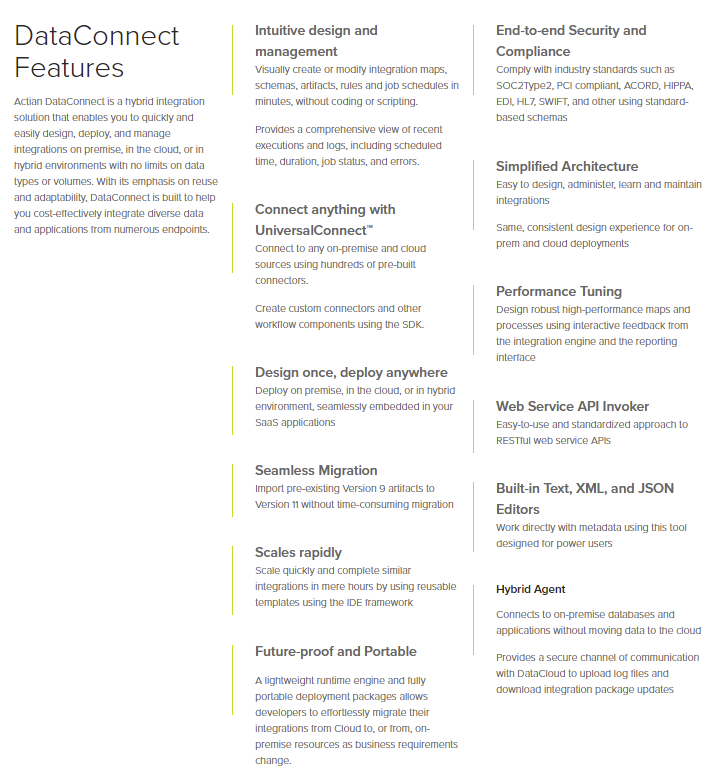     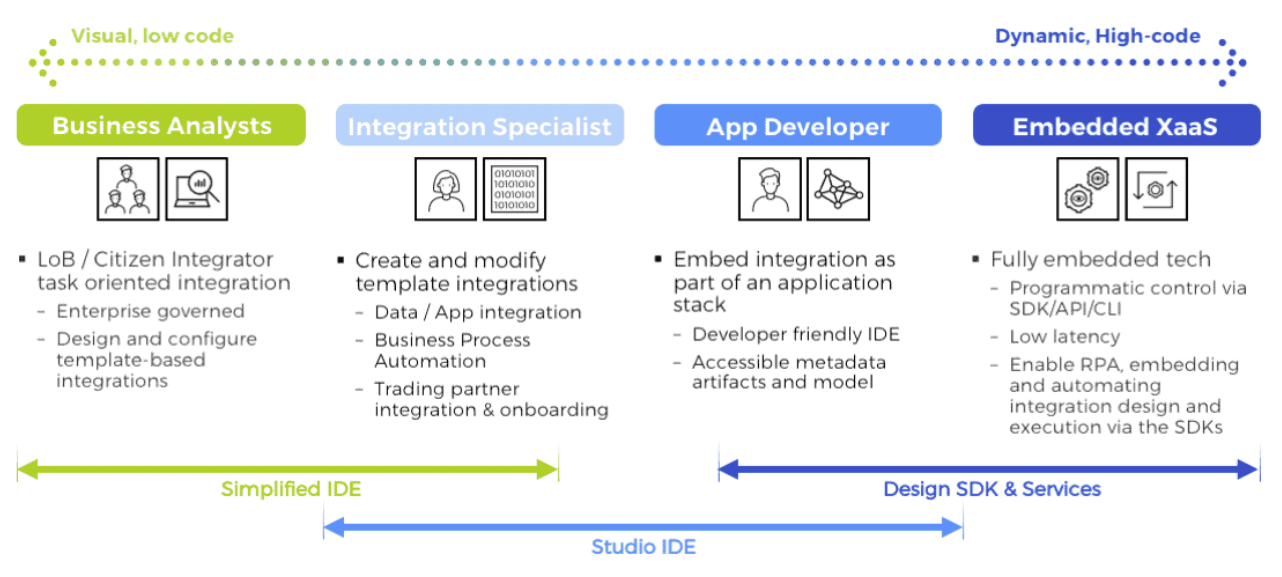 |