
IBM Vault vs. Mirantis Kubernetes Engine
| Product | Rating | Most Used By | Product Summary | Starting Price |
|---|---|---|---|---|
 IBM Vault | Score8.6 out of 10 | N/A | IBM Vault (formerly Hashicorp Vault) is an encryption tool for managing secrets including credentials, passwords and other secrets, providing access control, audit trail, and support for multiple authentication methods. It is available open source, or under an enterprise license. | $0.03 |
 Mirantis Kubernetes Engine | Score8 out of 10 | N/A | The Mirantis Kubernetes Engine (formerly Docker Enterprise, acquired by Mirantis in November 2019)aims to let users ship code faster. Mirantis Kubernetes Engine gives users one set of APIs and tools to deploy, manage, and observe secure-by-default, certified, batteries-included Kubernetes clusters on any infrastructure: public cloud, private cloud, or bare metal. | $500 per year per node |
| IBM Vault | Mirantis Kubernetes Engine | |||||||||||||||
|---|---|---|---|---|---|---|---|---|---|---|---|---|---|---|---|---|
| Editions & Modules |
|
| ||||||||||||||
| Offerings |
| |||||||||||||||
| Entry-level Setup Fee | No setup fee | No setup fee | ||||||||||||||
| Additional Details | — | These pricing options are compatible with Linux or Windows Server and are per year, per node. The basic version requires maximum online purchase not to exceed 50 nodes. Support/professional services are not included. | ||||||||||||||
| More Pricing Information | ||||||||||||||||
| IBM Vault | Mirantis Kubernetes Engine | |
|---|---|---|
| Considered Both Products | No answer on this topic | No answer on this topic |
| Key User Insights | ||
| Would buy again | ||
No answers on this topic | 83% Would buy again 5 Answers | |
| Delivers good value for the price | ||
No answers on this topic | 80% Delivers good value for the price 4 Answers | |
| Happy with the feature set | ||
No answers on this topic | 100% Happy with the feature set 6 Answers | |
| Lived up to sales and marketing promises | ||
No answers on this topic | 100% Lived up to sales and marketing promises 5 Answers | |
| Implementation went as expected | ||
No answers on this topic | No answers on this topic | |
| IBM Vault | Mirantis Kubernetes Engine | |
|---|---|---|
| Small Businesses |  Keeper Score8.3 out of 10 |  Google Cloud Run Score8.7 out of 10 |
| Medium-sized Companies | Keeper Score8.3 out of 10 |  Amazon Elastic Container Service (Amazon ECS) Score8.6 out of 10 |
| Enterprises | No answers on this topic |  SUSE Rancher Score9.4 out of 10 |
| All Alternatives | View all alternatives | View all alternatives |
| IBM Vault | Mirantis Kubernetes Engine | |
|---|---|---|
| Likelihood to Recommend | 8.0 | 8.3 |
| Likelihood to Renew | 10.0 | 9.1 |
| Usability | 9.0 | 8.0 |
| Support Rating | 6.3 | 7.8 |
| IBM Vault | Mirantis Kubernetes Engine | |
|---|---|---|
| Likelihood to Recommend |
|
|
| Pros |
|
|
| Cons |
|
|
| Likelihood to Renew |
| No answers on this topic |
| Usability |
|
|
| Support Rating |
|
|
| Alternatives Considered |
|
|
| Return on Investment |
|
|
| ScreenShots | IBM Vault Screenshots 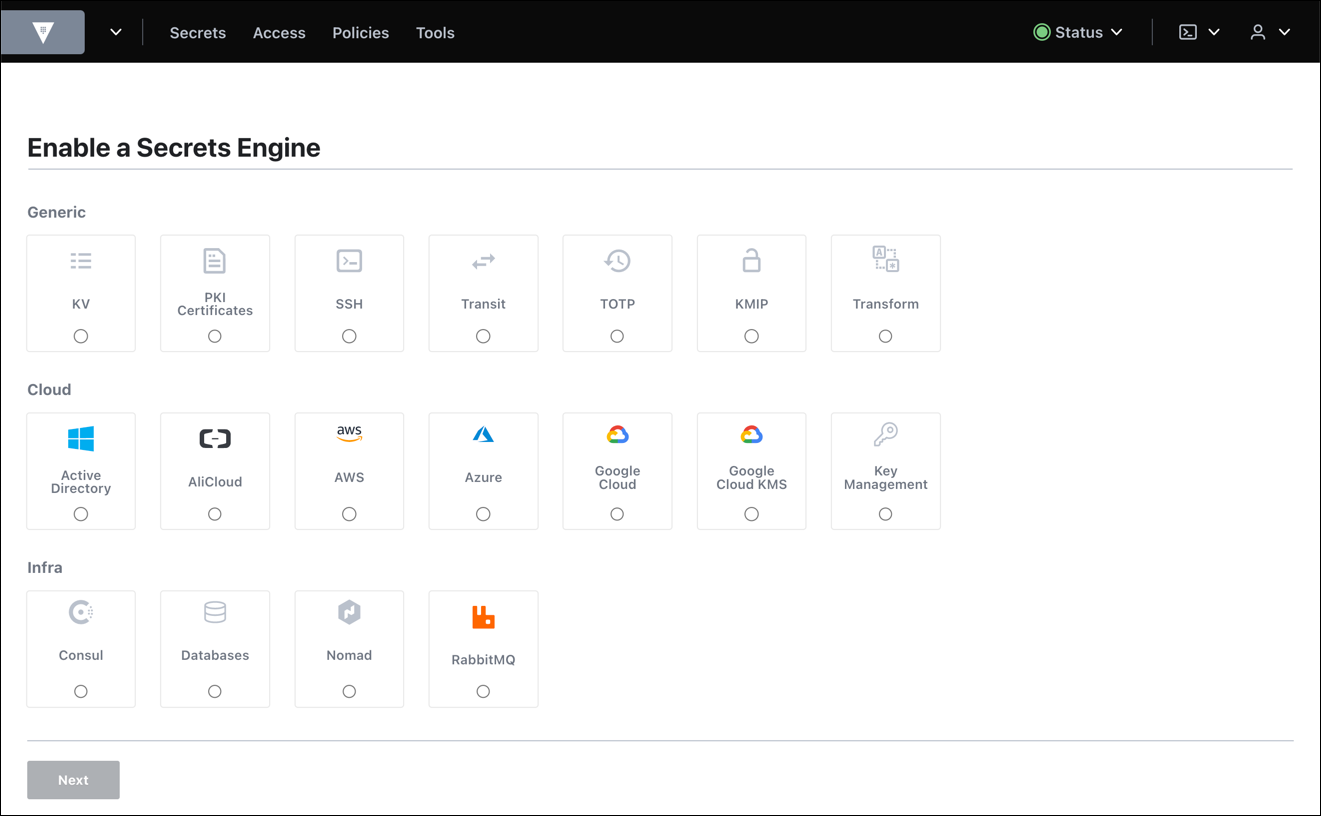 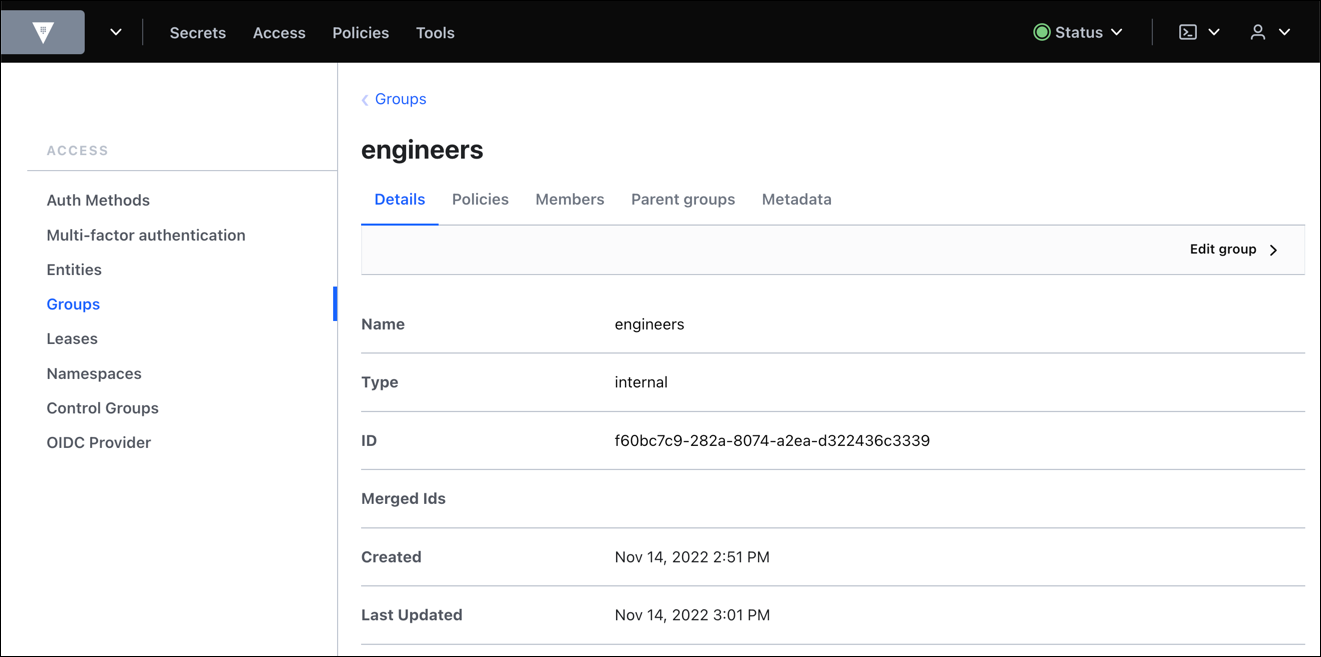  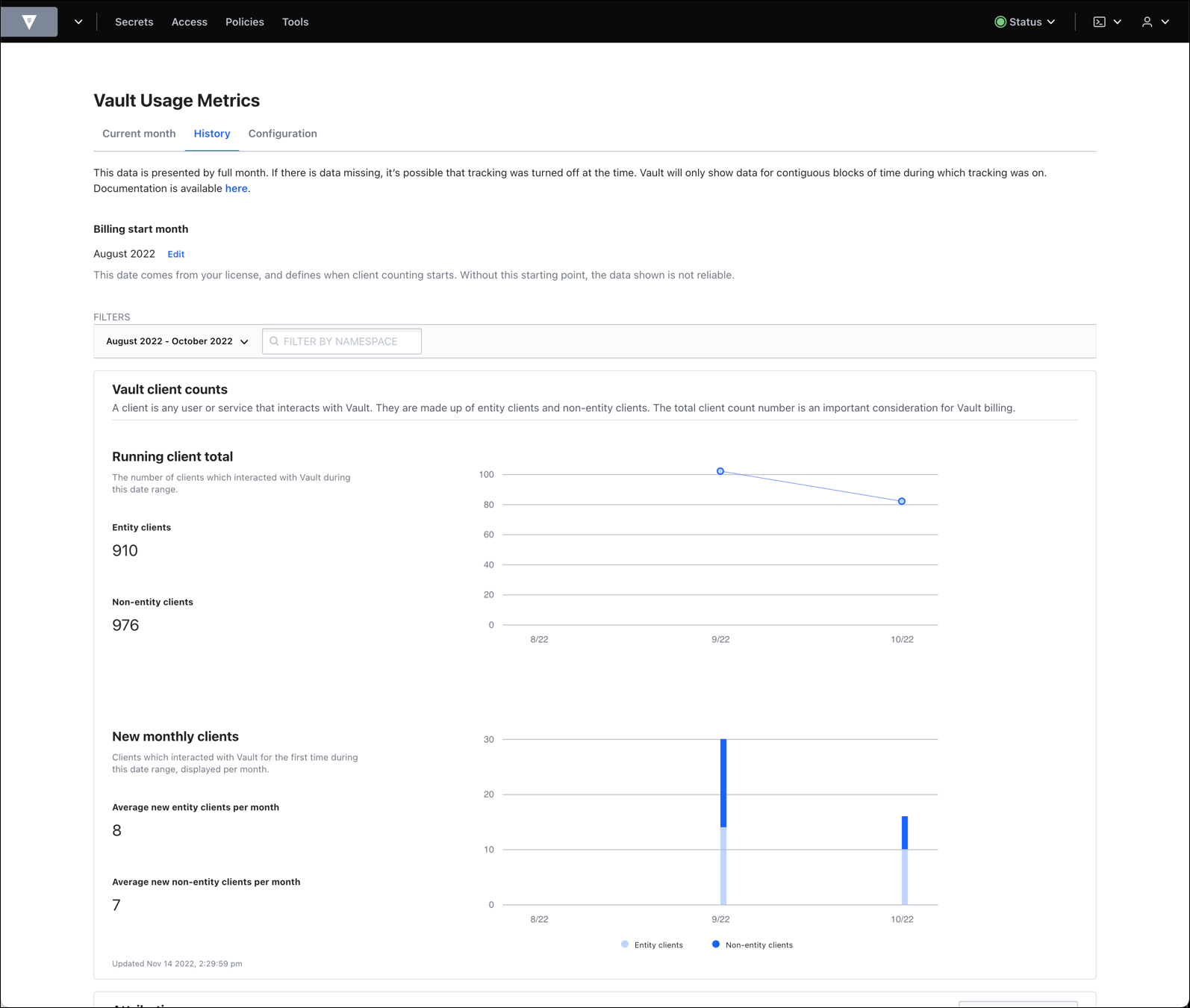 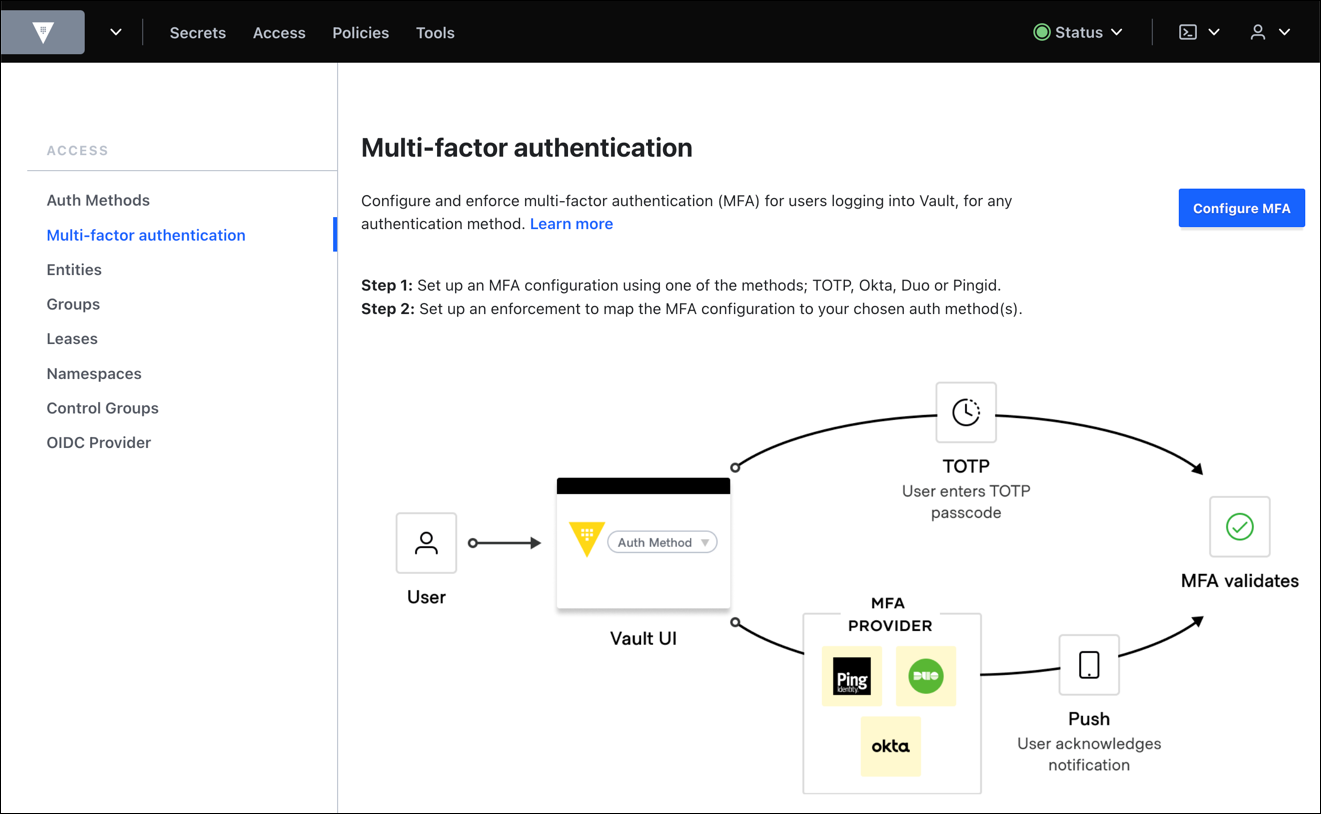 |





