Kali Linux is an open source, advanced penetration testing platform supported by Offensive Security headquartered in New York.
N/A
Microsoft Defender for Endpoint
Score 8.8 out of 10
N/A
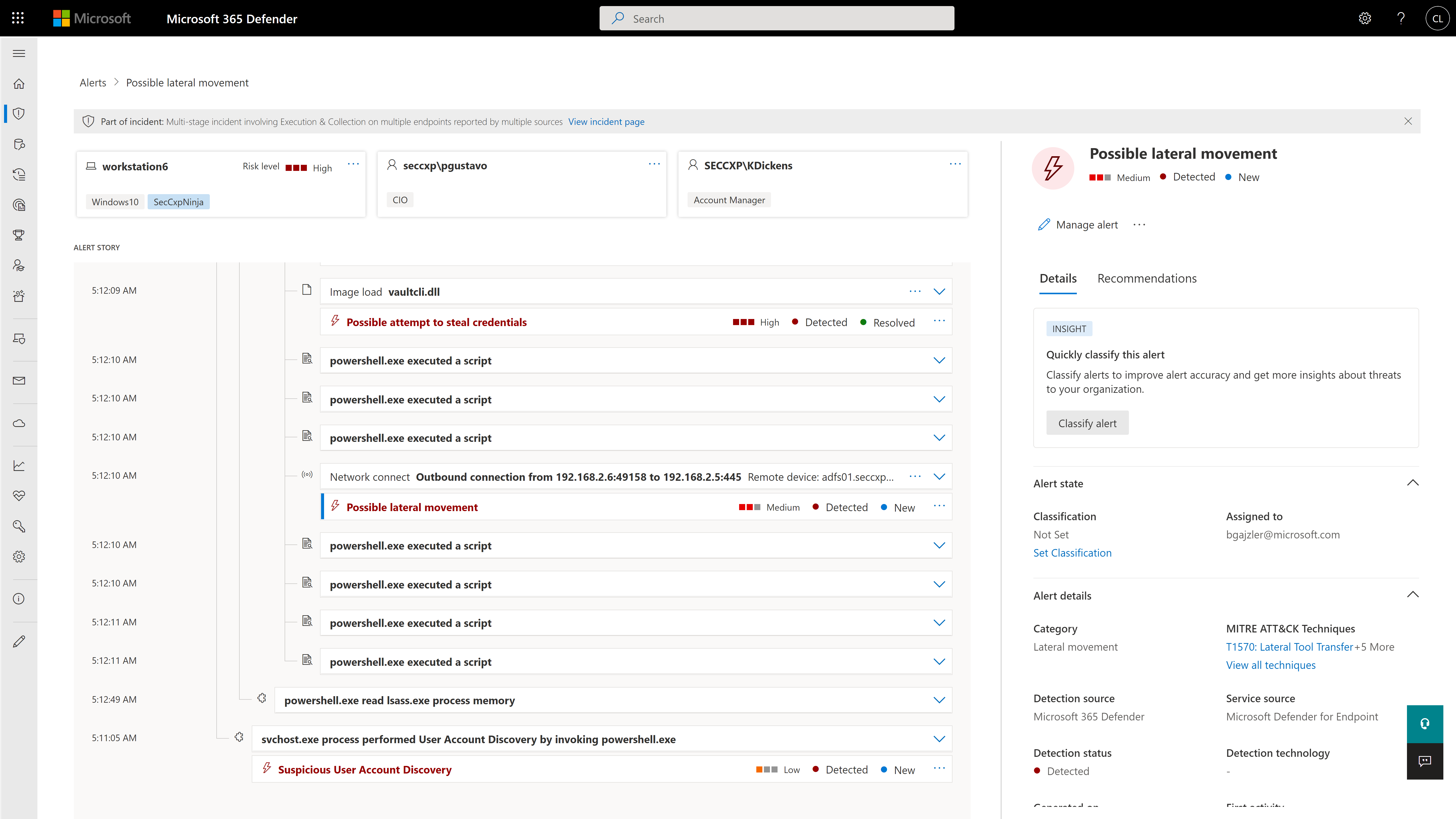
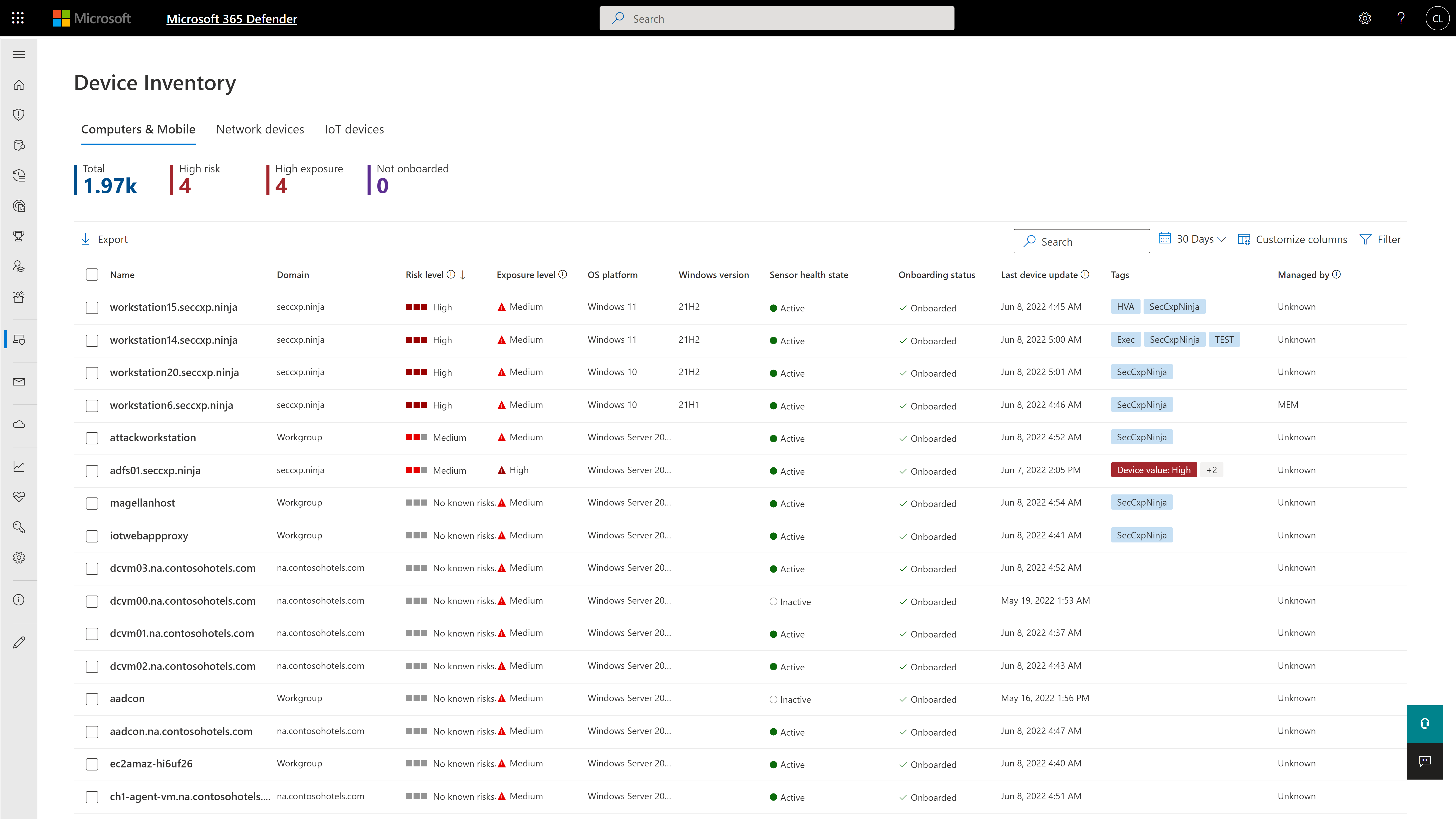
Microsoft Defender for Endpoint (formerly Microsoft Defender ATP) is a holistic, cloud delivered endpoint security solution that includes risk-based vulnerability management and assessment, attack surface reduction, behavioral based and cloud-powered next generation protection, endpoint detection and response (EDR), automatic investigation and remediation, managed hunting services, rich APIs, and unified security management.
Integration is what makes Defender for Endpoint stand out. With Microsoft 365, Azure AD, Security Graph, Intine, there are a sleuth of services that Defender for Endpoint can work with all within the Windows ecosystem. The other products are also good but do require additional …
Kali Linux is especially well suited in environments where high security is needed for your custom developed applications. This is well suited for offensive testing your high security in house developed applications. It is also very good for doing penetration testing on in house developed applications and safe guarding them from external attackers. Kali Linux is tough for use as a day to day Linux operating system as this was never intended to be used by beginners and occasional Linux users.
I think Microsoft Defender for Endpoint is well-suited, especially if you are an e5shop. And then, if you have other Microsoft ecosystems in your organization, for example, we do have Microsoft Defender for Office 365. We also have the Defender for the DIP and the point DIP, Microsoft Purview, and Microsoft Entra ID. When you have all these Microsoft ecosystems in your organization, the collaboration and the data enlistment, the capability, each other is tremendous. So I highly recommend. If you own the first type of the Microsoft ecosystem, definitely a perk to use the Microsoft Defender for Endpoint and the financial EDR system.
It really protects our endpoints. We've used other antivirus programs in the past, and they haven't had that full confidence in those products compared to what Microsoft Defender for Endpoint does for us.
Another pro is that it's easy to manage the management console through Intune to see Microsoft Defender for Endpoint up in the cloud and see the state of our devices.
Another pro is we haven't had an incident since we installed it.
Cost add-ons for Security features is nickel and diming the process to keep pace with cybercrime. Limited Education budgets require us to be more pro-active in finding cost-effective measures to protect our devices, staff and students. Defender is a strong, well-featured product that is pricing itself out of the education market
Microsoft Defender for Endpoint is a great EDR to have that works quickly and silently in the background and it integrates well with other Microsoft services. As an IT manager, I can appreciate that I do not get bombarded by alerts for every small detail. On the flipside, the management site can use some work in being more clear and should be more streamlined so I'm not clicking through multiple pages to figure out what happened
Microsoft Defender for Endpoint chugs along just fine no matter what we throw at it and what systems it's running on. It doesn't take up a lot of resources either, so that's welcomed.
The first time I tried to onboard my macOS endpoints to MDE I struggled for quite a bit. I had to reach out to Microsoft's MDE support team. The tech was very helpful in walking me through the steps during a screen share session
Deployment was handled by our team here and everything went pretty smoothly. We did have a few hiccups in our test group, but that only took a bit to get ironed out.
Microsoft Defender for Endpoint offers strong integration with Microsoft 365 and Azure services, which provide a unified security experience. While McAfee Trellix is known for solid antivirus, Microsoft Defender excels in integration in the ecosystem.