
LogPoint vs. Microsoft Sentinel
LogPoint vs. Microsoft Sentinel
| Product | Rating | Most Used By | Product Summary | Starting Price |
|---|---|---|---|---|
 LogPoint | N/A | LogPoint detects, analyzes and responds to threats within an organization’s data for faster security investigations. LogPoint is dedicated to helping overloaded security analysts work more efficiently with accelerated detection and response. LogPoint's SIEM solution with UEBA provides… | N/A | |
 Microsoft Sentinel | N/A | Microsoft Sentinel (formerly Azure Sentinel) is designed as a birds-eye view across the enterprise. It is presented as a security information and event management (SIEM) solution for proactive threat detection, investigation, and response. | $2.46 per GB ingested |
| LogPoint | Microsoft Sentinel | |||||||||||||||
|---|---|---|---|---|---|---|---|---|---|---|---|---|---|---|---|---|
| Editions & Modules | No answers on this topic |
| ||||||||||||||
| Offerings |
| |||||||||||||||
| Entry-level Setup Fee | No setup fee | No setup fee | ||||||||||||||
| Additional Details | — | — | ||||||||||||||
| More Pricing Information | ||||||||||||||||
| LogPoint | Microsoft Sentinel |
|---|
| LogPoint | Microsoft Sentinel | ||||||||||||||||||||||||||||||||||||||||||
|---|---|---|---|---|---|---|---|---|---|---|---|---|---|---|---|---|---|---|---|---|---|---|---|---|---|---|---|---|---|---|---|---|---|---|---|---|---|---|---|---|---|---|---|
| Security Information and Event Management (SIEM) |
|
| LogPoint | Microsoft Sentinel | |
|---|---|---|
| Small Businesses |  LevelBlue USM Anywhere Score 8.3 out of 10 | LevelBlue USM Anywhere Score 8.3 out of 10 |
| Medium-sized Companies |  Sumo Logic Score 8.9 out of 10 | Sumo Logic Score 8.9 out of 10 |
| Enterprises | Sumo Logic Score 8.9 out of 10 | Sumo Logic Score 8.9 out of 10 |
| All Alternatives | View all alternatives | View all alternatives |
| LogPoint | Microsoft Sentinel | |
|---|---|---|
| Likelihood to Recommend | 7.3 (5 ratings) | 8.5 (74 ratings) |
| Likelihood to Renew | 8.2 (1 ratings) | 6.5 (2 ratings) |
| Usability | 6.8 (4 ratings) | 8.2 (27 ratings) |
| Support Rating | 8.3 (4 ratings) | 8.0 (3 ratings) |
| In-Person Training | 9.1 (1 ratings) | - (0 ratings) |
| Professional Services | 9.1 (3 ratings) | 5.0 (1 ratings) |
| LogPoint | Microsoft Sentinel | |
|---|---|---|
| Likelihood to Recommend | LogPoint
| Microsoft
 Andrew Stowell Data Engineer |
| Pros | LogPoint
 Louis MILCENT Ingénieur en cybersécurité | Microsoft
|
| Cons | LogPoint
 Fabien Landais IT Manager / Sales Engineer / Trainer | Microsoft
|
| Likelihood to Renew | LogPoint
Fabien Landais IT Manager / Sales Engineer / Trainer | Microsoft
|
| Usability | LogPoint
| Microsoft
|
| Support Rating | LogPoint
| Microsoft
 Flavio Pereira Analista de sistemas |
| In-Person Training | LogPoint
Fabien Landais IT Manager / Sales Engineer / Trainer | Microsoft No answers on this topic |
| Alternatives Considered | LogPoint
Fabien Landais IT Manager / Sales Engineer / Trainer | Microsoft
|
| Professional Services | LogPoint
Louis MILCENT Ingénieur en cybersécurité | Microsoft
|
| Return on Investment | LogPoint
Fabien Landais IT Manager / Sales Engineer / Trainer | Microsoft
|
| ScreenShots | LogPoint Screenshots  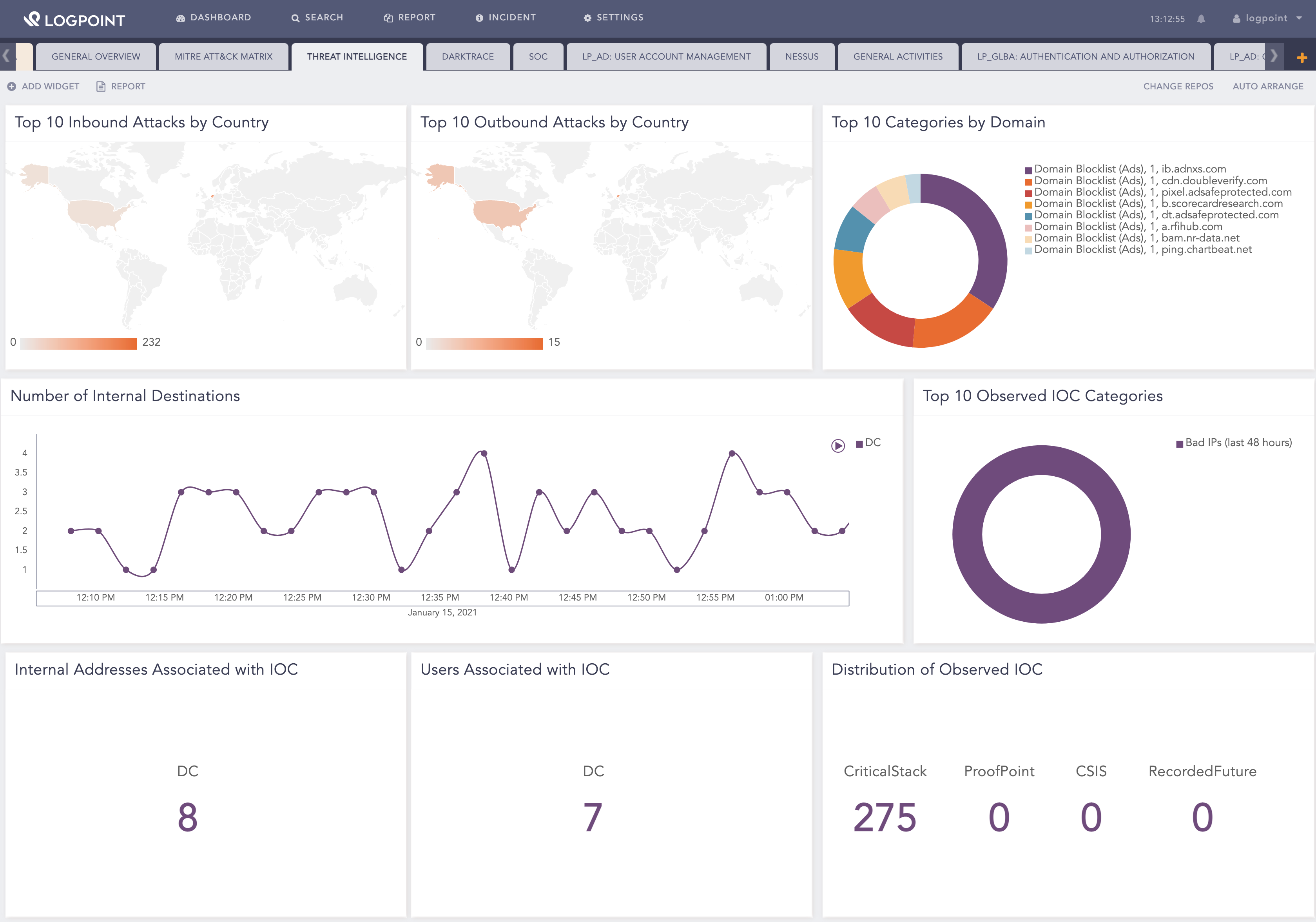 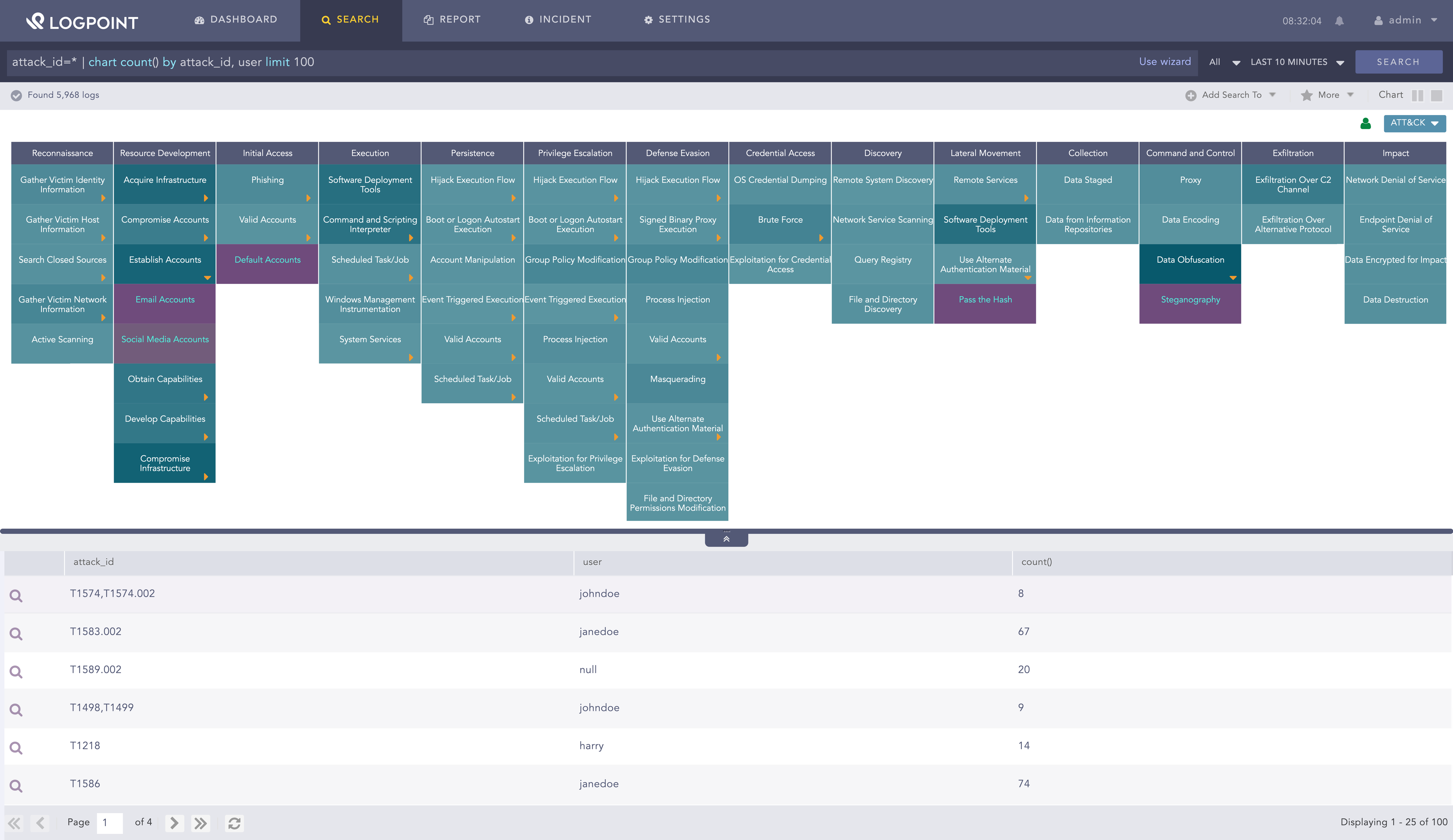 | Microsoft Sentinel Screenshots   |