Microsoft Defender for Endpoint vs. Microsoft Defender for IoT

Overview
ProductRatingMost Used ByProduct SummaryStarting Price
Microsoft Defender for Endpoint
Score 8.8 out of 10
N/A
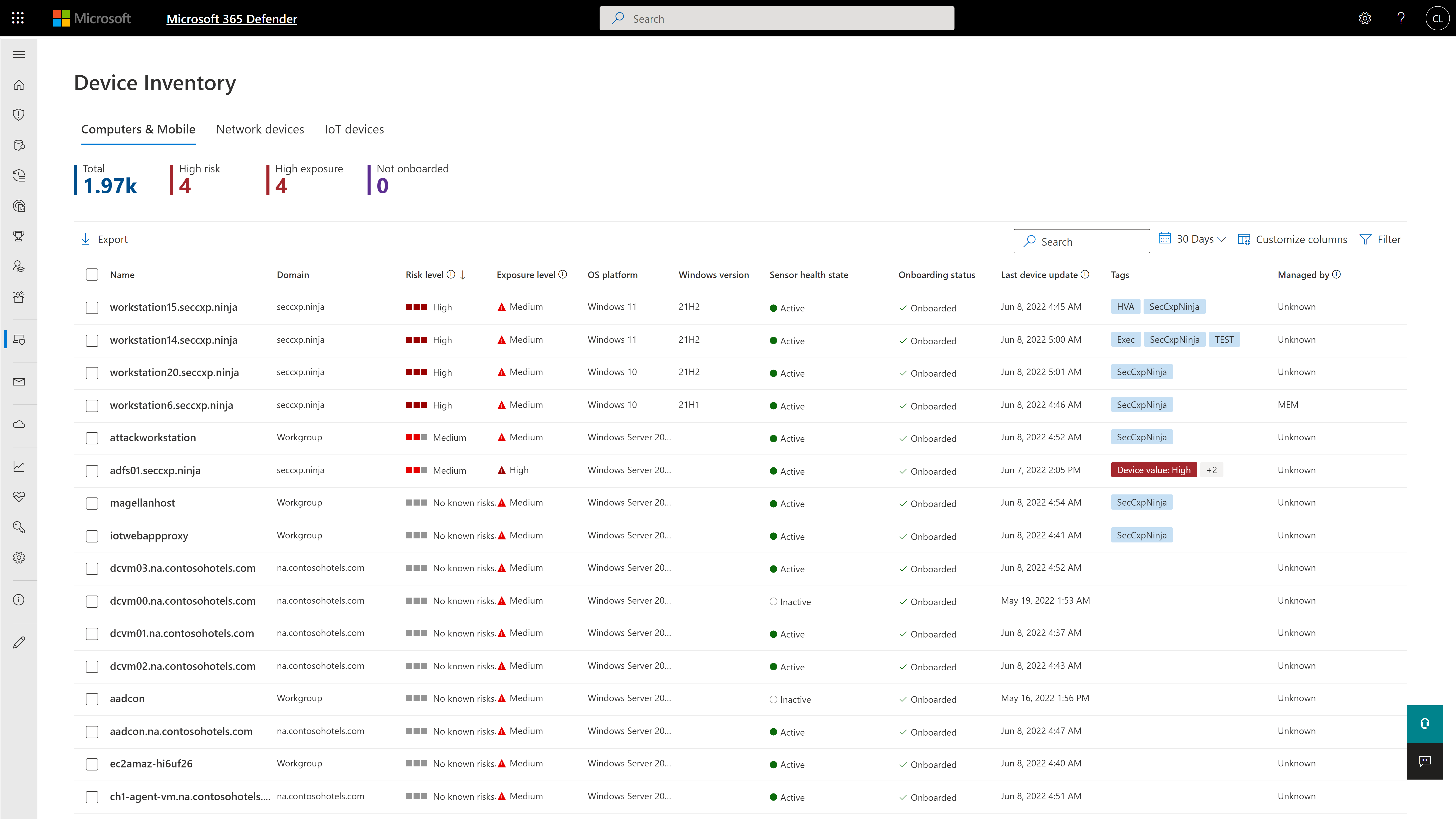
Microsoft Defender for Endpoint (formerly Microsoft Defender ATP) is a holistic, cloud delivered endpoint security solution that includes risk-based vulnerability management and assessment, attack surface reduction, behavioral based and cloud-powered next generation protection, endpoint detection and response (EDR), automatic investigation and remediation, managed hunting services, rich APIs, and unified security management.
$2.50
per user/per month
Microsoft Defender for IoT
Score 9.0 out of 10
N/A
Microsoft states users can protect IoT/OT devices and get visibility into risk with Microsoft Defender for IoT (formerly Azure Defender for IoT), boasting agentless network monitoring for asset discovery, vulnerability management, and continuous threat detection across IoT/OT devices whether they’re unmanaged devices or managed devices provisioned via Azure IoT Hub. Features an integration with Azure Sentinel and third-party solutions. Deploy in either on-premises or Azure-connected…N/A
Pricing
Microsoft Defender for EndpointMicrosoft Defender for IoT
Editions & Modules
Academic
$2.50
per user/per month
Standalone
$5.20
per user/per month
No answers on this topic
Offerings
Pricing Offerings
Microsoft Defender for EndpointMicrosoft Defender for IoT
Free Trial
YesNo
Free/Freemium Version
NoNo
Premium Consulting/Integration Services
NoNo
Entry-level Setup FeeNo setup feeNo setup fee
Additional Details
More Pricing Information
Community Pulse
Microsoft Defender for EndpointMicrosoft Defender for IoT
Features
Microsoft Defender for EndpointMicrosoft Defender for IoT
Endpoint Security
Comparison of Endpoint Security features of Product A and Product B
Microsoft Defender for Endpoint
8.7
78 Ratings
2% above category average
Microsoft Defender for IoT
-
Ratings
Anti-Exploit Technology8.975 Ratings00 Ratings
Endpoint Detection and Response (EDR)9.177 Ratings00 Ratings
Centralized Management8.777 Ratings00 Ratings
Hybrid Deployment Support7.210 Ratings00 Ratings
Infection Remediation9.075 Ratings00 Ratings
Vulnerability Management8.672 Ratings00 Ratings
Malware Detection9.276 Ratings00 Ratings
Best Alternatives
Microsoft Defender for EndpointMicrosoft Defender for IoT
Small Businesses
ThreatLocker
ThreatLocker
Score 9.2 out of 10

No answers on this topic

Medium-sized Companies
BlackBerry Protect (CylancePROTECT)
Score 9.1 out of 10
Barracuda CloudGen Firewall
Score 9.6 out of 10
Enterprises
BeyondTrust Endpoint Privilege Management
Score 10.0 out of 10
Forescout Platform
Forescout Platform
Score 6.9 out of 10
All AlternativesView all alternativesView all alternatives
User Ratings
Microsoft Defender for EndpointMicrosoft Defender for IoT
Likelihood to Recommend
9.0
(133 ratings)
9.0
(4 ratings)
Likelihood to Renew
8.4
(10 ratings)
-
(0 ratings)
Usability
8.6
(10 ratings)
-
(0 ratings)
Availability
9.1
(1 ratings)
-
(0 ratings)
Performance
9.1
(1 ratings)
-
(0 ratings)
Support Rating
9.0
(7 ratings)
-
(0 ratings)
Implementation Rating
7.3
(1 ratings)
-
(0 ratings)
Configurability
8.2
(1 ratings)
-
(0 ratings)
Product Scalability
9.1
(1 ratings)
-
(0 ratings)
User Testimonials
Microsoft Defender for EndpointMicrosoft Defender for IoT
Likelihood to Recommend
Microsoft
I can definitely tell you where it’s more suited, because we haven’t come across any less appropriate scenarios. But definitely in regard to how we centrally manage our user space and our endpoints, it’s been beneficial from an API perspective and is really transferable, with strong collaboration with our Azure stack. It works very well.
Read full review
Microsoft
Suited in almost all situations as it has a server less option where if your end device cannot bear the load of an agent, it could be used to protect the network. The comprehensive dashboarding and its integration with Microsoft Defender 365 and Sentinel allows automated remediation and full incident investigation at a single pane. If you don't have a 24*7 SOC team this ca come handy as you can automate workbooks and scripts to run with custom triggers. I haven't faced any scenario where it is not a suitable choice.
Read full review
Pros
Microsoft
  • Definitely on the threat action and response. We didn't have a stress-response option before, but the dependent brand point provided it instantly. Also, it's doing UVA and machine learning, which we didn't have before. So it's definitely providing more sophisticated threat-detection capabilities than we had before.
Read full review
Microsoft
  • Easy Integration in the form of multiple deployment options including On Prem, Azure or Hybrid Cloud
  • All round protection/ Real time analytics with absolutely no performance hits
  • Interoperability with Microsoft SIEM/SOAR. This helps in global threat protection with automated and cross domain network security
Read full review
Cons
Microsoft
  • The only thing is sometimes, because Microsoft has so many platforms, it gets a little confusing, like am I in the security platform? Am I in Purview? Where am I at right now? Because there's so many sites that are kind of doing a lot of the same thing, and so that does get a little confusing from time to time, but outside of that, it's a pretty good product.
Read full review
Microsoft
  • The deployment when new to the system is not an easy task.
  • Multiple big project information securing.
  • Migrating large amount of different data.
Read full review
Likelihood to Renew
Microsoft
Cost add-ons for Security features is nickel and diming the process to keep pace with cybercrime. Limited Education budgets require us to be more pro-active in finding cost-effective measures to protect our devices, staff and students. Defender is a strong, well-featured product that is pricing itself out of the education market
Read full review
Microsoft
No answers on this topic
Usability
Microsoft
Microsoft Defender for Endpoint is a great EDR to have that works quickly and silently in the background and it integrates well with other Microsoft services. As an IT manager, I can appreciate that I do not get bombarded by alerts for every small detail. On the flipside, the management site can use some work in being more clear and should be more streamlined so I'm not clicking through multiple pages to figure out what happened
Read full review
Microsoft
No answers on this topic
Reliability and Availability
Microsoft
Microsoft Defender for Endpoint chugs along just fine no matter what we throw at it and what systems it's running on. It doesn't take up a lot of resources either, so that's welcomed.
Read full review
Microsoft
No answers on this topic
Performance
Microsoft
Microsoft Defender for Endpoint is easy on memory and resources on clients.
Read full review
Microsoft
No answers on this topic
Support Rating
Microsoft
The first time I tried to onboard my macOS endpoints to MDE I struggled for quite a bit. I had to reach out to Microsoft's MDE support team. The tech was very helpful in walking me through the steps during a screen share session
Read full review
Microsoft
No answers on this topic
Implementation Rating
Microsoft
Deployment was handled by our team here and everything went pretty smoothly. We did have a few hiccups in our test group, but that only took a bit to get ironed out.
Read full review
Microsoft
No answers on this topic
Alternatives Considered
Microsoft
Previously, we've used Sophos. We've used, way back when, McAfee, Norton, Symantec, all those. And we finally settled on Microsoft Defender for Endpoint. We're a Microsoft technology stack shop. So obviously it was natural. It's built into Windows, so we're not adding additional agents. Some of the other vendors and their agents, for a while, would compete with CPU usage. And so it actually slowed down the machines. Because Microsoft Defender for Endpoint is built into the Windows product, Microsoft is going to ensure that it does not affect the other productivity tools that a user may use.
Read full review
Microsoft
Defender being native to MS was the decision maker for us.
Read full review
Scalability
Microsoft
Microsoft Defender for Endpoint is easily scaled from small orgs to giant enterprises.
Read full review
Microsoft
No answers on this topic
Return on Investment
Microsoft
  • Reduced incidents of security breaches lead to lower remediation costs and avoid potential financial losses and reputational damage.
  • Reduces the need for additional third-party security solutions and training, thereby lowering overall security management costs.
  • Increased efficiency and productivity of IT staff lead to better allocation of resources and cost savings.
  • Reduces the risk of fines and sanctions associated with non-compliance, ensuring business continuity and protecting revenue.
Read full review
Microsoft
  • Positive: With the influx of IoT device organisations in general, we have seen significant demand of the product and hence a good revenue
  • Negatively, sometimes, some preview features may significantly change or stop working, which causes client frustration
  • Overall, keeping the distrust in preview features aside, 99% of the times, defender hits the right spot!
Read full review
ScreenShots

Microsoft Defender for Endpoint Screenshots
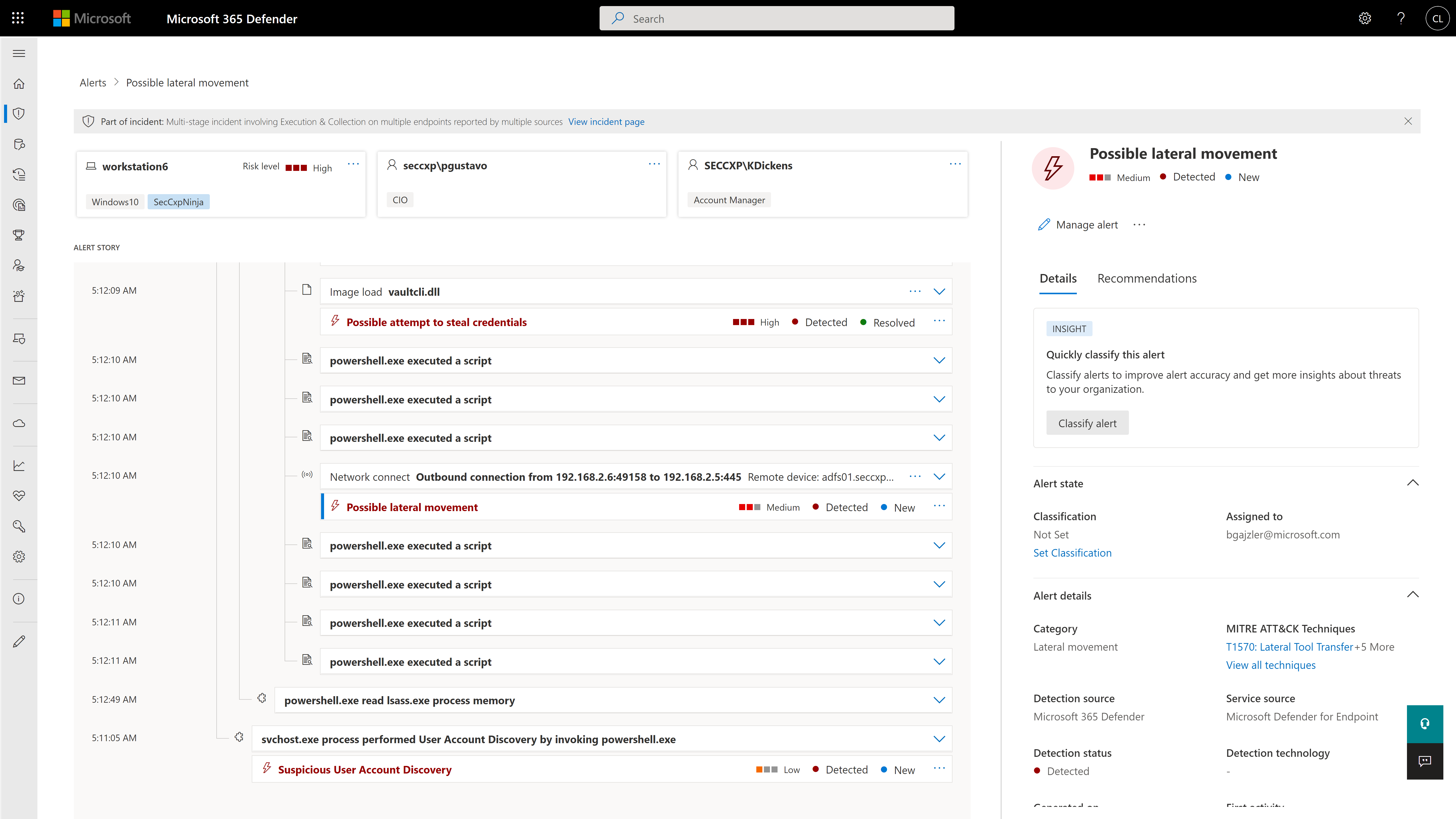
Screenshot of blocked activitiesScreenshot of Detects & respondsScreenshot of discovers vulnerabilityScreenshot of Eliminates blind spotsScreenshot of Risk management