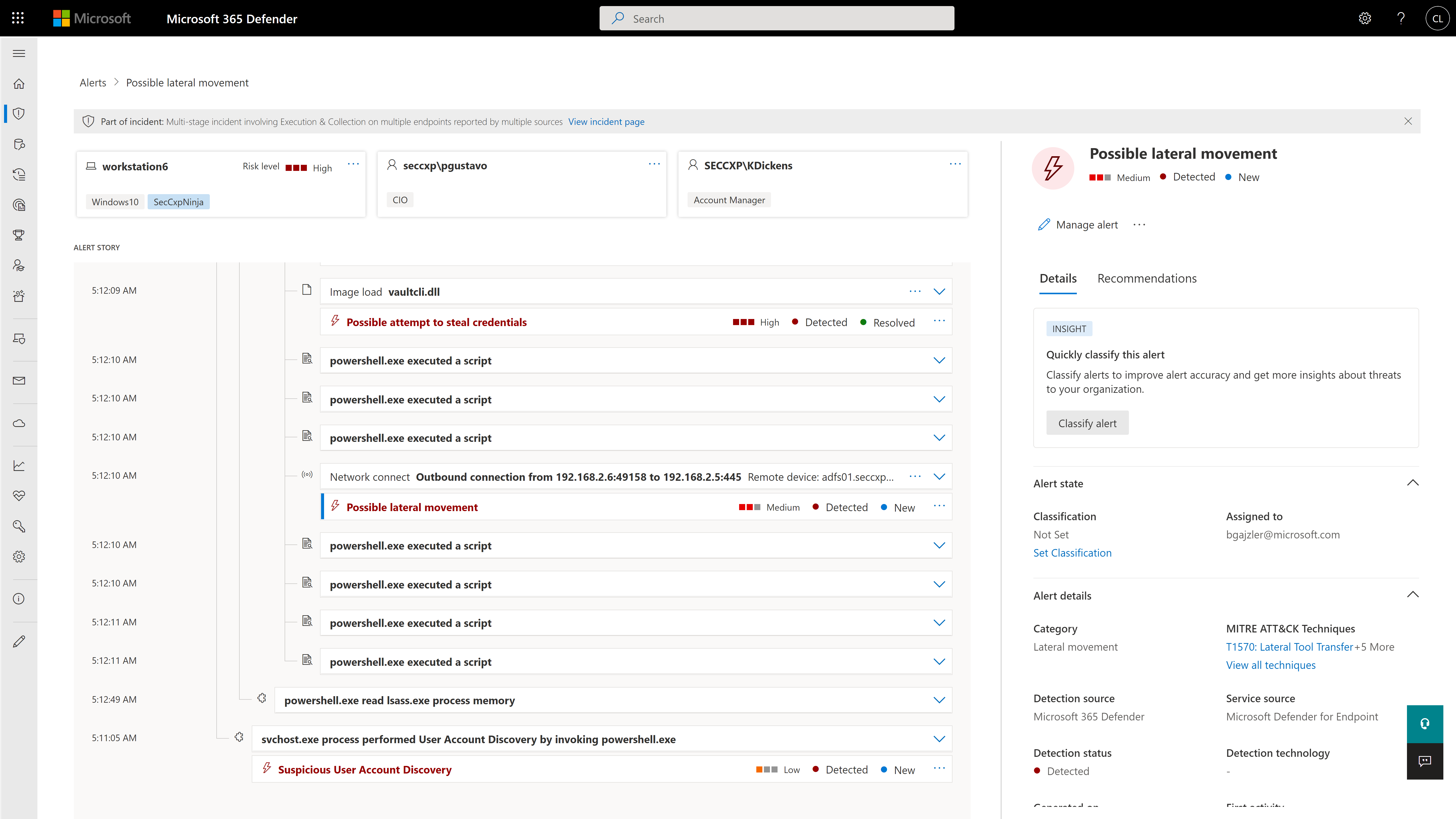
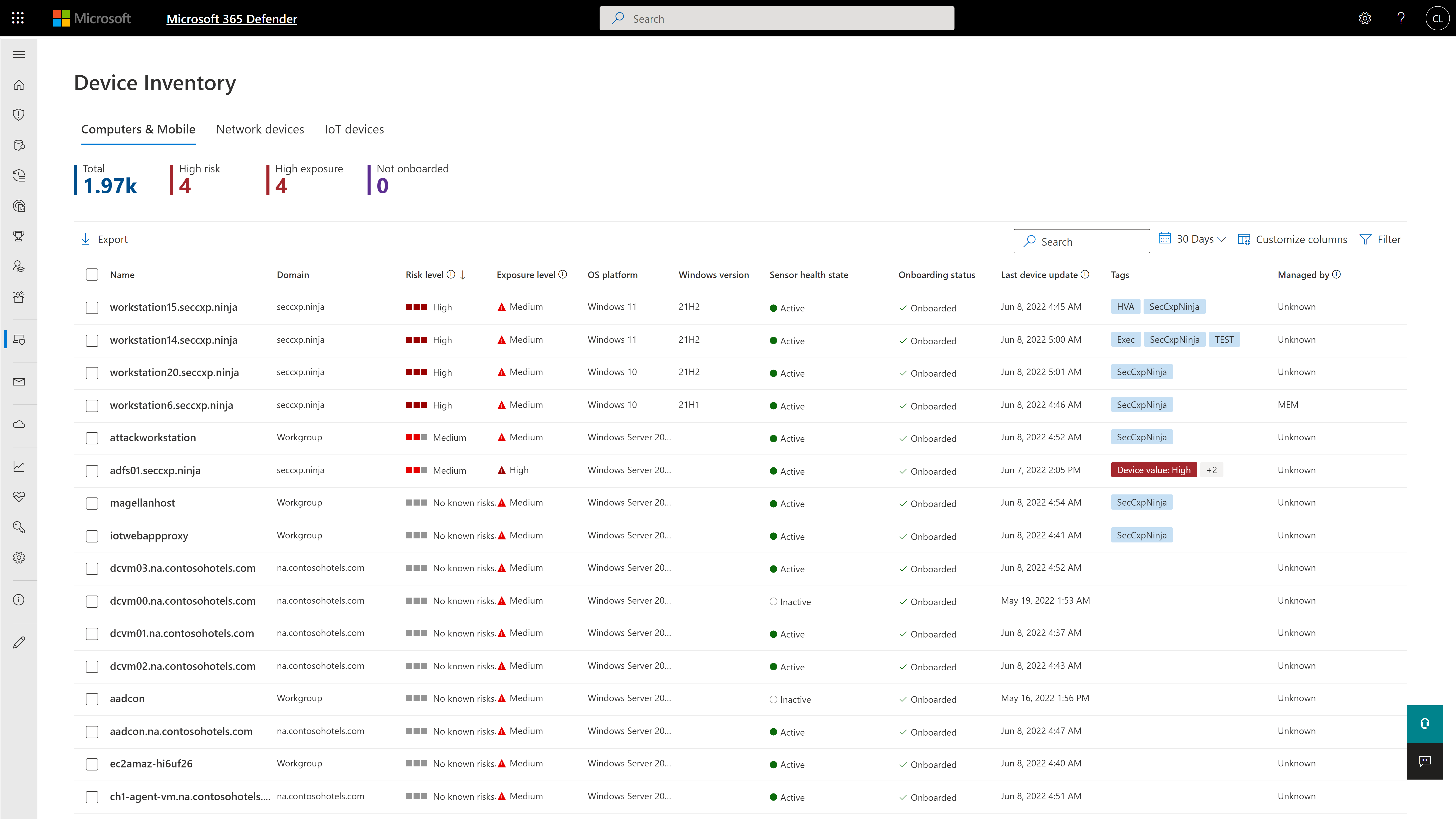
Microsoft Defender for Endpoint (formerly Microsoft Defender ATP) is a holistic, cloud delivered endpoint security solution that includes risk-based vulnerability management and assessment, attack surface reduction, behavioral based and cloud-powered next generation protection, endpoint detection and response (EDR), automatic investigation and remediation, managed hunting services, rich APIs, and unified security management.
$2.50
per user/per month
Symantec Endpoint Protection Mobile
Score 2.0 out of 10
Enterprise companies (1,001+ employees)
Symantec Endpoint Protection Mobile (formerly Skycure) is a mobile security option developed by Skycure and acquired by Symantec in the summer of 2017.
Most of them are doing pretty much the same. Symantec Endpoint Protection Mobile has an intuitive dashboard and policy configuration use. the app itself has low-Performance effects and does not use a lot of battery.
Features
Microsoft Defender for Endpoint
Symantec Endpoint Protection Mobile
Endpoint Security
Comparison of Endpoint Security features of Product A and Product B
It's well-suited if you're already a Microsoft shop, particularly if there are budgeting concerns or it's a smaller operation where you might not have the finances to have a more diverse toolset. Falling back on something built-in because you're already a Microsoft customer is really helpful. Areas where I would say it's less appropriate are if you're not already a Microsoft customer. If you're a Google shop, then maybe it doesn't make the most sense. And then I'd say if you have large budgets, a wide diversity of systems, or a very large footprint, then having something ancillary, or at least another tool, can be impactful as far as making sure you have better visibility.
Although it is extremely rare, performance issues can arise when we protect data because of the rising volume of traffic on our system. The constant version updates annoy me a lot. It's difficult to upgrade the clients frequently if you have a larger number of clients.
The big thing for us is on endpoint, it kind of integrates with everything else that we already have because we use Microsoft completely. And so that helps us with being able to integrate, and send things over to Azure Sentinel as we need to as well.
Differently. The biggest thing is that if there is a particular update to it that, for whatever reason, is incompatible with, like, an EHR or some software that we have, there is no easy way to roll back. There's not just like a one click rollback or anything like that. So we have to get in and do that. We've actually written a tool ourselves to manage that, so that's something that's missing.
Cost add-ons for Security features is nickel and diming the process to keep pace with cybercrime. Limited Education budgets require us to be more pro-active in finding cost-effective measures to protect our devices, staff and students. Defender is a strong, well-featured product that is pricing itself out of the education market
It's fairly good whenever you talk about leveraging it, but your staff just has to go read the tech articles. Microsoft does a great job of producing Microsoft technical articles. And so if you can go out there and take the time to read them, you will learn how to do it. It's just not intuitive from the screen if you're just kind of going through it for the first time.
Microsoft Defender for Endpoint chugs along just fine no matter what we throw at it and what systems it's running on. It doesn't take up a lot of resources either, so that's welcomed.
The first time I tried to onboard my macOS endpoints to MDE I struggled for quite a bit. I had to reach out to Microsoft's MDE support team. The tech was very helpful in walking me through the steps during a screen share session
Deployment was handled by our team here and everything went pretty smoothly. We did have a few hiccups in our test group, but that only took a bit to get ironed out.
I've used Sophos, Bitdefender, SentinelOne, and, of course, Microsoft Defender for Endpoint. We chose this at the time because we were such a Microsoft shop that it just seemed to integrate well with all the other things that we had set up with Microsoft.
Even programmers who build complex code do not experience any negative effects from this lightweight agent, which cannot be readily destroyed or removed so that devices are always being watched. Additionally, it offers deception technologies that other suppliers frequently do not in comparable solutions. It has the capacity to proactively quarantine potentially infected devices.
I'd probably say improved security outcomes and reduced risks. Vulnerability management has been crazy over these past few years just because of the amount of vulnerabilities that are getting discovered and reported. But Microsoft Defender for Endpoint has given us great visibility around that, even though it's a lot. And from that data, we have used it to help fix vulnerabilities, work with our systems team, and work with the appropriate teams to get those vulnerabilities resolved.