Microsoft Defender for Endpoint vs. SUSE Security

Overview
ProductRatingMost Used ByProduct SummaryStarting Price
Microsoft Defender for Endpoint
Score 8.9 out of 10
N/A
Microsoft Defender for Endpoint (formerly Microsoft Defender ATP) is a holistic, cloud delivered endpoint security solution that includes risk-based vulnerability management and assessment, attack surface reduction, behavioral based and cloud-powered next generation protection, endpoint detection and response (EDR), automatic investigation and remediation, managed hunting services, rich APIs, and unified security management.
$2.50
per user/per month
SUSE Security
Score 8.0 out of 10
N/A
SUSE® Security (formerly NeuVector) provides an end-to-end container security platform. This includes end-to-end vulnerability scanning and complete run-time protection for containers, pods and hosts.
$0
Pricing
Microsoft Defender for EndpointSUSE Security
Editions & Modules
Academic
$2.50
per user/per month
Standalone
$5.20
per user/per month
No answers on this topic
Offerings
Pricing Offerings
Microsoft Defender for EndpointSUSE Security
Free Trial
YesNo
Free/Freemium Version
NoYes
Premium Consulting/Integration Services
NoNo
Entry-level Setup FeeNo setup feeNo setup fee
Additional Details
More Pricing Information
Community Pulse
Microsoft Defender for EndpointSUSE Security
Features
Microsoft Defender for EndpointSUSE Security
Endpoint Security
Comparison of Endpoint Security features of Product A and Product B
Microsoft Defender for Endpoint
8.7
78 Ratings
3% above category average
SUSE Security
-
Ratings
Anti-Exploit Technology8.975 Ratings00 Ratings
Endpoint Detection and Response (EDR)9.277 Ratings00 Ratings
Centralized Management8.777 Ratings00 Ratings
Hybrid Deployment Support7.210 Ratings00 Ratings
Infection Remediation9.175 Ratings00 Ratings
Vulnerability Management8.772 Ratings00 Ratings
Malware Detection9.276 Ratings00 Ratings
Best Alternatives
Microsoft Defender for EndpointSUSE Security
Small Businesses
ThreatLocker
ThreatLocker
Score 9.4 out of 10
Portainer
Portainer
Score 9.0 out of 10
Medium-sized Companies
CrowdStrike Falcon
CrowdStrike Falcon
Score 9.1 out of 10
NGINX
NGINX
Score 9.8 out of 10
Enterprises
BeyondTrust Endpoint Privilege Management
Score 10.0 out of 10
NGINX
NGINX
Score 9.8 out of 10
All AlternativesView all alternativesView all alternatives
User Ratings
Microsoft Defender for EndpointSUSE Security
Likelihood to Recommend
8.9
(134 ratings)
8.3
(2 ratings)
Likelihood to Renew
8.4
(10 ratings)
-
(0 ratings)
Usability
8.6
(10 ratings)
-
(0 ratings)
Availability
9.1
(1 ratings)
-
(0 ratings)
Performance
9.1
(1 ratings)
-
(0 ratings)
Support Rating
9.0
(7 ratings)
-
(0 ratings)
Implementation Rating
7.3
(1 ratings)
-
(0 ratings)
Configurability
8.2
(1 ratings)
-
(0 ratings)
Product Scalability
9.1
(1 ratings)
-
(0 ratings)
User Testimonials
Microsoft Defender for EndpointSUSE Security
Likelihood to Recommend
Microsoft
Microsoft Defender for Endpoint is easy to deployed across the entire organization. Having a cloud based solution with a single pane of glass to manage all assets is a real no-brainer. Being able to receive immediate alerts when suspicious activity occurs is extremely helpful in keeping risks at a minimum. Microsoft Defender for Endpoint management is also smart enough to not send several alerts when an attack could be hitting multiple targets within a certain time frame or when it's the same attack multiple times. However, be prepared to click through multiple pages all over the site to figure out what happened when an attack occurs.
Read full review
SUSE
SUSE NeuVector is exceptional when you want to make your Kubernetes cluster secure. You can limit network connections, scan containers, container registries and Kubernetes nodes for vulnerable software, forbid running specific commands on certain or all containers. You can enable security for individual containers - when SUSE NeuVector has learned container specifics. That's why you can deploy SUSE NeuVector on production Kubernetes clusters where you are already running conteiners - it will not break anything.
Read full review
Pros
Microsoft
  • One, it's crazy lightweight, so compared to some of the competitors that we also have used with our security services, it's really lightweight and so I don't have a lot of overhead on the system that it's running on.
  • It does really fantastic PowerShell integration.
Read full review
SUSE
  • Scans containers software for known vulnerabilities
  • Denies command execution in containers
  • Prevents unwanted network connections from/to containers
Read full review
Cons
Microsoft
  • It would be good to continue to minimize the amount of resources needed during a scan
  • Provide more integration with Outlook to scan attachments with a notification that everything is good
  • Provide a Click to Fix option when listing issues or high-risk problems on systems
Read full review
SUSE
  • I like everything about NeuVector. They are on the right development path.
Read full review
Likelihood to Renew
Microsoft
Cost add-ons for Security features is nickel and diming the process to keep pace with cybercrime. Limited Education budgets require us to be more pro-active in finding cost-effective measures to protect our devices, staff and students. Defender is a strong, well-featured product that is pricing itself out of the education market
Read full review
SUSE
No answers on this topic
Usability
Microsoft
It offers multiple security features and integrates well with Microsoft ecosystems. A workflow for threat detection, investigation, automated remediation, and a centralized dashboard is an added advantage. This application is mainly designed for experienced users; new users may feel challenged.
Read full review
SUSE
No answers on this topic
Reliability and Availability
Microsoft
Microsoft Defender for Endpoint chugs along just fine no matter what we throw at it and what systems it's running on. It doesn't take up a lot of resources either, so that's welcomed.
Read full review
SUSE
No answers on this topic
Performance
Microsoft
Microsoft Defender for Endpoint is easy on memory and resources on clients.
Read full review
SUSE
No answers on this topic
Support Rating
Microsoft
The first time I tried to onboard my macOS endpoints to MDE I struggled for quite a bit. I had to reach out to Microsoft's MDE support team. The tech was very helpful in walking me through the steps during a screen share session
Read full review
SUSE
No answers on this topic
Implementation Rating
Microsoft
Deployment was handled by our team here and everything went pretty smoothly. We did have a few hiccups in our test group, but that only took a bit to get ironed out.
Read full review
SUSE
No answers on this topic
Alternatives Considered
Microsoft
Defender is far easier to deploy and manage than Sophos and tends to work without as many issues. The threat assessment portal provides an in-depth view of the organization's security posture, whereas Sophos only shows the patching status of the PCs. We did need Intune to get many of the control features (disabling USB drives) that Sophos offered out of the box.
Read full review
SUSE
SUSE NeuVector is deployed on your Kubernetes, and data does not leave your data center. Sysdig is a cloud platform - you have no full control over what happens with your data. Also, SUSE NeuVector has a capability to prevent specific command execution ir containers, but Sysdig does not have such ability. Sysdig is not an open-source solution, but SUSE NeuVector is.
Read full review
Scalability
Microsoft
Microsoft Defender for Endpoint is easily scaled from small orgs to giant enterprises.
Read full review
SUSE
No answers on this topic
Return on Investment
Microsoft
  • Reduced incidents of security breaches lead to lower remediation costs and avoid potential financial losses and reputational damage.
  • Reduces the need for additional third-party security solutions and training, thereby lowering overall security management costs.
  • Increased efficiency and productivity of IT staff lead to better allocation of resources and cost savings.
  • Reduces the risk of fines and sanctions associated with non-compliance, ensuring business continuity and protecting revenue.
Read full review
SUSE
  • We went from being blind to what happens in the Kubernetes network to seeing everything and being able to control Kubernetes network communications.
  • Now we are able to detect vulnerable containers faster.
Read full review
ScreenShots

Microsoft Defender for Endpoint Screenshots
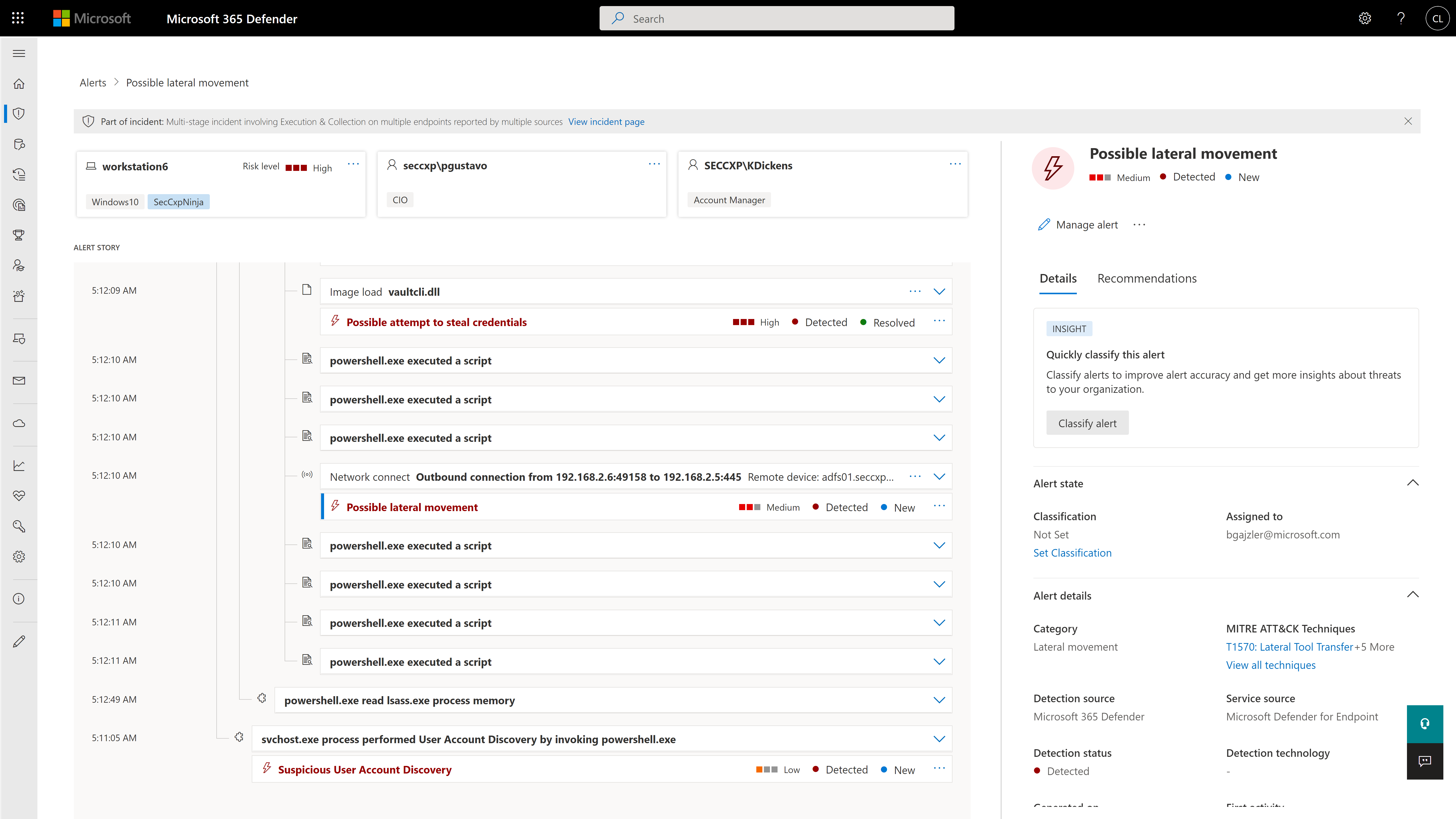
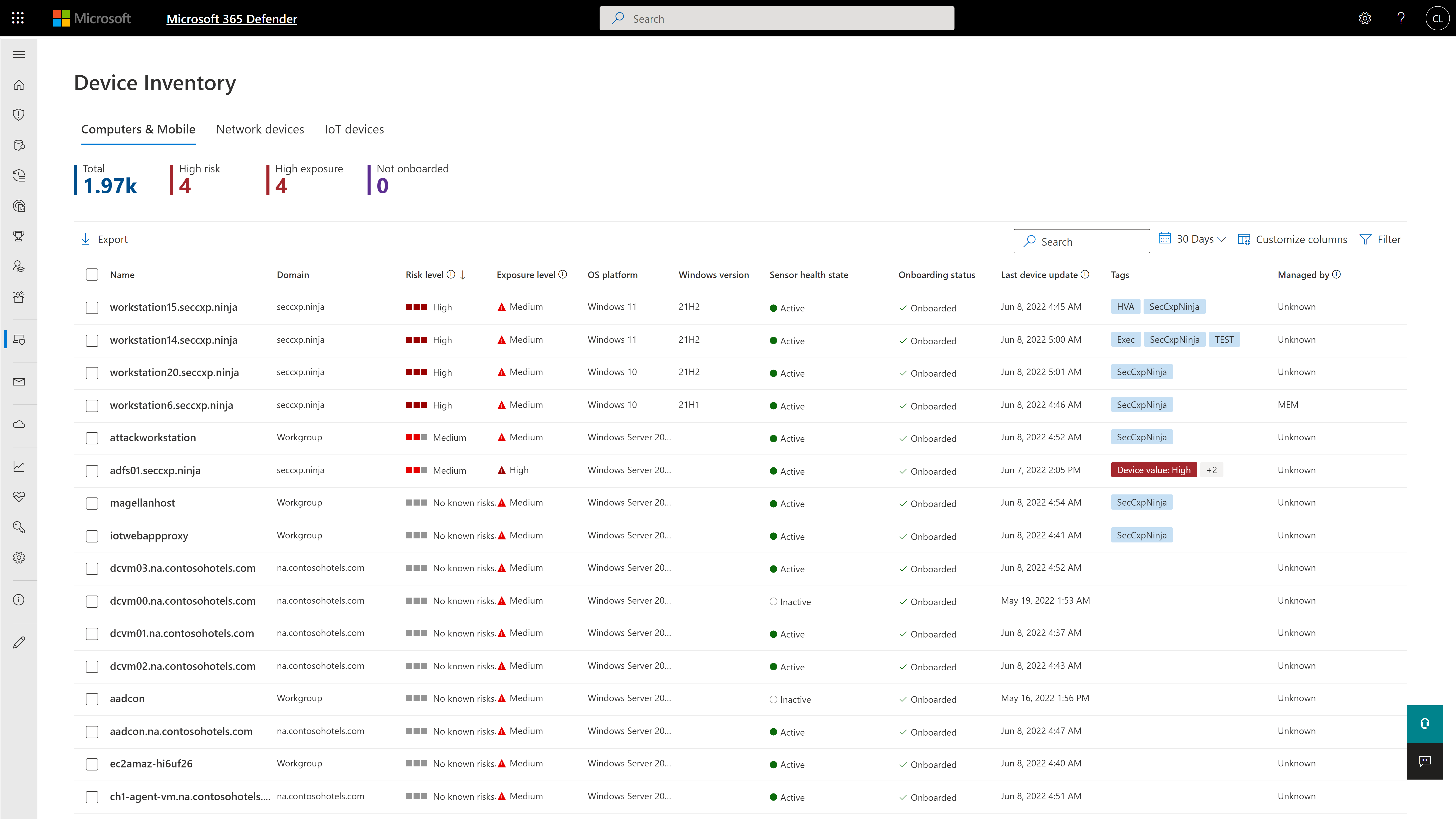
Screenshot of blocked activitiesScreenshot of Detects & respondsScreenshot of discovers vulnerabilityScreenshot of Eliminates blind spotsScreenshot of Risk management