Microsoft System Center is an enterprise-grade IT Operations Management (ITOM) suite designed for the centralized administration of data center infrastructure, virtualized environments, and hybrid cloud workloads. The platform provides unified management across heterogeneous environments, including support for Windows Server, Linux, and Azure Stack HCI.
System Center is Microsoft's ITOM stack for organizations that maintain a significant on-premise footprint, vs the company's Azure-based…
$1,323
per month
Sunbird DCIM
Score9 out of 10
N/A
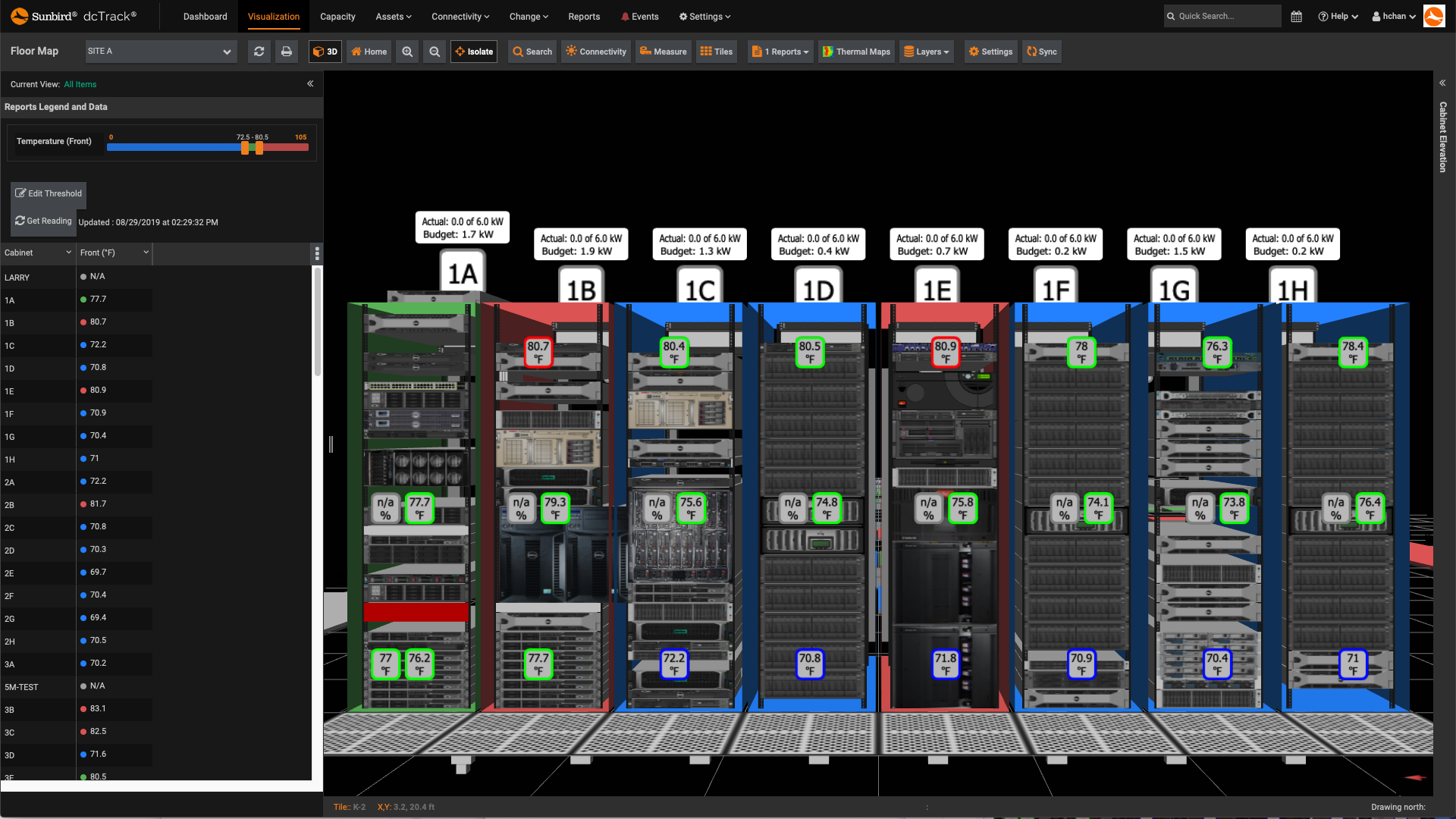
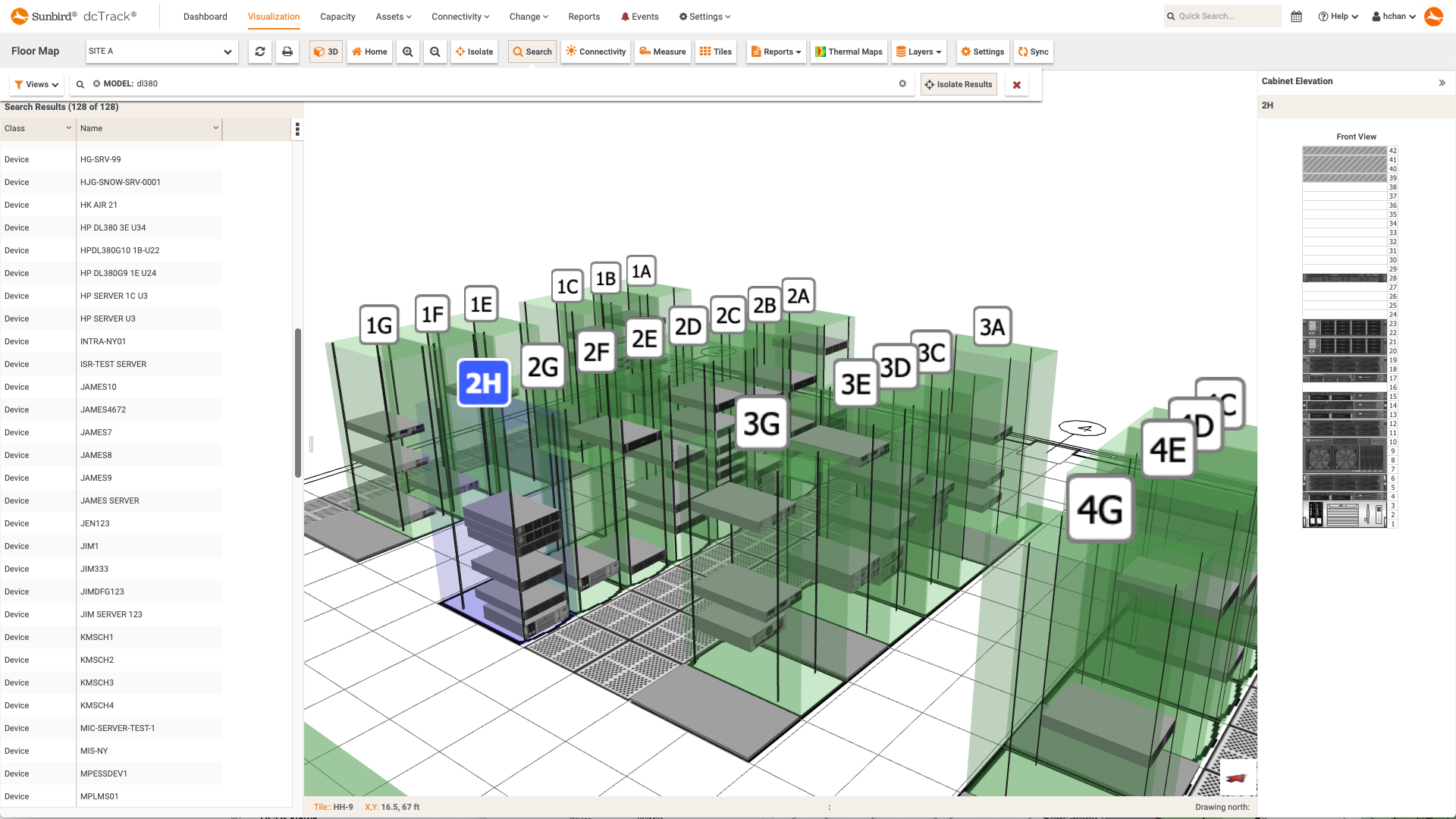
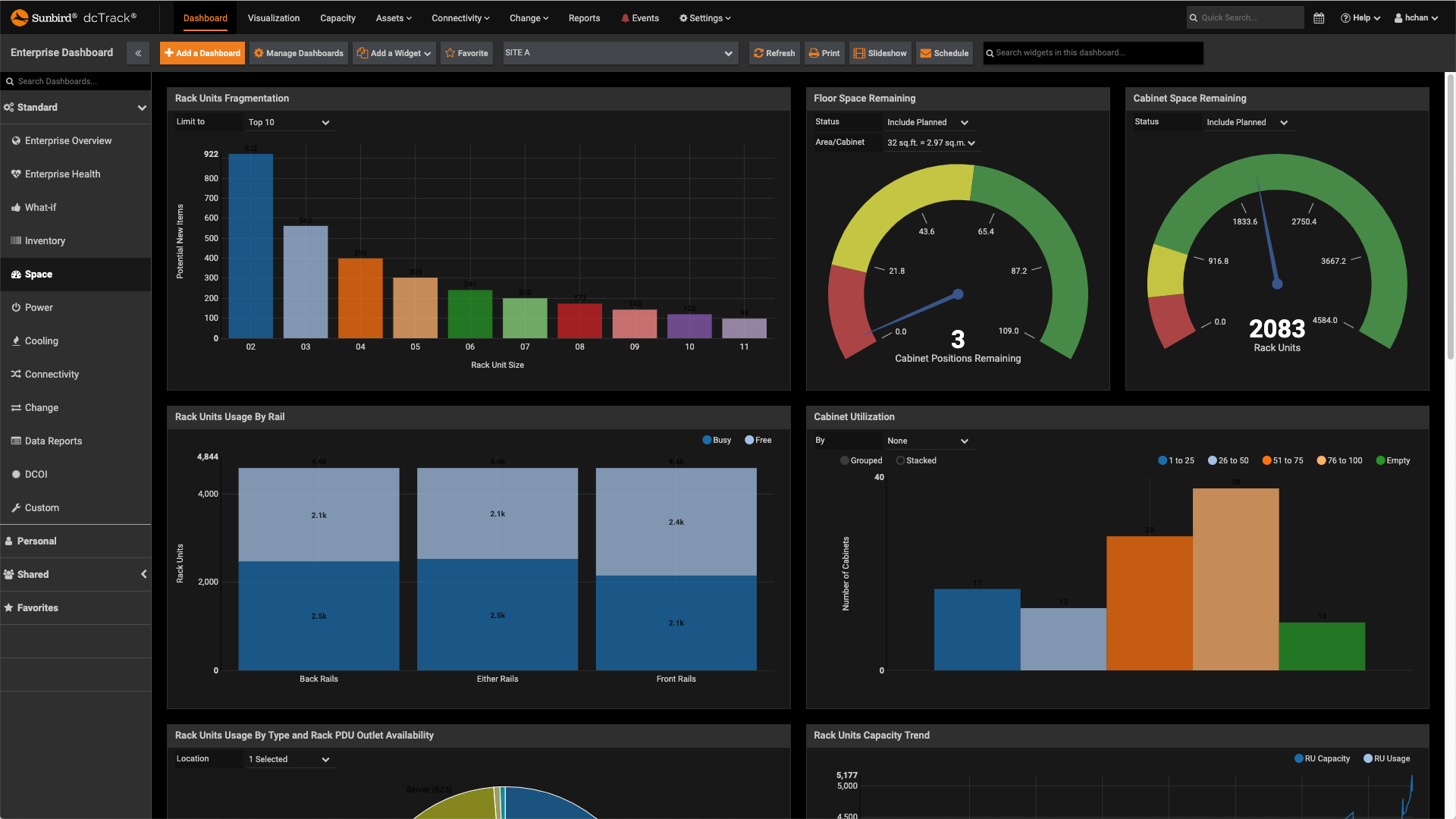
Sunbird Software headquartered in New Jersey offers their DCIM Suite of applications, available a la carte, as a total DCIM suite, in an asset and capacity oriented bundle or bundled for environmental and power consumption monitoring. The suite includes tools like Asset, Capacity, Change, Energy, Environment, Power, as well as BI & Analytics, to provide end-to-end administrative control over the data center.
$47.88
per year per node
Pricing
Microsoft System Center
Sunbird DCIM
Editions & Modules
Standard Edition
$1323
Datacenter Edition
$3607
Power IQ DCIM Monitoring
$47.88
per year per node
dcTrack DCIM Operations
$167.88
per year per cabinet
DCIM Suite Bundle
$237.24
per year per cabinet
Offerings
Pricing Offerings
Microsoft System Center
Sunbird DCIM
Free Trial
No
Yes
Free/Freemium Version
No
No
Premium Consulting/Integration Services
No
No
Entry-level Setup Fee
No setup fee
Optional
Additional Details
—
—
More Pricing Information
Community Pulse
Microsoft System Center
Sunbird DCIM
Considered Both Products
Microsoft
Verified User
Chose Microsoft System Center
The versatility of the suite of application provided by the Microsoft experience center was way above the other competitors , it helped gained leverage over the other products in the market . That why we made the decision of choosing Microsoft system center as a infrastructure …
A de minimis incentive was given to thank the reviewer for their time. The incentive was not used to bias or drive a particular response, nor was the incentive contingent on a positive endorsement. More Info
For companies with more than 10 Windows devices and needing to standardize the OS, AV, access, share resources, and install software. SCCM is the way to go. This software is unnecessary if the business is all remote users and not in an office-type setting. There are cloud offerings or none to accomplish what a business needs.
A de minimis incentive was given to thank the reviewer for their time. The incentive was not used to bias or drive a particular response, nor was the incentive contingent on a positive endorsement. More Info
There are a few things that need work from flexibility within the asset process documentation. The interfacing with CMDB will be easier if the asset documentation had more flexibility in the standard fields. The product will support our need for a central depository of all assets, connections, and usage within our data centers, which at this time is managed by a spreadsheet with limited access. The ability to review and set goals of environmental and capacity has not been easy, with dcTrack this has become much easier than dealing with Excel tabs.
A de minimis incentive was given to thank the reviewer for their time. The incentive was not used to bias or drive a particular response, nor was the incentive contingent on a positive endorsement. More Info
A de minimis incentive was given to thank the reviewer for their time. The incentive was not used to bias or drive a particular response, nor was the incentive contingent on a positive endorsement. More Info
A de minimis incentive was given to thank the reviewer for their time. The incentive was not used to bias or drive a particular response, nor was the incentive contingent on a positive endorsement. More Info
The product could improve in the area of having better mechanisms in place with how the SCEP client is deployed/installed from the server on the management side. We have run into this firsthand with the client not installing on an endpoint, and then having to take the time to investigate why it was not installing.
A second improvement that can be made is to keep trying to improve the products detection rate for finding malware/viruses. The case can be made that there are some products out there that do a better job at this and have a higher detection rate.
A de minimis incentive was given to thank the reviewer for their time. The incentive was not used to bias or drive a particular response, nor was the incentive contingent on a positive endorsement. More Info
A de minimis incentive was given to thank the reviewer for their time. The incentive was not used to bias or drive a particular response, nor was the incentive contingent on a positive endorsement. More Info
A de minimis incentive was given to thank the reviewer for their time. The incentive was not used to bias or drive a particular response, nor was the incentive contingent on a positive endorsement. More Info
It is not user-friendly for the most part. With IT infrastructure, sometimes it cannot handle excess requests. Every few months, you will need an upgrade in terms of server resources to keep up with incoming alerts and requests. This does not happen all of the time, but it does happen when there are too many requests.
A de minimis incentive was given to thank the reviewer for their time. The incentive was not used to bias or drive a particular response, nor was the incentive contingent on a positive endorsement. More Info
There is a fair amount of documentation out there to help you when you have questions or run into issues with this product as well as tutorials on some of the more common tasks. Between the documentation and the overall ease of use we haven't had to deal with direct Microsoft support for this product.
A de minimis incentive was given to thank the reviewer for their time. The incentive was not used to bias or drive a particular response, nor was the incentive contingent on a positive endorsement. More Info
A de minimis incentive was given to thank the reviewer for their time. The incentive was not used to bias or drive a particular response, nor was the incentive contingent on a positive endorsement. More Info
We previously used a mix of FOG and Clonezilla to image machines. The biggest issues with these products is that changing one piece of the image required you to rebuild the entire image itself. These pieces of software also did not allow you to manage applications and Windows Updates, causing IT to have to constantly touch machines after they were imaged and update or manage them with a much more hands on approach.
A de minimis incentive was given to thank the reviewer for their time. The incentive was not used to bias or drive a particular response, nor was the incentive contingent on a positive endorsement. More Info
A de minimis incentive was given to thank the reviewer for their time. The incentive was not used to bias or drive a particular response, nor was the incentive contingent on a positive endorsement. More Info
Hard to say at this time what I will gain or the company will gain for the user but to understand all assets in a Data Center in a single location is a great tool for support and maintenance cost analysis.
To be able to see or understand the power needs of a given location provides the need of understanding cost impact under the different location cost models.
A de minimis incentive was given to thank the reviewer for their time. The incentive was not used to bias or drive a particular response, nor was the incentive contingent on a positive endorsement. More Info