Oracle Java SE is a programming language and gives customers enterprise features that minimize the costs of deployment and maintenance of their Java-based IT environment.
N/A
Supernova
Score10 out of 10
N/A
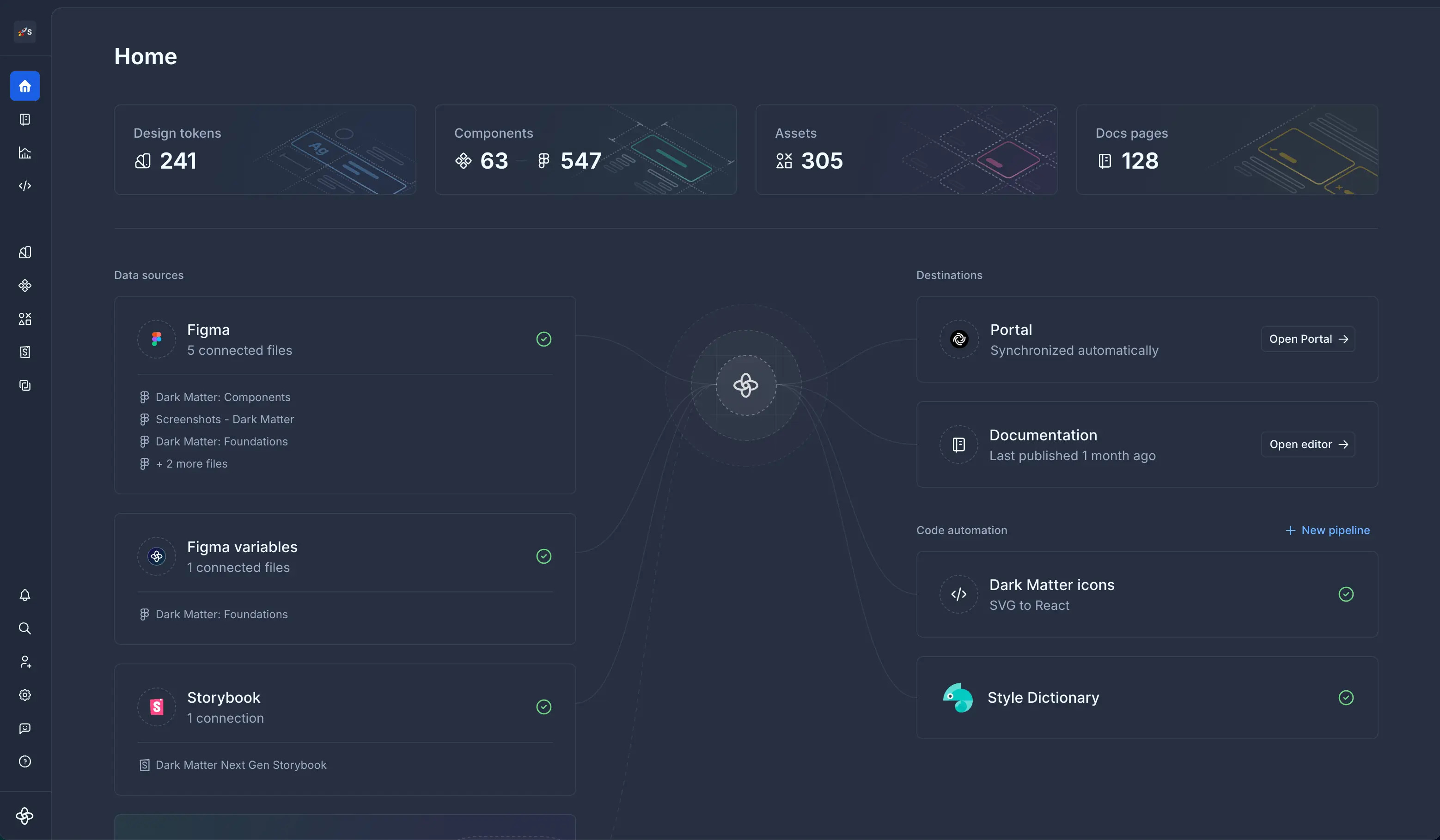
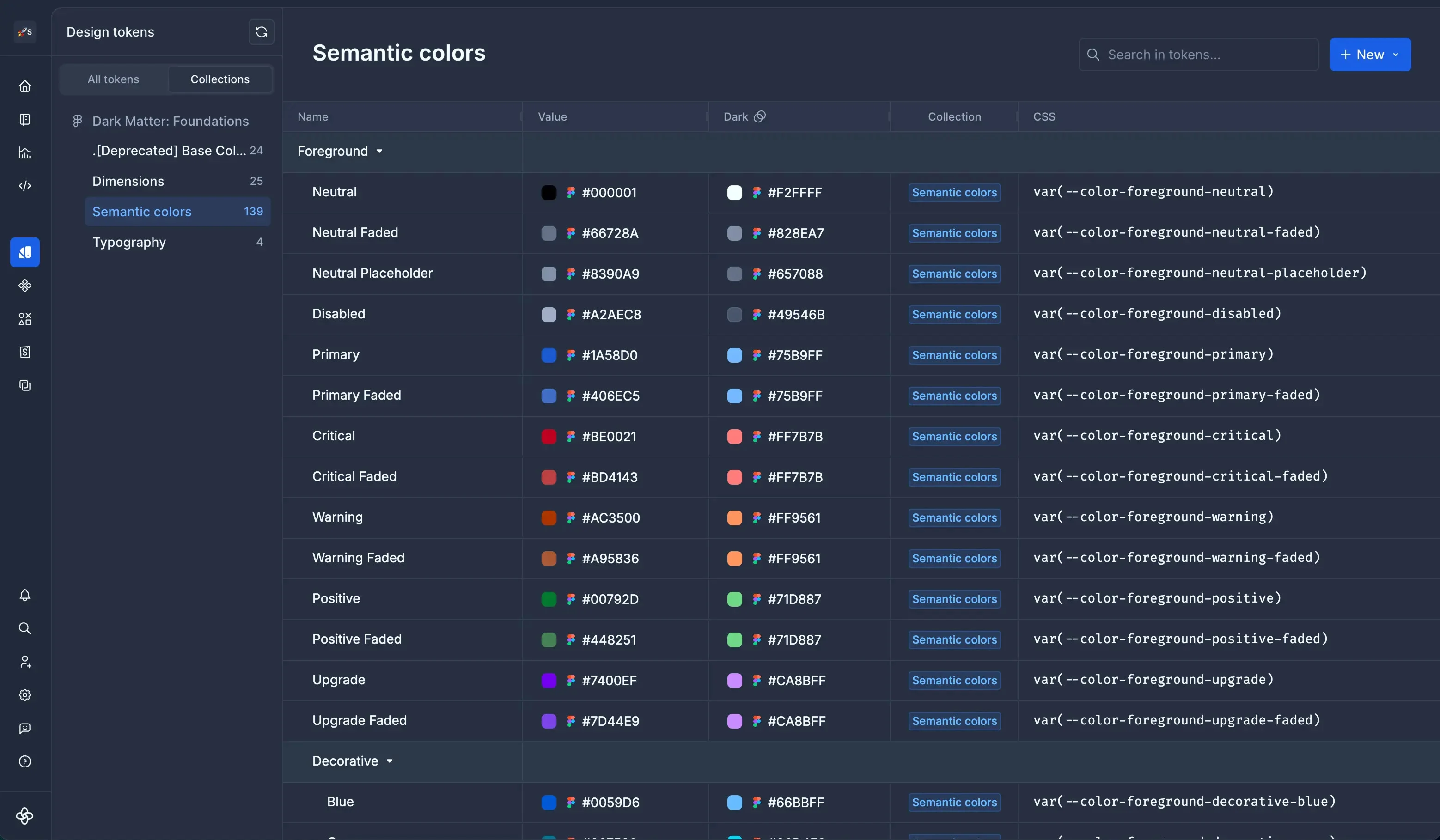
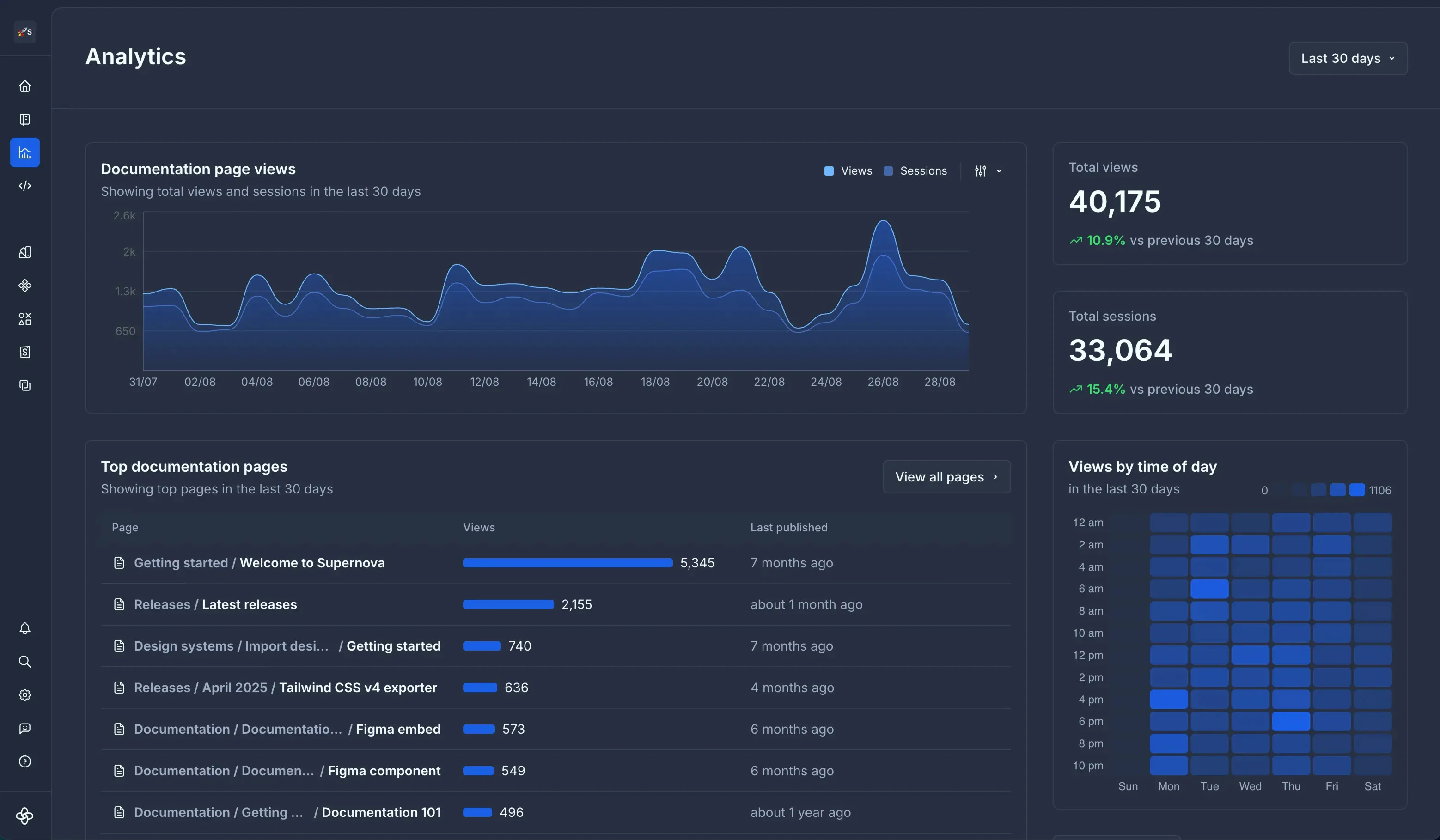
Supernova is a collaborative platform that helps product teams turn ideas into production-ready features while keeping design and development connected. It brings designs, tokens, guidelines, and code libraries together in one collaborative environment.
Oracle Java SE is well suited to long-running applications (e.g. servers). Java Swing (UI toolkit) is now rather outdated, lacking support for modern UI features. JavaFX, the potential replacement for Swing, has now been separated out of Java core. Ideally, there would be a path to migrate a large application incrementally from Swing to JavaFX, but due to different threading models and other aspects, it is difficult. At this point, it is probably better to use an embedded web browser (e.g. JxBrowser) to provide a modern UI in HTML/Javascript and keep just the business logic in Java.
A de minimis incentive was given to thank the reviewer for their time. The incentive was not used to bias or drive a particular response, nor was the incentive contingent on a positive endorsement. More Info
Supernova is the best documentation platform on the market, having tested numerous alternatives, including the more popular zeroheight, Knapsack, etc. It's ideal for low-code solutions for brand guidelines and detailed component documentation. Their automated exporter pipelines are the icing on the cake, enabling them to pull what you see in Figma and push it directly into your codebase.
A de minimis incentive was given to thank the reviewer for their time. The incentive was not used to bias or drive a particular response, nor was the incentive contingent on a positive endorsement. More Info
A de minimis incentive was given to thank the reviewer for their time. The incentive was not used to bias or drive a particular response, nor was the incentive contingent on a positive endorsement. More Info
A de minimis incentive was given to thank the reviewer for their time. The incentive was not used to bias or drive a particular response, nor was the incentive contingent on a positive endorsement. More Info
Commercial Licensing in 2019. Oracle will charge commercial organizations using Java SE for upgrading to the latest bug fixes and updates. Organizations will now need to either limit their implementation of Java SE or may need to drop it altogether.
Slow Performance. Due to the all of the abstraction of the JVM, Java SE programs take much more resources to compile and run compared to Python.
Poor UI appearance on all of the major GUI libraries (Swing, SWT, etc.). Through Android Studio, it is easy to get a native look/feel for Java apps, but when it comes to desktops, the UI is far from acceptable (does not mimic the native OS's look/feel at all).
A de minimis incentive was given to thank the reviewer for their time. The incentive was not used to bias or drive a particular response, nor was the incentive contingent on a positive endorsement. TR verified that a representative sample of customers was invited. More Info
A de minimis incentive was given to thank the reviewer for their time. The incentive was not used to bias or drive a particular response, nor was the incentive contingent on a positive endorsement. More Info
Oracle Java SE provides the new features along with timely security patches. New features like Record patterns and pattern matching for switches are very useful. With every new release of Java, it is getting better. Sequenced collections are also an interesting feature added to Java. With all these new features, backward compatibility is also maintained.
A de minimis incentive was given to thank the reviewer for their time. The incentive was not used to bias or drive a particular response, nor was the incentive contingent on a positive endorsement. More Info
A de minimis incentive was given to thank the reviewer for their time. The incentive was not used to bias or drive a particular response, nor was the incentive contingent on a positive endorsement. More Info
Java is such a mature product at this point that there is little support from the vendor that is needed. Various sources on the internet, and especially StackOverflow, provide a wealth of knowledge and advice. Areas that may benefit from support is when dealing with complex multithreading issues and security libraries.
A de minimis incentive was given to thank the reviewer for their time. The incentive was not used to bias or drive a particular response, nor was the incentive contingent on a positive endorsement. More Info
Chose to go with Java instead of Python or C++ due to the expertise on the ground with the technology, for its ease of integration with our heterogeneous setup of production servers, and for the third party library support which we've found was able to address some challenging aspects of our business problem.
A de minimis incentive was given to thank the reviewer for their time. The incentive was not used to bias or drive a particular response, nor was the incentive contingent on a positive endorsement. More Info
Supernova has best-in-class customer service. Our Figma library is a huge file and was unable to automatically sync with most platforms (including Supernova) - of all three platforms we tried, Supernova was the only one that actively assigned engineers to our case and offered a solution within a couple of days. They've been great partners.
A de minimis incentive was given to thank the reviewer for their time. The incentive was not used to bias or drive a particular response, nor was the incentive contingent on a positive endorsement. More Info
The different versions make it harder to work with other companies where some use newer versions while some use older versions, costing time to make them compatible.
Licenses are getting to be costly, forcing us to consider OpenJDK as an alternative.
New features take time to learn. When someone starts using them, everyone has to take time to learn.
A de minimis incentive was given to thank the reviewer for their time. The incentive was not used to bias or drive a particular response, nor was the incentive contingent on a positive endorsement. TR verified that a representative sample of customers was invited. More Info
A de minimis incentive was given to thank the reviewer for their time. The incentive was not used to bias or drive a particular response, nor was the incentive contingent on a positive endorsement. More Info