
SAP Responsible Design and Production vs. zeroheight
| Product | Rating | Most Used By | Product Summary | Starting Price |
|---|---|---|---|---|
 SAP Responsible Design and Production | Score8.5 out of 10 | N/A | SAP Responsible Design and Production is a software solution that enables the user to calculate extended producer responsibility (EPR) obligations, plastic taxes, and corporate commitments to optimize material choices. | N/A |
 zeroheight | Score8 out of 10 | N/A | zeroheight helps teams create, manage and maintain their design systems. Using zeroheight, designers, engineers, and product teams can collaborate and build design systems that can be easily shared across teams. | $49 month |
| SAP Responsible Design and Production | zeroheight | |||||||||||||||
|---|---|---|---|---|---|---|---|---|---|---|---|---|---|---|---|---|
| Editions & Modules | No answers on this topic |
| ||||||||||||||
| Offerings |
| |||||||||||||||
| Entry-level Setup Fee | No setup fee | Optional | ||||||||||||||
| Additional Details | — | — | ||||||||||||||
| More Pricing Information | ||||||||||||||||
| SAP Responsible Design and Production | zeroheight | |
|---|---|---|
| Considered Both Products | No answer on this topic | No answer on this topic |
| Key User Insights | ||
| Would buy again | ||
100% Would buy again 14 Answers | No answers on this topic | |
| Delivers good value for the price | ||
100% Delivers good value for the price 10 Answers | No answers on this topic | |
| Happy with the feature set | ||
100% Happy with the feature set 14 Answers | No answers on this topic | |
| Lived up to sales and marketing promises | ||
83% Lived up to sales and marketing promises 5 Answers | No answers on this topic | |
| Implementation went as expected | ||
80% Implementation went as expected 8 Answers | No answers on this topic | |
| SAP Responsible Design and Production | zeroheight | |
|---|---|---|
| Small Businesses | No answers on this topic |  M‑Files Score8.9 out of 10 |
| Medium-sized Companies | No answers on this topic |  Esker Score7.4 out of 10 |
| Enterprises | No answers on this topic |  Tungsten Capture Score9.5 out of 10 |
| All Alternatives | View all alternatives | View all alternatives |
| SAP Responsible Design and Production | zeroheight | |
|---|---|---|
| Likelihood to Recommend | 8.5 | 9.0 |
| Likelihood to Renew | 4.7 | - |
| Usability | 6.7 | - |
| SAP Responsible Design and Production | zeroheight | |
|---|---|---|
| Likelihood to Recommend |
|
|
| Pros |
|
|
| Cons |
|
|
| Likelihood to Renew |
| No answers on this topic |
| Usability |
| No answers on this topic |
| Alternatives Considered |
|
|
| Return on Investment |
|
|
| ScreenShots | SAP Responsible Design and Production Screenshots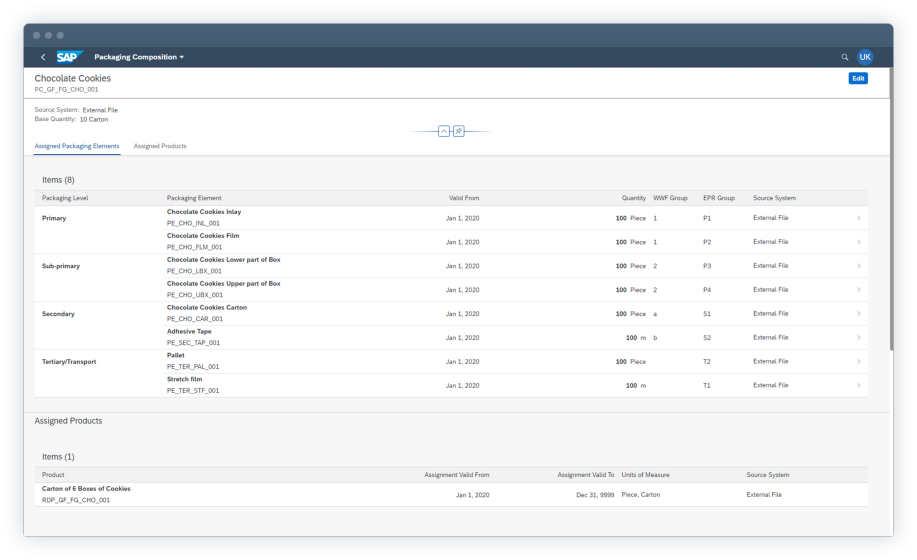 |

