Chose Altium Develop
The PDM system in solid works is generally superior to Altium 365. I often find the project version in lacking in comparison.

| Product | Rating | Most Used By | Product Summary | Starting Price |
|---|---|---|---|---|
 Altium Develop | N/A | Altium Develop is a platform that unifies multidisciplinary teams across engineering, sourcing, and manufacturing to support seamless co-creation. It provides real-time visibility into designs, requirements, and supply chain data, enabling contributors to work together concurrently rather than in silos. | N/A | |
 OrCAD | N/A | OrCAD is an electrical design automation (EDA) CAD suite, now owned and supported by Cadence Design Systems. | N/A |
| Altium Develop | OrCAD | |||||||||||||||
|---|---|---|---|---|---|---|---|---|---|---|---|---|---|---|---|---|
| Editions & Modules | No answers on this topic | No answers on this topic | ||||||||||||||
| Offerings |
| |||||||||||||||
| Entry-level Setup Fee | No setup fee | No setup fee | ||||||||||||||
| Additional Details | Altium Develop is offered as an annual subscription starting at $1,990 per year, which includes one Altium Designer ECAD Design Author and a shared workspace for projects, libraries, and collaboration. The subscription provides unlimited workspace users at no additional cost, enabling broad participation in reviews, commenting, task management, BOM access, and change workflows. Teams can add up to four additional Altium Designer ECAD Design Authors for $995 per Author per year, allowing organizations to scale active design capacity while keeping contributors and collaborators included at no extra charge. | — | ||||||||||||||
| More Pricing Information | ||||||||||||||||
| Altium Develop | OrCAD | |
|---|---|---|
| Considered Both Products |  Altium Develop  Chuck Todd Electrical Engineer Chose Altium Develop There is no comparison between Altium Develop and Autodesk Fusion. Altium Develop is light years ahead of Autodesk Fusion in every aspect. There is no way I would ever go back to Autodesk Fusion after switching to Altium Develop.  Zachary Gillan Engineer Chose Altium Develop PADS feels like Solidworks - the legacy system that works well but hasn't moved forward with everything else. Altium Develop feels like OnShape - another large provider but much effort spent on modernization and upkeep of the technology. |  OrCAD No answer on this topic |
| Altium Develop | OrCAD | |
|---|---|---|
| Small Businesses |  SOLIDWORKS Score 8.7 out of 10 | SOLIDWORKS Score 8.7 out of 10 |
| Medium-sized Companies | SOLIDWORKS Score 8.7 out of 10 | SOLIDWORKS Score 8.7 out of 10 |
| Enterprises |  Autodesk Fusion Score 7.8 out of 10 | Autodesk Fusion Score 7.8 out of 10 |
| All Alternatives | View all alternatives | View all alternatives |
| Altium Develop | OrCAD | |
|---|---|---|
| Likelihood to Recommend | 9.1 (0 ratings) | - (0 ratings) |
| Likelihood to Renew | 7.0 (0 ratings) | - (0 ratings) |
| Usability | 8.2 (0 ratings) | - (0 ratings) |
| Availability | 6.4 (0 ratings) | - (0 ratings) |
| Performance | 7.3 (0 ratings) | - (0 ratings) |
| Support Rating | 4.6 (0 ratings) | - (0 ratings) |
| Online Training | 9.1 (0 ratings) | - (0 ratings) |
| Implementation Rating | 7.1 (0 ratings) | - (0 ratings) |
| Product Scalability | 2.7 (0 ratings) | - (0 ratings) |
| Altium Develop | OrCAD | |
|---|---|---|
| Likelihood to Recommend |
| No answers on this topic |
| Pros |
| No answers on this topic |
| Cons |
| No answers on this topic |
| Likelihood to Renew |
 Jose Perri Director of Engineering and Product Development | No answers on this topic |
| Usability |
| No answers on this topic |
| Reliability and Availability |
| No answers on this topic |
| Support Rating |
 Hugo Macias Professor | No answers on this topic |
| Online Training |
Hugo Macias Professor | No answers on this topic |
| Implementation Rating |
| No answers on this topic |
| Alternatives Considered |
| No answers on this topic |
| Scalability |
| No answers on this topic |
| Return on Investment |
| No answers on this topic |
| ScreenShots | Altium Develop Screenshots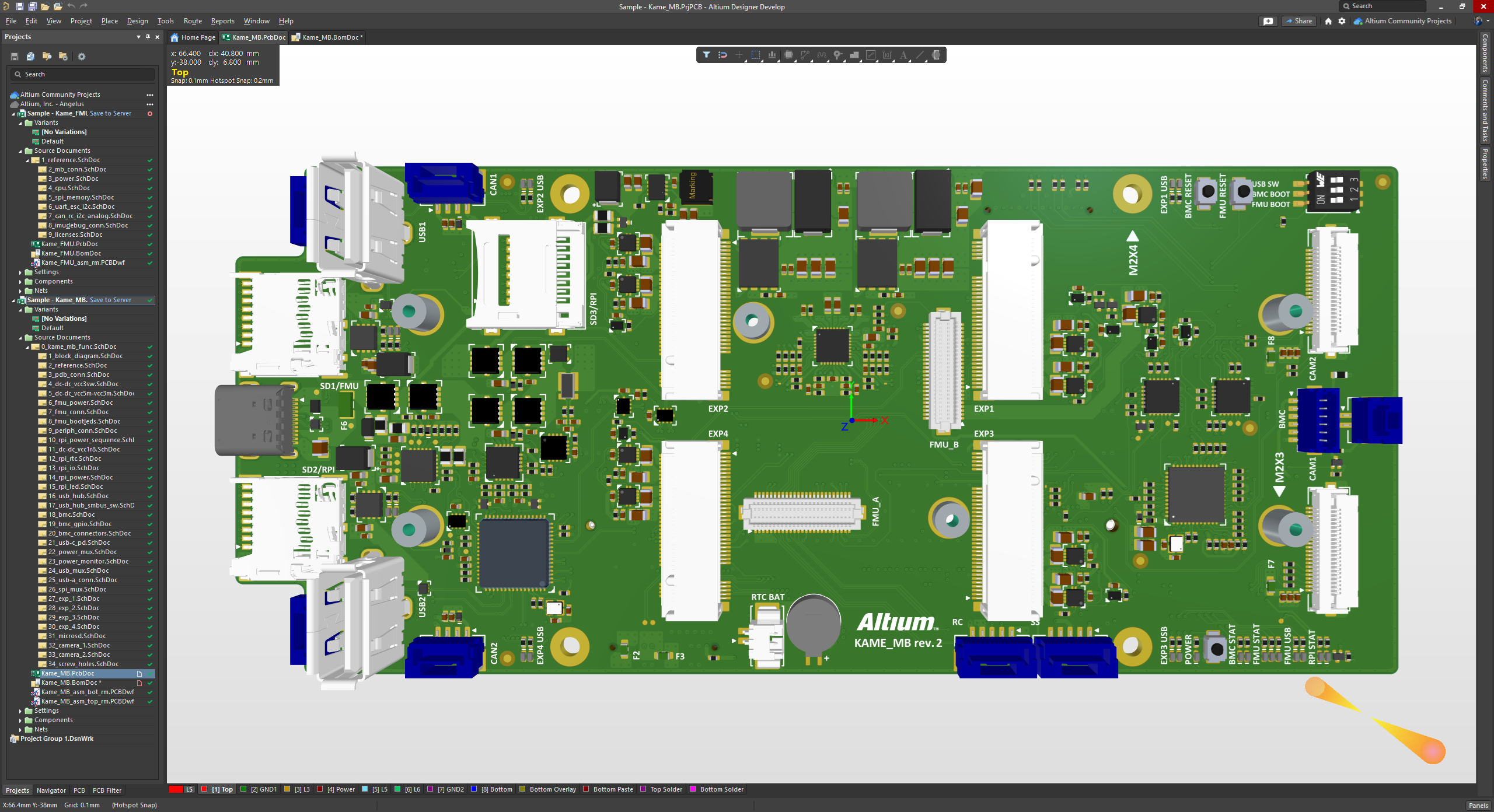 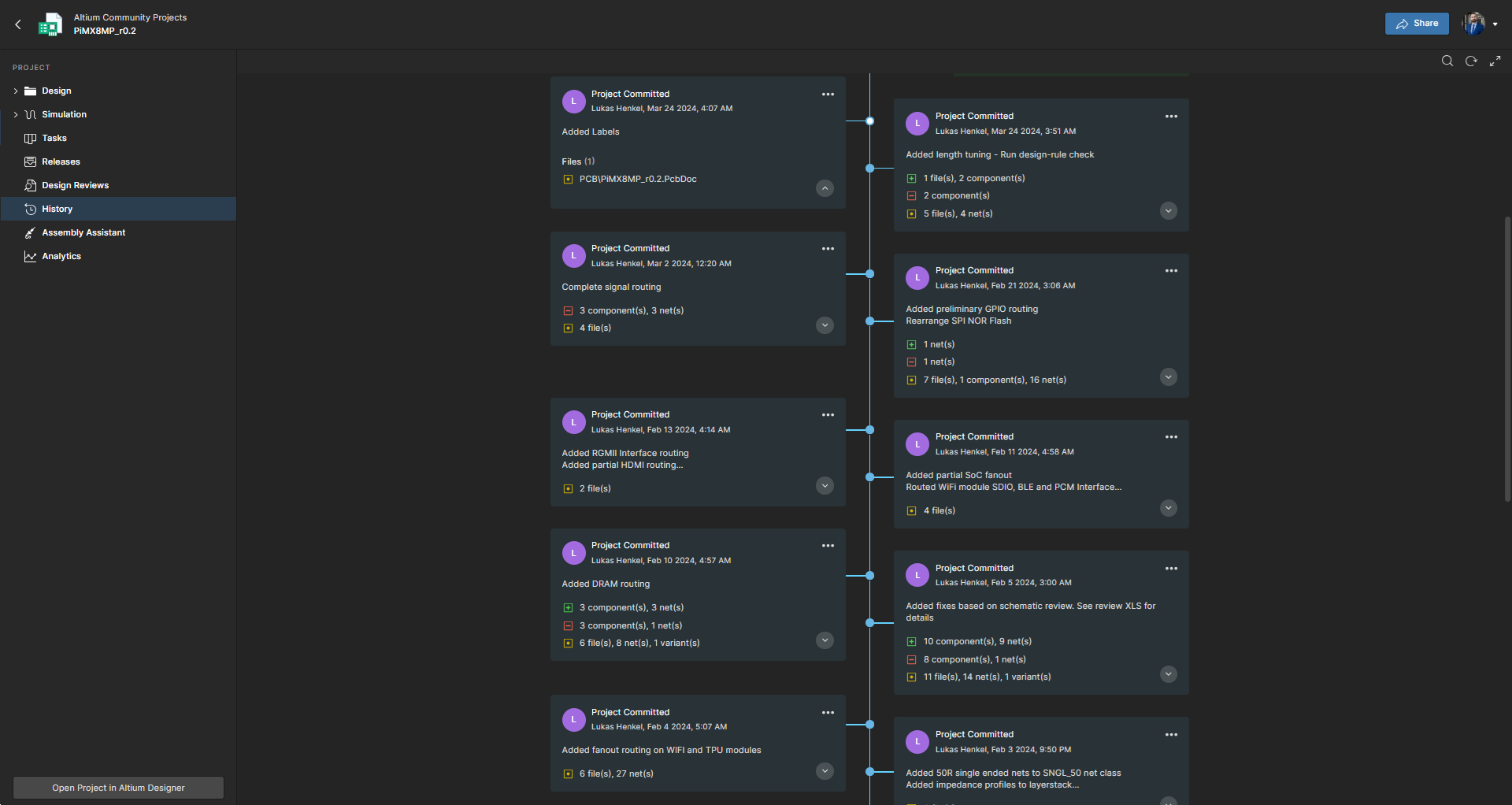 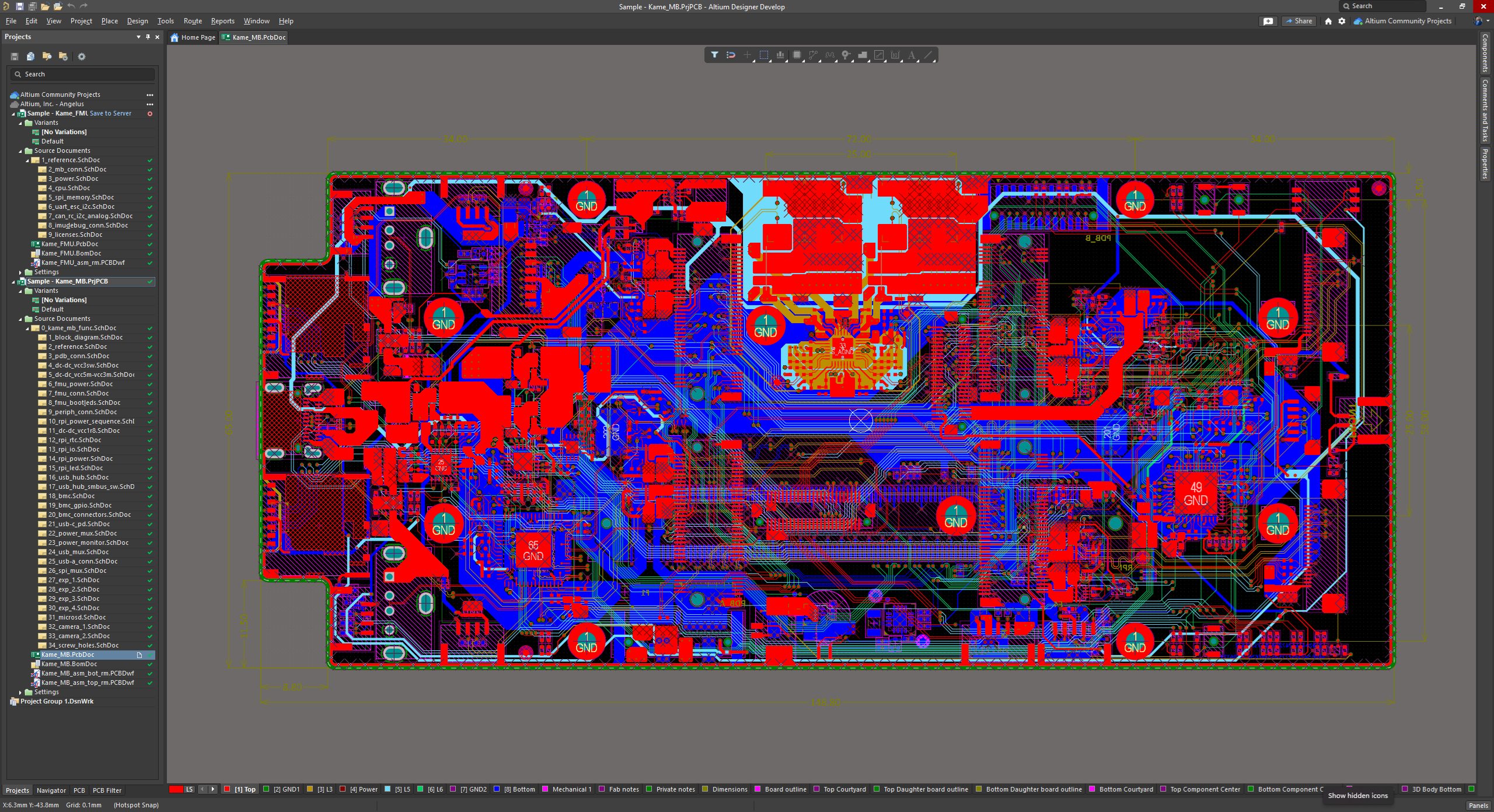  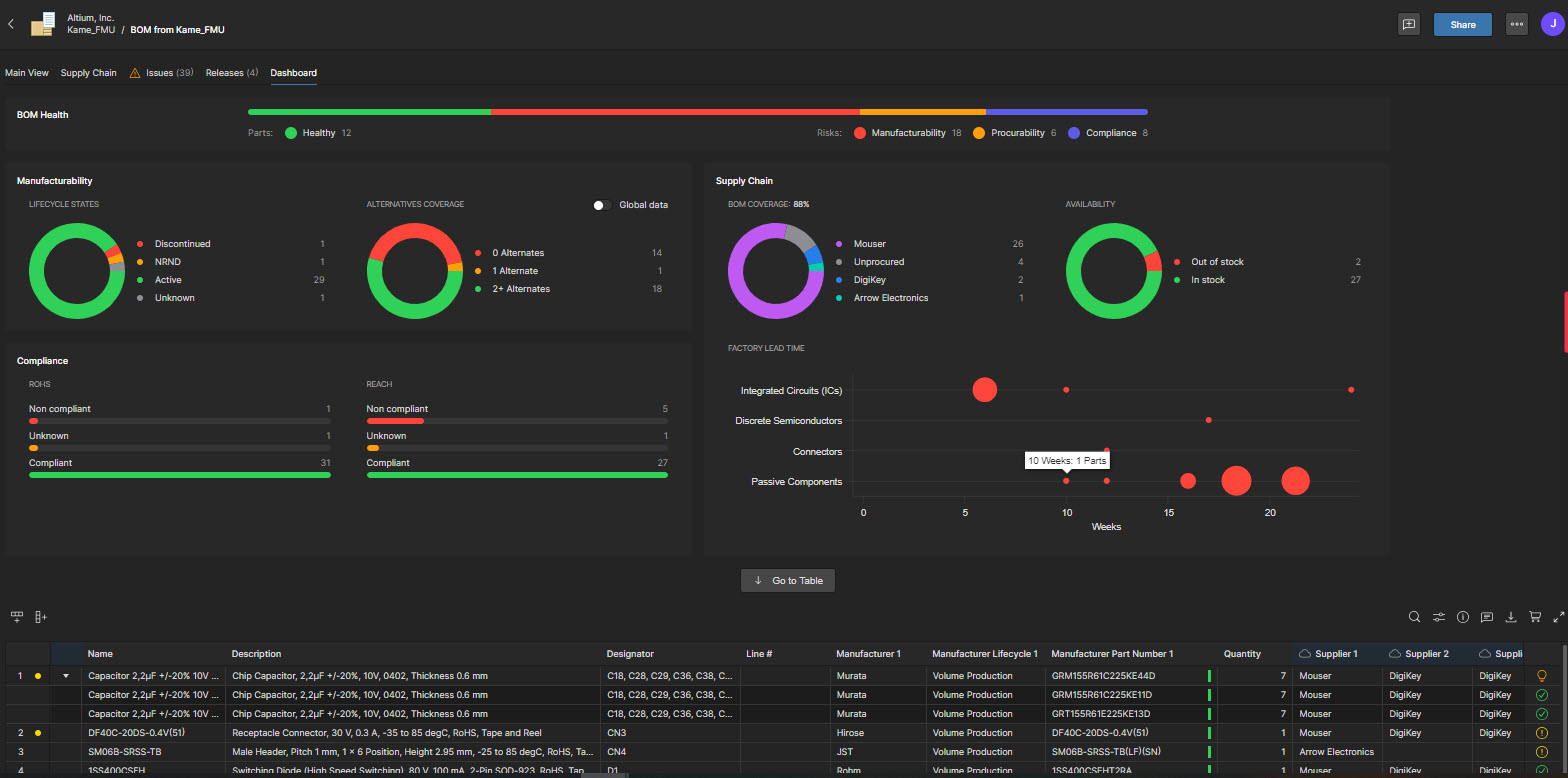 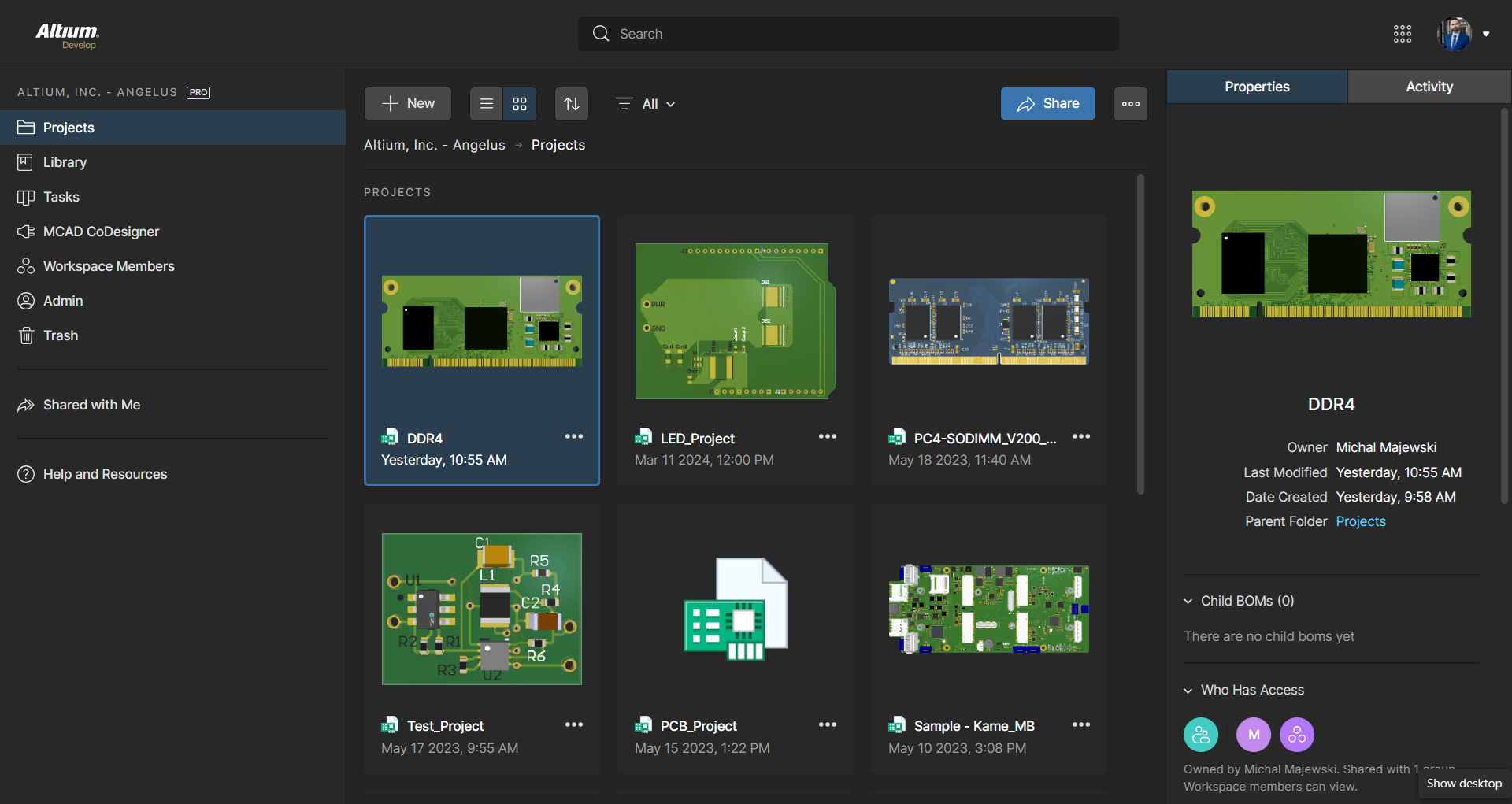 |