Chose Apache Hive
Presto is slightly less reliable but much faster for interactive querying. These tools would not be replacements for each other, but rather complements.

| Product | Rating | Most Used By | Product Summary | Starting Price |
|---|---|---|---|---|
 Apache Hive | N/A | Apache Hive is database/data warehouse software that supports data querying and analysis of large datasets stored in the Hadoop distributed file system (HDFS) and other compatible systems, and is distributed under an open source license. | N/A | |
 Posit | N/A | Posit, formerly RStudio, is a modular data science platform, combining open source and commercial products. | N/A | |
 Presto | N/A | Presto is an open source SQL query engine designed to run queries on data stored in Hadoop or in traditional databases. Teradata supported development of Presto followed the acquisition of Hadapt and Revelytix. | N/A |
| Apache Hive | Posit | Presto | ||||||||||||||||||||||
|---|---|---|---|---|---|---|---|---|---|---|---|---|---|---|---|---|---|---|---|---|---|---|---|---|
| Editions & Modules | No answers on this topic | No answers on this topic | No answers on this topic | |||||||||||||||||||||
| Offerings |
| |||||||||||||||||||||||
| Entry-level Setup Fee | No setup fee | Optional | No setup fee | |||||||||||||||||||||
| Additional Details | — | — | — | |||||||||||||||||||||
| More Pricing Information | ||||||||||||||||||||||||
| Apache Hive | Posit | Presto | |
|---|---|---|---|
| Considered Multiple Products |  Apache Hive  Praveen Murugesan Engineering Manager - Ride Experience Chose Apache Hive We selected Hive because it supports SQL, schema and provides structure on top of hadoop. Having data structured has its benefits, especially if there are thousands of users processing on the same data over and over again. Pig provides the ability to process unstructured data. …  Ananth Gouri Assistant Professor Chose Apache Hive  Jordan Moore Staff Consultant Chose Apache Hive Hive was one of the first SQL on Hadoop technologies, and it comes bundled with the main Hadoop distributions of HDP and CDH. Since its release, it has gained good improvements, but selecting the right SQL on Hadoop technology requires a good understanding of the strengths and … | Posit | Presto Praveen Murugesan Engineering Manager - Ride Experience Chose Presto I think Presto is one of the best solutions out there today at the cutting edge for interactive query analysis. One of the challenges is presto is a niche tool for the interactive query use case and doesn't have the knobs and whistles as much as Spark. In the foreseeable future … |
| Apache Hive | Posit | Presto | |||||||||||||||
|---|---|---|---|---|---|---|---|---|---|---|---|---|---|---|---|---|---|
| Platform Connectivity |
| ||||||||||||||||
| Data Exploration |
| ||||||||||||||||
| Data Preparation |
| ||||||||||||||||
| Platform Data Modeling |
| ||||||||||||||||
| Model Deployment |
|
| Apache Hive | Posit | Presto | |
|---|---|---|---|
| Small Businesses |  Google BigQuery Score 8.8 out of 10 |  Jupyter Notebook Score 8.5 out of 10 |  InterSystems IRIS Score 8.0 out of 10 |
| Medium-sized Companies |  Cloudera Enterprise Data Hub Score 9.0 out of 10 |  Mathematica Score 7.0 out of 10 | InterSystems IRIS Score 8.0 out of 10 |
| Enterprises |  Oracle Exadata Score 9.8 out of 10 |  Dataiku Score 8.5 out of 10 |  SAP IQ Score 10.0 out of 10 |
| All Alternatives | View all alternatives | View all alternatives | View all alternatives |
| Apache Hive | Posit | Presto | |
|---|---|---|---|
| Likelihood to Recommend | 8.0 (35 ratings) | 10.0 (123 ratings) | 7.8 (2 ratings) |
| Likelihood to Renew | 10.0 (1 ratings) | 9.7 (17 ratings) | - (0 ratings) |
| Usability | 8.5 (7 ratings) | 8.0 (4 ratings) | - (0 ratings) |
| Availability | - (0 ratings) | 9.4 (3 ratings) | - (0 ratings) |
| Support Rating | 7.0 (6 ratings) | 8.9 (9 ratings) | - (0 ratings) |
| Implementation Rating | - (0 ratings) | 9.3 (4 ratings) | - (0 ratings) |
| Configurability | - (0 ratings) | 10.0 (1 ratings) | - (0 ratings) |
| Product Scalability | - (0 ratings) | 8.2 (3 ratings) | - (0 ratings) |
| Apache Hive | Posit | Presto | |
|---|---|---|---|
| Likelihood to Recommend | Apache
 Camilo Palacios Administrador informático. | Posit (formerly RStudio)
| Open Source Praveen Murugesan Engineering Manager - Ride Experience |
| Pros | Apache
| Posit (formerly RStudio)
 Chris Beeley Senior Analyst | Open Source
 Corinne Nacin-Martinez Consumer Sales & Sevice Manager |
| Cons | Apache
| Posit (formerly RStudio)
 B. Mark Ewing Digital Corporate Technology Manager – R&D | Open Source
Praveen Murugesan Engineering Manager - Ride Experience |
| Likelihood to Renew | Apache
 Yinghua Hu Senior Data Scientist | Posit (formerly RStudio)
| Open Source No answers on this topic |
| Usability | Apache
| Posit (formerly RStudio)
| Open Source No answers on this topic |
| Reliability and Availability | Apache No answers on this topic | Posit (formerly RStudio)
 Kenton Woods Graduate Research Assistant | Open Source No answers on this topic |
| Support Rating | Apache
Ananth Gouri Assistant Professor | Posit (formerly RStudio)
 Xiaotong Song Business Analyst | Open Source No answers on this topic |
| Implementation Rating | Apache No answers on this topic | Posit (formerly RStudio)
| Open Source No answers on this topic |
| Alternatives Considered | Apache
 Manjeet Singh Senior Manager - Engineering | Posit (formerly RStudio)
| Open Source
Corinne Nacin-Martinez Consumer Sales & Sevice Manager |
| Scalability | Apache No answers on this topic | Posit (formerly RStudio)
Chris Beeley Senior Analyst | Open Source No answers on this topic |
| Return on Investment | Apache
| Posit (formerly RStudio)
 Flavio Leccese Group Data Scientist | Open Source
Praveen Murugesan Engineering Manager - Ride Experience |
| ScreenShots | Posit Screenshots  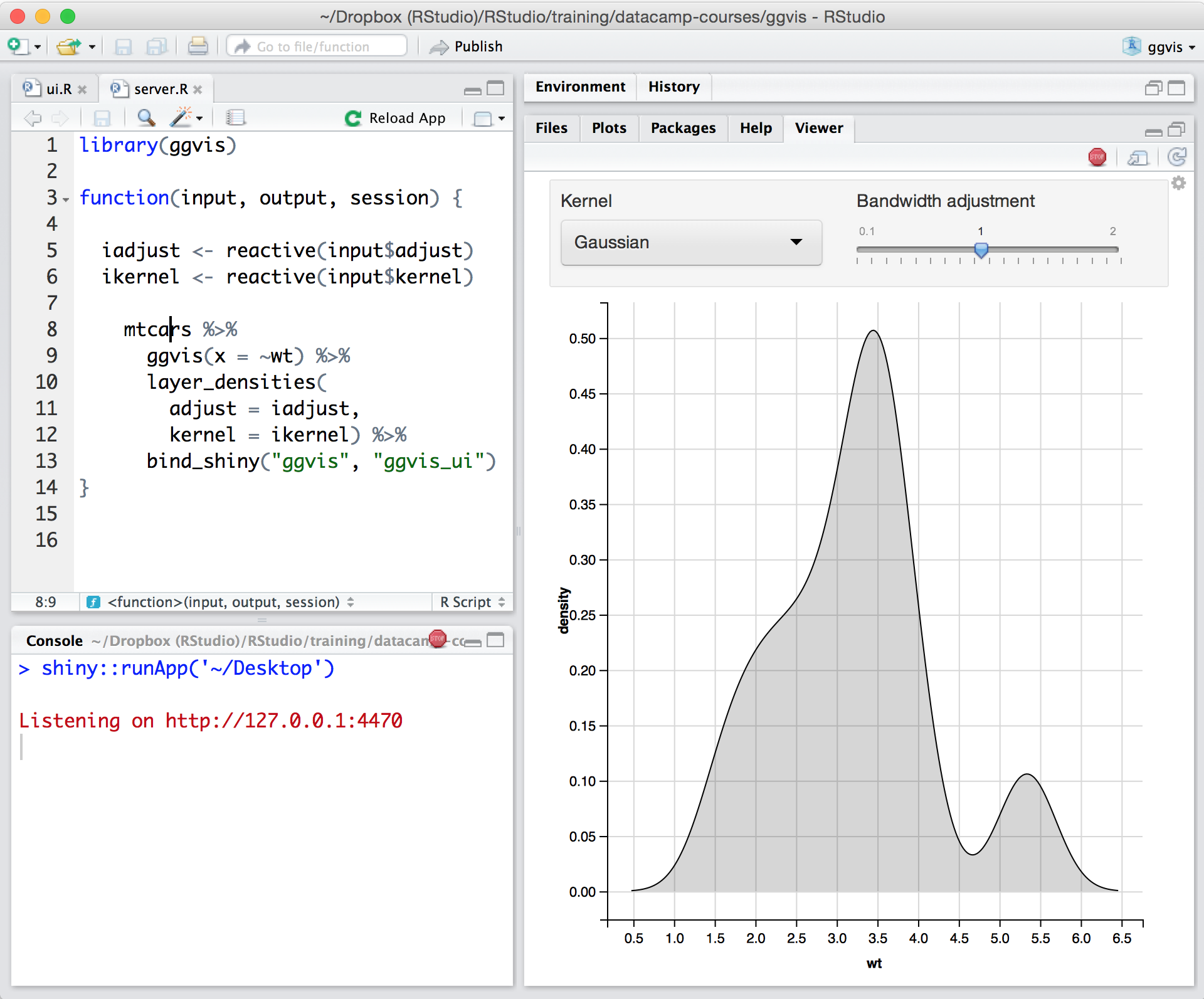    |