AWS Secrets Manager enables users to rotate, manage, and retrieve secrets throughout their lifecycle, making it easier to maintain a secure environment that meets security and compliance needs. With Secrets Manager, administrators pay based on the number of secrets stored and API calls made.
$0.05
Per 10,000 API Calls
Keeper
Score8.3 out of 10
N/A
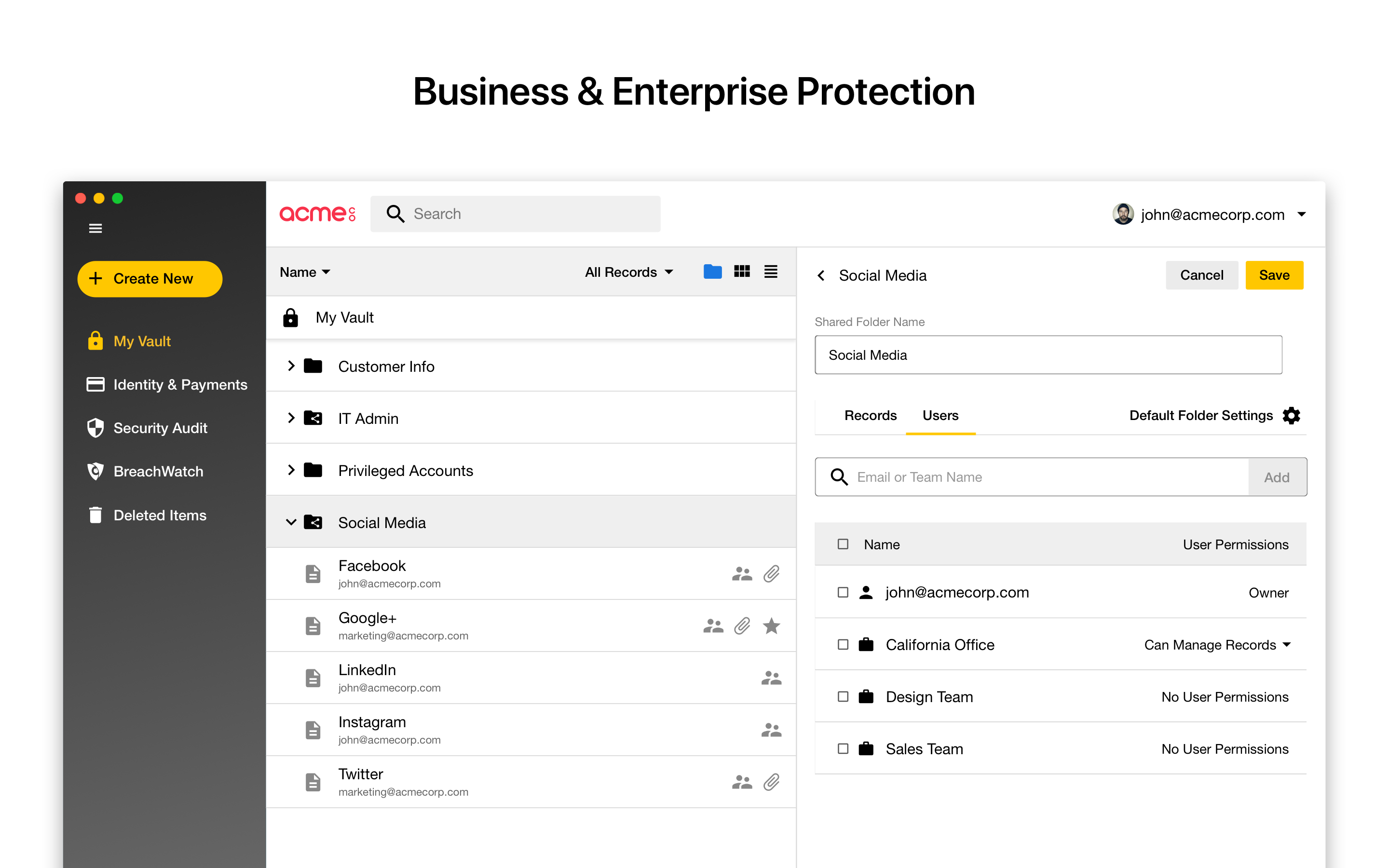
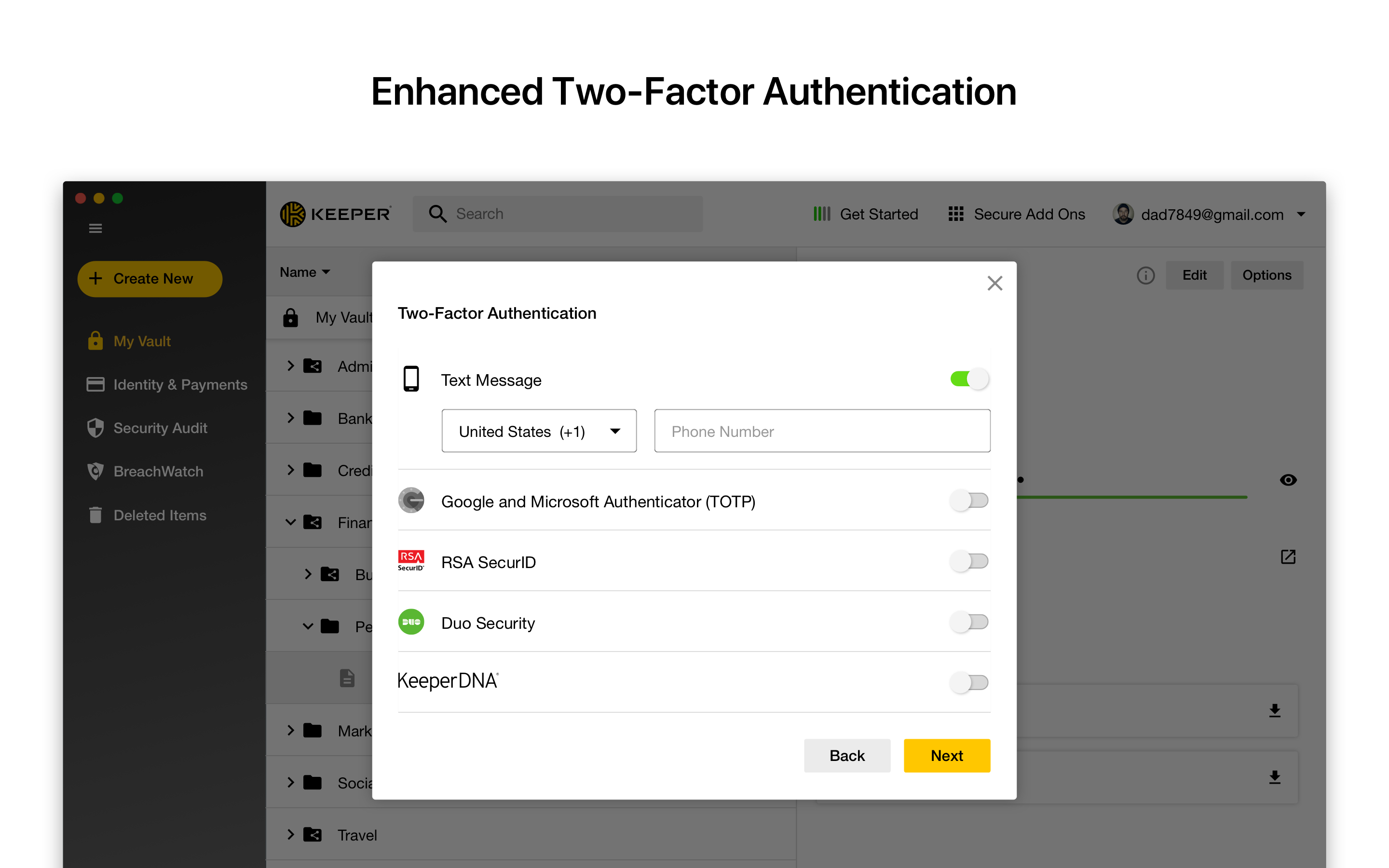
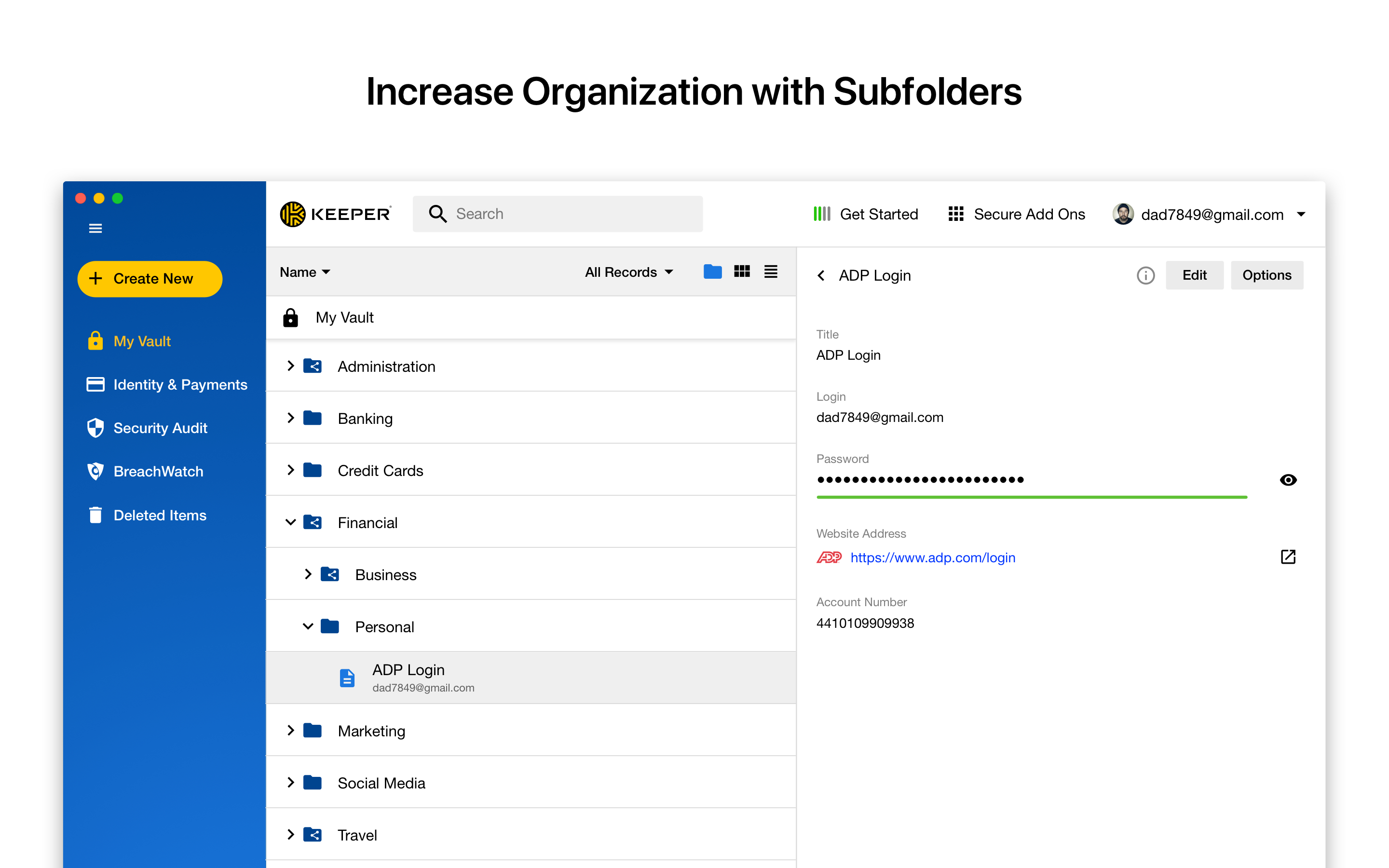
Keeper's password security and management platform boasts millions of people and thousands of businesses as users, who manage, secure and enforce strong passwords across all employee logins, applications and sites. Employees can access Keeper natively on all mobile operating systems, desktops and browsers. Keeper enables businesses to auto-generate high-strength passwords, protect sensitive files in an encrypted digital vault, securely share records with teams and integrate with SSO, LDAP and…
[AWS Secrets Manager] is really good at managing the secrets for each environment (stage, production, ...), and with a simple command, the users will get all the variables for running the project. Depending on the user role, they could just read and/or edit the variables on the Secrets Manager on AWS. This facilitates the management of the secrets.
A de minimis incentive was given to thank the reviewer for their time. The incentive was not used to bias or drive a particular response, nor was the incentive contingent on a positive endorsement. More Info
Would recommend both for organisations and personal users where passwords management is needed. Particularly in 2026 and the large emphasis of security in your day to day uses.
Having a secure management tool will assist with breaches and organisation of your credentials and confidential data that can be stored within the tenant.
A de minimis incentive was given to thank the reviewer for their time. The incentive was not used to bias or drive a particular response, nor was the incentive contingent on a positive endorsement. More Info
A de minimis incentive was given to thank the reviewer for their time. The incentive was not used to bias or drive a particular response, nor was the incentive contingent on a positive endorsement. More Info
A de minimis incentive was given to thank the reviewer for their time. The incentive was not used to bias or drive a particular response, nor was the incentive contingent on a positive endorsement. More Info
A de minimis incentive was given to thank the reviewer for their time. The incentive was not used to bias or drive a particular response, nor was the incentive contingent on a positive endorsement. More Info
A de minimis incentive was given to thank the reviewer for their time. The incentive was not used to bias or drive a particular response, nor was the incentive contingent on a positive endorsement. More Info
It's just easy to use, plain and simple. It has the complexity and user-interface that gives you confidence in its build but the ease-of-use that keep things from getting too complicated. A huge plus when you have to onboard new members of the team or summer interns when you need them to step in and make orders on your behalf.
A de minimis incentive was given to thank the reviewer for their time. The incentive was not used to bias or drive a particular response, nor was the incentive contingent on a positive endorsement. More Info
A de minimis incentive was given to thank the reviewer for their time. The incentive was not used to bias or drive a particular response, nor was the incentive contingent on a positive endorsement. More Info
I do not recall the other products I tested. I believe Keeper provided a free trial that allowed me to verify that it met my needs before I was required to purchase. I also found their support team to be responsive when I experienced some problems. The cliche, "If it ain't broke don't fix it" fits well in this case. I am able to create and use online profiles safe in the knowledge that my passwords cannot be easily hacked and my data is safe.
A de minimis incentive was given to thank the reviewer for their time. The incentive was not used to bias or drive a particular response, nor was the incentive contingent on a positive endorsement. More Info
We all know how difficult it can be in the workplace when you forget your password, or enter the wrong password, and you get blocked out. You have to go through the hassle of having it reset, which could mean sitting on hold, waiting for IT to pick up. This isn’t a problem when you have Keeper. If you forget your password once, you don’t have to take the chance of trying it 4 more times and getting locked out. Just pick up your phone, and your password is right there. It’s really just as simple as that.