
Azure AI Search vs. Dropbox Dash
Azure AI Search vs. Dropbox Dash
| Product | Rating | Most Used By | Product Summary | Starting Price |
|---|---|---|---|---|
 Azure AI Search | N/A | Azure AI Search (formerly Azure Cognitive Search) is enterprise search as a service, from Microsoft. | $0.10 Per Hour | |
 Dropbox Dash | N/A | Dropbox Dash is a Universal Search and Knowledge Management platform designed to aggregate organizational content within a single interface. The solution integrates with third-party applications to facilitate the retrieval and organization of distributed data regardless of its storage location. Universal Search Across Integrated Applications The solution retrieves documents, images, and video files from platforms including Dropbox, Notion, and Gmail. The… | N/A |
| Azure AI Search | Dropbox Dash | |||||||||||||||
|---|---|---|---|---|---|---|---|---|---|---|---|---|---|---|---|---|
| Editions & Modules |
| No answers on this topic | ||||||||||||||
| Offerings |
| |||||||||||||||
| Entry-level Setup Fee | No setup fee | No setup fee | ||||||||||||||
| Additional Details | — | — | ||||||||||||||
| More Pricing Information | ||||||||||||||||
| Azure AI Search | Dropbox Dash |
|---|
| Azure AI Search | Dropbox Dash | |
|---|---|---|
| Small Businesses |  Yext Score 7.2 out of 10 | Yext Score 7.2 out of 10 |
| Medium-sized Companies | Yext Score 7.2 out of 10 | Yext Score 7.2 out of 10 |
| Enterprises |  Guru Score 8.9 out of 10 | Yext Score 7.2 out of 10 |
| All Alternatives | View all alternatives | View all alternatives |
| Azure AI Search | Dropbox Dash | |
|---|---|---|
| Likelihood to Recommend | 9.3 (6 ratings) | 8.0 (2 ratings) |
| Usability | 9.3 (3 ratings) | 8.5 (2 ratings) |
| Azure AI Search | Dropbox Dash | |
|---|---|---|
| Likelihood to Recommend |  Microsoft
 Parth Purani Lead Cloud Engineer | Dropbox
|
| Pros | Microsoft
 Blake Baron Ecommerce & Consumer Products Manager | Dropbox
 Joe Brand Senior Generosity Strategist |
| Cons | Microsoft
 Erik Ralston Chief Architect | Dropbox
|
| Usability | Microsoft
| Dropbox
Joe Brand Senior Generosity Strategist |
| Alternatives Considered | Microsoft
| Dropbox
|
| Return on Investment | Microsoft
Parth Purani Lead Cloud Engineer | Dropbox
Joe Brand Senior Generosity Strategist |
| ScreenShots | Dropbox Dash Screenshots 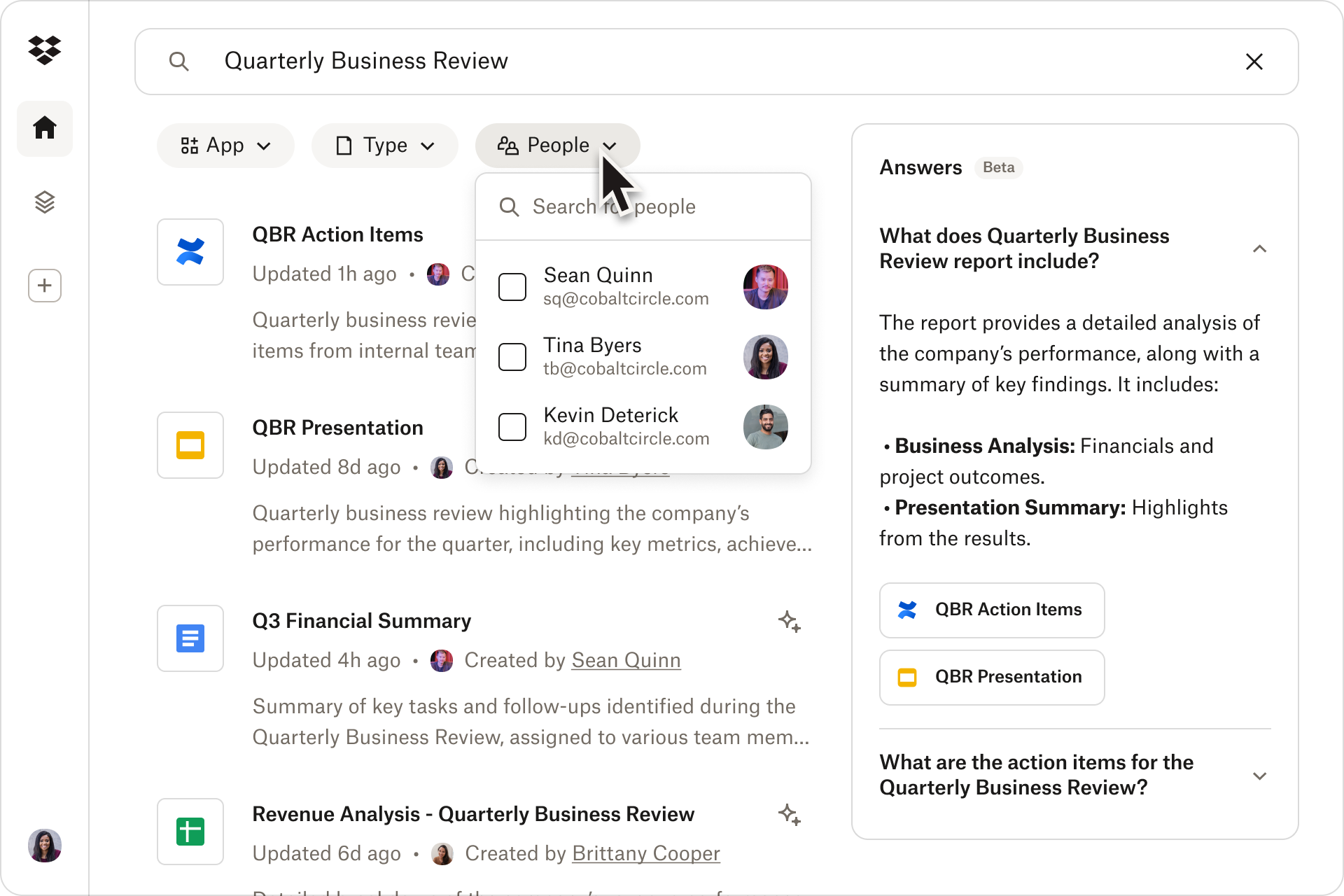 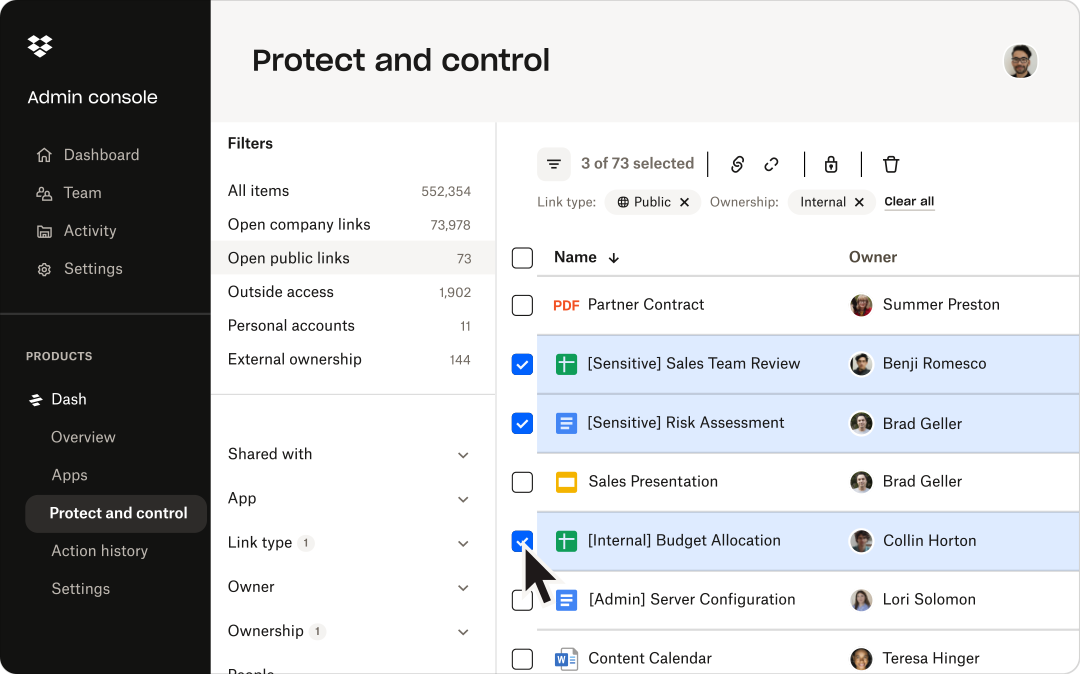 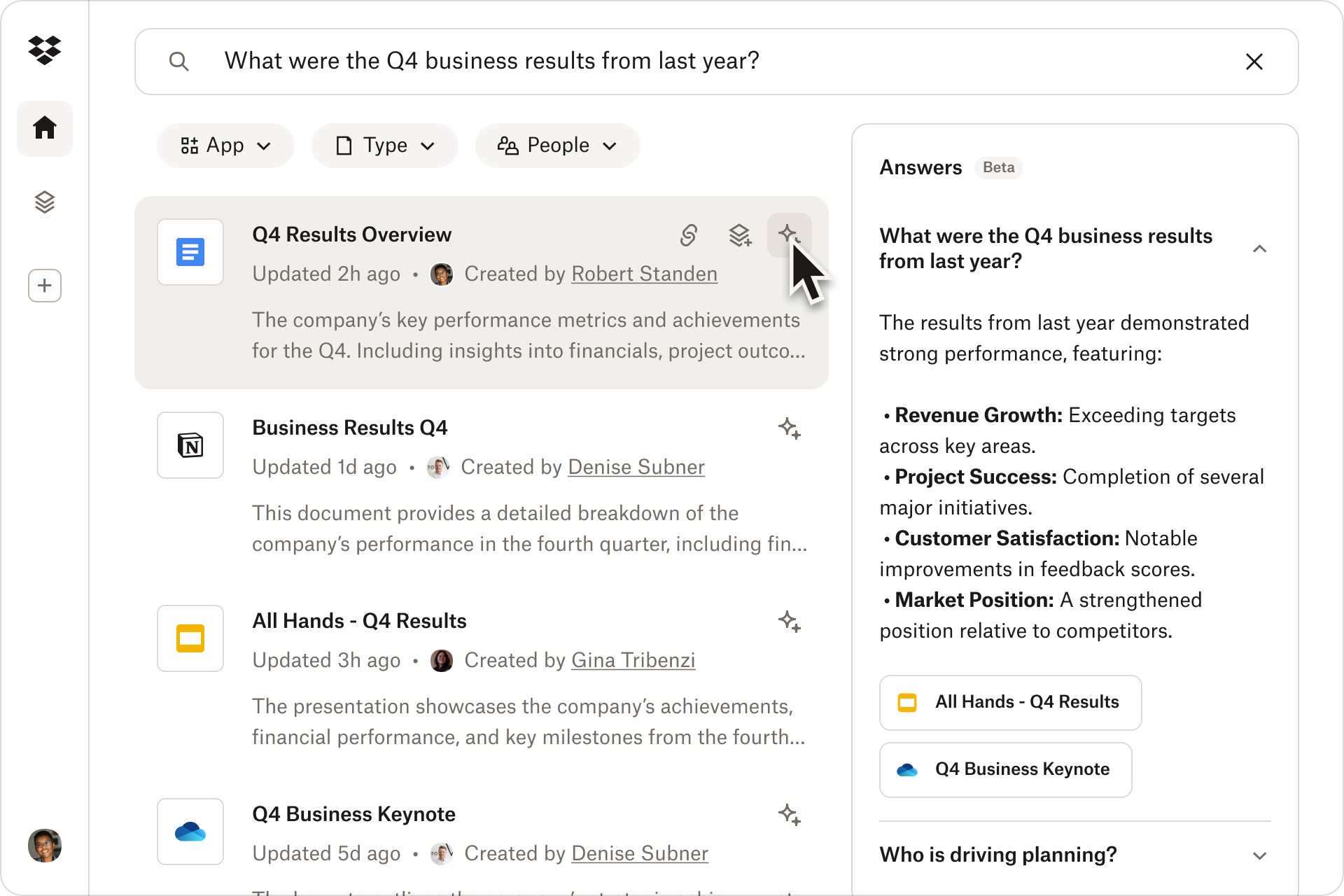 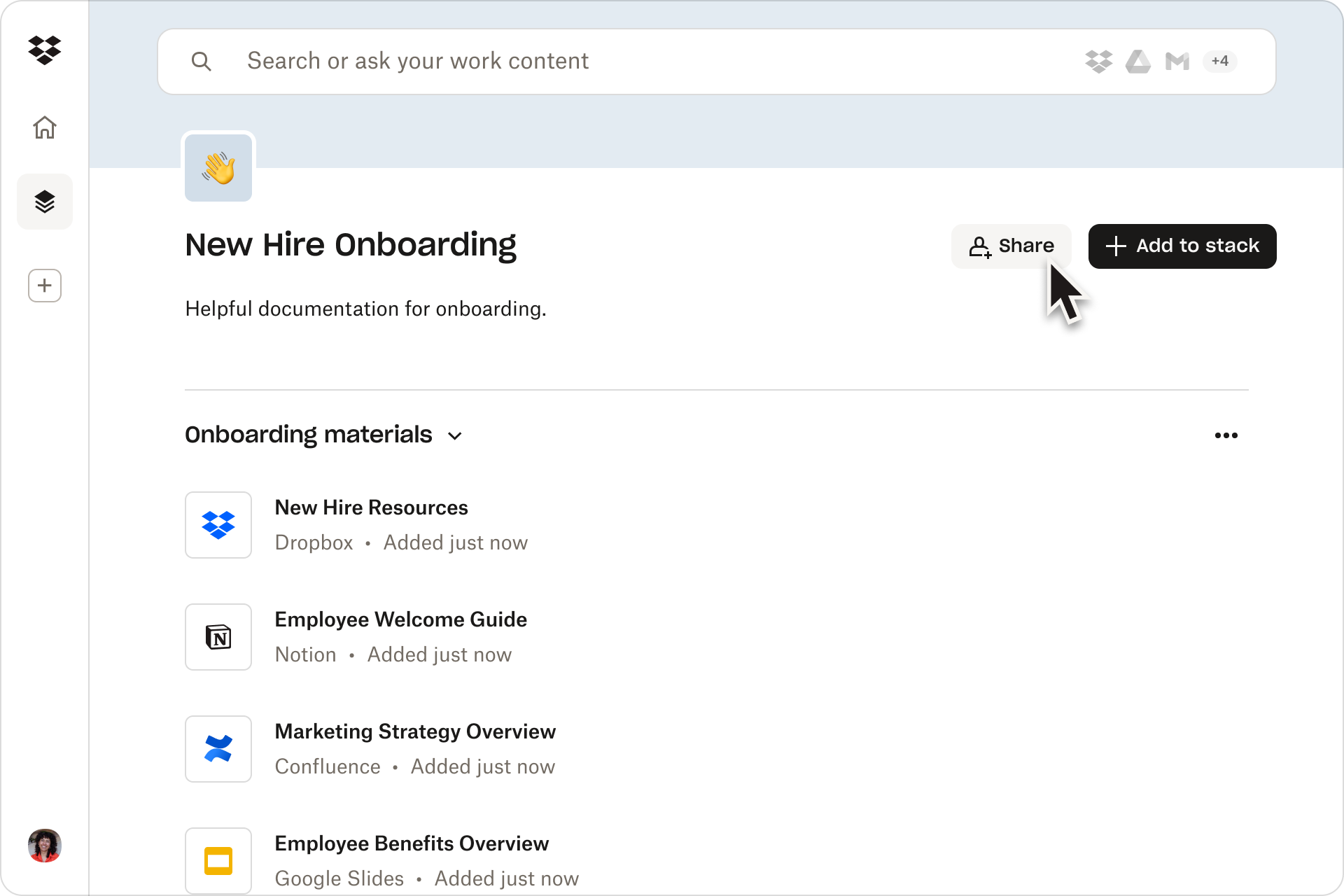 |