
CheckPoint vs. Microsoft Defender for Endpoint
| Product | Rating | Most Used By | Product Summary | Starting Price |
|---|---|---|---|---|
 CheckPoint | Score8.5 out of 10 | N/A | CheckPoint is a digital access management and engagement system for venues. It automates and digitizes the registration, ticketing, and check-in process while enabling venues, vendors, and exhibitors to engage with guests directly to their phone's lock screen. CheckPoint is an event management tool for events, conferences, festivals, clubs, and more. The venue management solution boasts users among both the Oscars and Nasdaq. | N/A |
 Microsoft Defender for Endpoint | Score8.8 out of 10 | N/A | Microsoft Defender for Endpoint (formerly Microsoft Defender ATP) is a holistic, cloud delivered endpoint security solution that includes risk-based vulnerability management and assessment, attack surface reduction, behavioral based and cloud-powered next generation protection, endpoint detection and response (EDR), automatic investigation and remediation, managed hunting services, rich APIs, and unified security management. | $2.50 per user/per month |
| CheckPoint | Microsoft Defender for Endpoint | |||||||||||||||
|---|---|---|---|---|---|---|---|---|---|---|---|---|---|---|---|---|
| Editions & Modules | No answers on this topic |
| ||||||||||||||
| Offerings |
| |||||||||||||||
| Entry-level Setup Fee | Required | No setup fee | ||||||||||||||
| Additional Details | — | — | ||||||||||||||
| More Pricing Information | ||||||||||||||||
| CheckPoint | Microsoft Defender for Endpoint | |
|---|---|---|
| Considered Both Products | No answer on this topic | No answer on this topic |
| Key User Insights | ||
| Would buy again | ||
No answers on this topic | 96% Would buy again 157 Answers | |
| Delivers good value for the price | ||
No answers on this topic | 99% Delivers good value for the price 146 Answers | |
| Happy with the feature set | ||
No answers on this topic | 95% Happy with the feature set 155 Answers | |
| Lived up to sales and marketing promises | ||
No answers on this topic | 97% Lived up to sales and marketing promises 130 Answers | |
| Implementation went as expected | ||
No answers on this topic | 95% Implementation went as expected 140 Answers | |
| CheckPoint | Microsoft Defender for Endpoint | |||||||||||||||||||||||||
|---|---|---|---|---|---|---|---|---|---|---|---|---|---|---|---|---|---|---|---|---|---|---|---|---|---|---|
| Endpoint Security |
| |||||||||||||||||||||||||
| CheckPoint | Microsoft Defender for Endpoint | |
|---|---|---|
| Small Businesses |  SignUpGenius Score7 out of 10 |  SentinelOne Singularity Score9 out of 10 |
| Medium-sized Companies | No answers on this topic |  BlackBerry Protect (CylancePROTECT) Score9.1 out of 10 |
| Enterprises | No answers on this topic |  ESET PROTECT Score8.8 out of 10 |
| All Alternatives | View all alternatives | View all alternatives |
| CheckPoint | Microsoft Defender for Endpoint | |
|---|---|---|
| Likelihood to Recommend | 1.0 | 8.9 |
| Likelihood to Renew | 1.0 | 8.4 |
| Usability | 6.2 | 8.6 |
| Availability | - | 9.1 |
| Performance | - | 9.1 |
| Support Rating | - | 9.0 |
| Implementation Rating | - | 7.3 |
| Configurability | - | 8.2 |
| Product Scalability | - | 9.1 |
| CheckPoint | Microsoft Defender for Endpoint | |
|---|---|---|
| Likelihood to Recommend |
|
|
| Pros |
|
|
| Cons |
|
|
| Likelihood to Renew |
|
|
| Usability |
|
|
| Reliability and Availability | No answers on this topic |
|
| Performance | No answers on this topic |
|
| Support Rating | No answers on this topic |
|
| Implementation Rating | No answers on this topic |
|
| Alternatives Considered |
|
|
| Scalability | No answers on this topic |
|
| Return on Investment |
|
|
| ScreenShots | CheckPoint Screenshots    | Microsoft Defender for Endpoint Screenshots 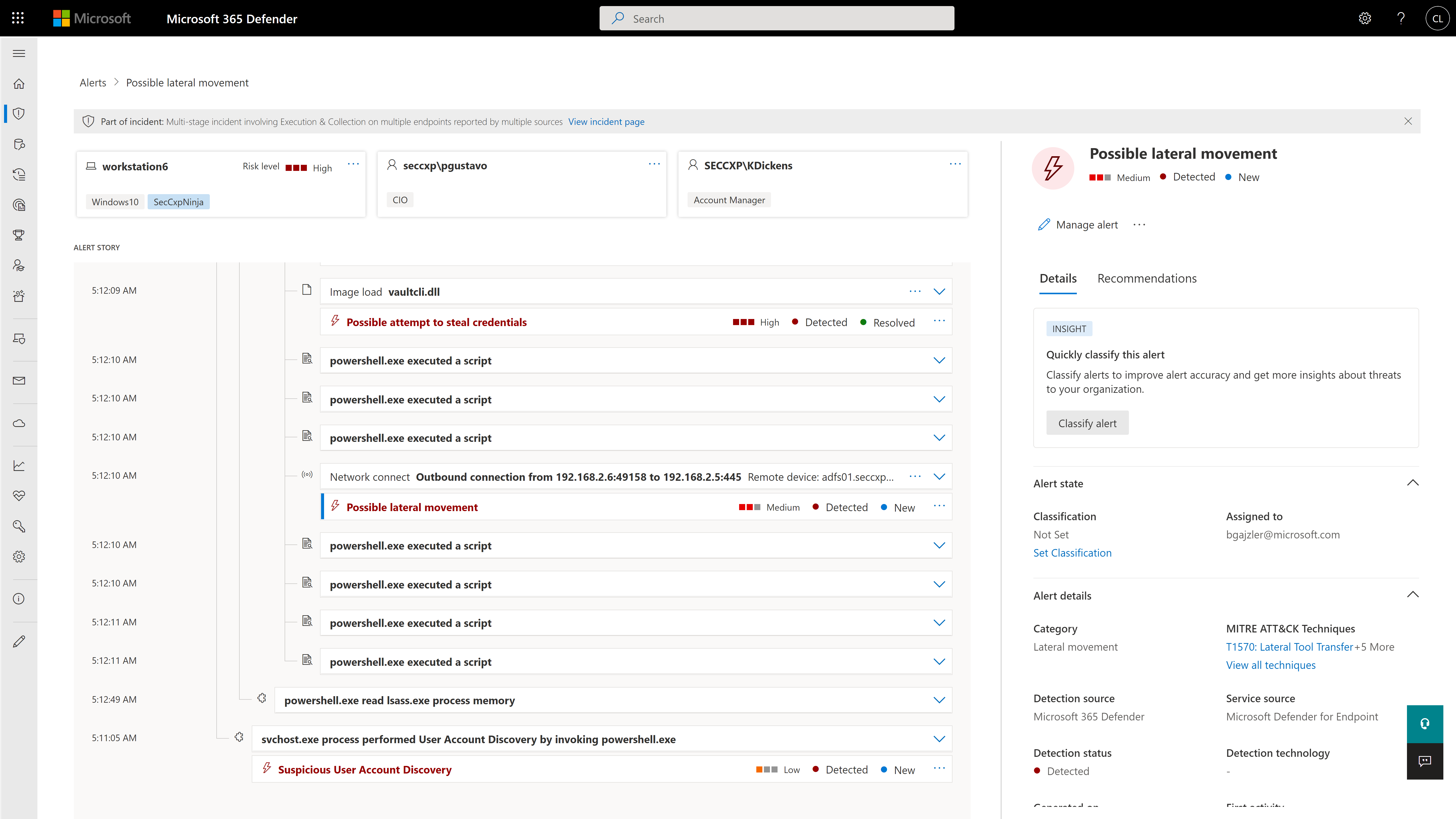  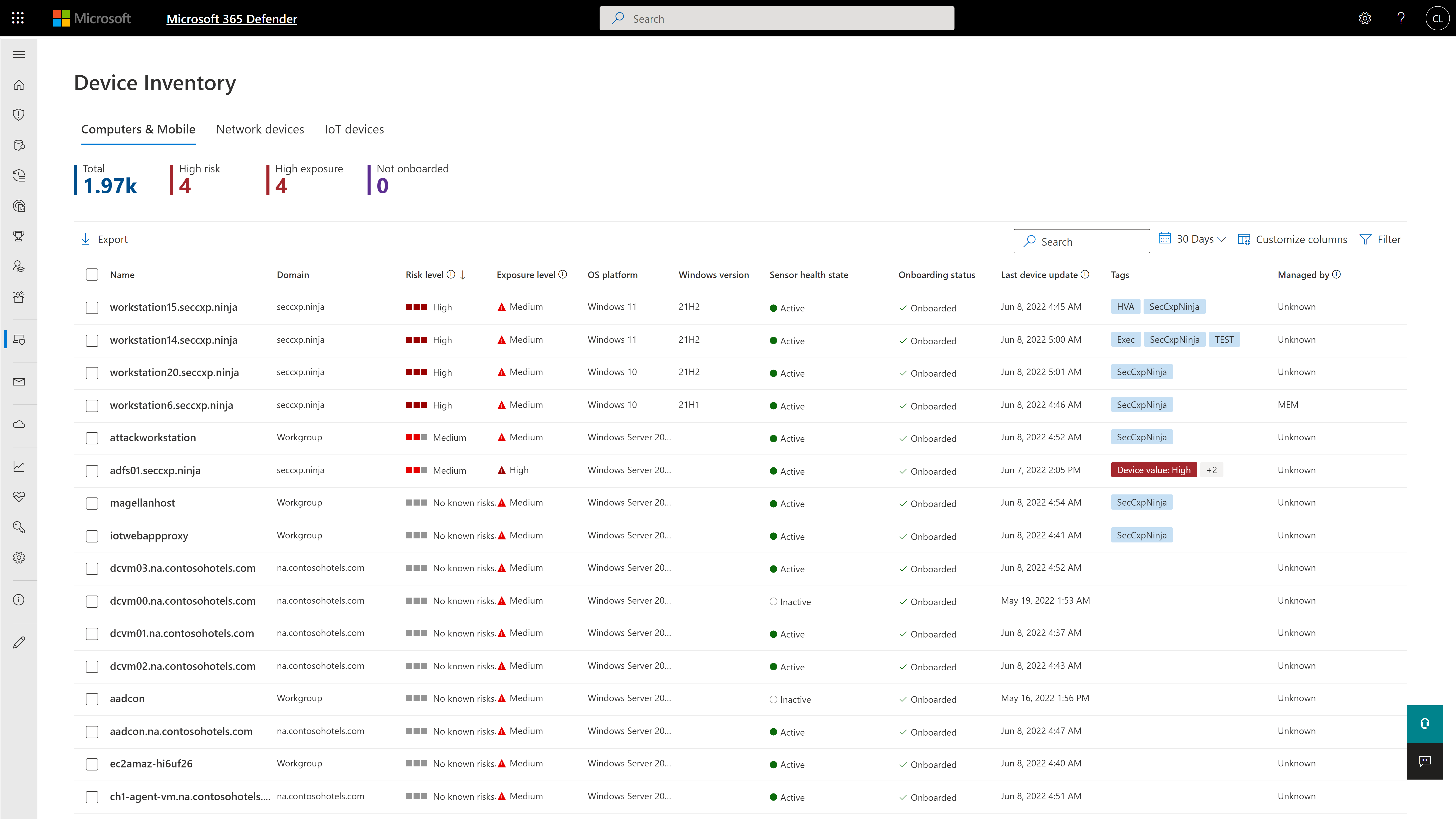  |

