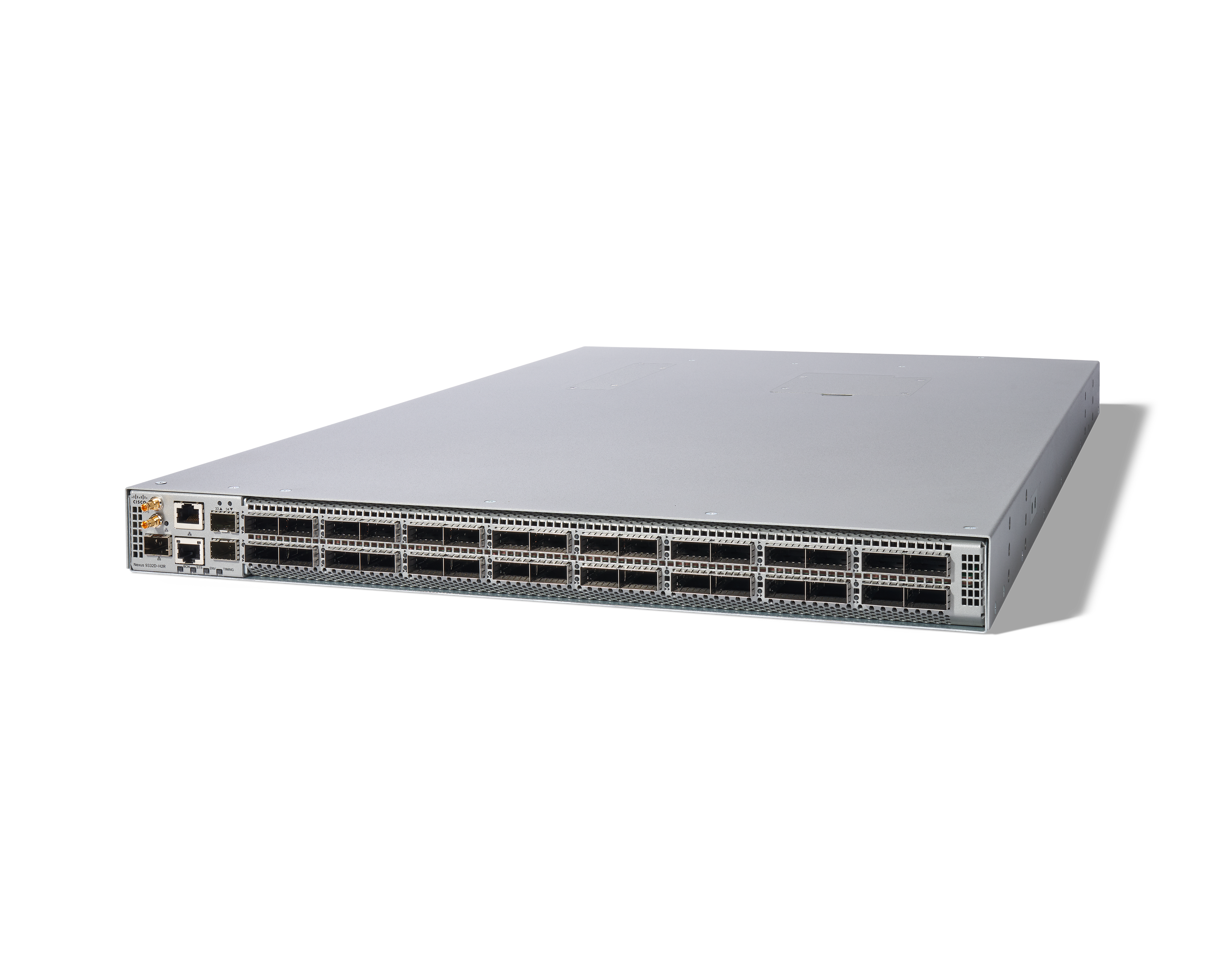
Compared to Cisco, HPE was easier to get support contracts and customer service was far more helpful. Aruba is part of HP but the Aruba line cannot stack up to the Flexfabric in a high-performance data center environment.
Datacentres whether it is for Core, Top Of Rack or SAN it's great, enables high throughput and yet at achievable costs. I especially like using it as SAN switches compared to other SAN switches as it can be simpler to manager I wouldn't use it for campus or remote sites for the cost that it comes at and the additional setup that would be required.
The switch is intuitive and very simple to configure so I would recommend it to anyone for their data center. It allows for someone who might just be a server expert and not a switching expert to have a far simpler time than would normally be expected.
It's been very comfortable to work with. So far no issues. Device is very understandable, as well as hardware is powerful enough to push a high volume of traffic over it and be comfortable that nothing goes wrong(only once the the appropriate research been validated). So far so good
Ignoring the integration piece as we haven't integrated. However performance wise we don't get issues with latency etc, it deals with what we have quite easily. However I suppose you need to ensure you get the right switch for the throughput.
We did all our prep before hand, tested in the lab, so in the night as soon as we brought down the current environment it was just a case of moving cables across and bringing up the network in stages
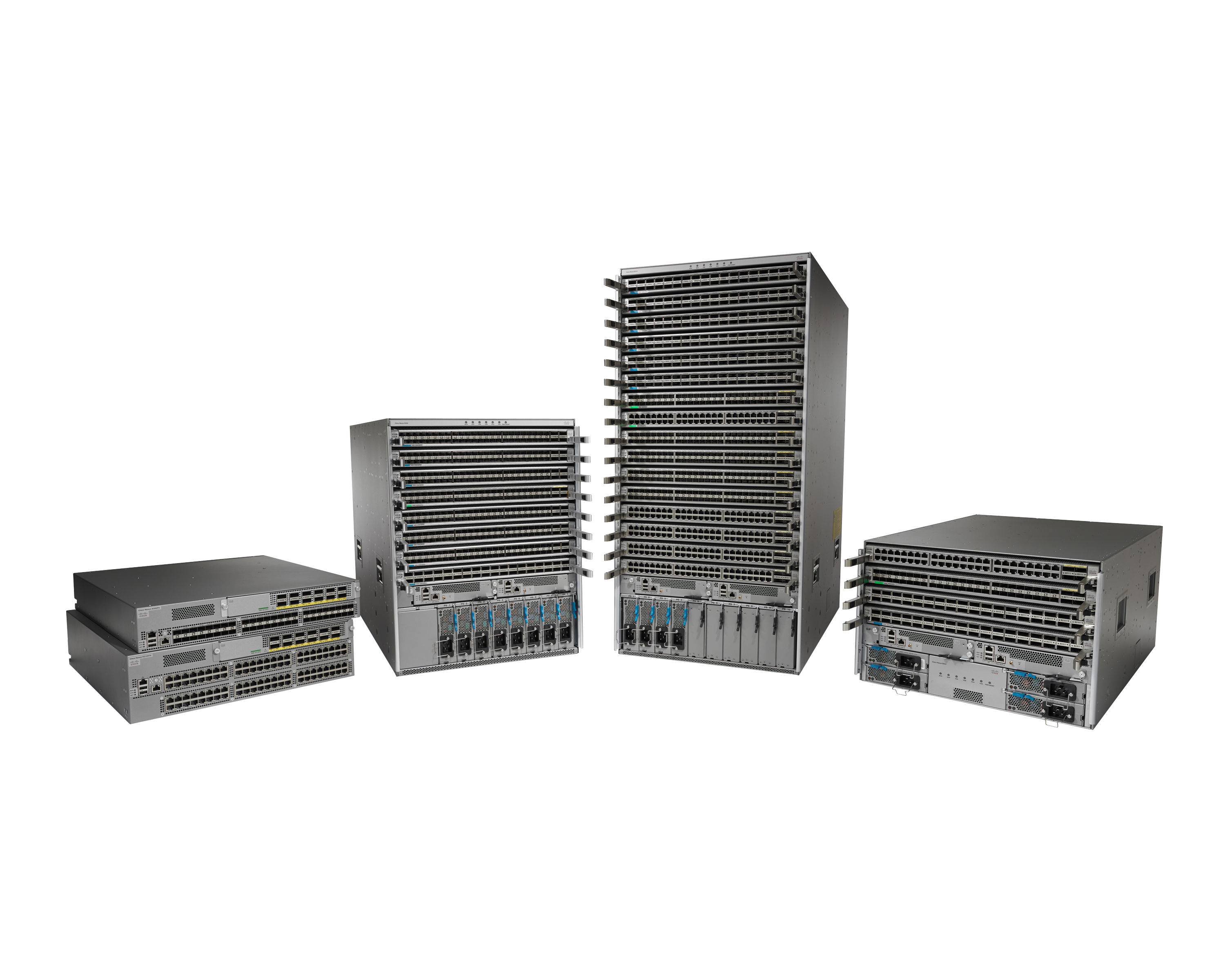
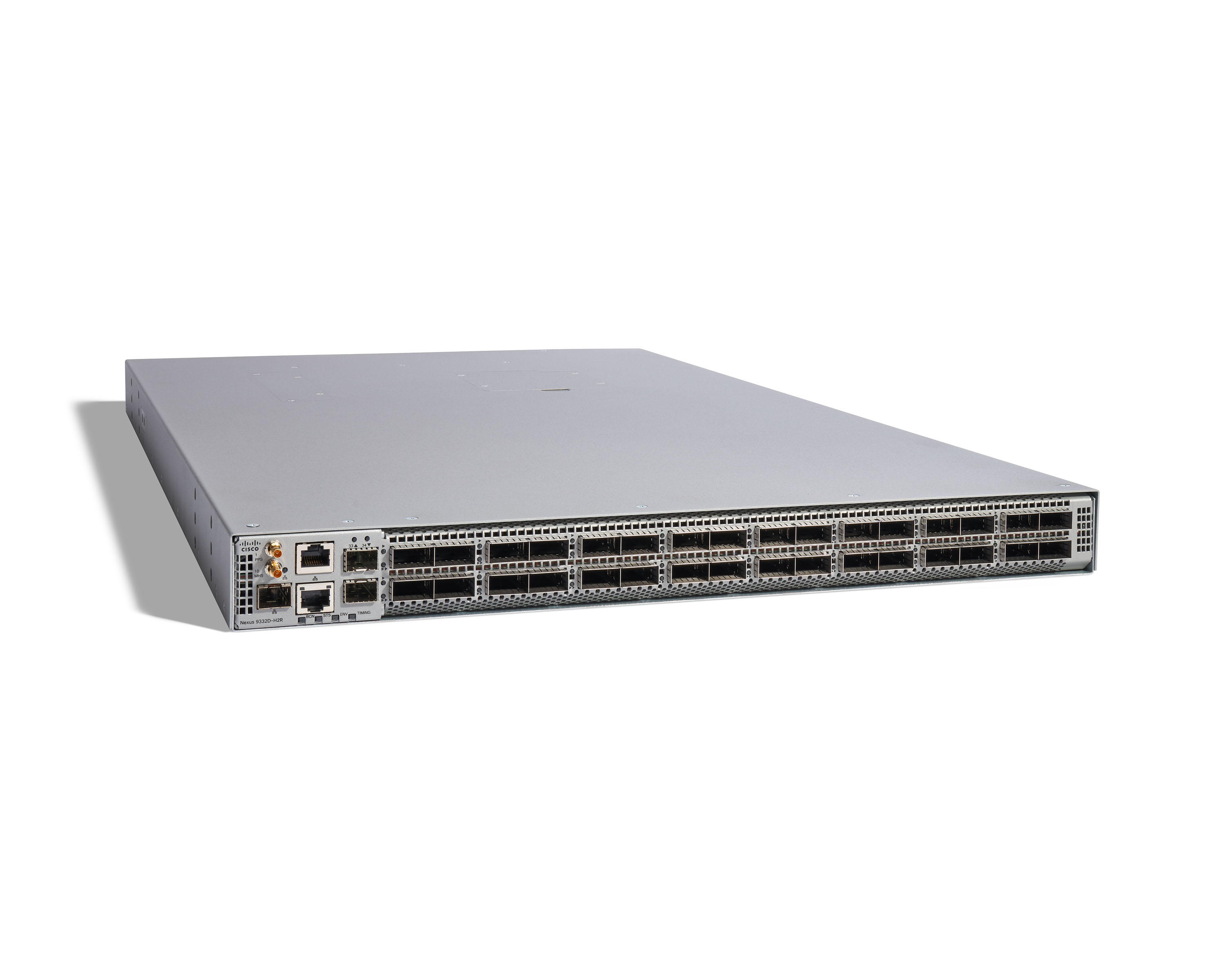
Beyond purely political considerations regarding the use of Chinese products in our company, Cisco NEXUS switches support VPC, which was not the case with our Huawei Cloud Engines, which only supported the stack. This was a real problem during updates because we had to update the entire stack at once, which paralysed an entire rack.