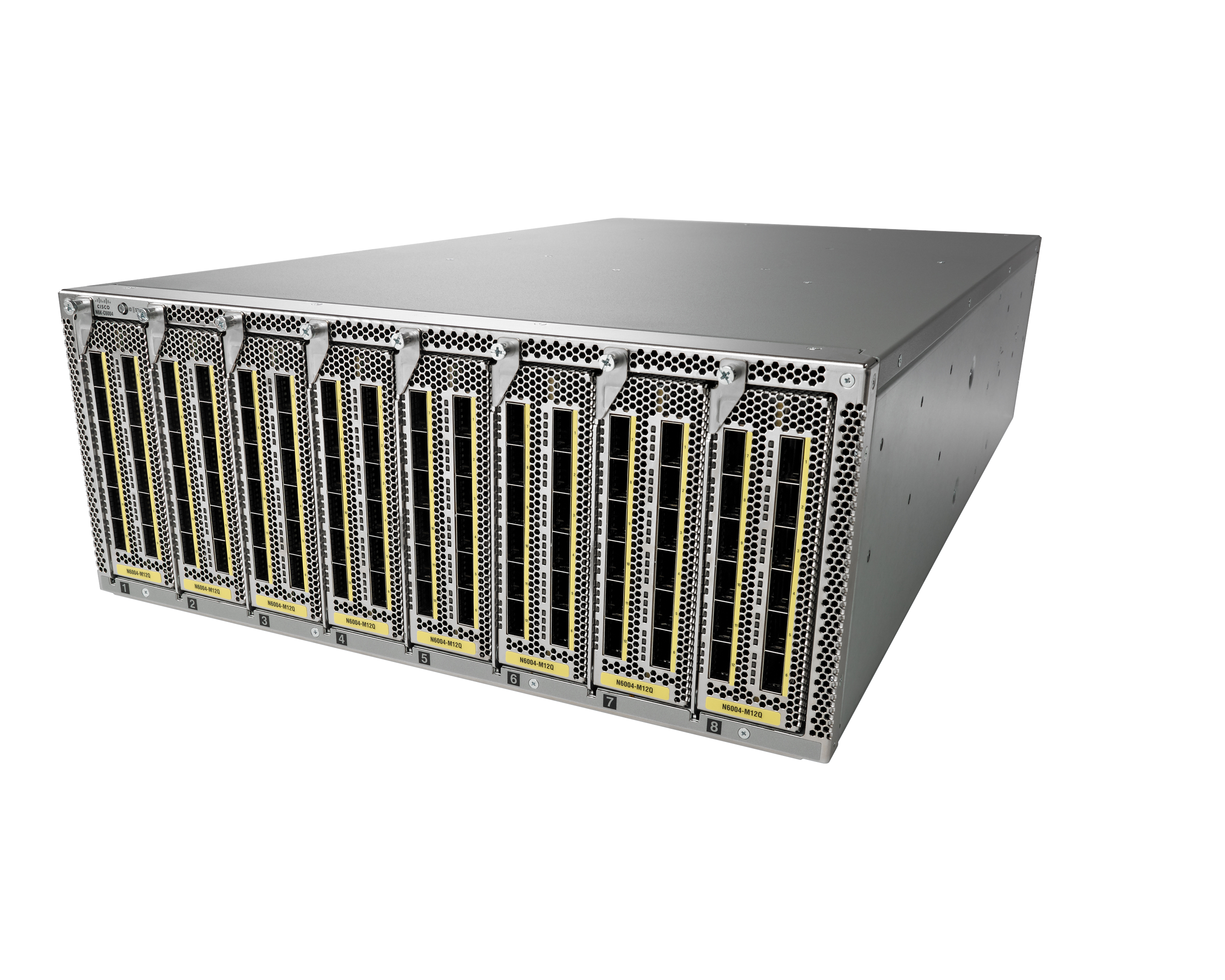
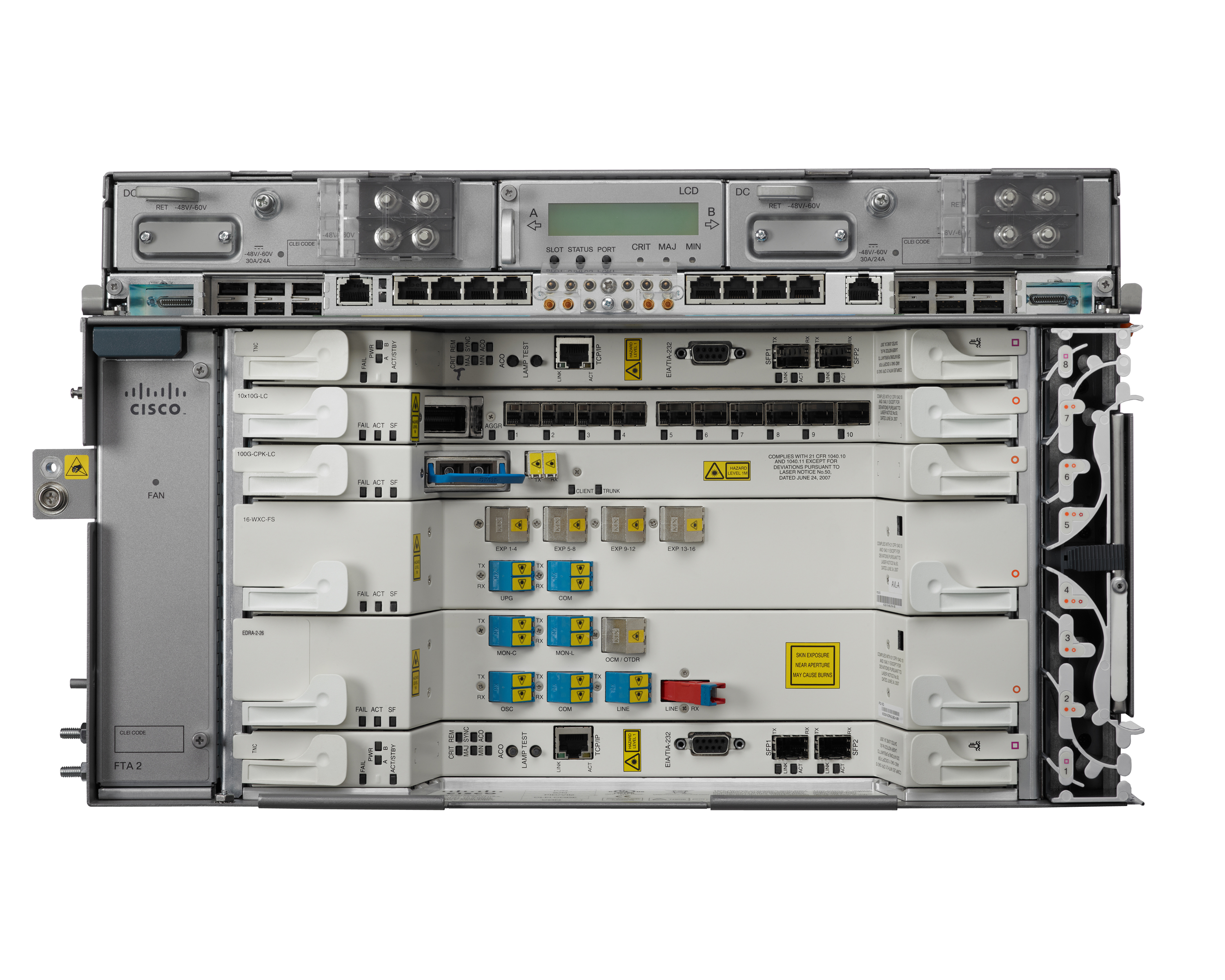
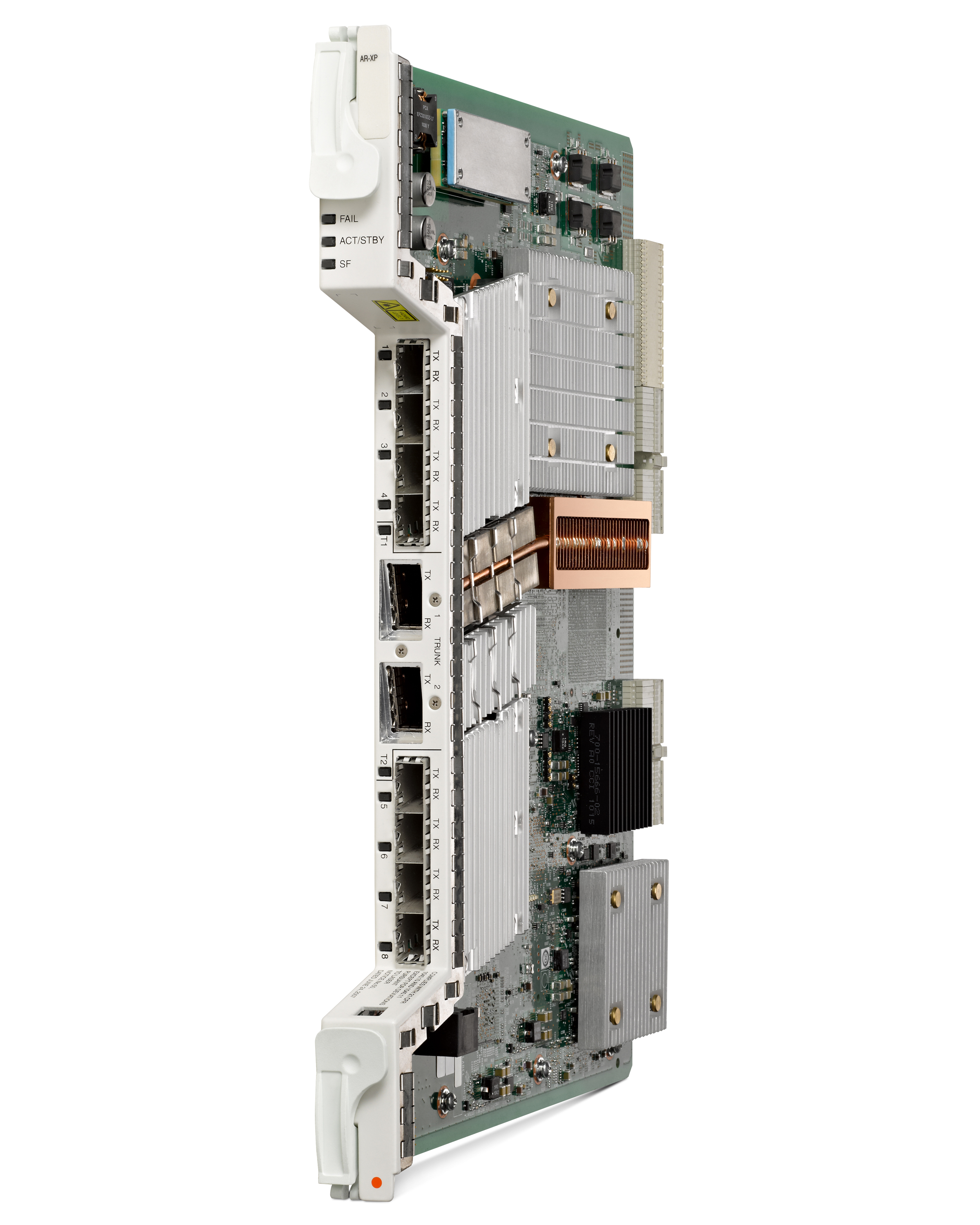
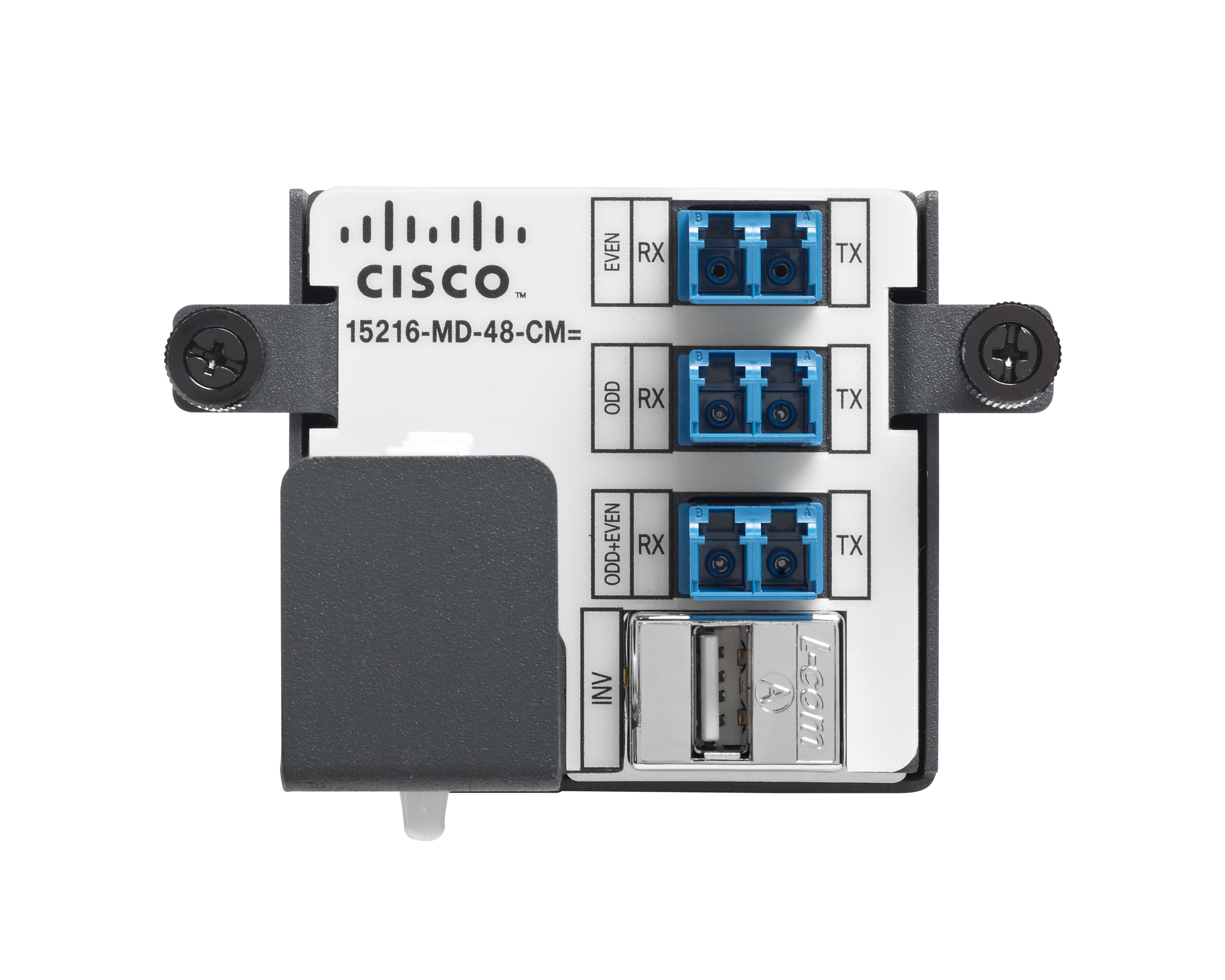
Cisco Optical Networking is a suite of products supporting data center networking, including the NCS 1000, 2000, 4000, 4200, and the Cisco Evolved Programmable Network Manager (Cisco EPN Manager), as well as Cisco ONS 15000 series platforms and devices.
It fits perfectly in all our data centers where we are using it. For small companies or smaller racks or something. I don't think it fits there because Cisco Nexus Series Switches is a big one. It's the most advanced one.
Based on my experience, I think it's a goldmine for the experienced professional and a hectic job for newbies. I recommend newbies to have some experience and then jump to Cisco Optical Networking so that they can easily understand what they paid for and take the best out of it. It's best for network scalability so I highly recommend it to those who intend to scale their network in the near future however, if you know that your network will remain the same and you don't require it, there are cheaper options within Cisco.
Maintenance, upgrades, and software certification can be performed without service interruptions because of the modular nature of NX-OS and features such as In-Service Software Upgrade (ISSU) and the capability for processes to restart dynamically
FabricPath:
Enables each device to build an overall view of the topology; this is similar to other link state routing protocols. Each device in the FabricPath topology is identified by a switch-id. The Layer 2 forwarding tables are built based on reachability to each switch-id, not by the MAC address. Eliminates spanning-tree to maximize network bandwidth and flexibility in topological configurations, as well as simplify operational support and configuration. This enables a tremendous amount of flexibility on the topology because you can now build FabricPath topologies for Layer 2-based networks the same as for Layer 3-based networks
Overlay Transport Virtualization (OTV): Enables the Layer 2 extension between distributed data centers over any transport Layer 3 network
Implementing jumbo frames on interfaces of its fabric extender series (N2k, etc.) by editing the network QoS does not have to be a global configuration that would affect all its interfaces. It can be improved to become just an interface configuration.
Licensing on the NXOS is a bit complicated and expensive. I understand that the Nexus is made for core data center switching but it does not have to break the bank.
OTV technology is for Nexus only. Based on the advantage of the technology, it should be made vendor-neutral to accommodate other vendor devices.
A simplified management platform that provides services without having to invest In multiple products, each with an additional cost. The product should just come with the services and features.
Simplifying the BOM selection process. There are to many hidden part numbers you need to know.
Actually if we need to implement or develop our actual DC we will use Cisco Nexus Series Switches again. The solution is well known and we will be able to interconnect easily the switches, as we're not using all the possibilities of features we know what is solution is a long term solution.
We will renew our use of Cisco Optical Networking due to its reliability in maintaining high-performance, low-latency connections, its scalability in supporting growing bandwidth demands, and its integration with existing Cisco infrastructure, which simplifies management and reduces operational complexity. Additionally, its robust security features and automation capabilities have enhanced network resilience, making it a valuable long-term solution for our expanding needs.
The platform has a good performance. The major issue is all the bugs you can discover across the operations, and it can be a big challenge depending on the number of Cisco Nexus Series Switches you have deployed. In our case, we own more than 200 Cisco Nexus Series Switches 9k, and we face an upgrade process, it could be a long time project to grant a new software deployment in all our switches platform.
It just works depending on what your requirement is. Cisco also provides a well formed cheat sheet on which gear to use for which scenario. Very convenient. It makes my job as a Sales Engineer easier when I have a short timeline to get a solution designed. It is also build well enough to be used in austere environments.
These switches are very fast. They've been designed to work within the data center. We connect them to Cisco UCS-B Mini servers with the storage being directly attached. They are able to handle the data traffic pretty easily. We can also move servers pretty fast from data center to data center without overloading them. This has allowed our company to stay running during any kind of conditional outage. We have come to really rely on them for business continuity.
Overall, Cisco has great products and I believe that they believe in the philosophy of a great customer experience. Although there have been a few technical support issues that caused a lot of company anxiety, in most cases, Cisco has gone above and beyond in making a valiant effort to help the customer solve any issues.
I would rate the overall support for Cisco Optical Networking at 9/10. The support team is highly responsive, knowledgeable, and effective in resolving issues quickly. Cisco’s comprehensive online resources, documentation, and community forums also make it easy to find solutions. However, there is always room for improvement in terms of response time during peak periods.
The Cisco 9000 stacks up quite well against the Cisco Catalyst 3850 switches. The additional features available in the Nexus 9000, such as VPN, FCoE, 40 gigabits, give us the ability to support the future needs of the company in our data center. The Nexus 9000 allowed us to condense our core and aggregation environment that comprised of 2 Catalyst 6504 and 2 Catalyst 6509 to a port of Nexus 9000. Although the Catalyst 3850 would be sufficient to handle routing, those features in the Nexus 9000 made it the clear choice for us.
We selected Cisco Optical Networking after evaluating alternatives such as Ciena, Nokia, and Infinera. Cisco stood out for its seamless integration with our existing network infrastructure, which already relied heavily on Cisco solutions. This made deployment and management significantly easier. The Cisco NCS 2000 series offered flexible ROADM capabilities, allowing us to scale bandwidth dynamically without extensive infrastructure changes. Additionally, Cisco’s Evolved Programmable Network Manager (EPNM) provided intuitive management and automation, streamlining provisioning and monitoring tasks. While Ciena’s WaveLogic Ai impressed us with its adaptive modulation and Nokia’s 1830 PSS offered strong scalability, both required more complex configurations that didn’t align as well with our existing setup. Infinera’s GX Series excelled in long-haul capacity, but Cisco’s modular design better suited our evolving bandwidth needs. Ultimately, Cisco Optical Networking provided the best combination of scalability, integration ease, and operational efficiency, making it the ideal choice for our organization.
We recently use the entreprise agreement on another perimeter, I could say that is linked to the typology of deployment. On our nexus perimeter, pricing and contract terms are defined without any evolution also is quite simple.
The Nexus 3000 series switches are data center switches, so I would say they have similar security ability to other switches in this segment. I don't have a lot of experience doing more than basic ACL security on switches, but I know these can be integrated into other security solutions like Cisco ISE and 802.1x authentication. It could also be integrated into an ACI solution to add micro segmentation, which would bring in other security functions.
The best impact it had was to lower my network maintenance cost by the time span of more than a year
It might look a bit pricey at the beginning, but along with time, you'll feel that you're actually saving a lot of your time and money in terms of network management