
CloudBees Codeship vs. openSUSE Open Build Service (OBS)
| Product | Rating | Most Used By | Product Summary | Starting Price |
|---|---|---|---|---|
 CloudBees Codeship | Score9 out of 10 | N/A | Codeship from CloudBees is a build automation platform from the Austrian company of the same name. | N/A |
 openSUSE Open Build Service (OBS) | N/A | N/A | German company SUSE supports the open source project openSUSE. Open Build Service (OBS) is the openSUSE generic system to build and distribute binary packages from sources in an automatic, consistent and reproducible way. | N/A |
| CloudBees Codeship | openSUSE Open Build Service (OBS) | |||||||||||||||
|---|---|---|---|---|---|---|---|---|---|---|---|---|---|---|---|---|
| Editions & Modules | No answers on this topic | No answers on this topic | ||||||||||||||
| Offerings |
| |||||||||||||||
| Entry-level Setup Fee | No setup fee | No setup fee | ||||||||||||||
| Additional Details | — | — | ||||||||||||||
| More Pricing Information | ||||||||||||||||
| CloudBees Codeship | openSUSE Open Build Service (OBS) | |
|---|---|---|
| Small Businesses |  Apache Maven Score9.1 out of 10 | Apache Maven Score9.1 out of 10 |
| Medium-sized Companies | Apache Maven Score9.1 out of 10 | Apache Maven Score9.1 out of 10 |
| Enterprises |  Gradle Build Tool (Open Source) Score9 out of 10 | Gradle Build Tool (Open Source) Score9 out of 10 |
| All Alternatives | View all alternatives | View all alternatives |
| CloudBees Codeship | openSUSE Open Build Service (OBS) | |
|---|---|---|
| Likelihood to Recommend | 9.0 | - |
| CloudBees Codeship | openSUSE Open Build Service (OBS) | |
|---|---|---|
| Likelihood to Recommend |
| No answers on this topic |
| Pros |
| No answers on this topic |
| Cons |
| No answers on this topic |
| Alternatives Considered |
| No answers on this topic |
| Return on Investment |
| No answers on this topic |
| ScreenShots | CloudBees Codeship Screenshots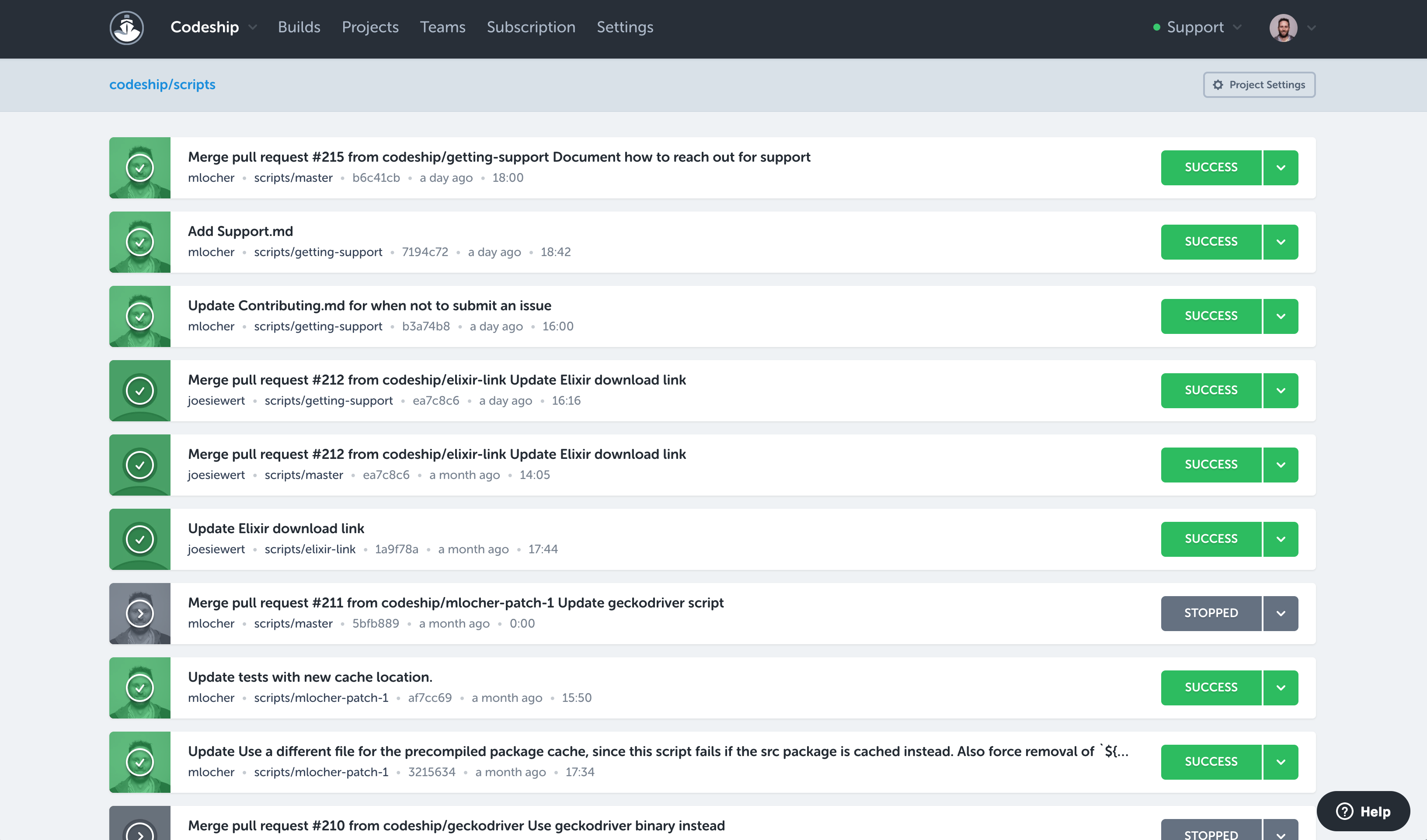 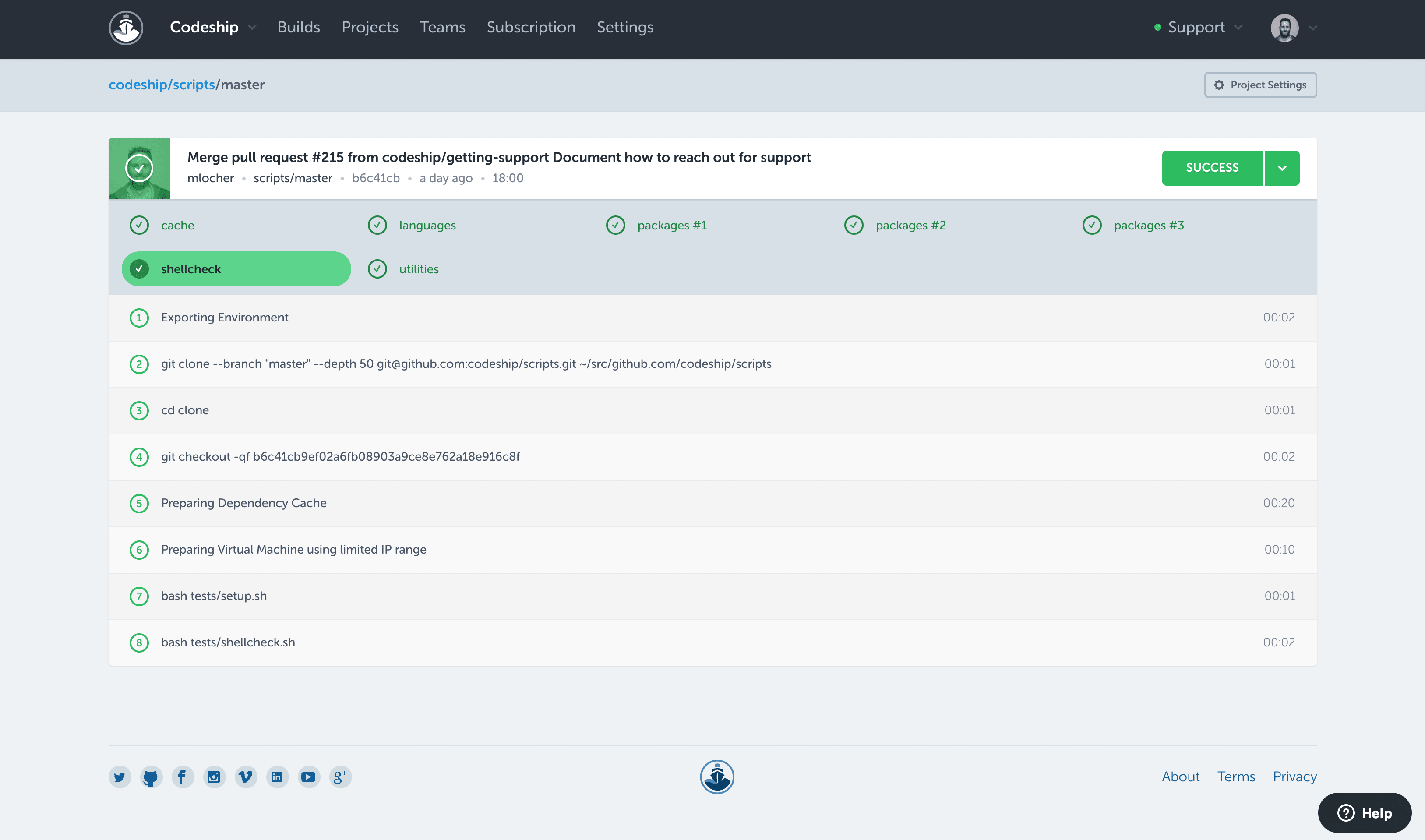 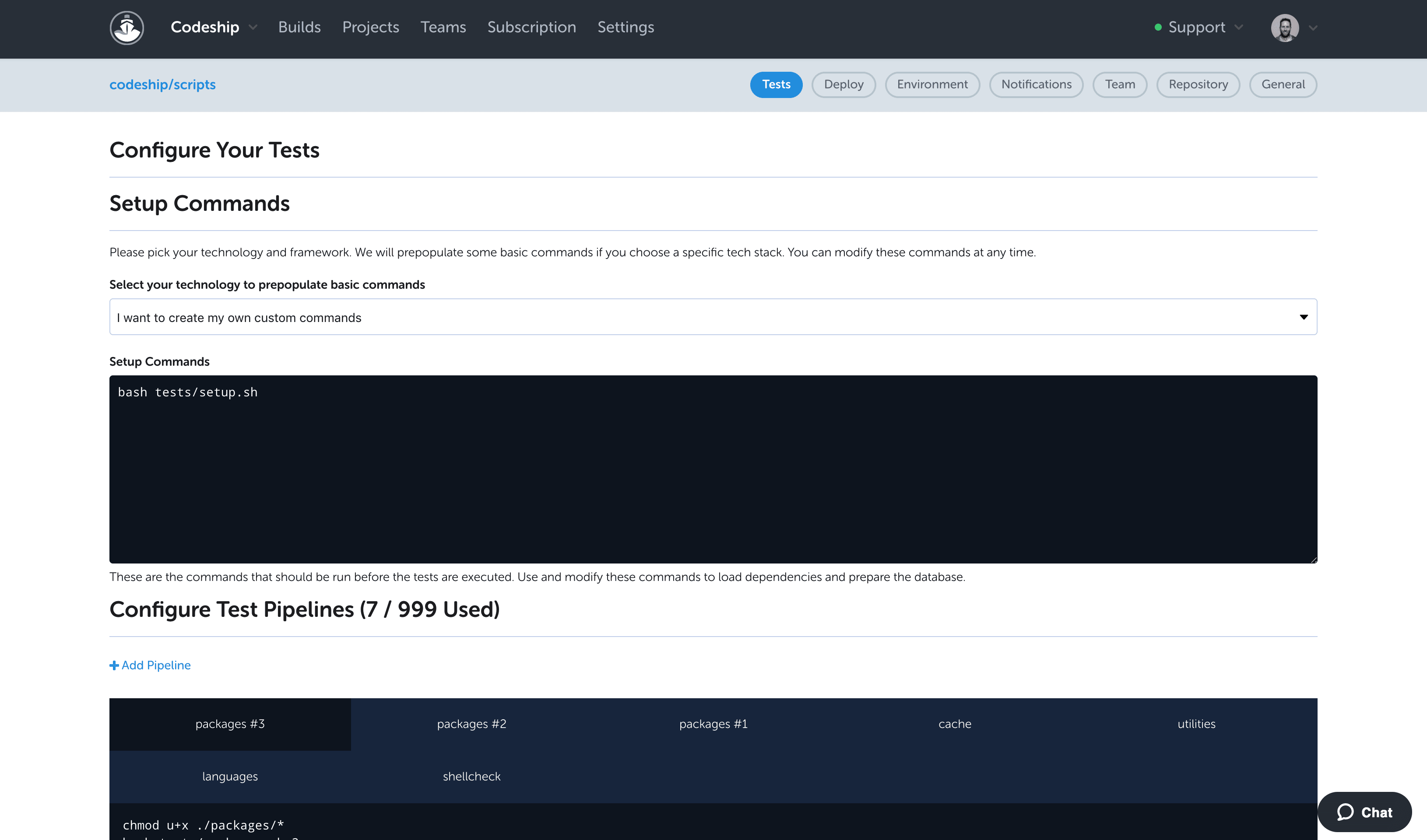 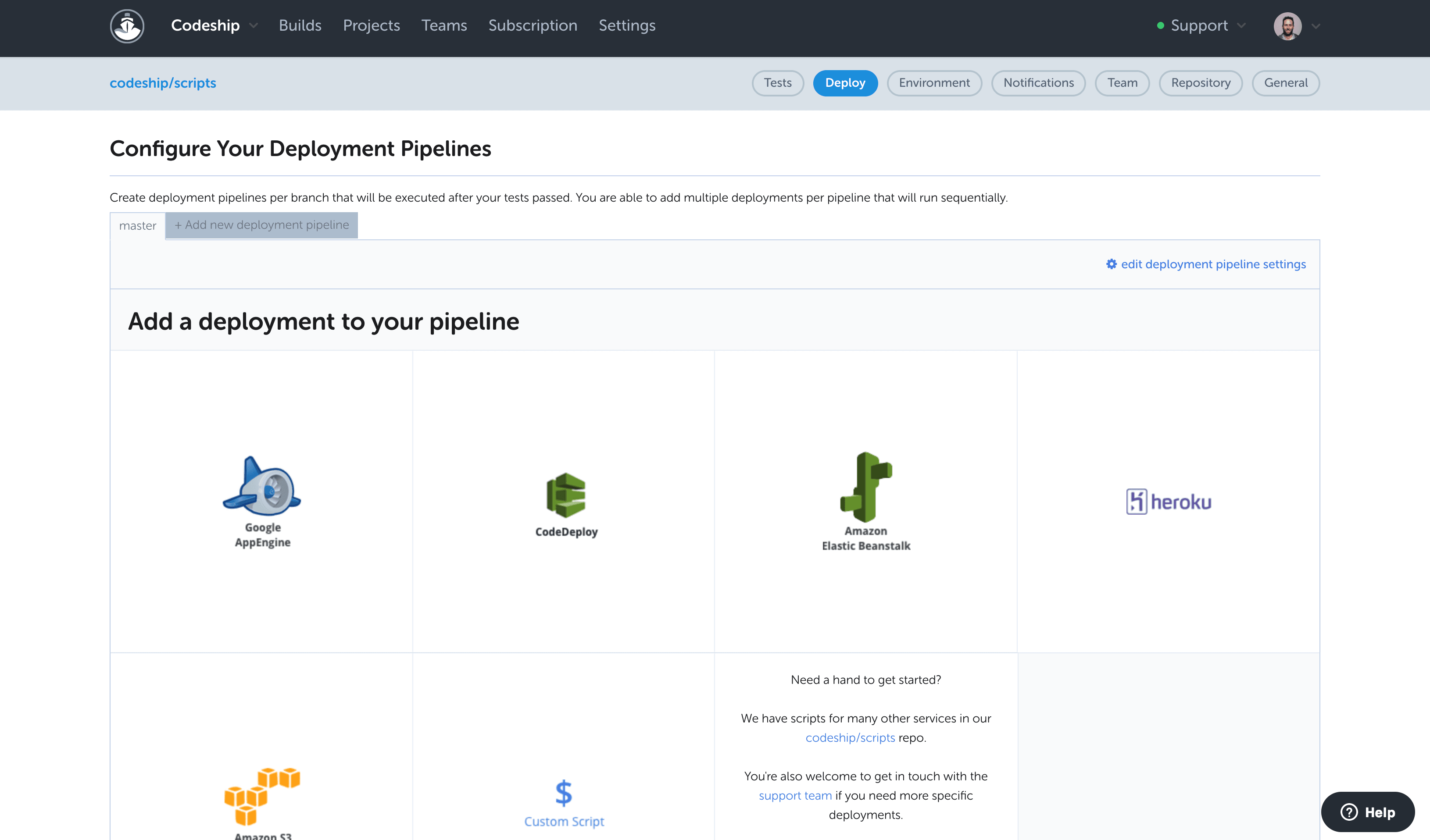  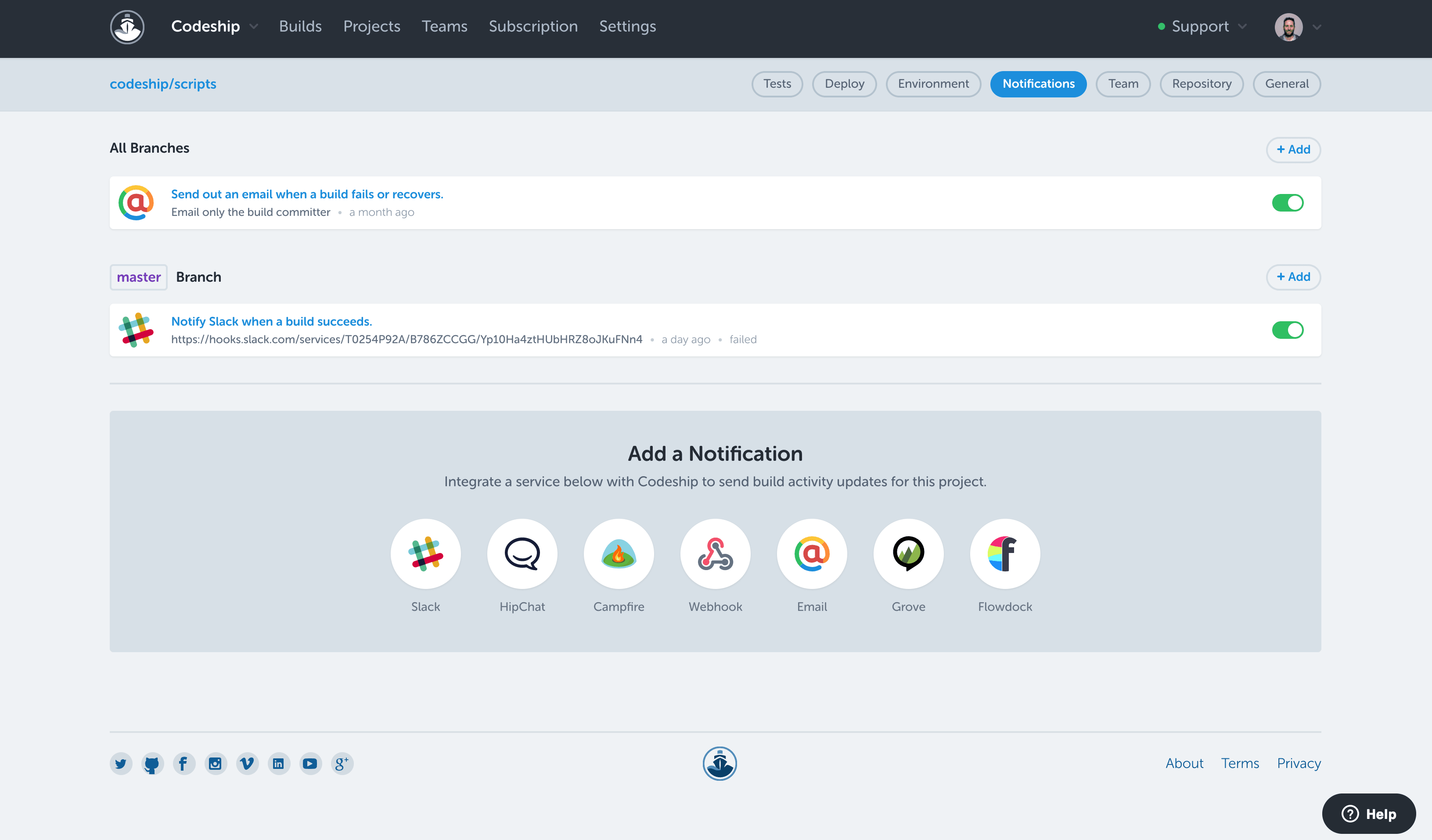 |


