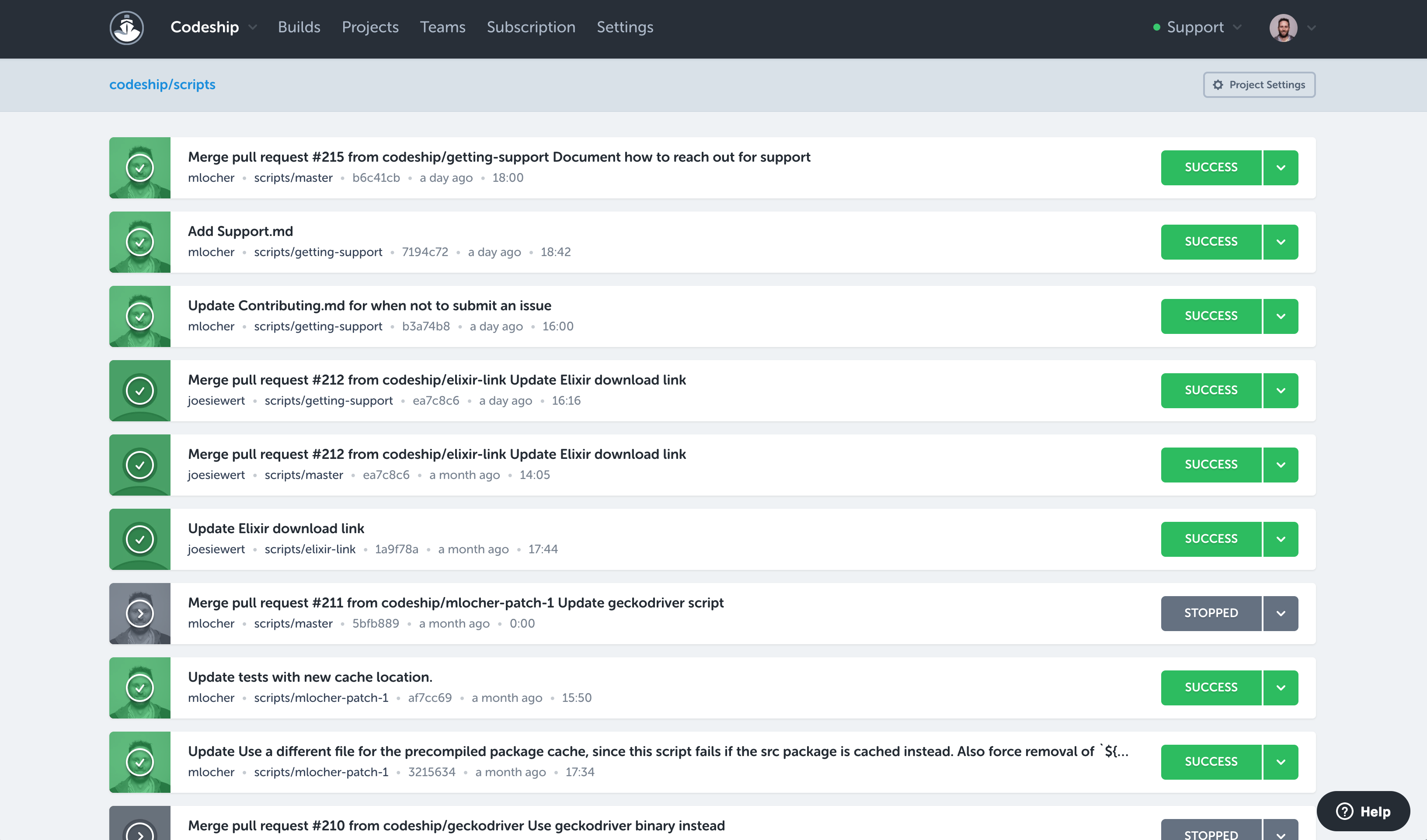
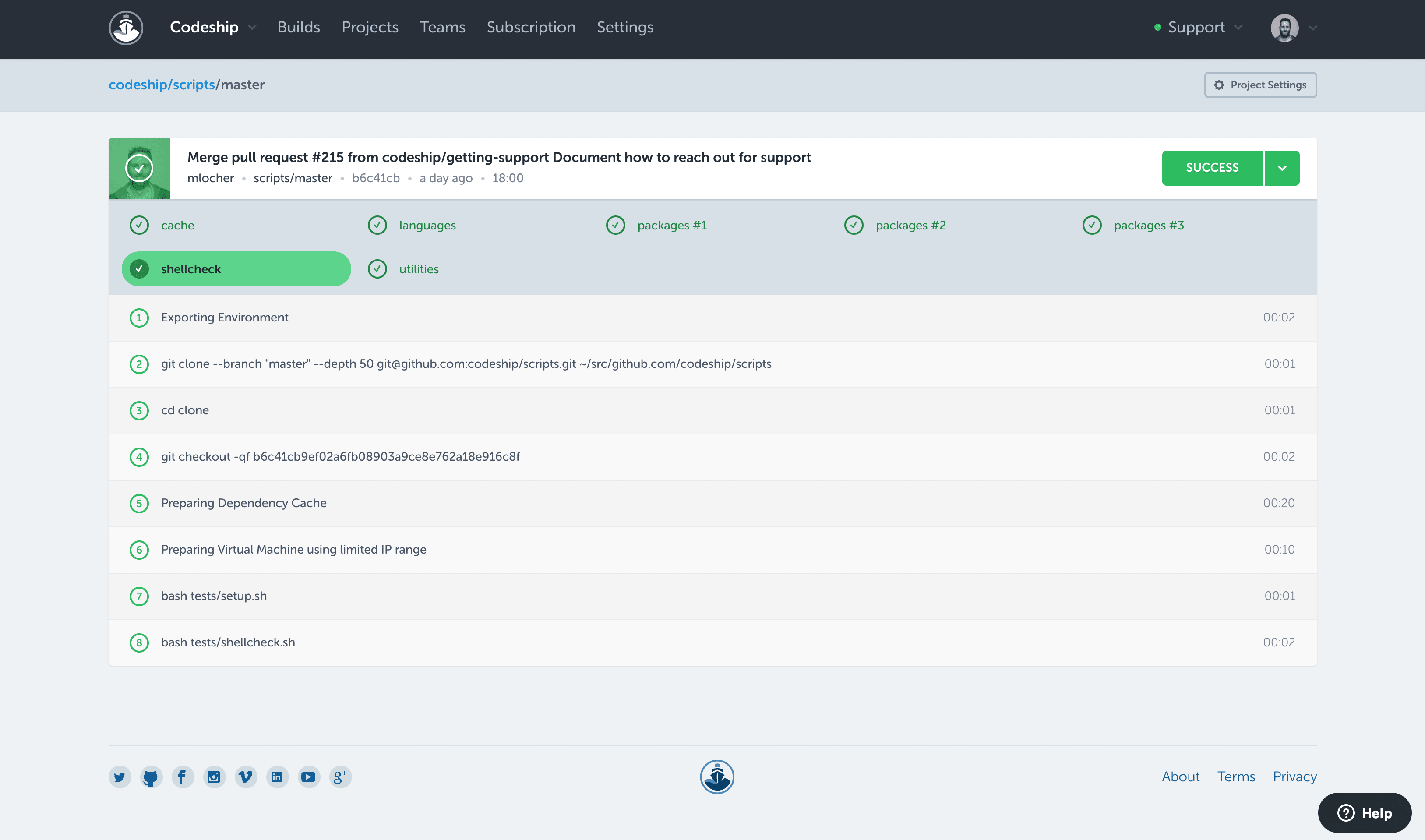
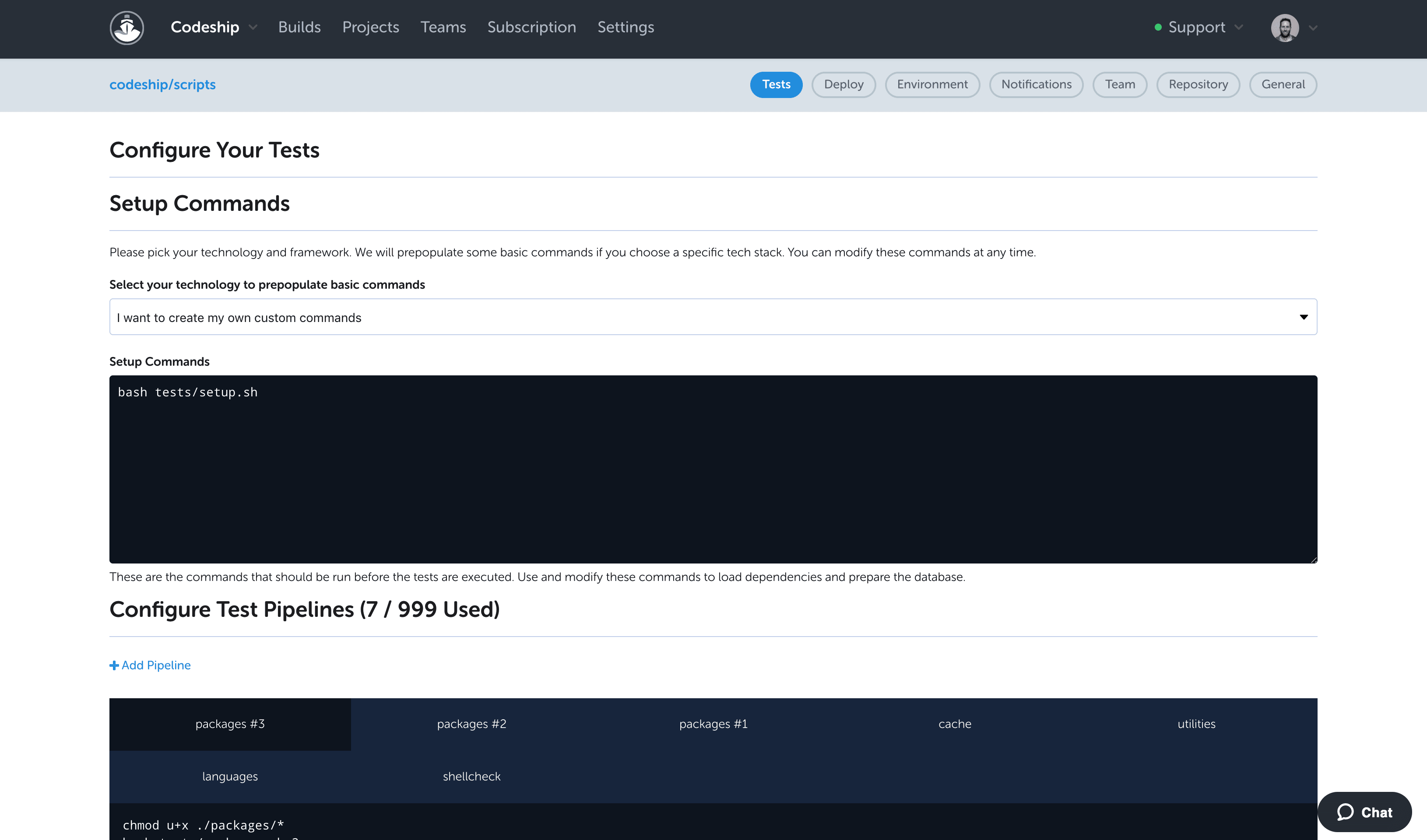
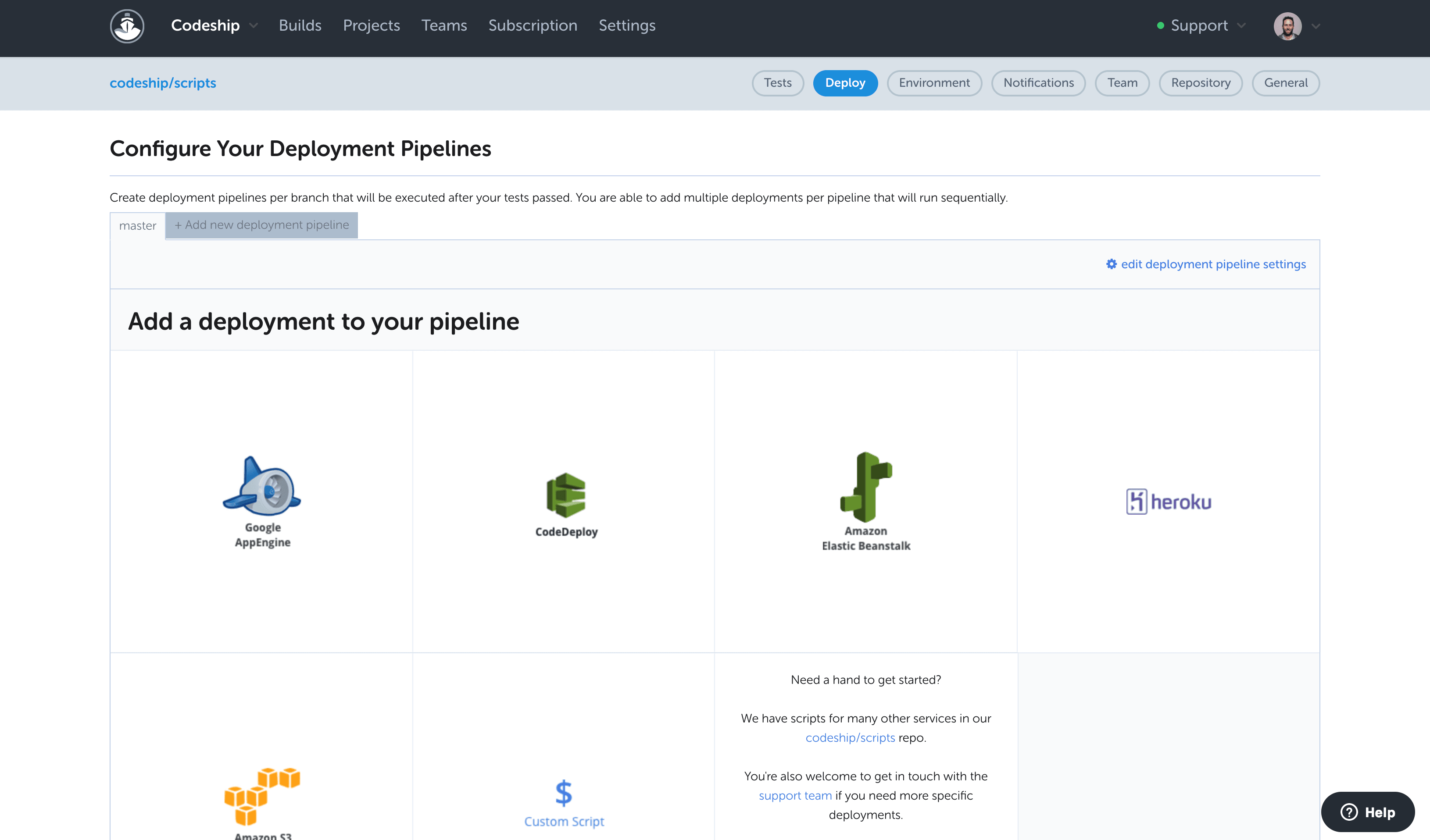
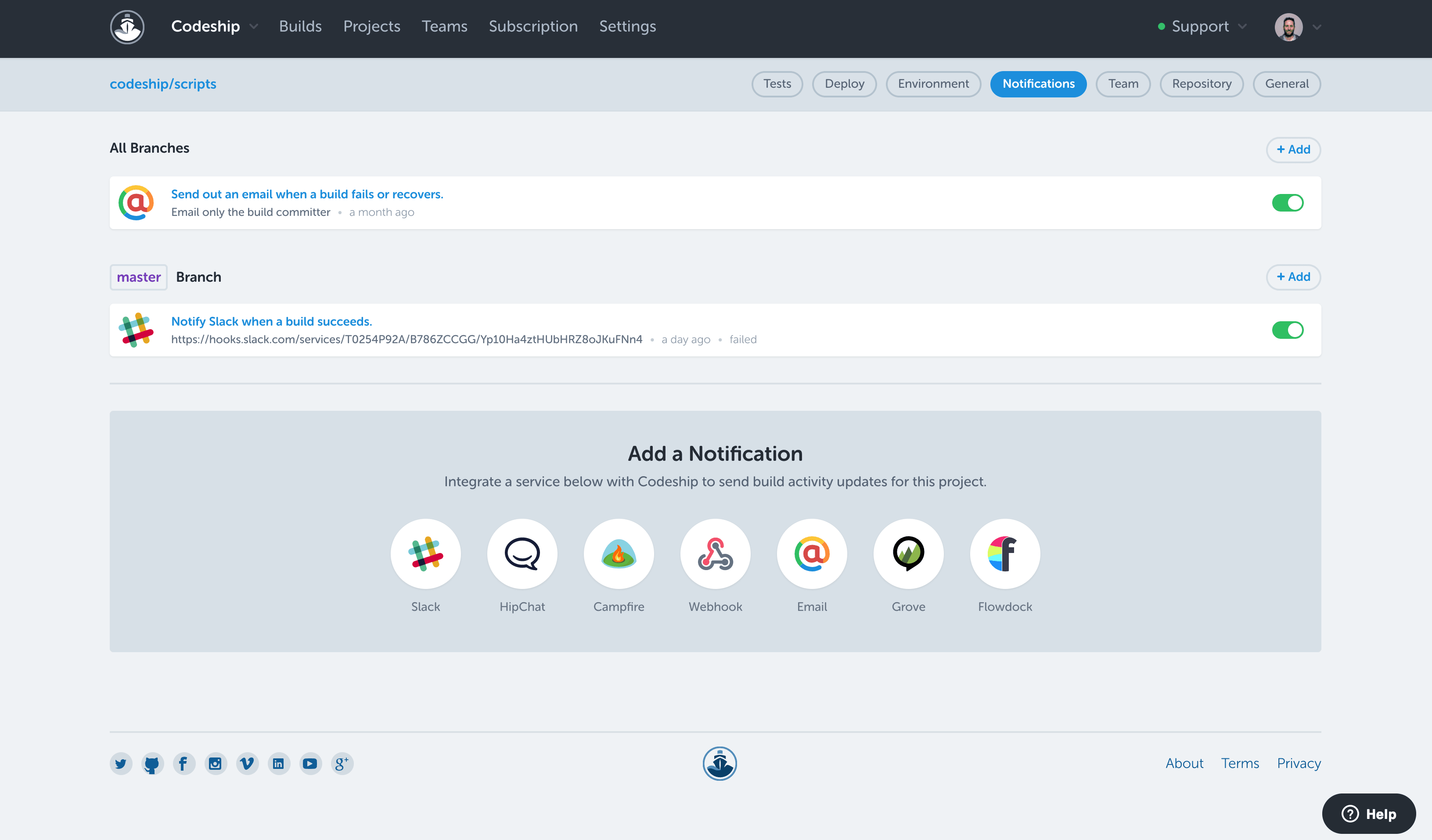
Codeship from CloudBees is a build automation platform from the Austrian company of the same name.
N/A
WSO2 API Platform
Score9.4 out of 10
Enterprise companies (1,001+ employees)
WSO2 API Manager makes it possible for developers to both develop and manage APIs of different types. Unlike solutions which focus only on managing API proxies, WSO2 API Manager provides tools to develop APIs by integrating different systems as well. It supports a variety of API types from REST, SOAP, GraphQL, WebSockets, WebHooks, SSEs and gRPC APIs with specialized policies and governance for each different type. Being fully open source, its architecture and extensibility…
$0
per month
Pricing
CloudBees Codeship
WSO2 API Platform
Editions & Modules
No answers on this topic
No answers on this topic
Offerings
Pricing Offerings
CloudBees Codeship
WSO2 API Platform
Free Trial
Yes
No
Free/Freemium Version
Yes
Yes
Premium Consulting/Integration Services
No
Yes
Entry-level Setup Fee
No setup fee
No setup fee
Additional Details
—
—
More Pricing Information
Features
CloudBees Codeship
WSO2 API Platform
API Management
Comparison of API Management features of CloudBees Codeship and WSO2 API Platform
Codeship is extremely well suited for projects that are version controlled on public hosting such as Github or Bitbucket, and for situations where you need to pick up code from these systems and deploy it to different cloud environments. For example, we had two projects for the same client that were hosted on Github and needed to be deployed to AWS and Heroku. The native CI/CD tools of these cloud environments could not provide a holistic solution to deploy to both environments the way Codeship did.
A de minimis incentive was given to thank the reviewer for their time. The incentive was not used to bias or drive a particular response, nor was the incentive contingent on a positive endorsement. More Info
It's free! No argument can win a fight with that! And it's the only reason I gave it a 5. If you have no money to spend, and a simple environment you'll have a nice product. But free does come with a price. After 5 years we're still struggling with ports, and analytics (it just won't work without any errors caused by some configuration somewhere). An API Manager should work out of the box. The only configuration expertise that any developer wants to invest in, is the configuration of API's. Not the product itself... Anyone who've seen the training material, just for installing this thing will agree that this is not the way to go. Of all the API Managers out there (we've tried 4), WSO2 is the only one were you need to know how this dragon of a java application works internally. Did I already mention the humongous amount of config files?
A de minimis incentive was given to thank the reviewer for their time. The incentive was not used to bias or drive a particular response, nor was the incentive contingent on a positive endorsement. More Info
Codeship provides a set of tools for quickly creating and building our deployment artifacts and push them to the designated servers.
Codeship's hooks allows our developers to simply push tags from our git repositories to initiate a deployment of code to a server. No one outside of the devops team needs any expertise to get our code packages delivered.
Codeship allows us to tie in behat and unit tests easily to prevent delivery of buggy code.
A de minimis incentive was given to thank the reviewer for their time. The incentive was not used to bias or drive a particular response, nor was the incentive contingent on a positive endorsement. More Info
A de minimis incentive was given to thank the reviewer for their time. The incentive was not used to bias or drive a particular response, nor was the incentive contingent on a positive endorsement. More Info
I would like to see a little bit more than the green/red status. If there are tests, it would be good to see how many have failed on a red build.
To improve build times (and reduce feedback times), it would be good to see how long build, tests, and deployment take over time. An overview like that could very easily point to potential areas of improvement. I think Codeship users do not want to bother with the build process, but, if there is anything to improve and increase productivity it's very unlikely that users wouldn't want to do this.
A de minimis incentive was given to thank the reviewer for their time. The incentive was not used to bias or drive a particular response, nor was the incentive contingent on a positive endorsement. More Info
Our company uses Jenkins for all internal deployment processes for one very important reason - it's hosted internally. But Codeship is great for personal use - it has intuitive UI, easy setup and tons of integrations.
A de minimis incentive was given to thank the reviewer for their time. The incentive was not used to bias or drive a particular response, nor was the incentive contingent on a positive endorsement. More Info
Providing better capabilities comparing the overall API lifecycle management, especially the availability of API Integration layer and a strong identity layer of their own which provides an end-to-end API ecosystem that would be advantageous in terms of a large software development initiative.
A de minimis incentive was given to thank the reviewer for their time. The incentive was not used to bias or drive a particular response, nor was the incentive contingent on a positive endorsement. More Info
Having the code tested thoroughly. While it's obviously a part of the job that still requires the developer to sit down and to actually have some decent and thorough tests implemented, by using codeship we were able to guarantee 100% that our code was being tested each and every time it got commited and pushed onto our repositories. Leading to a faster, shorter and sure implementation iterative cycle.
Fewer 'man in the middle' processes which required more steps and people involved just to get the code shipped onto our deployment servers.
Almost inexistent learning curve. Codeship is simple to use and very intuitive. Nobody in our development department had a hard time figuring out how to have it properly configured for each new project created there.
A de minimis incentive was given to thank the reviewer for their time. The incentive was not used to bias or drive a particular response, nor was the incentive contingent on a positive endorsement. More Info
We've moved away from legacy SOAP services where nobody knew what services was used by who. WSO2 eliminated at least 90% of time spend on any service.
Creating API's (or actually creating the API Management layer...) is so simple that new developers can get away with it in no time. Again, real time gainer.
Since creating API's is so simple, developers are very fast in adopting a kind of "Domain thinking". In comparison with Azure API Manager: Azure does not demand knowledge of "how" the product works, but it's definitely more difficult to get an API up and running in Azure. And for some reason, azure does not promote clean domain driven architecture. Domain Driven architecture is the greatest time saver strategy possible. And WSO2 fits nicely in there.
A de minimis incentive was given to thank the reviewer for their time. The incentive was not used to bias or drive a particular response, nor was the incentive contingent on a positive endorsement. More Info