
CloudfloorDNS vs. NGINX
CloudfloorDNS vs. NGINX
| Product | Rating | Most Used By | Product Summary | Starting Price |
|---|---|---|---|---|
 CloudfloorDNS | N/A | Everbridge offers the CloudfloorDNS managed DNS service, supporting enterprises with a high availability DNS network, domain management and load balancing, DNS failover, and geo-aware traffic routing. | N/A | |
 NGINX | Mid-Size Companies (51-1,000 employees) | NGINX, a business unit of F5 Networks, powers over 65% of the world's busiest websites and web applications. NGINX started out as an open source web server and reverse proxy, built to be faster and more efficient than Apache. Over the years, NGINX has built a suite of infrastructure software products o tackle some of the biggest challenges in managing high-transaction applications. NGINX offers a suite of products to form the core of what organizations need to create… | N/A |
| CloudfloorDNS | NGINX | |||||||||||||||
|---|---|---|---|---|---|---|---|---|---|---|---|---|---|---|---|---|
| Editions & Modules | No answers on this topic | No answers on this topic | ||||||||||||||
| Offerings |
| |||||||||||||||
| Entry-level Setup Fee | No setup fee | Optional | ||||||||||||||
| Additional Details | — | — | ||||||||||||||
| More Pricing Information | ||||||||||||||||
| CloudfloorDNS | NGINX |
|---|
| CloudfloorDNS | NGINX | |||||||||||||||||||||
|---|---|---|---|---|---|---|---|---|---|---|---|---|---|---|---|---|---|---|---|---|---|---|
| Application Servers |
|
| CloudfloorDNS | NGINX | |
|---|---|---|
| Small Businesses |  Cloudflare Score 9.0 out of 10 |  Apache HTTP Server Score 9.7 out of 10 |
| Medium-sized Companies | Cloudflare Score 9.0 out of 10 |  Apache Tomcat Score 7.9 out of 10 |
| Enterprises |  Google Cloud DNS Score 10.0 out of 10 | Apache Tomcat Score 7.9 out of 10 |
| All Alternatives | View all alternatives | View all alternatives |
| CloudfloorDNS | NGINX | |
|---|---|---|
| Likelihood to Recommend | 9.0 (1 ratings) | 9.3 (72 ratings) |
| Likelihood to Renew | - (0 ratings) | 9.0 (2 ratings) |
| Usability | - (0 ratings) | 8.3 (25 ratings) |
| Support Rating | - (0 ratings) | 8.0 (5 ratings) |
| Implementation Rating | - (0 ratings) | 8.0 (1 ratings) |
| CloudfloorDNS | NGINX | |
|---|---|---|
| Likelihood to Recommend | Everbridge
 Shawn Umansky Assistant Director, IT Data Center |  F5
 Luiz Eduardo Garcia System Administrator |
| Pros | Everbridge
Shawn Umansky Assistant Director, IT Data Center | F5
 Gabriel Samaroo Senior Software Engineer |
| Cons | Everbridge
Shawn Umansky Assistant Director, IT Data Center | F5
 L Matthew Blancett Senior DevOps Engineer |
| Likelihood to Renew | Everbridge No answers on this topic | F5
|
| Usability | Everbridge No answers on this topic | F5
|
| Support Rating | Everbridge No answers on this topic | F5
 John Reeve Principal, Lead developer, Lead designer |
| Alternatives Considered | Everbridge
Shawn Umansky Assistant Director, IT Data Center | F5
 Josh Stapp Sr. Software Engineer |
| Return on Investment | Everbridge
Shawn Umansky Assistant Director, IT Data Center | F5
 Tyler Johnson Senior Software Architect |
| ScreenShots | NGINX Screenshots 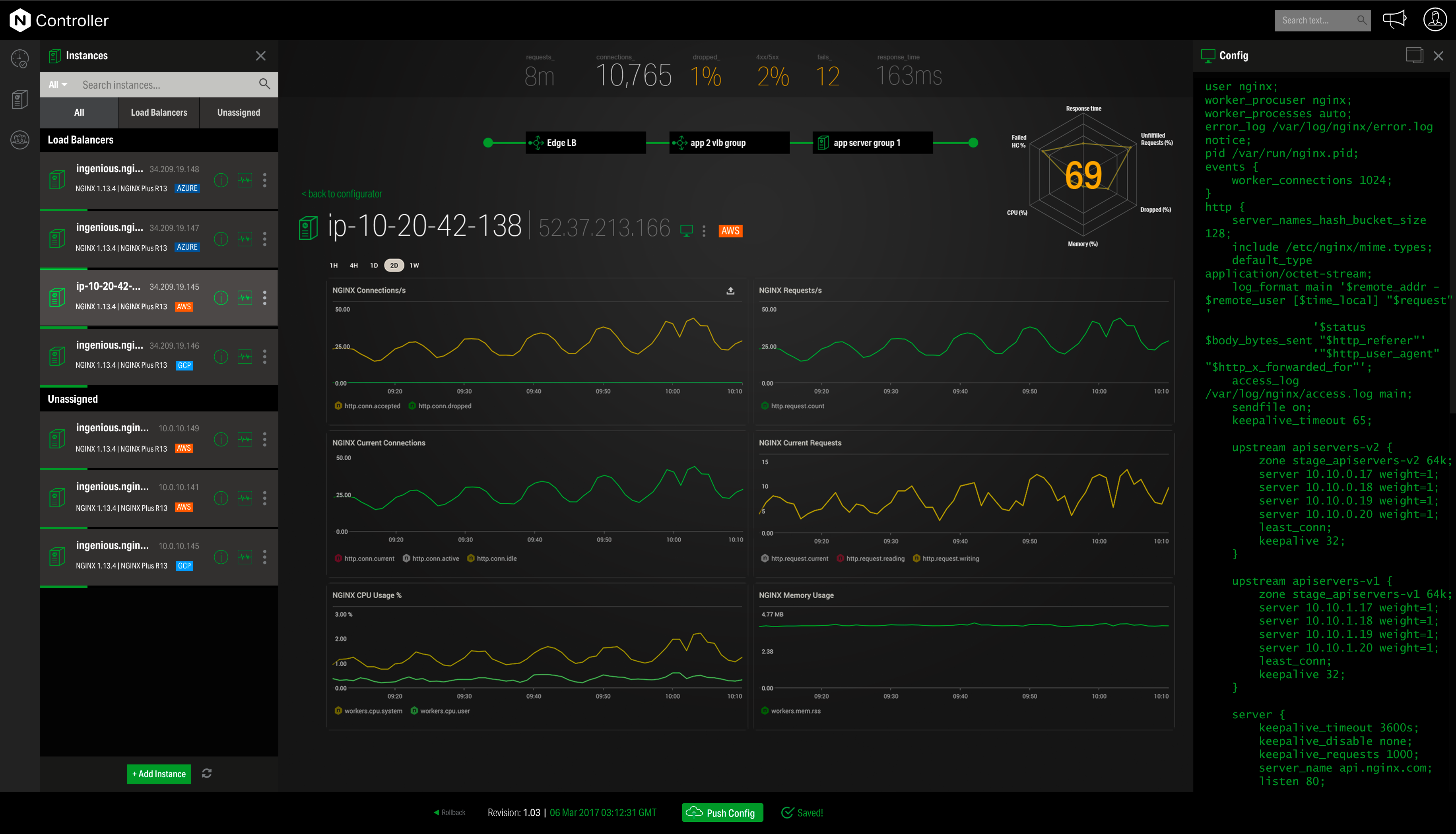  |